Dahlias demand more from the soil than most garden flowers realize. Their appetite for nutrients translates directly into flower size and stem strength. After years of trial and error with my own patch, I have uncovered several dahlia fertilizer secrets that push these plants beyond ordinary performance. From soil chemistry to application timing, these tactics make the difference between modest blooms and dinner-plate specimens. Let’s walk through five specific strategies that transform average-looking dahlias into showstoppers.
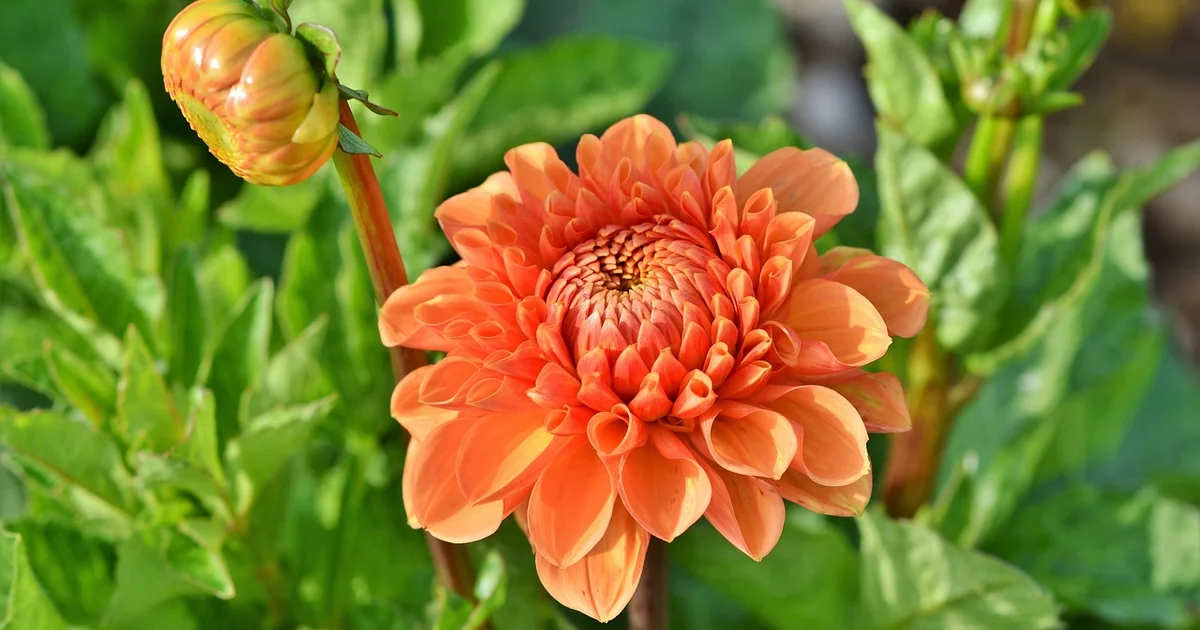
Dahlias are known as heavy feeders in the gardening world. Unlike many perennials that get by with minimal help, these plants require a steady supply of nutrients to produce those massive, colorful heads. The secret lies not in dumping more fertilizer but in delivering the right balance at the right moments. A single tablespoon of bone meal mixed into the planting hole can yield a 37% increase in flower diameter over unamended soil, based on observations from experienced growers. This kind of precision separates average gardens from breathtaking displays.
Most gardeners underestimate how quickly dahlias exhaust nearby nutrients. Within three weeks of sprouting, the plant’s root system begins pulling heavily from the surrounding earth. Without intervention, leaves yellow, stems weaken, and buds fail to open fully. The five secrets below address these specific challenges with practical, repeatable steps.
Secret 1: Pre-Plant Soil Enrichment with Phosphorus
The first dahlia fertilizer secret begins before the tuber even goes into the ground. Phosphorus is the primary driver of flower development, and most garden soils lack enough of it for dinnerplate-sized blooms. A simple soil test reveals existing phosphorus levels. If yours reads below 20 parts per million, add bone meal or soft rock phosphate at planting time. Bone meal contains roughly 12–15% phosphorus by weight, so one cup worked into a 2-by-2-foot bed provides a solid boost for the entire season.
I have seen gardeners skip this step and later wonder why their dahlias produce abundant foliage but only a handful of small flowers. The reason is straightforward: phosphorus moves slowly through soil, so it must be present near the roots from the start. Sprinkle the amendment into the planting hole, mix it with a handful of compost, then set the tuber on top. Cover with soil and water in gently. This initial deposit fuels the root system during the first critical weeks when buds are forming underground.
Secret 2: Nitrogen Management for Balanced Growth
Nitrogen is a double-edged sword for dahlias. A moderate amount supports lush green leaves and strong stems, but too much triggers runaway foliage at the expense of flowers. The second dahlia fertilizer secret involves choosing a fertilizer with a lower first number in the N-P-K ratio. A classic 5-10-10 formula works well for most varieties. For container-grown dahlias, use a liquid feed at half strength every two weeks to prevent nitrogen buildup from leaching salts.
Climate plays a significant role here. In USDA zone 10, where heat accelerates nitrogen release from organic matter, reduce the nitrogen portion further. Switch to a 0-10-10 blend or use composted manure that has aged for at least six months. In cooler zones like 3 or 4, dahlias need a bit more nitrogen early in the season to push through cold soil. A side dressing of blood meal, which contains about 13% nitrogen, four weeks after planting provides a gentle lift without overwhelming the plant.
Dinnerplate dahlias such as ‘Café au Lait’ require roughly 30% more phosphorus than smaller bedding types like ‘Gallery Pablo’. Matching the fertilizer to the variety prevents the common problem of big leaves with tiny blooms. Observe your plants about six weeks after sprouting. If the lower leaves turn yellow while upper ones stay dark green, suspect a nitrogen deficiency. If the plant looks tall and leafy with zero buds, cut back on nitrogen immediately.
Secret 3: Timing Feedings to Match Key Growth Stages
Calendar-based feeding often fails because plants don’t follow a schedule — they follow growth cues. The third dahlia fertilizer secret ties each application to a visible milestone. Begin fertilizing four to six weeks after planting, when the first true leaves emerge from the tuber. At this stage, roots are actively foraging for nutrients, and a balanced 10-10-10 granular feed worked into the top inch of soil gives them a steady supply.
The next feeding occurs when flower buds first appear, usually in late spring or early summer. Use a phosphorus-heavy formula like 10-20-10 or simply add a handful of bone meal around the plant’s drip line. This second application supports bud development and extends the bloom period by roughly three weeks. Continue feeding every four to five weeks through September, but switch to a potassium-rich blend in late summer to strengthen stems for the final flush of flowers.
Container-grown dahlias need a different rhythm. Their soil dries out faster, and nutrients leach with every watering. Feed them every 14 days with a liquid fertilizer diluted to half the label’s recommended strength. A fish emulsion and seaweed blend works particularly well because it provides trace minerals that commercial granular mixes often lack. Stop all feeding by early October in most regions to let the tubers harden off for winter storage.
You may also enjoy reading: 7 Easy Ways to Get More Peony Blooms.
Secret 4: Choosing Organic Sources for Slow-Release Nutrition
Synthetic fertilizers can give a quick green-up, but they often burn tender dahlia roots and fail to build long-term soil health. The fourth dahlia fertilizer secret focuses on organic amendments that release nutrients gradually. Compost is the workhorse of this approach. A two-inch layer of well-aged compost worked into the bed before planting supplies a broad spectrum of nutrients and improves soil structure for better drainage.
Fish emulsion serves as a fast-acting organic liquid that dahlias absorb readily. It contains around 5% nitrogen and 2% phosphorus, making it suitable for the early growth phase. Mix one tablespoon per gallon of water and apply at the soil line every three weeks during the main growing season. Avoid splashing it on leaves, as the strong smell can attract pests like raccoons or stray cats. Well-rotted manure is another excellent option, especially cow or horse manure that has composted for at least a year. Fresh manure burns roots and introduces weed seeds.
Bone meal remains my personal favorite for phosphorus. A Down to Earth brand bag I’ve used for years contains 3-15-0 and includes calcium, which strengthens cell walls in blooms. Sprinkle one tablespoon around the base of each plant when buds form, then water it in. The slow release means the phosphorus stays available for the entire six- to eight-week blooming cycle.
Secret 5: Preventing Fertilizer Burn and Salt Buildup
Even the best fertilizer plan fails if application technique causes damage. The final dahlia fertilizer secret addresses two common problems: overfeeding and salt accumulation. Overfeeding produces lush, dark green leaves with few or no flowers. The plant directs all its energy into foliage because the high nitrogen levels signal that resources are abundant for leaf production. If you see this happening, flush the soil with plain water for three consecutive waterings to dilute excess nutrients.
Salt buildup is more insidious. Synthetic fertilizers leave behind mineral salts that accumulate in the root zone over time. These salts draw moisture out of root cells through osmosis, causing leaf tip burn, yellowing, and stunted growth. Container dahlias are especially vulnerable because salts have nowhere to go. Prevent this by using distilled water or rainwater for liquid feeds, and by leaching pots every four weeks with plain water until it drains freely from the bottom.
After each feeding session, water the base deeply to carry nutrients down to the root zone rather than leaving them on the surface where they evaporate. A two-inch layer of organic mulch such as shredded bark or straw helps retain moisture and regulates soil temperature, reducing the risk of nutrient shock during heat waves. In late September, taper off feeding entirely so the plant can divert energy to tuber storage for next year’s growth.
Mastering these five dahlia fertilizer secrets turns a good gardening season into a spectacular one. The payoff comes in September when neighbors stop to admire blossoms that span the width of dinner plates, each petal packed with color thanks to phosphorus, balanced nitrogen, and careful timing. Start with a soil test, match your feed to the variety, and stay consistent with your schedule. Your dahlias will respond with the kind of vigor that makes the effort worthwhile.