The Most Rewarding Garden Task You Can Do This Month
There is a simple gardening habit that transforms a backyard in just minutes each day. Removing spent blossoms from your plants might seem like a small chore. Yet this single action triggers a cascade of benefits that rival any fertilizer or fancy tool. May marks the start of deadheading plants may season, and this is one garden chore you do not want to skip. Out of all the jobs in the garden, deadheading flowers delivers the biggest rewards for the least amount of time invested. Now spring is well underway, you can step outside each evening for five minutes and see immediate results. Even if you only find time once a week, you will quickly notice how many more flowers are filling your backyard.
There are plenty more reasons why you should deadhead. Stronger, healthier plants emerge. Your garden looks tidier. And there is a hidden bonus many gardeners overlook. Deadheading is the perfect excuse to nip out into the garden every day for a moment of peace and quiet. That small daily ritual before the chaos of family dinner becomes a tiny sanity break. And goodness knows, that benefit is just as valuable as all those extra blooms.
What Is Deadheading and Why Does It Work?
Deadheading is simply the task of removing faded flowers from a plant. The prime reason for doing this is to divert the energy a plant would use to create seeds into growing more flowers instead. It is a rather morbid term. I often wonder if more gardeners would embrace this task if it had a more positive name, such as “new-blooming” or “reblooming.”
The Science Behind the Snip
Most plants have one simple life goal: reproduction. Flowering plants achieve this by blooming and producing nectar to attract pollinators. Once a flower has been pollinated, the plant begins setting seed. Many modern cultivars have been bred to flower far more abundantly than their wild ancestors. Still, for most plants, once they have successfully set seed, blooming significantly reduces. The plant pours its energy into ensuring those precious seeds develop properly.
Snipping off the fading flowers before they set seed interrupts that cycle. This forces the plant to grow more flowers and try again. For annual flowering plants that live for one year or less, the effect is profound. Setting seed is the only way they can leave a legacy behind. Once an annual plant has created seed, its life mission is complete, and it can die happy. But repeatedly deadhead its fading blooms, and it will live and keep flowering for a lot longer.
How Perennials Respond
Even with perennial plants that live for years, you will see a marked effect if you deadhead. Deadheading plants may cause many flowering perennials to produce a second flush of blooms later in the year. For plants that only produce a single set of flowers annually, deadheading diverts energy that would go into seed production into growing stronger roots and foliage. This results in more abundant blooms the following year. According to a 2022 study from the University of Vermont Extension, regular deadheading can increase flower count by up to 37 percent in common garden perennials like salvia and catmint.
When to Start Deadheading in May
May is typically the month to begin deadheading, depending on your USDA zone. Spring bulbs and early flowerers are finishing their show. Meanwhile, many annuals are adorned with their first flowers. The moment to deadhead is when the petals start to fade. As soon as a flower has been pollinated, the plant stops pumping energy into supporting those enticing petals and producing nectar. It no longer needs to attract pollinators, so it redirects resources toward seed development.
Watch for the first signs of wilting, browning, or drooping petals. That is your cue to act. If you wait too long, the plant may already have begun seed formation, and you lose some of the benefit. A daily five-minute walk through your garden is the most effective way to catch fading blooms at the perfect moment.
How to Deadhead Flowers Properly
The very best tool to deadhead most plants is your hands. Faded flowers will snap off in just the right spot when you pinch them between your thumb and forefinger. For thin stems, you can also use your thumbnail to slice through the stem cleanly. This method works beautifully for petunias, marigolds, and zinnias.
Tools for Different Stem Types
A pair of hand pruners will deal with thicker stems. Look for bypass pruners rather than anvil-style, as they make cleaner cuts that heal faster. For plants that flower profusely on thin stems, such as cosmos, a pair of bonsai scissors speeds up the task enormously. Pinching the kitchen scissors from your drawer also works in a pinch.
Later in the year, when you need to deadhead plants that flower on multiple stems above a mound or mat of foliage, a pair of hedging shears gets the job done in seconds. This works brilliantly for lavender, catmint, and coreopsis once their first major flush of blooms has finished.
Where to Make the Cut
Simply remove the faded flower where it joins the stem. For plants where flowers grow on individual stalks, cut just above the first healthy set of leaves. For spikes with multiple flowers, such as lupines or delphiniums, wait until most of the individual blooms on the spike have faded, then cut the entire spike down to the base or to a strong side shoot. This encourages the plant to produce secondary spikes that are often nearly as impressive as the first.
Deadhead These 7 Plants in May for Bursts of Color
Now let us get specific. These seven plants respond exceptionally well to deadheading plants may routines. Each one will reward your effort with dramatically more blooms.
1. Spring Bulbs: Daffodils, Hyacinths, and Tulips
Once the flowers of daffodils, hyacinths, and tulips have faded, remove the spent blooms immediately. With daffodils, snap off the flower head right behind the papery sheath at the base of the bloom. Do not cut the stem all the way down to the ground. The green foliage needs to photosynthesize and store energy for next year’s display. With most spring bulbs, simply twist the faded flower head off with your fingers. It should separate easily.
Do not remove the leaves. This is the most common mistake gardeners make with spring bulbs. Those strappy green leaves look untidy as they yellow, but they are essential. They must die back naturally over the next several weeks. If you cut them down early, you rob the bulb of the energy it needs to bloom next spring. Tuck them behind emerging perennials or annuals to hide the fading foliage.
For hyacinths, the individual tiny flowers on the spike fade from the bottom upward. Once the lowest flowers have browned, cut the entire spike off at the base. Tulips benefit from deadheading as soon as the petals drop. If you leave the seed head to develop, the bulb weakens significantly. A study from the Royal Horticultural Society found that tulip bulbs allowed to set seed produced flowers 43 percent smaller the following year compared to bulbs that were deadheaded promptly.
2. Pansies and Violas
These cheerful cool-season flowers bloom prolifically in spring but can slow down as temperatures rise. Deadheading pansies is incredibly satisfying. The spent flowers pull away easily with a gentle pinch. Look for the small seed pod forming behind the faded petals. If you remove the entire structure, the plant will produce another flower from the same node within days.
Pansies left to set seed will stop blooming almost entirely by early June. With regular deadheading, you can extend their flowering season by four to six weeks. This is especially valuable in regions where summer heat arrives slowly. Spend two minutes every other day pinching off faded pansy blooms, and you will be rewarded with a continuous carpet of color.
3. Dianthus (Sweet William and Pinks)
Dianthus produces clusters of fragrant flowers on upright stems. Each cluster contains multiple individual blooms. As the flowers fade, they turn brown and papery. Snip off the entire flower cluster at the base of the stem, just above the nearest set of healthy leaves. This encourages the plant to send up new flowering stems from the base.
Many gardeners find that a second flush of dianthus blooms in late summer is even more abundant than the first, provided deadheading was consistent in May and June. Dianthus also benefits from a light shearing after the main bloom period. Using hedging shears to trim the entire plant back by about one-third will stimulate dense, compact growth and a fresh wave of flowers.
4. Geraniums (Pelargoniums)
Whether you grow zonal geraniums in containers or ivy-leaf types in hanging baskets, deadheading is essential. Each flower cluster sits on a long stalk that rises above the foliage. When the cluster has finished blooming, grasp the stalk at its base and snap it downward. It should break cleanly at the junction with the main stem.
If you neglect deadheading, geraniums will stop producing new flower stalks and focus entirely on seed production. The plant becomes leggy and unattractive. With regular deadheading, geraniums will bloom continuously from May until the first frost. This is one of the most dramatic transformations you will see from any deadheading routine. A well-deadheaded geranium can produce 50 to 80 percent more flowers over the growing season compared to an untouched plant.
5. Marigolds
Marigolds are among the easiest plants to deadhead. The spent flower heads are large and easy to see. Simply pinch them off at the base of the flower, just above the first set of leaves. Marigolds bloom in waves. Once you remove the faded flowers, new buds that were waiting below will quickly develop and open.
French marigolds, in particular, respond enthusiastically to deadheading. They are also excellent companion plants for vegetable gardens. Deadheading them regularly keeps them compact and bushy, which makes them more effective at repelling pests like aphids and whiteflies. If you allow marigolds to go to seed, they become leggy and stop flowering. A five-minute deadheading session once a week keeps them in peak form all summer long.
You may also enjoy reading: 7 Simple Spring Ideas for Lee’s New York Garden.
6. Petunias
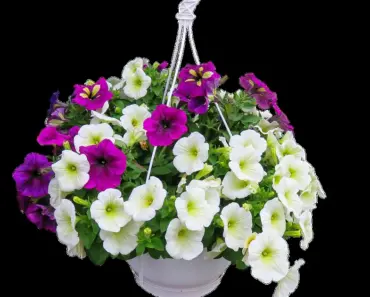
Petunias are heavy bloomers that can become messy if not deadheaded. Each flower lasts only a few days before wilting. The spent blooms turn into sticky, slimy messes that can attract fungal diseases. Remove faded petunia flowers by pinching the stem just behind the flower. For spreading or trailing varieties, you can also use scissors to trim back any stems that have become long and bare.
Petunias produce seeds prolifically. If you stop deadheading for even a week, the plant will shift its energy to seed production. The result is a sudden and noticeable drop in flowering. With consistent deadheading, petunias will produce a solid blanket of color from May through October. Many gardeners find that a mid-season haircut, cutting the entire plant back by half, combined with regular deadheading, produces the most spectacular display.
7. Salvias
Salvias, both perennial and annual varieties, produce tall spikes of tubular flowers. As the individual flowers on the spike fade from the bottom upward, you can either pick off the faded blooms one by one or wait until the entire spike has finished and cut it back. For most salvias, cutting the entire spent spike down to the next set of leaves or to a side shoot is the most efficient method.
Many perennial salvias will produce three or four flushes of bloom over the growing season with consistent deadheading. The first flush in late spring is usually the largest. Subsequent flushes are smaller but still impressive. If you stop deadheading after the first bloom, many salvias will not rebloom at all. The energy goes entirely into seed production. With regular attention, your salvias will provide color from May well into October.
Common Deadheading Mistakes to Avoid
Even experienced gardeners make errors when deadheading. The most common mistake is cutting too far down the stem. Removing too much foliage reduces the plant’s ability to photosynthesize. Always cut just above a leaf node or a side shoot. The plant needs those leaves to fuel new growth.
Another frequent error is neglecting to deadhead at all during rainy periods. Wet weather causes spent flowers to rot quickly, which can spread disease to healthy parts of the plant. In humid climates, deadheading becomes even more critical during May and June. Remove soggy, faded blooms promptly to prevent botrytis and other fungal issues.
Some gardeners also forget to clean their tools between plants. If you have been deadheading a plant with a known disease issue, wipe your pruners with rubbing alcohol before moving to the next plant. This simple step prevents the spread of pathogens that can ruin an entire flower bed.
How Deadheading Changes Your Garden’s Ecosystem
Deadheading does more than just increase flower production. It also affects the wildlife in your garden. Removing spent flowers means fewer seeds for birds and other animals. This is a trade-off worth considering. If you want to support local bird populations, leave some plants to go to seed later in the season. Echinacea, sunflowers, and rudbeckia are excellent choices for leaving untouched. But for your display beds and containers, deadheading is the better choice.
Deadheading also reduces the number of self-sown seedlings that appear in your garden. This can be a benefit or a drawback, depending on your preferences. If you enjoy the surprise of volunteer plants appearing in unexpected places, leave some flowers to set seed. If you prefer a more controlled, tidy garden, deadhead everything.
There is also a hidden benefit to deadheading that few gardeners discuss. The daily inspection of your plants that deadheading requires helps you spot problems early. Aphid infestations, powdery mildew, and nutrient deficiencies become visible before they become severe. That five-minute daily walk becomes an early warning system for your entire garden.
A Simple Deadheading Schedule for May
To make deadheading a habit rather than a chore, create a simple routine. Spend five minutes each evening walking through your garden with a small bucket or garden bag. Pinch off any flowers that look tired or faded. Empty the bucket into your compost pile at the end of the week. This daily ritual takes almost no time but produces dramatic results.
If you prefer a weekly schedule, set aside 15 to 20 minutes on a Saturday morning. Work through your garden systematically. Start with the spring bulbs, then move to the pansies and violas. Continue with the dianthus, geraniums, marigolds, petunias, and salvias. By the end of the month, you will have a garden that looks professionally maintained and produces more flowers than you thought possible.
The key is consistency. Missing one week is not a disaster. But missing three or four weeks will allow plants to shift into seed production mode. Once that happens, it takes time and energy to coax them back into blooming. A little effort each week keeps the cycle of flower production running smoothly.
The Joy of a Blooming May Garden
Deadheading is not just a practical gardening task. It is also a meditative practice. The act of pinching off spent blooms connects you to the rhythm of your garden. You notice the tiny details: the way a new bud forms just below a fading flower, the shift in color as petals age, the bees working the remaining blooms. That daily moment of quiet attention is as valuable as the flowers themselves.
So grab your pruners or just use your fingers. Step outside and start deadheading. Your garden will thank you with bursts of color that last all season long. And you will discover that this simple May habit becomes one of the most rewarding parts of your day.