Why May Matters for Fiddle Leaf Fig Care
Winter takes a toll on indoor plants. For months, your Ficus lyrata has endured dry heating, stagnant air, and weak sunlight. You might notice a few yellow lower leaves or drooping top growth. This is normal. But May changes everything. The sun climbs higher. Days stretch longer. Room temperatures rise steadily. This surge of high-quality daylight and consistent warmth signals to your plant that dormancy is over. It is time to build new tissue. However, fiddle leaf figs are sensitive creatures. They loathe sudden changes. If you rush the transition or ignore their needs right now, you risk dropped leaves and stalled growth. Treat this month as a gentle wellness window. The steps you take now will determine how lush and vibrant your plant looks by August.
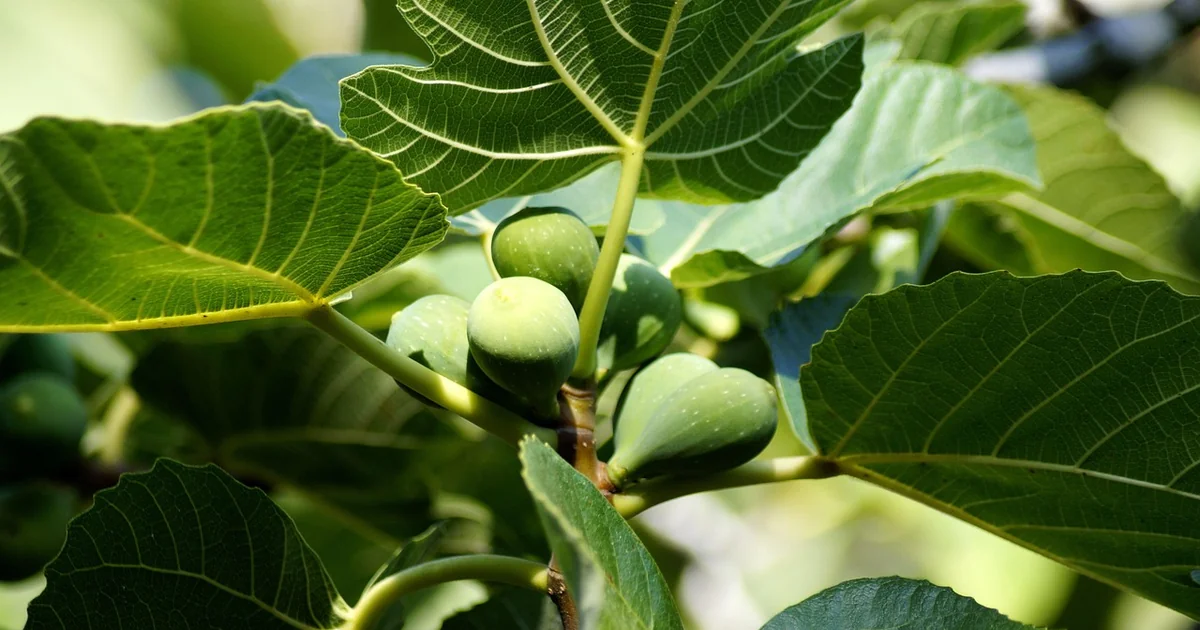
Before you start, run a quick health check. Feel the soil a few inches down. Inspect the undersides of the leaves for any tiny specks or webbing. You want to catch hidden winter pests before they explode in the warmth. A tool like the Sonkir 3-in-1 Soil Moisture and Light Meter takes the guesswork out of watering. A pocket loupe, such as the TekcoPlus 10x Foldable Magnifier, helps you spot spider mites or scale before they become a problem. These small investments make your care routine far more effective.
These seven tasks are simple to execute but powerful in their impact. Each one addresses a specific challenge your fig faces as it shifts from survival mode to active growth.
1. The Deep Dust-Off and Spring Shower
Your fiddle leaf fig’s leaves are its lungs. A thick layer of household dust clogs the stomata, which are tiny pores the plant uses to breathe and exchange moisture. When dust blocks sunlight, photosynthesis can drop by as much as 30 percent. This leads to pale foliage, stalled growth, and an open invitation for spider mites.
Make your first May job a thorough dust removal. For compact or young figs, give the plant a lukewarm shower. Wrap a plastic bag tightly around the base of the pot to protect the soil from oversaturation. Use a gentle spray to rinse both the tops and undersides of every leaf. For large or multi-stemmed trees that are too heavy to move, use a sponge bath. Dip a soft microfiber cloth in lukewarm filtered water and gently wipe each leaf. Support the underside of the leaf with your hand to avoid stress. Never use harsh dish soaps or abrasive rubbing, as these can scar the delicate leaf cuticle. Do this early in the morning so any lingering moisture evaporates before nightfall. Clean leaves maximize every ray of that glorious May sunlight.
2. Inspect for Pests and Treat Immediately
Winter’s low humidity and low light create perfect hiding spots for pests. Spider mites, scale insects, and mealybugs often wait quietly until the plant starts pushing new growth. Then they feast on the tender new tissue. If you skip this inspection, a small problem becomes a full-blown infestation by June.
Look closely at the leaf axils, the stems, and the undersides of the leaves. Scale looks like tiny brown bumps. Spider mites leave fine webbing and tiny yellow speckles. Mealybugs appear as white cottony clusters. If you find any, isolate the plant immediately. For scale, dab each bump with a cotton swab dipped in isopropyl alcohol. For spider mites, give the plant a strong rinse with lukewarm water, then apply a neem oil spray. Repeat the treatment once a week for three weeks to break the life cycle. Regular inspection is one of the most overlooked parts of fiddle leaf fig care, but it saves you so much trouble later.
3. Check Soil Moisture and Adjust Your Watering Rhythm
During winter, you probably watered sparingly. The plant was resting. But May changes its water needs. The longer days and warmer air accelerate transpiration. Your fig will start drinking more. If you continue your winter watering schedule, the soil will dry out too fast and the roots will struggle. If you water too frequently without checking, you risk root rot.
Before you water, insert your finger two inches into the soil. If it feels dry at that depth, it is time to water. If it feels cool and damp, wait a few more days. Water deeply until it runs out the drainage holes, then discard the excess from the saucer. Do not let the pot sit in standing water. The top two inches of soil should cycle between slightly dry and moist. You can use the Sonkir moisture meter to confirm the level. Also, gently break up compacted soil near the top with a chopstick to improve aeration. This simple step prevents water from pooling and suffocating the roots.
4. Gradually Acclimate to Stronger Spring Sunlight
Fiddle leaf figs crave bright, indirect light. But a plant that has spent months in a dim winter corner cannot handle direct May sun overnight. Even one hour of intense midday sun can scorch the leaves, leaving permanent brown patches. The plant will drop those damaged leaves in protest.
Start by moving your fig closer to its brightest window gradually. If it was six feet from the window, move it to four feet for a few days. Then to three feet. Monitor the leaves for signs of stress. Ideally, your fig should receive six to eight hours of bright, filtered light each day. An east-facing window is ideal because it offers gentle morning sun. If you only have a south or west window, use a sheer curtain to diffuse the harsh rays. Rotate the pot a quarter turn each week so all sides receive equal light. This prevents the plant from leaning toward the window and developing a lopsided shape.
You may also enjoy reading: Why Gardeners Hate This Invasive Perennial (Perfect in Pots).
5. Start a Light Feeding Schedule for the Growing Season
Your fiddle leaf fig needs fuel to produce those large, glossy leaves. In May, it enters a rapid growth phase. The nutrients in the soil are likely depleted after winter. Without supplemental feeding, the plant will grow slowly or produce small, pale leaves. This is a critical element of fiddle leaf fig care that many new owners overlook.
Use a balanced liquid fertilizer specifically formulated for fiddle leaf figs or one with an NPK ratio of 3-1-2. This ratio mimics what the plant naturally absorbs in the wild. Dilute the fertilizer to half strength to avoid burning the roots. Feed the plant once every two to four weeks during the growing season. Always apply fertilizer to damp soil, never dry soil, to prevent root shock. Mark your calendar. Consistent, gentle feeding encourages a robust canopy and strong stems.
6. Prune for Shape and to Encourage Branching
May is the ideal time to prune your fiddle leaf fig. The plant is full of energy and will heal quickly. Pruning serves two purposes. First, it removes dead, damaged, or yellowing leaves that drain energy. Second, it encourages branching. If your fig is a single tall stalk, cutting the top off prompts it to grow side branches, creating a fuller, bushier appearance.
Use clean, sharp pruners. Make your cut at a 45-degree angle about a quarter inch above a leaf node. A node is the small bump where a leaf meets the stem. You can prune leggy stems back by one third without harming the plant. Wear gloves, as the milky sap can irritate skin. Do not throw away healthy cuttings. You can propagate them in water to create new baby figs. Pruning in May shapes your plant for the entire year ahead.
7. Decide on an Outdoor Vacation or Boost Indoor Humidity
If you live in a warm climate where nighttime temperatures remain above 55°F (13°C), your fig can enjoy a summer outdoors. This is a tremendous boost for growth. However, you must harden it off slowly. Place it in full shade for a few days. Then move it to a spot with morning sun and afternoon shade. Never put it in direct afternoon sun right away. A shaded patio or a spot under a tree is perfect. Outdoor rain and moving air strengthen the stems and leaves dramatically.
If you live in a cooler climate, your fig remains indoors. In this case, focus on humidity. The indoor air in May is often still dry from the previous winter. Fiddle leaf figs prefer humidity levels around 50 to 60 percent. Low humidity causes brown crispy edges on new leaves. Group your houseplants together to create a microclimate. Use a pebble tray filled with water beneath the pot. Or run a cool-mist humidifier near your fig for a few hours each day. Your plant will reward you with supple, vibrant foliage.
A Gentle Reminder on Consistency
Plants thrive on routine. The steps you take in May are not a one-time rescue. They are the beginning of a healthy rhythm. Check the light weekly. Water based on the soil, not the calendar. Dust the leaves every few weeks. Watch for new growth as a sign that your efforts are working. Your fiddle leaf fig will thank you for this spring reset with lush, giant leaves and vigorous stems all summer long. Treat this month as the foundation for a beautiful, thriving relationship with your leafy companion.