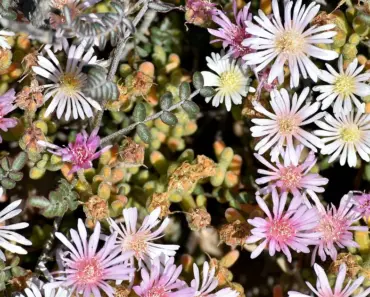
There are plants that gardeners are supposed to dislike on principle. The thugs. The spreaders. The self-seeders that appear in every crack of paving and somehow survive conditions that would kill off supposedly easy plants in days. And yet, despite knowing all of that, many of us can’t help falling for them. The latest addition to my personal list of problematic favorites is an invasive perennial that has, over in the UK, quietly become one of the trendiest plants around, spilling from the edges of containers at RHS Chelsea Flower Show and softening the stone walls of National Trust properties. In the US, however, this little beauty hasn’t quite cemented its cool status yet – perhaps because gardeners are still understandably wary of its mexican fleabane invasive tendencies.
Understanding Why Mexican Fleabane Earns Its Invasive Reputation
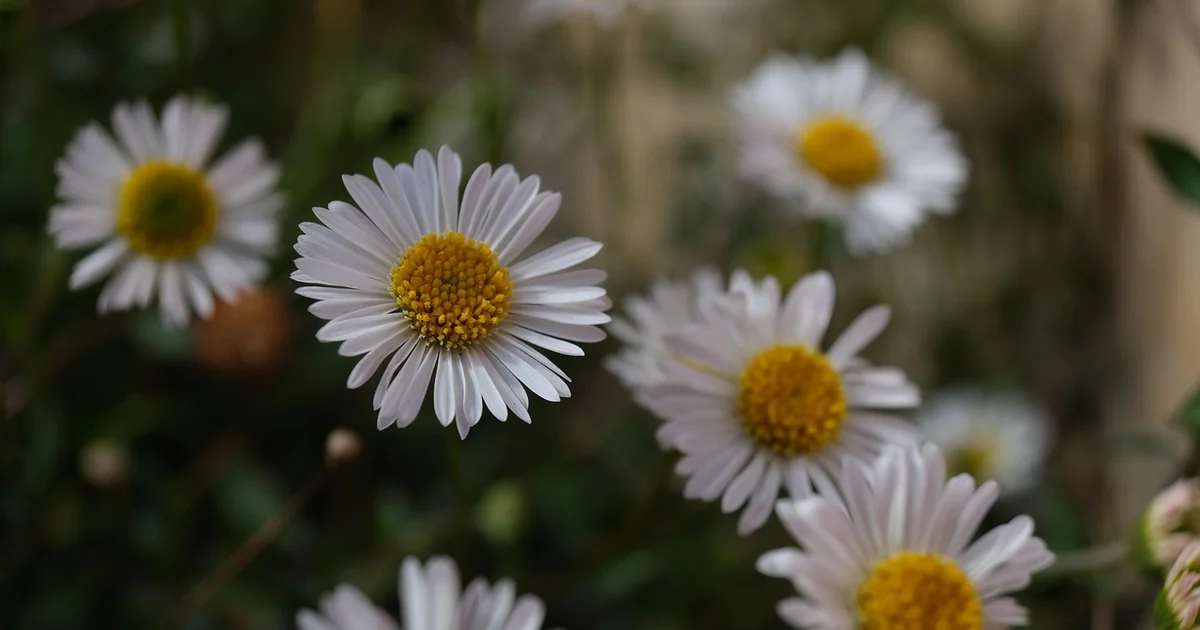
Mexican fleabane (Erigeron karvinskianus) forms dense mats of rhizomatous roots that can smother nearby plants, and it self-seeds with alarming enthusiasm. It has a habit of wedging itself into paving cracks, wall crevices, gravel paths, and disturbed soil before you even notice it has arrived. This aggressive growth pattern is why many gardeners label it a thug. The plant spreads both by underground runners and by prolific seed production, often popping up in places you didn’t plant it.
In warmer climates, particularly within USDA Zones 6 through 9, the spread can be even more pronounced. A single plant can produce hundreds of seeds over a growing season, each one capable of germinating in the tiniest crack or pocket of soil. This is why local invasive species lists often include Erigeron karvinskianus, especially in regions with mild winters and long growing seasons. In the UK, it has become a darling of garden designers who appreciate its romantic, tumbling habit, but in the US, the warnings are taken more seriously. The plant can outcompete native wildflowers and reduce biodiversity in natural areas if it escapes cultivation.
Yet, despite these very real concerns, there is a reason so many gardeners are willing to take the risk. The flowers are tiny daisies that appear for months on end, shifting from white to blush pink as they age. They attract bees, butterflies, and other pollinators in droves. And the plant itself thrives on neglect, making it ideal for low-maintenance gardening. The key, as many experienced gardeners have discovered, is to enjoy its beauty while containing its worst habits.
The Emotional Conflict: Loving a Plant That Misbehaves
I can’t deny that the warnings about mexican fleabane invasive tendencies are more than fair. My stepfather actively encourages this behavior, stuffing tiny plants into cracks in his old walls and letting them tumble out naturally, creating the kind of romantic cottage garden display people spend years trying to recreate. It’s difficult to stay mad at a plant that pretty, and that is why my husband – who is a professional gardener – took things one step further and planted Mexican fleabane in a large container outside our front window, mixing it with lavender and salvia for a soft Mediterranean-style display.
Honestly? It might be the easiest container combination we’ve ever grown. The lavender occasionally needs replacing, especially after a wet winter. The salvia gets cut back every so often. But the Mexican fleabane simply keeps going, tumbling over the edges of the pot in a haze of flowers that the local bees and butterflies can’t seem to get enough of. It’s the sort of planting that almost seems to manage itself, and that, I think, is why this plant works so well in containers. After all, every container garden needs one plant that thrives on neglect.
Growing aggressive plants in pots allows you to enjoy their best qualities while keeping their worst habits under control. Instead of letting Mexican fleabane spread freely through borders or naturalized areas, the roots stay contained, and unwanted seedlings are far easier to spot and remove. This approach transforms a problematic invasive into a manageable, beautiful addition to your patio or balcony.
Why Containers Are the Perfect Solution for Mexican Fleabane
Containers act as physical barriers that prevent the rhizomatous roots from spreading into surrounding soil. They also limit the seed dispersal area, because any seeds that fall remain within the pot or nearby, rather than being carried by wind or water across the garden. This containment strategy is especially important for gardeners who live in regions where mexican fleabane invasive behavior is a known issue.
In a pot, you can also control the growing conditions more precisely. Mexican fleabane loves full sun and well-draining soil. In a container, you can provide a specialized mix that ensures good drainage, preventing root rot while encouraging healthy growth. You can also position the pot in a spot that gets maximum sunlight, which will promote abundant flowering. And because the plant is contained, you can easily move it to a sheltered location during harsh weather, extending its life in colder climates.
Another advantage is that container-grown Mexican fleabane is less likely to become a nuisance for neighbors. Invasive plants that escape into adjacent gardens can cause friction. By keeping it in a pot, you are being a responsible gardener, enjoying the plant’s beauty without imposing its aggressive nature on others. This is particularly relevant for urban gardeners with small spaces, where every square foot matters and invasive spread can quickly become a problem.
Practical Steps for Growing Mexican Fleabane in Containers
Choose a large pot, at least 12 to 16 inches in diameter, to give the roots room to grow. Use a high-quality potting mix that drains well; adding perlite or coarse sand can improve drainage. Plant the Mexican fleabane in the center, and consider companion plants like lavender, salvia, or other Mediterranean herbs that share similar sun and water requirements.
Water regularly during the first few weeks until the plant is established. After that, it becomes quite drought-tolerant. Allow the soil to dry out between waterings to prevent root rot. Deadhead spent flowers to encourage continuous blooming, though the plant will still flower even if you don’t. In colder zones, move the pot to a protected area or wrap it with insulating material during winter. In zones 6 and 7, the plant may die back to the ground and regrow in spring; in zones 8 and 9, it may remain evergreen.
How to Grow Mexican Fleabane in Pots: A Step-by-Step Guide
If you are ready to try this beautiful but controversial plant in a container, follow these detailed steps to ensure success while minimizing risk.
Selecting the Right Container
Choose a pot with drainage holes. Terracotta or ceramic pots work well because they allow the soil to breathe and dry out more quickly than plastic. The size matters: a container that is too small will restrict root growth and cause the plant to become pot-bound. A 14-inch pot is a good starting point. If you want a dramatic cascading effect, use a larger urn or a hanging basket.
Soil and Planting
Fill the pot with a well-draining potting mix. You can create your own by mixing one part garden soil, one part compost, and one part perlite or coarse sand. Plant the Mexican fleabane at the same depth it was in its nursery pot. Water thoroughly after planting. If you are adding companions like lavender or salvia, space them about 6 to 8 inches apart to allow air circulation.
You may also enjoy reading: 7 Pro Tips to Grow Sweet Potato Slips.
Watering and Feeding
Water deeply but infrequently. Allow the top inch of soil to dry out before watering again. Overwatering is the most common mistake with this plant. Fertilize once a month during the growing season with a balanced, water-soluble fertilizer diluted to half strength. Too much nitrogen will produce lush foliage at the expense of flowers.
Pruning and Maintenance
Mexican fleabane benefits from occasional trimming to keep it compact and encourage new growth. After the main flowering flush, cut back the stems by about one-third. This will promote a second wave of blooms. In late autumn, cut the plant back to about 4 inches above the soil level. This prevents it from becoming too woody and helps it survive winter.
Overwintering
In USDA Zones 6 and 7, the plant may behave as a perennial if protected. Move the pot to a sheltered spot, such as against a south-facing wall, or wrap the pot with bubble wrap or hessian. In colder areas, you can treat it as an annual and replace it each spring, or bring the pot indoors to a cool indoors (around 40-50°F) for the winter. In Zones 8 and 9, it will likely remain evergreen and continue blooming through mild winters.
Regional Considerations: Is Mexican Fleabane Invasive in Your Area?
Before planting, it’s essential to check local guidelines. In some US states, mexican fleabane invasive status is officially recognized, and its sale or cultivation may be restricted. For example, it is listed as an invasive species in parts of California and Hawaii, where warm climates allow it to spread aggressively. In the UK, it is not officially listed as invasive but is known to naturalize in urban and coastal areas.
Even if it is not banned in your region, consider the proximity to natural areas. If you live near a nature reserve, national park, or wildland, it’s best to avoid planting it altogether, even in a container, because seeds can still escape. For suburban gardens with paved patios and limited soil exposure, the risk is lower. Always deadhead before seeds mature to reduce the chance of escape.
Another factor is your local climate. In cooler, wetter regions, the plant may be less aggressive because it prefers dry conditions. In areas with heavy rainfall, the seeds may rot before germinating. Conversely, in arid regions with occasional irrigation, it can become a persistent weed in gravel and rock gardens.
Alternative Invasive Beauties That Thrive in Containers
If Mexican fleabane is too risky for your area, or if you simply want to diversify your container garden, there are other thuggish plants that behave better when confined. Mint, for instance, is notorious for taking over garden beds, but in a pot it provides endless leaves for tea and cocktails without the takeover. Bamboo, especially running types, can be contained in large pots or buried barriers. Creeping Jenny (Lysimachia nummularia) is another vigorous spreader that makes a beautiful trailing accent in hanging baskets.
Even common perennials like bee balm (Monarda) and yarrow (Achillea) can become aggressive in the ground but are perfectly manageable in containers. The principle is the same: enjoy the plant’s vigor and resilience while using the pot as a boundary. This approach allows you to experiment with plants you might otherwise avoid.
For those who already love Mexican fleabane but want to minimize risk, combining it with other container-friendly plants like creeping thyme or sedum creates a low-water, pollinator-friendly display that is both beautiful and responsible.
Contained in a pot, this plant earns its place. It is difficult to stay mad at something that blooms for months, attracts beneficial insects, and requires almost no care. Sometimes a plant (much like a person) can be both troublesome and wonderful. The trick is to find the right container for it.