Every gardener knows the struggle of hauling a clanking bucket of tools to the beds, only to realize the trowel is dull and the pruners are back on the bench. I have walked that walk for years, dragging a collection of gadgets that each served one narrow purpose. Then I found a single implement that cut my load by five items and changed how I work the soil. It is not a gimmick. It is a Japanese-inspired blade that has earned a permanent spot in my hand every time I step outside.
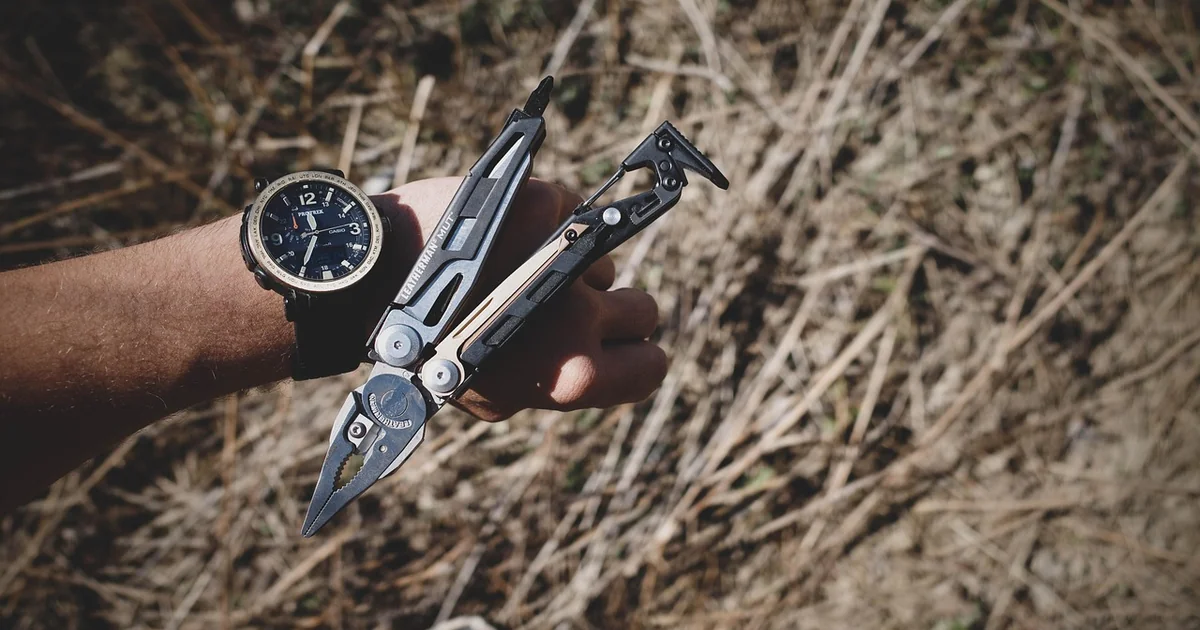
That implement is the soil knife multi tool, a design that has quietly become the most versatile piece of gear in my shed. With one blade you can dig, slice, measure, pry, and cut. Below I break down exactly which five tools it replaces and why you might never grab the old standbys again.
What Makes a Soil Knife Multi Tool So Valuable
The soil knife multi tool traces its roots tokyo has deeper roots than most of us realize. Gardeners in Japan have used a version called the hori hori knife for centuries. The term “hori hori” translates roughly to “dig dig,” which captures its original purpose. Over time the design evolved into a stainless steel blade with a pointed tip, a serrated edge on one side, and a smooth edge on the other. Many modern versions include a ruler etched into the metal and a notch near the handle for cutting twine.
My own knife, the Deluxe Stainless Steel Soil Knife by A.M. Leonard, came to me at a gardening event in 2016. I have used it nearly every day since. The blade is thin enough to slide into compacted soil but thick enough to pry out stubborn roots. Stainless steel construction means it resists rust even when I forget to wipe it down. A comfortable handle with a modest grip keeps my hand from cramping during long afternoons of planting.
What you want in a soil knife multi tool is a blade that is not too thick. I own another knife with a heavier blade, and the serrated edge on that one struggles to cut through root balls. The sweet spot is a blade around 2 to 3 millimeters thick, with a heat-treated edge that holds sharpness over many seasons. Look for a model that offers both a ruler and a twine notch if you plan to use it for seed planting and staking.
The 5 Garden Tools a Soil Knife Replaces
When I realized I could leave five separate tools in the garage and carry only one blade, my gardening routine changed completely. Here are the exact tools a soil knife multi tool can replace.
1. Replaces Your Trowel
A trowel is the first tool most gardeners reach for when digging a hole for a seedling or a perennial. The soil knife does the same job with more precision. You plunge the pointed tip into the soil, rock it back and forth to loosen the earth, and scoop out the dirt with the broad face of the blade. Because the knife is narrower than a standard trowel, you can work in tight spaces between established plants without disturbing their roots.
I use mine for everything from transplanting small perennials into garden beds to setting vegetable starts into raised beds. When I need to backfill a hole, the flat side of the blade pushes soil neatly into place. It replaces the trowel completely because it digs, moves dirt, and fills holes without requiring a second tool. The blade even lets me feel the texture of the soil as I work, something a bulky trowel never provides.
2. Replaces Your Hand Weeder
Weeds that have established deep taproots or dense clusters of fibrous roots resist even a firm pull. A dedicated hand weeder usually has a forked tip or a narrow blade designed to lever the driven under the weed. The soil knife does this better. The pointed end slides beneath the weed’s crown, and the serrated edge helps sever lateral roots as you pry upward.
I have dug out dandelions, creeping Charlie, and even young bindweed with this method. The trick is to insert the knife at a shallow angle, about 30 degrees, and work it under the root mass. A gentle upward lever action lifts the entire plant, roots and all. Because the blade is sturdy, it does not snap or bend when you encounter tough soil. I no longer keep a separate weeder in my kit. The soil knife multi tool handles every weed I have met.
3. Replaces Your Pruning Shears or Scissors
Gardeners reach for pruners or scissors dozens of times each session: cutting twine for staking, slicing open bags of soil, trimming spent flower stems, and snipping small branches. The soil knife multi tool includes a twine-cutting notch near the handle that severs string in one motion. The smooth edge of the blade also slices through stems up to about half an inch thick.
I use the notch constantly when I stake tomatoes or train peas. Instead of walking back to the bench for scissors, I hook the twine into the notch and give a quick pull. The serrated edge handles tougher material. When I need to harvest branches for floral arrangements or when I need to cut back woody lavender stems, the saw-like teeth bite through without crushing the plant tissue. A single blade replaces both pruners and scissors for light to medium cutting tasks.
4. Replaces Your Ruler or Measuring Tape
Most gardeners guess at planting depths and spacing, and most guesses lead to uneven germination or bulbs planted too shallow. A soil knife multi tool with an imprinted ruler solves this problem without adding a separate tool to your pocket. The blade typically has markings in inches or centimeters along one edge.
When I plant garlic in autumn, I use the ruler to measure a 3-inch depth. When I sow carrot seeds in a furrow, I check the blade to confirm the trench is half an inch deep. The ruler also helps me space plants correctly: I lay the knife flat between seedlings and read the distance. This eliminates the need for a separate measuring tape or a dedicated garden ruler. It is one less item to lose in the soil or leave on the bench.
5. Replaces Your Potting Knife or Container Tool
End-of-season container gardening presents a specific challenge: root-bound plants that refuse to slide out of their pots. A standard trowel is useless here. A dedicated potting knife works, but it lacks the other functions of a soil knife. The serrated edge on a soil knife multi tool solves the problem elegantly.
I insert the blade between the pot wall and the root mass, then saw back and forth. The serrated teeth cut through circling roots like a bread knife through a crusty loaf. Within seconds the plant releases its grip on the container. I have used this method on pots as small as 4 inches and as large as 18 inches. The same serrated edge also trims sod, slices through landscape fabric, and cuts the roots of mats of sedum or creeping thyme when I need to divide them.
You may also enjoy reading: 5 Steps to Install Drip Irrigation System.
Real World Scenarios Where the Soil Knife Shines
The five replacements above cover the everyday tasks. But a soil knife multi tool excels beyond those categories in ways that surprise even experienced gardeners.
Digging Tough Vegetables
Squash, pumpkins, and root vegetables often hold on to the soil with surprising tenacity. A gentle pull may snap the stem, leaving the vegetable half buried. The soil knife slides under the fruit or root, loosening the grip of the earth without damaging the produce. I use the serrated edge to cut the thick stems of butternut squash at harvest time. The knife makes the job cleaner and faster than twisting or yanking.
.
Dealing With Hard Packed Soil
Clay soil and compacted garden paths resist even a strong trowel. The pointed tip of a soil knife concentrates force into a small area, allowing you to break the crust and create a planting hole. I work the tip in a circular motion to widen the opening. The blade then pries out clods of compacted dirt. This technique works especially well for planting bulbs in heavy clay where a bulb planter would simply stick or clog.
Cutting Sod and Ground Cover Mats
When I planted a sedum lawn for a landscaping project, I needed to trim large mats of plants into smaller pieces. The serrated edge of my soil knife sliced through the mat of roots, soil, and plant material as easily as cutting a cake. This saved me from fetching a saw or a dedicated sod cutter. The same method works for dividing clumps of ornamental grasses or cutting back spreading ground covers.
Sowing Seeds in Furrows
Direct sowing of seeds like carrots, beans, and peas requires a shallow trench. The tip of the soil knife drags through the soil to create a furrow of consistent depth. I use the ruler on the blade to check the depth every few inches. Once the seeds are in place, the flat side of the blade backfills the furrow in one smooth motion. No separate furrow tool or dibber is needed.
Planting Bulbs and Garlic With Precision
Garlic cloves and tulip bulbs require specific depths for best growth. The soil knife multi tool allows me to dig the hole, measure the depth, and backfill all with one implement. I dig the hole to the depth marked depth, drop in the clove or bulb, and use the blade to push soil back over it. The whole process takes seconds per hole, and I never second guess whether the depth is correct.
Why One Tool Beats a Collection
Reducing the number of tools you carry does more than lighten your load. It simplifies your workflow. When you reach for a single implement instead of scanning a bench for the right tool, you stay in the rhythm of the work. You spend less time walking back and forth and more time with your hands in the soil.
A soil knife multi tool also saves space in a crowded shed or a small garden cart. Instead of storing a trowel, a hand weeder, pruners, a measuring tape, and a potting knife, you store one blade. The cost savings add up too. A quality soil knife costs roughly the same as two of the tools it replaces, and it lasts for years.
The blade has become my default tool for everything from weeding to harvesting. I still own a trowel and a pair of pruners, but they gather dust most of the year. When I step outside, the knife comes with me. That single decision has streamlined my gardening routine and made every task feel lighter.