Every gardener knows the sinking feeling of walking out to find leaves laced with tiny holes or stems covered in sticky residue. The instinct is to reach for a spray bottle, but what if you could prevent the damage before it starts without introducing any chemicals into your backyard ecosystem?
Rethinking Your Garden’s First Line of Defense
When we talk about natural garden pest control, we refer specifically to non-chemical approaches. Even organic sprays, despite being derived from natural sources, are still chemical compounds. You can cultivate a productive garden without relying on them at all. By shifting your mindset, you reserve sprays as a last resort and prioritize other strategies first. Many gardeners find they use sprays far less frequently once they adopt these foundational practices.
The culture of your garden serves as your primary defense. How you manage weeds, what plant varieties you select, and the timing of your planting all influence how resilient your garden becomes. When pests inevitably arrive, mechanical controls step in as your second line of defense. Barriers, strong streams of water, and proper sanitation all help keep pest populations manageable. These mechanical and cultural strategies directly support biological controls, which are the beneficial insects that eliminate pests for you. By focusing on these areas, you avoid broad-spectrum chemicals that can kill pollinators and make pest problems worse over time.
Grow Flowers That Recruit an Army of Beneficial Insects
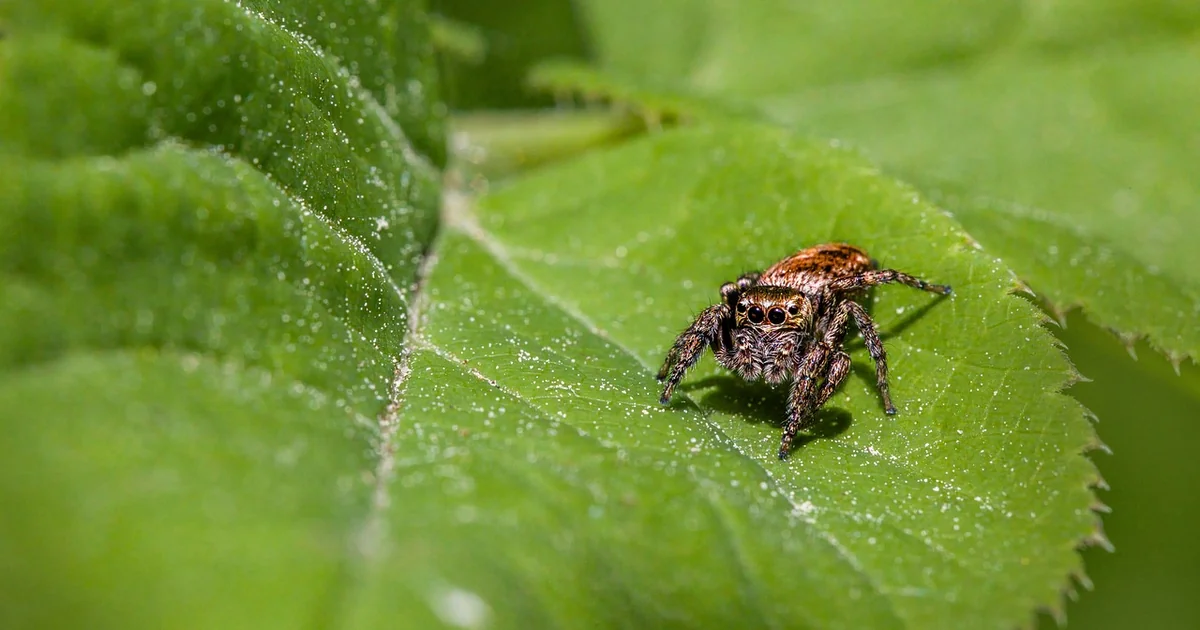
Native flowering plants are the unsung heroes of natural garden pest control. They support predatory insects that feed on common garden pests. To bring these helpful creatures into your space, you need flowering plants that provide nectar and pollen. The most effective choices are native to your region. They attract local hoverflies, parasitic wasps, beetles, spiders, and numerous solitary bee species. You do not have to plant exclusively natives, but you will see the greatest benefit from doing so.
Here are a few plants that work exceptionally well for recruiting beneficial predators. Note that even more beneficial species are attracted to these plants than what is listed here.
Yarrow (Achillea millefolium)
This hardy perennial attracts lacewings, hoverflies, ladybugs, pirate bugs, and parasitic wasps. Its flat-topped flower clusters provide easy landing pads for small insects. Plant yarrow in full sun and well-drained soil. It tolerates drought once established, making it a low-maintenance addition to any garden border.
Dill (Anethum graveolens)
Dill brings in tachinid flies, hoverflies, ladybugs, pirate bugs, and parasitic wasps. Allow some of your dill plants to flower instead of harvesting all the leaves. The yellow umbels are highly attractive to beneficial insects. Dill self-seeds readily, so you may find new volunteers popping up each season.
Blanketflower (Gaillardia spp.)
Blanketflower attracts hoverflies and predatory wasps. Its daisy-like blooms come in warm shades of red, orange, and yellow. This plant thrives in poor soil and full sun, making it an excellent choice for hot, dry spots where other flowers struggle.
Coreopsis (Coreopsis spp.)
Coreopsis draws in ladybugs, hoverflies, and predatory beetles. Its bright yellow or pink flowers bloom profusely from early summer through fall. Deadheading spent blooms encourages continuous flowering, which keeps beneficial insects visiting your garden longer.
Milkweed (Asclepias spp.)
Milkweed attracts ladybugs, hoverflies, parasitic wasps, and pirate bugs. It is also the only host plant for monarch butterfly caterpillars. Plant milkweed in a sunny location with average soil. Be aware that some species spread aggressively through underground rhizomes, so choose a variety suited to your space.
Use Barriers to Block Pests Without Chemicals
Lightweight covers block early-season pests while allowing light and rain to reach your plants. Early in the spring, prolific pests like flea beetles, cutworms, and armyworms can devastate a young garden. In these early moments when plants are just getting established, these common pests are waking up hungry. Instead of spraying them, block their access with physical barriers.
A small cage made with a UV-penetrating cover is an excellent form of natural garden pest control. Your spring plants still receive the sunlight and rainwater they need to thrive, but external pest access is blocked. For larger areas, seek out row covers, which come in long sheets or in small modular covers you can place over raised beds. These covers are lightweight enough that plants can push them up as they grow, or you can support them with wire hoops.
One critical tip is to remove the covers when your plants begin flowering. Many vegetables and fruits require pollination, and row covers block bees and other pollinators from reaching the blooms. Time your cover removal carefully so pests are less active but pollinators can still do their work.
Employ Trap Crops to Sacrifice for the Greater Good
Plant a sacrificial crop nearby to draw pests away from what you want to protect. There is a lot of confusion about trap crops, but when employed appropriately, they work amazingly as a natural garden pest control method. In vegetable gardens, it is almost essential to have a few trap crops to keep aphids, mites, and caterpillars at bay. Many experienced gardeners find that without trap crops, pests proliferate more and more each year.
There are stipulations to trap cropping effectively. Plant your trap crop a few weeks before your more sensitive crop. Then plant the one you want to protect three to eight feet away. As the pest numbers increase on the trap, remove it and throw it away, keeping it out of the compost pile. Composting infested plant material can spread pests back into your garden. This method is most common in vegetable gardens, but it can work in ornamental gardens too if you want to experiment.
You may also enjoy reading: 7 Ways to Grow & Care for Watermelon Peperomia.
Some effective trap crops include nasturtiums for aphids, mustard greens for flea beetles, and sunflowers for stink bugs. Use trap crops in combination with other techniques on this list for the best results. The key is monitoring the trap plants closely and removing them before the pest population spills over into your main crop.
Mulch Your Garden to Suppress Pests and Diseases
Organic mulches are effective at limiting thrips and leafminers. They also keep soft-bodied pests like slugs and snails from reaching your plants. Mulch reduces water splash, which spreads soilborne diseases to leaves. By creating a physical barrier between the soil and your plants, you interrupt the life cycle of many common pathogens.
One of the best changes a gardener can make is applying a two to three inch layer of organic mulch around plants. Materials like shredded leaves, straw, or wood chips work well. Avoid using fresh grass clippings, as they can mat down and create a habitat for pests rather than deterring them. Let the mulch age slightly before applying it.
Mulch also helps regulate soil temperature and retains moisture, reducing the stress on your plants. Stressed plants are more susceptible to pest attacks. By keeping your plants healthy and hydrated, you make them less attractive to pests in the first place. This indirect benefit of mulching is often overlooked but is crucial for long-term garden health.
Keep Sensitive Plants Where You See Them Daily
Conveniently located plants make it easier to catch pest problems early. When you place your most vulnerable crops near a path, by the back door, or right outside the kitchen window, you check on them more frequently. This daily observation is one of the simplest yet most effective forms of natural garden pest control.
Early detection means you can remove a few aphids by hand, pick off hornworms, or wash away spider mites before they become an infestation. A strong stream of water from a hose knocks many soft-bodied pests off plants. Once they fall to the ground, they often cannot climb back up. This mechanical control requires no chemicals and no specialized equipment, just a watchful eye and a few minutes each day.
If you have a large garden, consider dedicating a small raised bed near your house for the most pest-prone crops. Plants like tomatoes, peppers, and brassicas benefit from this close attention. You will spot discoloration, stippling, or chewed leaves immediately, giving you time to intervene while the problem is still small.
Combine These Strategies for a Resilient Garden
No single method provides complete protection. The true power of natural garden pest control lies in combining multiple strategies. Plant native flowers to attract beneficial insects. Use row covers to protect young transplants. Install trap crops to lure pests away. Mulch heavily to suppress diseases and soft-bodied pests. And keep your most sensitive plants where you can inspect them daily.
When you layer these techniques, you create a garden ecosystem that is inherently resistant to major pest outbreaks. The beneficial insects you attract will keep aphid populations in check. The barriers will prevent flea beetles from shredding your eggplant leaves. The trap crops will draw cabbage worms away from your broccoli. And your daily inspections will catch any issues before they spiral out of control.
This approach takes more planning upfront than simply spraying a pesticide. But the long-term payoff is enormous. Healthier soil, more pollinators, fewer pest problems, and a garden that thrives without chemical intervention. Your garden becomes a self-regulating system where balance is the norm, not the exception.