There is a specific kind of garden heartbreak that happens in late spring. You watch your peony buds swell for weeks, anticipating those massive, fragrant blooms. Then a single rainstorm hits, and your prize flowers are face-down in the mud. The stems simply can’t support the weight of the water. If this sounds familiar, you don’t just need a stake—you need a statement. That’s where the concept of peony support chairs comes in. These repurposed seats offer a sturdy, stylish, and surprisingly simple solution to the floppy peony problem.
Why Peonies Flop (and Why a Chair is the Perfect Fix)
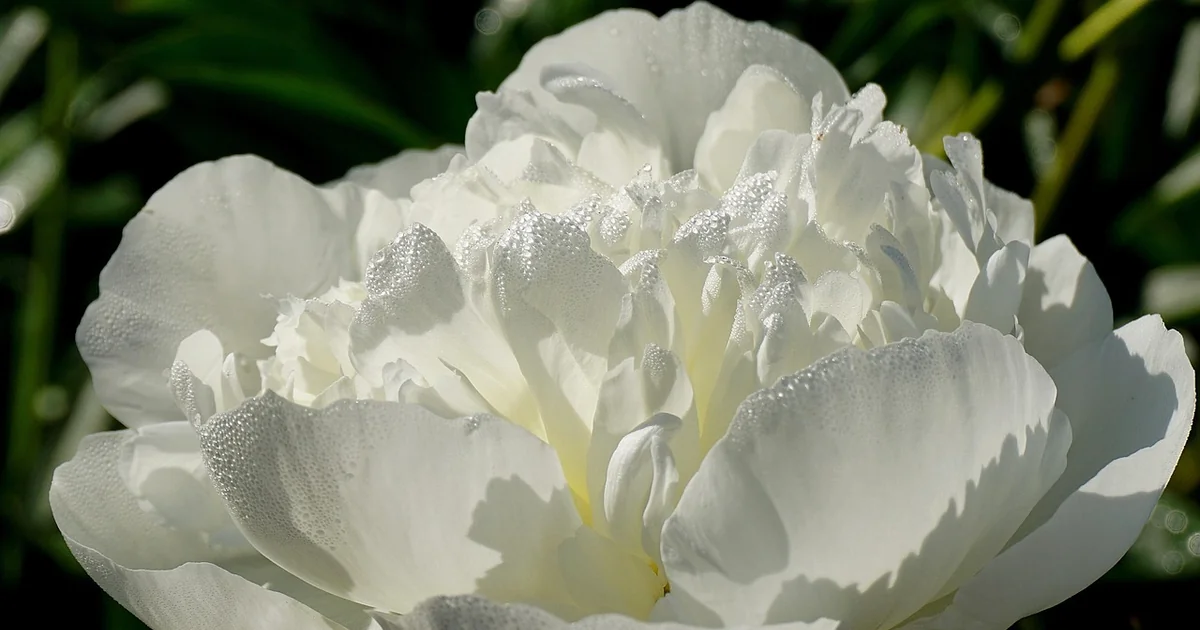
Peonies are top-heavy by nature. A single bloom can reach 10 inches across, and after a heavy rain, that bloom can absorb enough water to double its weight. In regions like the Pacific Northwest, where annual rainfall exceeds 40 inches, this is a yearly struggle. Traditional wire cages work, but they can be an eyesore.
An upcycled chair, however, provides a full 360-degree support ring. The peony grows up through the open center, and the chair legs and backrest catch the heavy blooms before they can spill onto the ground. It turns a necessary gardening chore into a piece of garden art. These peony support chairs do double duty: they provide structural integrity for your plants while adding a whimsical, vintage aesthetic to your garden beds.
Hack 1: The Classic Wooden Kitchen Chair
This is the most popular and accessible hack for creating peony support chairs. Solid wood chairs are abundant at thrift stores, estate sales, and flea markets. You can often find them for under ten dollars. The key is to look for a chair with a removable seat and sturdy joints.
Sourcing and Preparation
Avoid chairs with significant rot or insect damage. A little bit of wear adds character, but structural integrity is non-negotiable. Run your hands over the wood to check for splinters. The ideal candidate has four straight legs and a flat seat panel.
Removing the Seat
Flip the chair upside down. The seat is usually attached with four screws driven through the rails into the seat board. Remove these screws with a drill or screwdriver. If the seat is upholstered, peel back the fabric and padding to expose the wooden base before unscrewing it. You want a clean, open frame for the peony to grow through.
Reinforcement and Weatherproofing
Wood joints loosen over time, especially when exposed to outdoor moisture. Before painting, reinforce every joint with a high-quality wood glue. Apply the glue, then use a ratchet strap to clamp the chair frame tightly. Let the glue cure for a full 24 hours. This creates a bond that is often stronger than the original wood.
Once the glue is dry, sand the entire chair to remove old varnish or paint. Focus on smoothing any rough edges that might damage peony stems. Clean off the dust with a damp cloth. Apply an outdoor latex paint with a built-in primer. This single step protects the wood from moisture and UV rays for years. A coat of outdoor latex paint will keep your peony support chairs looking fresh through many seasons.
Garden Placement
Place the chair over your peony clump in early spring, just as the red shoots emerge from the soil. The plant will grow up through the center of the chair, hiding the legs and frame as it matures. By the time the blooms appear, the chair will look like a natural part of the garden.
Hack 2: The Wicker or Rattan Armchair
For gardeners who want a softer, more romantic look, wicker is an excellent choice. The texture of woven wicker complements the lush, ruffled petals of peonies beautifully. These chairs are often wider, making them ideal for large, established peony bushes.
Adapting the Chair
Many wicker chairs already have a flexible, open center. If the woven seat is intact, you will need to cut it out. Use a sharp utility knife or sturdy shears to cut the wicker strands close to the outer frame. Be careful to preserve the frame itself. You want the peony to have plenty of room to push through.
Sealing for Longevity
Natural wicker is susceptible to moisture and mildew. Before placing it in the garden, clean the chair with a mild soap and water solution. Let it dry completely in the sun. Once dry, apply a clear outdoor sealant or a coat of outdoor latex paint designed for wicker. This will prevent the fibers from absorbing water and warping over time. A sealed wicker chair makes for one of the most charming peony support chairs you can create.
Placement Considerations
Wicker chairs are lightweight. Once placed over your peonies, you may want to weigh down the legs with a small stone or a tent stake driven through the existing holes in the frame. This prevents the chair from tipping over in strong winds before the peony foliage fills in.
Hack 3: The Whimsical Metal Chair Transformation
Metal chairs are incredibly durable and can withstand years of rain and sun without rotting. They also hold bold colors exceptionally well, allowing you to add a pop of turquoise, yellow, or coral to your garden. Retro diner chairs or simple folding metal chairs make great candidates for this project.
You may also enjoy reading: 7 Layouts for a Thriving Companion Garden.
Cutting the Center
Metal chairs usually have a solid or mesh seat. You will need an angle grinder with a metal cutting blade to remove this section. This is a more advanced DIY step, but the result is a very sturdy support that will last a lifetime.
Mark the area you need to cut. A square roughly 12 by 12 inches is usually sufficient. Wear safety glasses and gloves. Cut along your marked lines. File down any sharp edges with a metal file so they don’t damage the peony stems.
Rust Prevention
Rust is the enemy of metal garden furniture. Sand down any existing rust on the frame using coarse-grit sandpaper or a wire brush. Apply a rust-inhibiting metal primer to all bare metal surfaces. Finish with a spray paint designed for outdoor metal. This will ensure your peony support chairs remain rust-free for years.
A Pop of Color
This is your chance to be playful. Bright yellow, deep navy, or even a glossy red can create a stunning focal point in the garden. As the peony grows, the vibrant color of the chair will peek through the foliage, adding an unexpected layer of visual interest.
Essential Peony Care for Upright Blooms
Even with the best peony support chairs, a little proactive care goes a long way in keeping your blooms upright.
Water at the Base
Overhead watering adds unnecessary weight to the blooms and can promote fungal diseases. Use a soaker hose or water directly at the soil level to keep the flowers dry. Deep watering at the roots encourages stronger stem growth.
Shake Off the Rain
After a storm, gently grasp each wet peony head and give it a light shake. This releases the pooled water and helps the stem straighten back up. Do this carefully to avoid snapping the stem.
Cut Your Losses
If a stem snaps despite your best efforts, bring it indoors immediately. Peonies are exceptional cut flowers. A snapped stem will not recover in the garden, but you can still enjoy the bloom in a vase for several days. Simply cut the stem at an angle and place it in fresh water.
Upcycling a chair into a peony support solves two problems at once: it keeps your flowers upright and adds a unique, personal touch to your garden. Whether you choose a classic wooden seat, a romantic wicker frame, or a brightly painted metal chair, your peonies will thank you by standing tall. The next time you see a discarded chair on the curb, look at it not as trash, but as the future centerpiece of your flower bed.