Basil does more than just add a punch of fresh flavor to your caprese salad—when you use companion planting basil alongside your tomato plants, it can actually bump your harvest by as much as 20 percent. That’s not just an old gardener’s tale; recent research has peeled back the layers of how this aromatic herb transforms the entire tomato patch. From priming a plant’s internal alarm system to inviting a crew of tiny winged helpers, the partnership runs deeper than anyone expected. Here’s why this one tasty plant deserves a permanent spot between every row of tomatoes you grow.
20 Surprising Ways Companion Planting Basil Supercharges Your Tomato Harvest
1. Basil Releases Compounds That Wake Up Tomato Defenses
When you grow basil close to tomatoes, the herb sends out a constant whisper of volatile organic compounds into the air. Tomato leaves pick up those signals and shift into a state of heightened readiness. Instead of waiting until a caterpillar starts chewing, the plant already has its chemical defenses partially primed. That split-second head start means a tomato surrounded by basil reacts faster and more aggressively to attack, shutting down damage before it spreads.
2. Tomato Plants Mount a Speedier Response to Fungal Threats
That same priming effect doesn’t just work on bugs. When fungal spores land on a leaf, the tomato’s cell walls toughen up quicker and produce antifungal proteins almost instantly. In a garden where basil is part of the mix, early blight and septoria leaf spot often have a harder time gaining a foothold. You end up with greener leaves longer into the season and fewer unrecoverable stems.
3. Myc orrhizal Fungi Get a Boost When Basil Is Nearby
A 2024 study uncovered something remarkable: planting basil significantly increased the symbiosis of mycorrhizal fungi in tomato roots. These beneficial fungi are like an underground root extension cord, threading through the soil and plugging into the tomato’s root system. With more fungal partners latching on, the tomato plant taps into a much larger reservoir of nutrients than its own roots could ever reach alone.
4. Stronger Root Networks Pull in Extra Phosphorus and Micronutrients
Mycorrhizal fungi are particularly good at extracting phosphorus, zinc, and copper from the soil. When companion planting basil fuels a bigger fungal network, tomato roots gain access to these hard-to-reach minerals without you having to dump extra fertilizer. The result is deeper green foliage, stockier stems, and a plant that can support a heavier fruit load without floundering mid-season.
5. Water Absorption Stays Steady Even When the Soil Dries Out
Those same fungal threads hold onto moisture like microscopic sponges and ferry it back to the tomato roots. During dry weeks when you can’t water as often, the mycorrhizal bridge helps the plant keep its fruit swelling rather than dropping blossoms. It’s a built-in insurance policy against the heat waves that seem to hit right when the first truss is setting.
6. Enhanced Drought Tolerance Means Fewer Cracked or Blossom-End-Rotted Fruit
When a tomato plant goes through repeated wet-dry swings, the fruit often cracks or develops that telltale black leathery patch on the bottom. By stabilizing water delivery, the fungal partnership fostered by companion planting basil reduces those physiological hiccups. You’ll see more flawless slicers and fewer blemishes that force you to cut away half the tomato before dinner.
7. Bees Can’t Resist a Patch of Blooming Basil
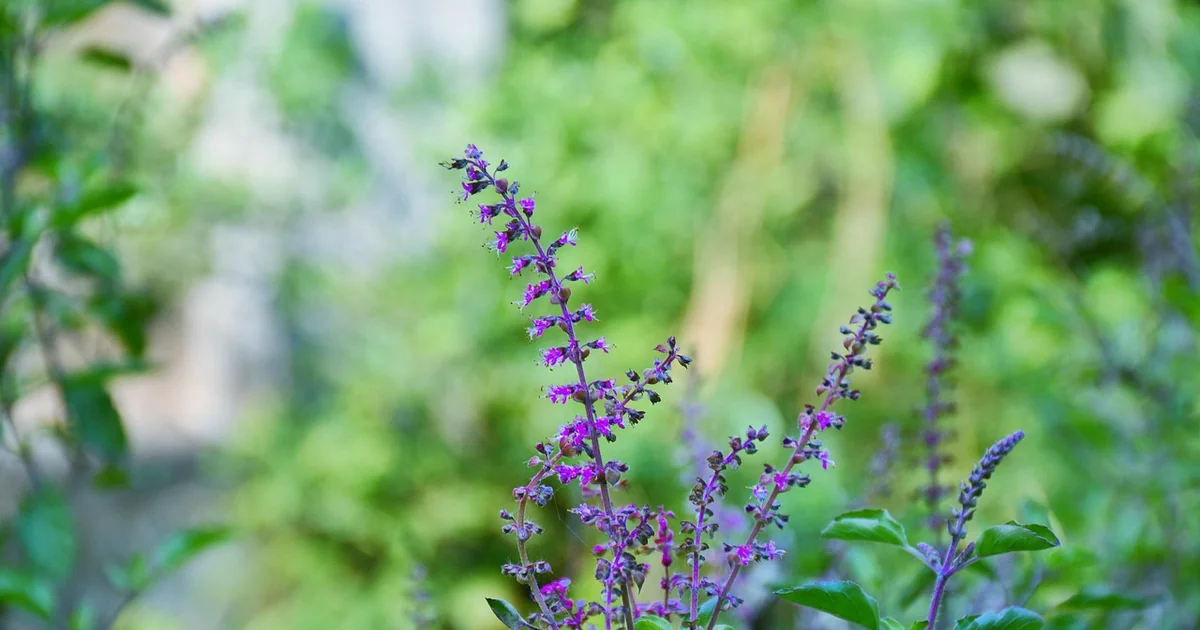
If you let a handful of basil plants send up their white or purple flower spikes, you’ll notice the buzz of native bees and honeybees hovering around the tomato bed all morning. Each visit increases the odds that every tomato flower gets thoroughly pollinated. That constant traffic means you won’t find half a cluster of marble-sized fruits while the top blossoms never matured.
8. Tomato Fruit Clusters Jump From 5.88 to 7.2 Fruits per Cluster
One study comparing tomatoes grown solo versus those interplanted with basil painted a clear picture. The plants standing alone averaged 5.88 fruits per cluster, while basil companions pushed that number to 7.2. That’s an extra fruit or two on every single truss, which adds up fast across a row of indeterminates that set clusters all summer long.
9. Even Late-Season Clusters Set Fruit When Basil Flowers Linger
Tomato growers often complain that the top half of a truss drops its blooms before pollinating. Basil’s extended flowering period keeps bees returning throughout the season, even when other nectar sources wane. By the time August heat arrives, those upper flowers still turn into harvestable tomatoes rather than aborting, stretching your harvest window and total yield.
10. Basil Blossoms Welcome Ladybugs and Lacewings to Clean Up Aphids
Let basil flower and you’ll see a brigade of beneficial insects setting up camp. Ladybugs and their alligator-like larvae, plus delicate green lacewings, feast on aphids and spider mites. Since aphids can transmit viruses and curl leaves, having a standing army of predatory bugs on patrol means far fewer deformed shoots and a lot less sticky honeydew on your fruit.
11. The Herb’s Fragrance Masks Tomato Volatiles That Attract Pests
Whiteflies and tomato hornworms find their host plants largely by sniffing out the specific scent signature of tomato leaves. When you interplant basil, its powerful aromatic oils flood the airspace and blur those chemical breadcrumbs. Hornworm moths often bypass the bed entirely, and whitefly populations stay low because the insects can’t pinpoint their target.
12. Lemon Basil Improves Tomato Flavor, According to University of Florida Research
A University of Florida study found that tomatoes grown with lemon basil were perceived as tastier by taste testers. The effect likely stems from subtle shifts in the fruit’s volatile aroma compounds, which change how our brains interpret sweetness and acidity. So companion planting basil doesn’t just boost quantity—it elevates the eating experience on the plate with no extra work.
13. Reduced Pest Stress Allows the Plant to Channel Energy Into Fruit
When a tomato is constantly fending off aphids, hornworms, or whiteflies, it diverts sugars and amino acids away from fruit production and into repair and defense chemicals. By cutting that pest load through masking scents and beneficial insect recruitment, basil lets the plant redirect resources where you want them—into juicy, properly ripened tomatoes that size up fully.
14. Shallow Basil Roots Never Steal Lunch From Deep-Diving Tomato Roots
Basil plants keep their roots in the upper few inches of soil, sipping moisture and nutrients from the top layer. Tomatoes, meanwhile, send a taproot down deep and spread lateral roots farther below. That vertical separation eliminates direct competition, so the two plants share the same square footage without either one being starved. It’s a textbook example of efficient intercropping.
You may also enjoy reading: 7 ABCs of Hydrangea Propagation.
15. Both Plants Demand the Same Sunlight and Water Routine
Companion planting basil works so smoothly because it shares a nearly identical set of growing preferences with tomatoes—eight hours of full sun, consistent moisture, and well-drained soil that warms quickly. You won’t need separate irrigation lines or fussy shade adjustments. One watering schedule, one mulch choice, one fertilizing rhythm suits both crops perfectly.
16. Dense Basil Foliage Smothers Weeds Before They Sprout
When you tuck basil plants between tomato cages, their broad leaves quickly form a low carpet that shades the soil surface. Weed seeds need light to germinate, and that natural canopy blocks it. Fewer weeds means less time spent hoeing, less competition for water, and no need for black plastic or herbicide sprays around your vegetable beds.
17. The Living Mulch Effect Keeps Soil Moist and Cool
Beyond weed control, basil’s leaf canopy slows evaporation from the soil surface. On blistering afternoons, the ground under a basil-and-tomato mix stays noticeably cooler than bare soil. That buffer protects the delicate feeder roots of tomatoes from heat stress, allowing them to keep absorbing calcium and preventing the kind of uptake disruptions that trigger blossom-end rot.
18. Cut Basil Residue Adds Organic Matter Back Into the Bed
Whenever you harvest basil for the kitchen, the trimmed stems and older leaves can be dropped right onto the soil as a quick green manure. Over time, this decomposing material feeds earthworms and soil microbes, improving soil structure. Year after year, the soil becomes fluffier, better-draining, and richer, giving next season’s tomatoes an even stronger start.
19. Interplanting Attracts Parasitic Wasps That Take Out Tomato Pests
Basil’s tiny flowers are a favorite fuelling station for parasitic wasps that are too small to sting people but deadly to caterpillars and beetle larvae. Species like trichogramma wasps lay their eggs inside pest eggs, while braconid wasps paralyze hornworms. With a steady supply of nectar from basil, these miniature bodyguards stick around and keep pest populations in check naturally.
20. With Fewer Pesticides Needed, Your Harvest Stays Cleaner and Healthier
Because companion planting basil handles so much of the pest and disease deterrent work on its own, you can scale back on sprays—organic or otherwise. Fewer applications mean less residue on your food and a safer environment for pollinators, kids, and pets. The garden becomes a more balanced little ecosystem where tomatoes thrive without constant intervention, and that peace of mind is a harvest all its own.
Frequently Asked Questions
How close should I plant basil to my tomatoes for the best companion effect?
Aim to set basil transplants about 8 to 12 inches away from the base of your tomato plants. That distance puts the basil within the same root zone without crowding, allowing its volatile compounds to reach the tomato foliage and letting roots establish a beneficial fungal network. If you’re direct-sowing basil seed, thin seedlings to that same spacing once they have a few sets of true leaves. Tucking basil right at the edge of the tomato cage or between two plants in the same row works beautifully.
Which basil varieties work best with tomatoes, and does the type of basil matter?
Sweet basil and lemon basil are the two most researched and recommended varieties for companion planting basil. Lemon basil, in particular, has been linked to perceived flavor improvement in tomatoes. However, any culinary basil—Genovese, Thai, cinnamon, or purple ruffles—will still provide the pest-masking scent, pollinator attraction, and root-zone benefits. Plant a mix if you like, but keep at least a few lemon basil plants in the bed if superior flavor is your main goal.
Can companion planting basil replace all pest control measures for my tomatoes?
It reduces the need for sprays dramatically but doesn’t eliminate every threat. Basil excels at lowering aphid and hornworm pressure, masking host scent, and recruiting beneficial insects, yet in severe infestations you might still need a targeted organic treatment like Bt for hornworms or insecticidal soap for a stubborn aphid colony. Think of basil as your first line of defense—a powerful ally that cuts overall pest load so that any additional garden intervention is a rare exception rather than a weekly chore.
There’s an elegance to watching a tomato vine weave through a fragrant sea of basil. The herb gives you a steady stream of leaves for your kitchen, draws in bees that paint the air with hum, and quietly rewires the way the tomato plant responds to every challenge the season throws its way. When one plant can sharpen defenses, expand the root network, sweeten the fruit, and slash pest troubles all at once, carving out a little extra soil for it becomes one of the easiest decisions you’ll make in the vegetable patch. Give companion planting basil a try this summer, and let your tomato harvest do the talking.