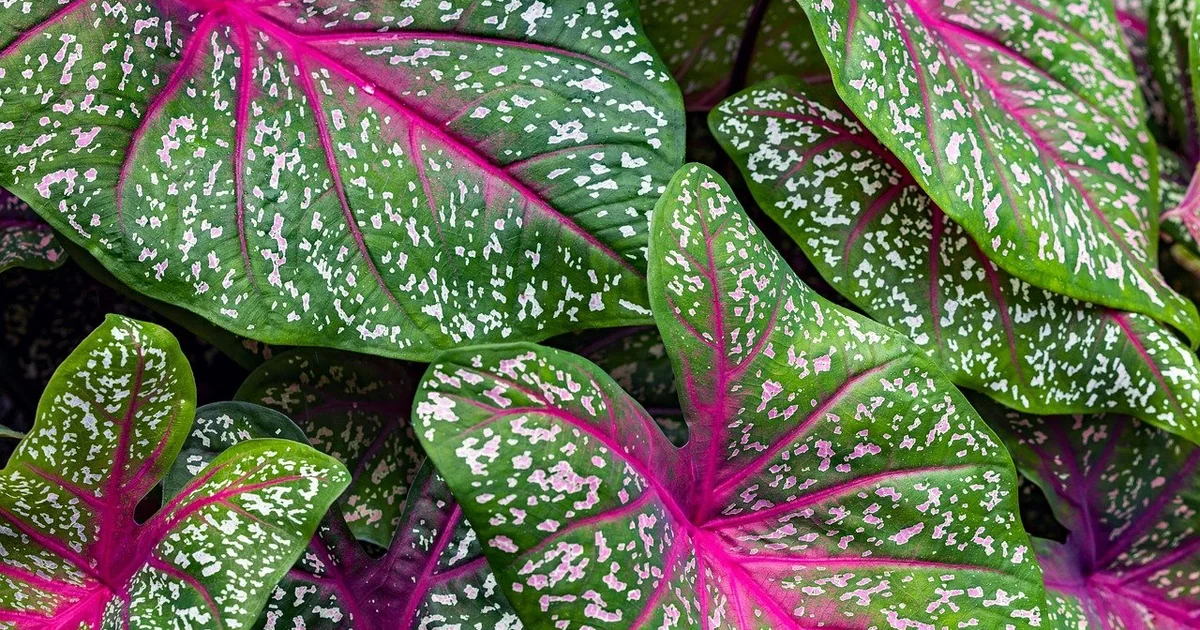
Shady corners of the garden often feel like a design puzzle. Most flowering plants demand full sun to bloom their best, leaving dim spots looking bare or relying on plain green foliage. That is where the Florida Sweetheart caladium steps in. Its vivid pink leaves bring a pop of color to low-light areas, and the foliage almost glows when light filters through the canopy.
Planting Florida Sweetheart Caladium Tubers
Getting the planting process right sets the stage for a successful season. Timing, depth, and spacing all matter more than most beginners realize.
When to Plant
Spring is the ideal window for planting caladium tubers. Wait until the soil has warmed up and all danger of frost has passed. Soil temperature should be at least 70°F (21°C) for best results. Planting into cold, damp earth often leads to rot before the tuber even has a chance to sprout.
In cooler climates, zones 8 and below, you can start tubers indoors to get a jump on the season. Plant them in small pots about four to six weeks before your last expected frost date. Keep the pots in a warm room where temperatures stay above 70°F. Move them outdoors only after nighttime temperatures remain reliably above 60°F (16°C).
How Deep and How Far Apart
Set each tuber about two inches deep. The knobby, bumpy side should face upward. Those bumps are the growing points, also called eyes, where shoots will emerge. Planting upside down delays growth significantly or causes the tuber to exhaust its energy trying to reach the surface.
For in-ground planting, space tubers roughly 12 inches apart. This gives each plant enough room to form its mound without competing for nutrients or moisture. For container planting, use one tuber per six-inch pot. Crowding multiple tubers into a small pot leads to weak, spindly growth.
Watering After Planting
Water the soil thoroughly right after planting. Keep the ground consistently moist during the waiting period. Sprouts usually appear within two to four weeks, depending on temperature and moisture levels. Do not let the soil dry out during this phase, or the tuber may abort its growth entirely.
Light Requirements for Vibrant Foliage
Light is one of the trickiest aspects of florida sweetheart caladium care. Get it right, and the leaves develop their richest pink color. Get it wrong, and you end up with scorched edges or washed-out tones.
Partial to Dappled Shade Is Best
Florida Sweetheart caladium performs best in partial shade or dappled light. A location that receives morning sun followed by afternoon shade works wonderfully. Alternatively, planting beneath a tree canopy where sunlight filters through the leaves provides the ideal balance.
The thin, delicate leaves cannot handle prolonged exposure to intense direct sunlight. Too much sun, especially during the harsh afternoon hours, causes brown, papery patches to form on the foliage. These scorch marks do not heal, and damaged leaves eventually die off. The plant may survive, but the display will look ragged.
What About Sun-Tolerant Claims
Some newer caladium cultivars are marketed as sun-tolerant. Florida Sweetheart is not one of them. While it can handle a bit of morning brightness, this variety truly shines in shadier spots. If you are growing it in a container, placing it on a covered porch or beneath a shade structure gives the best results.
One reader shared that she tried placing her potted Florida Sweetheart on a south-facing patio. Within three days, the leaf edges turned crispy and brown. Moving the pot to a spot that only received two hours of morning sun restored the plant’s health, and new leaves emerged with the characteristic pink glow.
Watering: The Most Critical Factor
Consistent moisture is the single most important element in florida sweetheart caladium care. These plants come from tropical environments where humidity and rainfall are abundant. They do not tolerate drought well.
Keep Soil Evenly Moist
The soil should feel damp to the touch at all times during the growing season. Never let it dry out completely. When the soil dries, the leaves respond quickly by yellowing, wilting, and dropping off. A plant that loses its leaves mid-season has a hard time recovering and may not produce a good display for the rest of the year.
Water deeply whenever the top inch of soil begins to feel dry. During hot summer weather, this may mean watering every day or every other day. Container-grown plants dry out faster than those in the ground, so check them more frequently.
Avoid Waterlogging
While moisture is essential, waterlogged soil is equally dangerous. Soggy conditions encourage tuber rot, especially in heavy clay soils or pots without drainage holes. The tuber is a storage organ designed to hold reserves. When it sits in standing water, bacteria and fungi attack the tissue, turning it soft and mushy.
If your garden has heavy clay, amend the soil with compost or coarse sand before planting. For containers, always use pots with drainage holes and a well-draining potting mix. A layer of mulch on the soil surface helps retain moisture without creating a swampy environment.
Soil Preferences and Amendments
Caladiums are not overly picky about soil, but they do have clear preferences. Getting the soil right reduces the amount of maintenance needed later.
Light, Well-Drained, and Rich in Organic Matter
Florida Sweetheart caladium thrives in soil that is light, loose, and rich in organic matter. Compost, aged manure, or leaf mold all work well as amendments. Organic matter improves drainage in heavy soils and helps sandy soils retain moisture.
The ideal pH range is slightly acidic to neutral, roughly 5.5 to 7.0. Most garden soils fall within this range naturally. If you suspect your soil is highly alkaline, a simple home test kit can confirm. Adding sulfur or peat moss can lower the pH if needed.
Dealing with Heavy Clay
Clay soil is the most common challenge gardeners face. It holds too much water and drains slowly, creating a perfect environment for tuber rot. If your garden has heavy clay, do not plant caladiums directly into it without amending first.
Mix in several inches of compost or well-rotted leaf mold to break up the clay structure. Alternatively, build raised beds or grow the caladiums in containers where you have complete control over the soil composition. A container mix designed for tropical plants or general potting soil blended with perlite works well.
Temperature and Humidity Needs
As tropical plants, caladiums have specific temperature requirements that northern gardeners sometimes overlook. Paying attention to these details prevents frustrating setbacks.
Ideal Temperature Range
Daytime temperatures between 70°F and 85°F (21°C to 29°C) produce the best growth. Nighttime temperatures should stay above 60°F (16°C). When temperatures drop below this threshold, growth slows dramatically. The leaves may stop expanding, and the plant enters a holding pattern.
If you live in a region with cool summer nights, consider planting caladiums in containers that you can move indoors or to a sheltered spot during cold snaps. A sudden cold spell in early autumn can cut the growing season short by weeks.
Humidity Matters
Caladiums appreciate humidity. In dry climates or air-conditioned rooms, the leaf edges may turn brown and crispy even if watering is consistent. Misting the leaves occasionally helps, but the most effective solution is to group plants together or place a tray of water with pebbles beneath the pot.
Outdoors, natural humidity is usually sufficient in most regions during summer. If you are growing Florida Sweetheart as a houseplant, running a small humidifier nearby makes a noticeable difference in leaf quality.
You may also enjoy reading: 7 Roses to Plant Now, Matching Your Perfume.
Fertilizing for Lush Growth
Caladiums are moderate feeders. They benefit from regular fertilization during the active growing season, but overdoing it can cause problems.
What to Use
A balanced, water-soluble fertilizer with an N-P-K ratio around 10-10-10 or 20-20-20 works well. Apply it at half strength every two to four weeks from spring through late summer. High-nitrogen fertilizers can produce lush green leaves at the expense of pink coloration, so avoid formulations with a heavy first number.
Slow-release granular fertilizers are also effective. Sprinkle a small amount around the base of the plant at planting time and again mid-season. Follow the package directions carefully, as too much fertilizer can burn the roots.
When to Stop
Stop fertilizing by early autumn. The plant will begin preparing for dormancy, and extra nutrients at this stage can interfere with the natural cycle. Let the foliage fade naturally as temperatures cool.
Common Problems and Practical Solutions
Even with excellent florida sweetheart caladium care, issues can arise. Knowing how to identify and address them quickly keeps your plant looking its best.
Yellowing Leaves
Yellow leaves are usually a sign of underwatering or overwatering. Check the soil moisture first. If the soil is bone dry, give the plant a deep soak. If the soil is soggy, reduce watering and improve drainage. Yellowing can also occur from too much direct sun or from cold temperatures.
Brown, Crispy Leaf Edges
This symptom points to scorch from direct sunlight, low humidity, or fertilizer burn. Move the plant to a shadier location. Increase humidity by misting or using a pebble tray. If you have been fertilizing heavily, flush the soil with clean water to remove excess salts.
Leggy or Stretched Growth
When caladiums do not receive enough light, they stretch toward the nearest source. The stems become long and weak, and the leaves space out along the stem instead of forming a dense mound. Move the plant to a brighter spot with indirect light. Morning sun is ideal.
Pests
Caladiums are relatively pest-resistant, but aphids, spider mites, and mealybugs can occasionally appear. Inspect the undersides of leaves regularly. A strong spray of water dislodges many pests. For persistent infestations, insecticidal soap or neem oil works well. Always test a small area first to ensure the treatment does not damage the delicate foliage.
Overwintering and Dormancy
Florida Sweetheart caladium is not frost-hardy. In USDA zones 9 and above, you can leave the tubers in the ground year-round. In cooler zones, you must dig them up and store them indoors for winter.
When to Dig Up Tubers
Wait until the foliage begins to yellow and die back naturally in autumn. This usually happens after the first light frost or when temperatures consistently drop below 60°F. Cut the leaves back to about two inches above the soil. Carefully dig up the tubers, trying not to damage them.
How to Store
Brush off excess soil but do not wash the tubers. Let them dry in a warm, airy place for about a week. This curing process hardens the skin and prevents rot during storage. Store the tubers in a box or paper bag filled with dry peat moss, vermiculite, or sawdust. Keep them in a dark location with temperatures between 55°F and 60°F (13°C to 16°C).
Check the tubers once a month during storage. Discard any that feel soft or show signs of mold. Healthy tubers should feel firm and dry. In spring, replant them following the same steps as for new tubers.
Design Ideas for Florida Sweetheart Caladium
Beyond the basics of florida sweetheart caladium care, this plant offers excellent design versatility. Its compact size and vivid color make it a favorite among landscape designers.
Borders and Edging
Use Florida Sweetheart along the front of shady borders. The low mound of pink foliage creates a soft edge that contrasts beautifully with green ground covers or dark-leaved shrubs like heuchera or coleus. Plant them in sweeping drifts for maximum impact.
Container Displays
Containers are where this caladium really shines. One tuber per six-inch pot produces a full, rounded plant. Group several pots together on a shaded patio or porch for a dramatic display. Combine with plants that have contrasting leaf shapes, such as ferns with feathery fronds or hostas with large, ribbed leaves.
Hanging Baskets
The mounding habit of Florida Sweetheart works well in hanging baskets. The leaves do not trail down like ivy, but the dense cluster of pink hearts creates a beautiful topiary-like sphere. Hang baskets from a shaded pergola or beneath a tree branch where the leaves catch dappled light.
Mass Plantings
For a bold statement, plant a large bed entirely with Florida Sweetheart caladiums. The uniformity of the pink foliage creates a carpet of color that is especially striking in shade gardens where flowers are scarce. Space the tubers 12 inches apart for a solid mass, or 18 inches apart for a more airy look with gaps of dark soil visible.