Imagine walking through your garden and stopping to smell the roses, only to realize those layered, perfectly ruffled blooms belong to an impatiens. That is the magic of the Rockapulco series. For families looking to fill shady corners with color, these award-winning plants offer a reliable solution. Yet, many gardeners struggle with keeping them lush. The key isn’t luck—it is understanding the specific rockapulco impatiens care requirements. Here are seven expert tips to help you succeed.

Tip 1: Understand the Plant and Where to Find It to Master Rockapulco Impatiens Care
The Rockapulco impatiens is not your grandmother’s standard bedding impatiens. It is a variety of Impatiens walleriana bred by Proven Winners in the late 2000s. The focus of that breeding project was to create a full-flowered variety that could handle warm, humid conditions better than its predecessors. The result is a plant with double, rose-like blooms in whites, reds, pinks, and shades of orange.
Because these are patented plants, you will not find seeds on the market. This is a crucial point for anyone beginning their rockapulco impatiens care journey. You must buy starter plants from a local nursery or garden center. Look for them where standard annuals are sold. They typically reach heights of ten inches to two feet, making them versatile for both hanging baskets and bed borders.
The leaves are oval, arranged alternately, with serrated edges. The root system is shallow, thin, and branching. This delicate root structure dictates almost every other care requirement, especially watering. Recognizing that you are caring for a plant with a forest-floor ancestry explains why it behaves the way it does in your garden.
Tip 2: Honor the Native Habitat with the Correct Light Levels
In their native regions of Kenya, Mozambique, Tanzania, and Zimbabwe, Impatiens walleriana grows on the forest floor. It thrives under dense tree cover where direct sunlight rarely penetrates. Replicating these dappled light conditions is non-negotiable for successful rockapulco impatiens care.
Partial to full shade is optimal. If you are growing in a hanging basket, ensure it is hung in a spot shaded from direct afternoon rays. For in-ground plants, choose areas where structures, taller plants, or trees provide consistent cover. Too much direct sun scorches the leaves and bleaches the vibrant colors. A location receiving morning sun with afternoon shade is acceptable, but deep shade where the soil stays cool will yield the best floral display.
One specific problem gardeners face is “leggy” growth. If your Rockapulco impatiens are stretching out with long stems and few leaves, they are likely reaching for more light. Conversely, if the leaves look pale or washed out and the edges turn brown, they are getting too much sun. Adjust their location accordingly.
Tip 3: Build a Soil Foundation That Drains Well and Stays Moist
The single biggest challenge in rockapulco impatiens care is balancing moisture retention with drainage. The roots need consistent moisture, but they rot quickly in soggy, compacted soil. Building the right foundation from day one solves this problem before it starts.
For containers and hanging baskets, use a high-quality potting mix. Avoid heavy garden soil, which compacts in pots. The breeder, Proven Winners, recommends amending your soil to be rich and well-draining.
Here is a quick checklist for soil preparation:
- For in-ground beds: Amend clay soils extensively. Dig in compost, leaf mold, and perlite or coarse sand. Spread the amendment at least 8 to 10 inches deep to ensure the shallow roots have an easy path.
- For sandy soils: Sandy soils drain too fast for these moisture lovers. Mix in generous amounts of peat moss or coir fiber and compost to increase the soil’s water-holding capacity.
- For raised beds: A mix of 60% high-quality topsoil, 30% compost, and 10% perlite creates a perfect fluffy structure that retains water but allows excess to drain.
Once you feel the soil texture—it should feel like a wrung-out sponge—you have the correct foundation.
Tip 4: Master the Watering Schedule to Avoid Leaf Scorch and Root Rot
Watering is where most people deviate from proper rockapulco impatiens care. The soil must be consistently moist but never waterlogged. Impatiens are notorious for wilting dramatically when dry, and Rockapulco is no different. However, brief dry periods are okay. Prolonged dryness causes the edges of the leaves to turn brown and crisp—a condition called leaf scorch.
In hot regions, in-ground plants will likely need watering daily. Container plants may need watering twice a day during a heatwave. Here is a practical solution to test moisture: stick your finger one to two inches into the soil. If it feels dry, water deeply until it runs out of the drainage holes.
An often overlooked but critical step in container rockapulco impatiens care is leaching. The plant breeder specifically recommends leaching potting soil once or twice a season. This prevents mineral salt buildup from fertilizers, which can burn the delicate roots. To leach, water the plant thoroughly, wait fifteen minutes, and then water it heavily again until water streams freely from the bottom.
If you live in a particularly hot, dry climate, consider using self-watering containers. These provide a steady reservoir of moisture that the shallow roots can access, significantly reducing the risk of drought stress.
Tip 5: Feed Strategically for Continuous, Rose-Like Blooms
The heavy blooming cycle of Rockapulco impatiens demands significant energy. To keep those double flowers coming from spring until the first frost, you must feed them consistently. Neglecting fertilization is a common reason for lackluster performance.
You may also enjoy reading: 7 Ways to Trim Dead Philodendron Leaves Safely.
Start by incorporating a slow-release granular fertilizer into the soil at planting time. This provides a steady baseline of nutrients. Then, supplement with a liquid fertilizer every two to four weeks during the growing season.
Look for a balanced fertilizer, such as a 10-10-10 or 20-20-20 mix. However, for a gardener focused exclusively on blooms, a formula higher in phosphorus (the middle number, e.g., 10-30-20) can encourage more prolific flowering. Avoid high-nitrogen fertilizers, as these will push lush green leaves at the expense of flowers. A hypothetical scenario: if your plant looks like a beautiful green bush but has zero buds, you are likely giving it too much nitrogen. Switch to a bloom booster formula for the next few feedings to correct the balance.
Tip 6: Leverage Natural Disease Resistance While Preventing Pests
One of the most compelling reasons to choose Rockapulco is its enhanced resistance to Impatiens Downy Mildew (IDM), a devastating disease caused by Plasmopara obducens that wiped out standard Impatiens walleriana in many parts of North America. While Rockapulco is not immune, it has been bred for tolerance. It survives and flowers in conditions that would decimate older varieties.
Even with this resistance, good cultural practices form a vital part of rockapulco impatiens care. Ensure good air circulation by not overcrowding your plants. Water at the soil level rather than overhead to keep the leaves dry. Wet foliage invites fungal issues.
Pests can still be a challenge. Keep an eye out for:
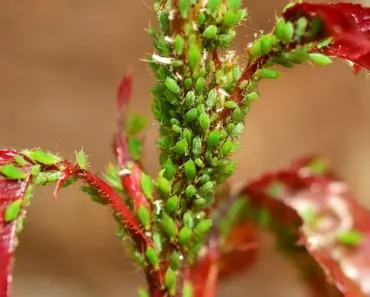
- Aphids: These sap-suckers often appear on new growth. A strong blast of water from the hose usually knocks them off. Insecticidal soap is a safe backup.
- Spider Mites: These thrive in dusty, dry conditions. Misting the foliage regularly and keeping the plant well-watered discourages them.
- Slugs and Snails: These pests love the moist, shady conditions Rockapulco prefers. Use iron phosphate bait or hand-pick them at dusk.
By keeping your plants healthy and stress-free, you make them far less appealing to pests and disease.
Tip 7: Plan for Overwintering or Embrace Seasonal Replacement
The final tip in mastering rockapulco impatiens care involves your strategy for the off-season. In the continental US and similar temperate climates, these plants are grown as annuals. They cannot survive freezing temperatures. However, in USDA hardiness zones 10 and 11, they will perennialize and bloom year-round.
If you live in a colder climate and want to keep your favorite variety, you have two options. First, you can treat it as a houseplant. Before the first frost, take cuttings or bring the entire container indoors. Place it in a bright window with indirect light and reduce watering. It will likely stop blooming but will survive the winter.
The second option is simpler: compost the plants at the end of the season and buy fresh starters next spring. Since patented varieties cannot be grown from seed, purchasing new plants each year is the most reliable way to ensure you start with healthy, vigorous stock. In mild areas, you may find that your Rockapulco impatiens bloom well into November, making the investment in new plants worthwhile.
The reward for following these seven expert tips is a container or garden bed that remains vibrant, colorful, and surprisingly full of life all summer long. By providing consistent moisture, the right shade, and strategic nutrition, you transform a shady spot into a stunning floral showcase.