“The Silent Designer: Unlocking the Power of Lighting in Your Home”
When we think about decorating a room in our homes, most of us focus on furniture, paint colors, rugs, and accessories. But lighting is one of those behind-the-scenes design choices that quietly shapes how a room feels, functions, and even how welcoming a home is to live in day after day. Over the years, I’ve come to realize that great lighting isn’t about buying the fanciest fixture or following trends. It’s about understanding how light moves through a space, where shadows fall, and how different types of light can completely change the mood of a room.
Lighting has a bigger impact on your home than most homeowners ever give it credit for. If a room in your house feels like it doesn’t look or feel better, changing up the lighting could be the easy fix. The rooms in our homes are used more intentionally than they once were. Now they serve multiple purposes throughout the day and the lighting should support these purposes.
Why You Should Care About The Right Lighting for a Room
I am a little obsessed with getting the lighting just right in every room in my home. It’s not just about aesthetics; it’s about creating a space that serves its purpose and feels welcoming to everyone who enters. The right lighting can make a room feel cozy, energetic, or even calming, depending on the type and level of light used.
The Different Types of Room Lighting
Here are a few easy ways to use the 4 different types of home lighting in every room that will create the perfect balance of Ambient (general), Accent, Task, and Mood lighting. Each of these types of lighting can effectively dramatically change the look and feel of every room in your house and making your entire home feel more inviting and look better overall.

- Ambient Lighting: Is general all-over lighting that has a shade to diffuse and soften the light. This can be an overhead light or lamps in a room.
- Task Lighting: Task lighting does just that, it assists you while doing something. A reading lamp, an under the counter kitchen light, a desk lamp that is focused on your work surface so that it clearly illuminates what you are working on.
- Accent Lighting: Is the most overlooked element in most rooms, but always the most dramatic as it draws your attention to a particular element or architectural feature. Directional ceiling lights, wall sconces, and picture lights attached above a picture frame, a can-light on the floor that accents a plant in a corner or a piece of art on a wall.
- Mood Lighting: Lighting in your home should support mood, lifestyle, and wellbeing. It is not just about seeing, but also about feeling. Mood and comfort are just as important as style. Warm spaces with layered light, cozy moments with dimmers, and flexible lighting zones that shift when you want the mood to be different in a room going from lots of light to work to game night where an over a table light adds needed light to see the board to date night or a movie watching binge in the evening when low lights create help create a relaxing mood.
Trying Out Two Different Lamps in My Living Room
Lamps are definitely a great decorating accessory that add your style and personality to a room, but the function of a lamp, the light bulb wattage, shade (opaque or transparent), height, and placement all play a key role in enhancing the beauty and comfort of your home, creating a mood, and helping you perform tasks easier. Think function before form when it comes to lighting when adding lamps to a room.
The Function of a Lamp
The function of a lamp is not just about providing light; it’s about creating a space that feels inviting and comfortable. When choosing a lamp, consider the following factors:
- Light bulb wattage: The wattage of the light bulb will determine the level of light produced. Higher wattage bulbs produce more light, while lower wattage bulbs produce less light.
- Shade: The shade of the lamp will determine the type of light produced. Opaque shades diffuse the light, while transparent shades allow the light to shine through.
- Height: The height of the lamp will determine the type of light produced. Taller lamps produce more light, while shorter lamps produce less light.
- Placement: The placement of the lamp will determine the type of light produced. Placing a lamp in a corner will produce a more dramatic light, while placing a lamp in a central location will produce a more general light.
Creating a Relaxing Mood with Lighting
Mood lighting is not just about seeing; it’s about feeling. To create a relaxing mood with lighting, consider the following tips:
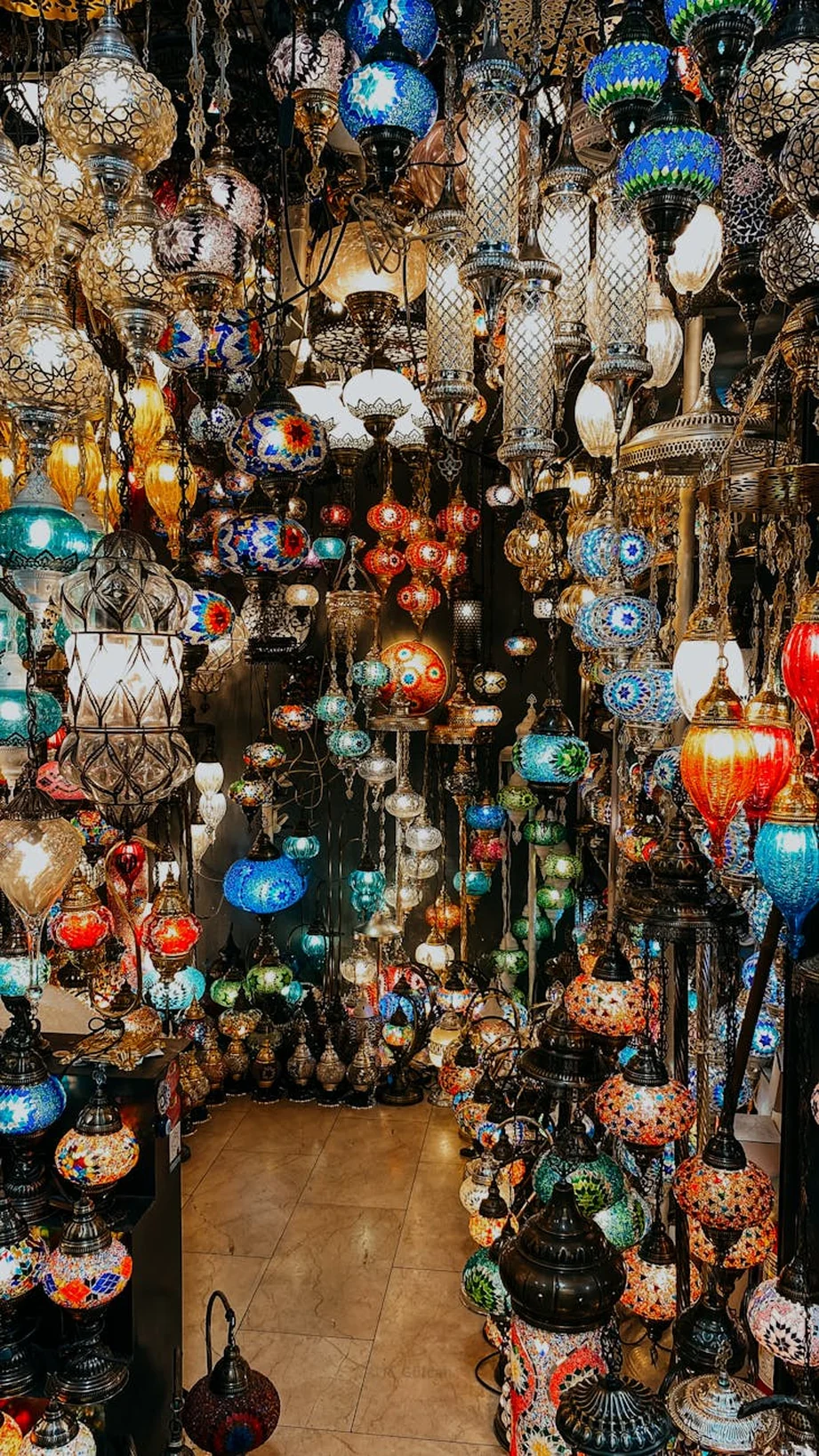
- Use warm white light: Warm white light is more relaxing than cool white light.
- Use layered light: Layered light creates a more relaxing atmosphere than a single source of light.
- Use dimmers: Dimmers allow you to adjust the level of light to create a more relaxing atmosphere.
- Use flexible lighting zones: Flexible lighting zones allow you to shift the mood of a room by adjusting the level of light.
The Impact of Lighting on Your Home
Lighting has a bigger impact on your home than most homeowners ever give it credit for. The right lighting can make a room feel cozy, energetic, or even calming, depending on the type and level of light used. By understanding the different types of lighting and how to choose the perfect lamp, you can create a space that serves its purpose and feels welcoming to everyone who enters.
Conclusion
Lighting is not just an afterthought; it’s a crucial element in creating a beautiful home. By understanding the different types of lighting and how to choose the perfect lamp, you can create a space that serves its purpose and feels welcoming to everyone who enters. Remember, it’s not just about aesthetics; it’s about creating a space that feels inviting and comfortable.