How to Identify Roaches in Your Apartment
Spotting a single roach often means many more are hiding nearby. These insects are larger than most household pests, typically measuring between 1.5 and 2 inches long. Their wide, oval-shaped bodies, six legs, and wings make them easy to recognize. Most are reddish-brown with golden yellow bands across the shield on their back. While they have wings, they only fly short distances, so you will usually see them scuttling along floors or walls. Knowing what you are looking for is the first step in any apartment roach removal roach plan.
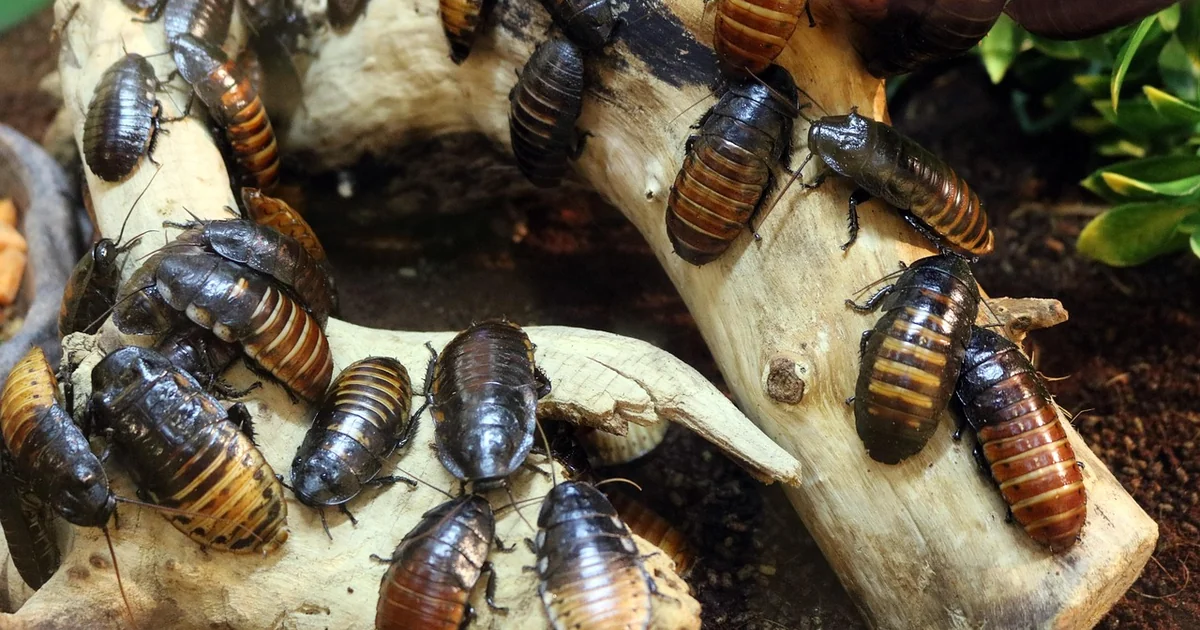
Mistaking a cockroach for a beetle or a cricket happens more often than you might think. Beetles have hard front wings that meet in a straight line down the back, while roaches have overlapping wings. Crickets have long antennae and large back legs for jumping. Roaches have shorter legs and move in a flat, fast dash. If you see an insect that matches the size and color description above, you likely have a cockroach problem rather than a harmless visitor.
Young roaches, called nymphs, look different from adults. They are smaller, lack wings, and may appear lighter in color. Some species have distinct markings even as nymphs. Finding nymphs is a strong sign that a breeding population exists in your building. Adults wandering alone might have come from a neighboring unit, but nymphs indicate a nest nearby.
Signs of a Roach Infestation in Your Apartment
You do not always need to see a live roach to know they are present. Kitchens are the most common place to find evidence because food and crumbs draw them in. Look inside cabinets, behind the refrigerator, and under the sink. Droppings are a clear indicator. Roach droppings look like small black pepper flakes or dark coffee grounds. Larger roaches produce droppings that resemble tiny cylinders with ridges along the sides.
Egg cases called oothecae are another strong sign. These are small, brown, purse-shaped capsules that females carry and then deposit in hidden spots. Each case contains multiple eggs. Finding an egg case means new roaches will hatch soon if you do not act. You might also notice a musty, oily odor. Roaches produce pheromones that create a distinct smell, especially when their population grows large. This odor can cling to dishes, fabrics, and surfaces.
Check for shed skins as well. Roaches molt several times as they grow, leaving behind translucent exoskeletons. These are often found near hiding spots. Smear marks along walls or baseboards can also signal roach activity. When roaches travel through dusty areas, their bodies leave dark, irregular streaks. If you see any combination of these signs, it is time to focus on apartment roach removal roach strategies before the problem worsens.
What Attracts Roaches to Apartments?
Understanding why roaches enter your space helps you stop them at the source. Poor sanitation is a major factor. Dirty dishes left in the sink overnight, food scraps on counters, and open garbage bins all provide a reliable food source. Even pet food left in bowls attracts roaches. They do not need much to survive. A few crumbs under the toaster or a sticky residue on the stovetop is enough to keep them coming back.
Moisture leaks are equally inviting. Roaches need water to live, and they will travel through pipes, chimneys, and gaps in walls to find it. A dripping faucet under the kitchen sink, a leaky toilet, or condensation around the refrigerator creates a drinking source. Once roaches find water, they establish harborage nearby. This is why bathrooms and kitchens are the most common problem areas in apartment buildings.
Roaches also hitch a ride on belongings. They crawl into clothing, bags, or boxes when you visit a friend’s home, stay at a hotel, or bring in secondhand furniture. Moving from one apartment to another can transfer an infestation if you do not inspect your items carefully. Paper products like cardboard boxes, newspapers, and paper bags provide both hiding places and a food source, since roaches digest cellulose and glue bindings. Cluttered spaces with stacks of paper create ideal conditions for them to thrive.
7 Proven Ways to Get Rid of Roaches in Apartments
The following seven methods are practical, effective approaches for apartment dwellers. Each one targets a different aspect of roach behavior and biology. Using a combination of these strategies gives you the best chance of eliminating an infestation and keeping roaches from returning.
1. Use Gel Baits Strategically
Gel baits are one of the most effective tools for apartment roach removal roach. These products contain a slow-acting poison mixed with a food attractant. Roaches eat the gel, return to their hiding spot, and die later. The real advantage comes from secondary poisoning. Roaches eat each other’s droppings and carcasses, so the poison spreads through the population. Place small dots of gel in corners, along baseboards, under the refrigerator, inside cabinets, and near pipe entry points. Avoid spraying any insecticide near the bait, because the repellent effect keeps roaches away from the poison.
Apply fresh bait every few days until you see a noticeable drop in activity. Gel baits work best when you remove competing food sources first. Clean up crumbs and store food in sealed containers so the bait is the most appealing option. Different brands use different active ingredients, so rotating between two types can prevent roaches from developing resistance. Look for products containing abamectin, hydramethylnon, or fipronil for reliable results.
2. Apply Boric Acid in Hidden Areas
Boric acid has been used for decades as a roach killer, and it remains effective when applied correctly. It works as a stomach poison. Roaches walk through the fine powder, groom it off their legs and antennae, and ingest it. The powder also damages their exoskeleton, causing dehydration. Sprinkle a thin, almost invisible layer in areas where roaches travel. Common spots include under the refrigerator, behind the stove, inside cabinet voids, and along baseboards. Do not pile it up. Roaches avoid thick mounds, so a light dusting is more effective.
Boric acid is low in toxicity to humans and pets when used properly, but it can irritate eyes and skin. Keep it away from food preparation surfaces and out of reach of children and animals. Combine boric acid with a baiting program for faster results. The bait draws roaches out, and the boric acid catches those that avoid the bait. Reapply after cleaning or if the powder gets damp, because moisture neutralizes its effectiveness.
3. Spread Diatomaceous Earth in Dry Areas
Diatomaceous earth is a natural powder made from fossilized algae. Under a microscope, the particles are sharp and jagged. When roaches crawl over it, the powder cuts through their waxy outer layer, causing them to dry out and die. This method works best in dry locations where roaches travel. Sprinkle it behind appliances, under sinks, along baseboards, and inside wall voids. Food-grade diatomaceous earth is safe around people and pets, but avoid inhaling the fine dust. Wear a mask while applying it and keep the area well-ventilated.
Diatomaceous earth loses its effectiveness when wet. Check treated areas after cleaning spills or after humid days and reapply as needed. It works slowly compared to chemical baits, often taking several days to kill roaches. Use it as a long-term barrier rather than a quick fix. Combining diatomaceous earth with gel baits gives you both immediate and sustained control over the population.
You may also enjoy reading: 7 Easy Steps to Clean Ceramic Pans.
4. Vacuum Roaches on Sight
A vacuum cleaner is an underrated tool for apartment roach removal roach. When you spot a roach, vacuum it up immediately. Roaches scatter at the slightest air movement, so move fast. Use a vacuum with a hose attachment to reach behind appliances, inside cabinets, and along baseboards. Pay special attention to the refrigerator motor compartment. Pull the refrigerator away from the wall, remove the cardboard cover on the back, and vacuum any roaches hiding near the motor. This area stays warm and dark, making it a favorite harborage spot.
Empty the vacuum canister or dispose of the bag outside immediately after cleaning. Roaches can survive inside a vacuum and crawl back out if you leave the bag indoors. Sealing the bag in a plastic trash bin before disposal prevents escape. Vacuuming does not eliminate an infestation on its own, but it reduces the population quickly and removes egg cases before they hatch. Use this method alongside baits and powders for a comprehensive approach.
5. Seal Cracks, Gaps, and Entry Points
Roaches enter apartments through tiny openings. Gaps around pipes, cracks in baseboards, spaces between tiles, and holes where wiring passes through walls all serve as highways for these pests. Sealing these entry points blocks roaches from moving between units and limits their harborage options. Use caulk to fill cracks along baseboards and around cabinets. Stuff steel wool into larger gaps around pipes, because roaches cannot chew through it. Expanding foam works well for sealing holes in walls and around electrical boxes.
Check the areas where your walls meet the floor. Even a gap the width of a credit card is enough for a roach to squeeze through. Pay attention to the bathroom, where gaps around plumbing penetrations are common. Seal the edges of tile where they meet the wall and around the base of the toilet. In the kitchen, fill gaps between countertops and walls, and seal around the sink drain pipes. This work takes time, but it creates a long-term barrier that reduces the need for constant chemical treatments.
6. Eliminate Food, Water, and Hiding Spots
Sanitation is the foundation of any roach control plan. Without food and water, roaches cannot survive. Store all food in airtight containers, including pet food and birdseed. Wipe down counters, stovetops, and tables after every meal. Sweep and mop floors regularly, especially under appliances and furniture. Take out the trash every night and use a bin with a tight-fitting lid. Do not leave dirty dishes in the sink overnight. Even a single crumb can sustain a roach for days.
Fix moisture leaks as soon as you notice them. Tighten dripping faucets, repair leaking pipes under sinks, and dry out damp areas around the refrigerator and dishwasher. Wipe down sinks and tubs after use to remove standing water. Reduce clutter, especially paper products. Cardboard boxes, stacks of newspapers, paper bags, and old magazines provide both hiding spots and a food source. Replace cardboard storage boxes with plastic bins that have tight lids. Remove stacks of paper from floors and shelves. Roaches thrive in clutter because it gives them places to hide during the day.
7. Use Insect Growth Regulators for Long-Term Control
Insect growth regulators, or IGRs, disrupt the roach life cycle. These chemicals prevent nymphs from maturing into breeding adults. They also cause adult roaches to produce eggs that never hatch. IGRs do not kill roaches instantly, but they stop the population from replenishing itself. This makes them an excellent complement to baits and other killing methods. IGRs come in sprays, aerosols, and bait formulations. Apply them in the same areas where roaches hide: under appliances, in cabinet voids, and along baseboards.
IGRs are low in toxicity to humans and pets, making them suitable for apartments. They work slowly, so you need patience. Over several weeks, you will notice fewer nymphs and eventually fewer adults. Combining an IGR with a gel bait program gives you both immediate knockdown and long-term population suppression. This two-pronged approach is especially useful in apartment buildings where roaches travel between units. Even if new roaches enter from a neighboring apartment, the IGR prevents them from establishing a breeding population in your space.
Preventing Roaches from Returning After Treatment
Getting rid of roaches is only half the battle. Keeping them out requires ongoing effort. Continue to practice good sanitation even after you stop seeing roaches. Maintain sealed food storage, fix leaks promptly, and keep clutter to a minimum. Inspect groceries and deliveries before bringing them inside. Cardboard boxes from the grocery store or online orders can carry roaches or egg cases into your home. Transfer items to plastic or glass containers and recycle the cardboard outside.
Communicate with your neighbors and building management. Roaches travel easily between units through shared walls, pipes, and ductwork. If one apartment has an infestation, nearby units are at risk. Encourage your landlord to treat common areas and to coordinate pest control efforts across the building. A single untreated unit can reinfest the entire building within weeks. Regular inspections and a building-wide approach to apartment roach removal roach make the biggest difference in keeping these pests gone for good.
Monitor for signs of activity even when you think the problem is solved. Place sticky traps in corners, under the sink, and behind appliances. Check them weekly for any new roaches. Catching a small infestation early prevents it from becoming a large one. If you see a roach after treatment, identify where it came from and address that area again. Persistence is the key to maintaining a roach-free apartment.