Anyone who has grown a garden in rabbit territory knows the heartbreak of waking up to find tender sprouts nibbled to stubs overnight. Rabbits breed year-round, roughly every 14 to 16 days where winters are mild, and a single mother can produce between five and 12 kits per cycle. That adds up to hundreds of offspring annually. Natural predators exist, but they do not discriminate between a pest rabbit and a neighbor’s pet. Eliminating rabbits altogether is neither practical nor kind — you would have to remove their entire habitat. Instead of taking a destructive stance, try these 11 humane ways protect garden crops while coexisting with local wildlife.
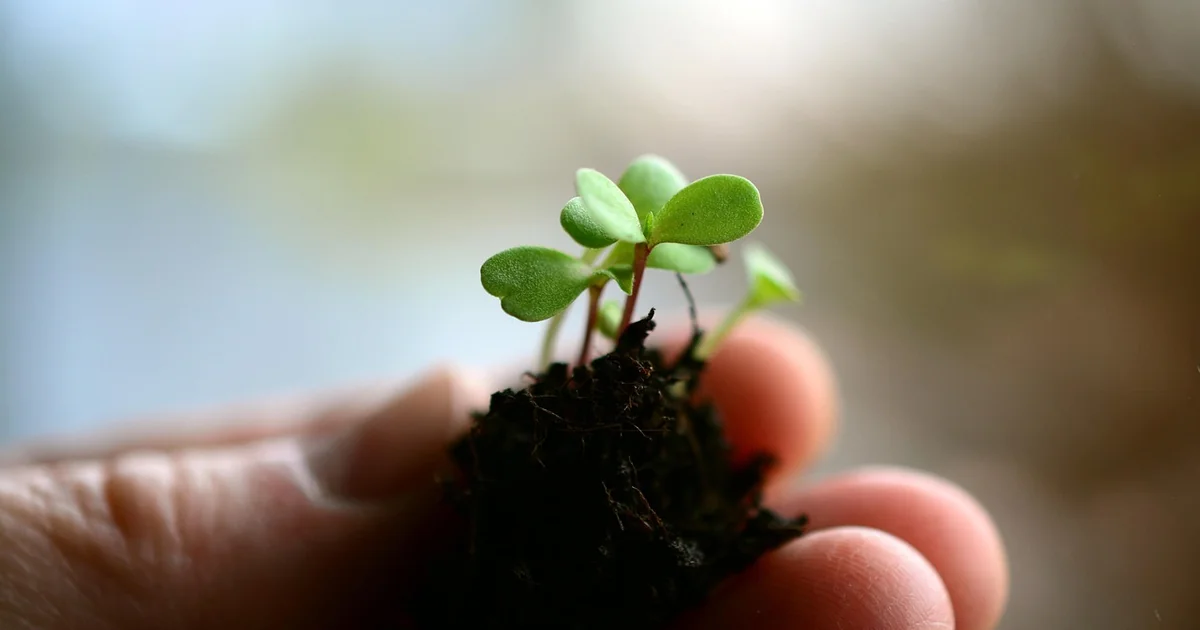
1. Grow Rabbit-Resistant Plants Along Borders
Rabbits have clear preferences. They gravitate toward tender, succulent leaves and avoid plants with strong scents, fuzzy textures, or milky sap. By placing less palatable crops around the perimeter of your garden, you create a natural deterrent zone that discourages browsing before rabbits reach your prized vegetables.
Plants Rabbits Typically Avoid
Alliums top the list. Onions, garlic, leeks, and ornamental alliums produce sulfur compounds that rabbits find offensive. Artichoke, with its tough, spiny leaves, also deters feeding. Tomato plants have a fuzzy stem and a distinct aroma that rabbits tend to bypass. Corn and squash have coarse foliage that is less appealing than tender lettuce or bean leaves. Rosemary offers a strong pine-like scent that confuses foraging rabbits. Potatoes and rhubarb contain compounds that make their leaves unpalatable, though note that rhubarb leaves are toxic to humans and should be handled with care. Asparagus ferns are similarly unappealing to rabbits.
Strategic Placement
Plant these resistant species along the edges of your garden beds, especially near known rabbit runways or brush piles where rabbits hide. Keep sensitive plants like lettuce, kale, beans, and raspberries in the interior, surrounded by less tasty crops. This layered approach is one of the most effective ways protect garden beds without any physical barrier. It works best when combined with other methods, but even alone it can significantly reduce damage.
This list is not exhaustive. If you want to grow something not mentioned, research whether rabbits feed on it before planting. You can always situate a questionable crop inside a ring of resistant plants.
2. Install Hardware Cloth Barriers and Low Tunnels
Physical barriers remain the most reliable defense against rabbit damage. Unlike chemical deterrents, they do not wash away in rain or lose potency over time. The key is choosing the right material and installing it correctly.
Why Hardware Clout Beats Chicken Wire
Rabbits can chew through standard chicken wire in minutes. Hardware cloth, made from welded galvanized steel with small openings (typically 1/2 inch or 1/4 inch), resists gnawing much better. It is stiffer and harder to bend, so rabbits cannot push through gaps. For raised beds, you can staple hardware cloth to wooden frames or use it as a cover for low tunnels.
Building a Low Tunnel
A low tunnel is simply a row cover supported by hoops made from PVC pipe or metal conduit. Drape hardware cloth or a sturdy mesh netting over the hoops and secure the edges with soil, stones, or landscape staples. This creates a walk-in cage that rabbits cannot enter. The tunnel also provides some frost protection in early spring and shade in hot summer, making it a multi-purpose investment.
For larger gardens, fence the entire perimeter with hardware cloth buried at least six inches underground and extending at least three feet above ground. Rabbits can jump up to three feet in a single leap, so three feet is the minimum height for an effective fence. Include a bend at the bottom that extends outward 12 inches underground to prevent burrowing underneath.
3. Use Fences With an Underground Apron
Rabbits are natural diggers. A fence that stops at the soil surface invites them to tunnel underneath. The solution is an underground apron — a horizontal section of wire mesh that extends outward from the base of the fence, buried just below the surface.
How to Install an Apron
Dig a trench about six inches deep along the outside of your fence line. Lay a strip of hardware cloth or welded wire that is at least 12 inches wide flat on the bottom of the trench, extending away from the fence. Cover it with soil and compact it. When a rabbit tries to dig under the fence, it hits the buried mesh and cannot proceed. This technique is standard in professional horticulture and costs very little extra material compared to a basic fence.
Combine the apron with a fence height of at least 30 to 36 inches. Rabbits will test the perimeter, but if they cannot jump over or dig under, they will eventually move on to an easier food source. This is one of the most permanent ways protect garden spaces from persistent rabbit pressure.
4. Apply Homemade Garlic and Hot Pepper Sprays
Homemade deterrent sprays offer a low-cost, non-toxic layer of protection. They work by making plant surfaces taste and smell unpleasant to rabbits. While not as reliable as physical barriers, they reinforce other methods and can tip the balance in favor of your crops.
Simple Recipe
Crush four to six cloves of garlic and combine them with one tablespoon of cayenne pepper or crushed red pepper flakes. Steep this mixture in a quart of warm water for 24 hours. Strain out the solids, add a teaspoon of mild liquid soap (such as castile soap) to help the spray adhere to leaves, and pour the liquid into a spray bottle. Apply generously to the leaves and stems of vulnerable plants, focusing on the outer edges where rabbits first approach.
Application Schedule
Reapply every seven days, or immediately after rain. Homemade sprays degrade quickly under sunlight and moisture, so consistency matters. Rotate between garlic-pepper spray and a vinegar solution (one part white vinegar to three parts water, applied to the ground around plants, not directly on foliage) to prevent rabbits from becoming accustomed to a single scent.
These sprays are mild enough that they will not harm rabbits, pets, or beneficial insects when used as directed. They simply make your garden less inviting. Use them alongside fences or hardware cloth for the best results.
5. Use Commercial Deterrents Based on Predator Scents
Rabbits are prey animals with an innate fear of fox, coyote, and wolf urine. Commercial deterrent sprays capture these scents in a bottled form that you apply around the garden perimeter. The smell signals danger, triggering a flight response that keeps rabbits away from the area.
Choosing a Product
Look for brands that use real predator urine rather than synthetic approximations. Real urine has a complex chemical profile that rabbits recognize instinctively. Synthetic versions may work for a short time, but rabbits often habituate to them quickly. Apply the spray on rags, cotton balls, or small stakes placed every 10 to 15 feet around the garden border. Do not spray directly on edible plants, as the scent can linger and affect the flavor of your harvest.
Limitations and Best Practices
Predator urine sprays need reapplication every two to four weeks, more often after heavy rain. They are most effective when paired with physical barriers because they address the psychological aspect of deterrence while the fence handles the physical. Rotate between different predator scents (fox one month, coyote the next) to prevent habituation. This method works especially well in rural or semi-rural areas where rabbits already perceive predators as a genuine threat.
6. Plant a Dense Hedge Border
Hedges are an ancient gardening technique that originated in the Bronze Age. Farmers used dense rows of shrubs and trees to mark boundaries, contain livestock, and provide shelter for wildlife. A hedge can serve the same purpose for rabbit management by giving rabbits a place to hide and forage outside your garden, reducing their motivation to enter.
How a Hedge Helps
Rabbits prefer to move under cover. They avoid open spaces where hawks and owls can spot them. A thick hedge along the edge of your property provides a safe corridor that rabbits will use instead of crossing your garden beds. If the hedge contains plants that rabbits enjoy eating — such as clover, dandelion, or wild grasses — they may satisfy their hunger there and leave your crops alone.
Choosing Hedge Plants
Select native shrubs that produce berries, seeds, or foliage that rabbits find palatable. Hawthorn, blackberry, raspberry, and wild rose are good options in many regions. Avoid invasive species. Plant the hedge in a double row, spacing shrubs about three feet apart, so the branches interlock and create a dense thicket. This structure offers excellent cover and food, making it an attractive alternative to your vegetable garden.
Not only does the hedge keep rabbits out, but it also supports birds, pollinators, and other beneficial wildlife. It is a win-win strategy that aligns with humane gardening principles.
7. Disturb Burrow Entrances and Remove Cover
Rabbits need shelter to feel safe. If you make their existing hiding spots uncomfortable without harming them, they will relocate to a more secure area. This is a gentle form of eviction that relies on disturbance rather than force.
Identifying Burrows
Look for shallow depressions in the ground, often near brush piles, woodpiles, or dense shrubbery. Rabbit burrows typically have a small entrance about four to six inches wide, sometimes with a slight mound of dirt at the opening. Active burrows show signs of fresh digging, droppings, or tracks.
You may also enjoy reading: 7 Pro Tips to Grow Sweet Potato Slips.
Gentle Disturbance Techniques
Block the entrance loosely with sticks, leaves, or a piece of cardboard. Rabbits will dig it out overnight if they are using the burrow. Repeat this process for several nights in a row. The repeated disruption signals that the site is unsafe, encouraging the rabbits to find a new home. At the same time, clear away brush piles, tall grass, and debris that provide cover near the garden. Remove stacked firewood or lumber that creates hiding spots. Without secure shelter nearby, rabbits become more vulnerable to predators and will move to a better location.
This method works best in late winter or early spring before breeding season peaks. Avoid disturbing burrows when young kits are present — wait until they are old enough to move with their mother.
8. Elevate Beds With Raised Garden Structures
Raised beds offer a simple physical advantage. Rabbits are less likely to jump into a bed that stands 18 to 24 inches above ground level. The added height also makes it easier to attach hardware cloth or netting around the sides.
Design Considerations
Build or purchase raised beds with solid sides made from cedar, redwood, or untreated pine. Avoid using pressure-treated lumber that may leach chemicals into the soil. The sides should be at least 12 inches tall, but 18 to 24 inches is better for rabbit deterrence. Attach hardware cloth to the bottom of the bed before filling it with soil to prevent rabbits from digging up from underneath. If you place the bed on grass or bare ground, this bottom layer is essential.
Raised beds also improve drainage, warm up faster in spring, and reduce soil compaction. They are a long-term investment that pays for itself through higher yields and easier maintenance. For gardeners with mobility concerns, raised beds eliminate the need to bend or kneel, making them a practical choice for all ages.
9. Install Motion-Activated Sprinklers
Rabbits startle easily. A sudden burst of water can train them to avoid your garden without causing any lasting harm. Motion-activated sprinklers detect movement within a set range and release a short, directed spray of water.
Placement Tips
Position the sprinkler at the edge of the garden, aimed toward the area where rabbits approach. Adjust the sensitivity so that small animals trigger it but passing cars or tree branches do not. Set the spray duration to a few seconds — long enough to startle but short enough to conserve water. Move the sprinkler every few days to prevent rabbits from learning its exact location.
This method is especially effective during the dry season when rabbits are already thirsty. The unexpected spray mimics a predator attack, reinforcing the message that the garden is an unsafe place. Combine motion-activated sprinklers with a fence or raised beds for layered protection.
10. Plant Sacrificial Crops Away From the Main Garden
Sometimes the simplest solution is to give rabbits what they want in a location far from your primary crops. Sacrificial planting involves growing a small patch of rabbit-favorite plants in a distant corner of your property, deliberately intended for them to eat.
Choosing Sacrificial Plants
Rabbits love lettuce, kale, beans, peas, and raspberries. Plant these in a small bed at least 50 feet from your main garden, preferably near a hedge or brush pile where rabbits already feel safe. Water and tend the patch regularly so it remains lush and appealing. The idea is to create a food source that is easier and safer for rabbits to access than your protected beds.
This strategy works best in larger yards or rural properties where you have space to dedicate a small area to wildlife. It may not be practical for tiny urban gardens, but even a few lettuce plants in a container placed at the far end of the yard can draw rabbits away from your tomatoes and squash.
11. Create a Dedicated Rabbit Feeding Station
If sacrificial crops are not enough, take the concept further by providing a consistent, nutritious food source specifically for rabbits. A feeding station stocked with hay, fresh greens, and water can satisfy their hunger and keep them content outside your garden boundaries.
Setting Up the Station
Choose a spot at least 100 feet from your garden, ideally under a tree or near a hedge where rabbits feel protected. Place a shallow dish of water, a pile of timothy hay or alfalfa, and some leafy greens like romaine lettuce or kale. Refresh the food daily and keep the area clean to avoid attracting pests. Over time, rabbits will learn to visit the station instead of your garden beds.
This approach requires ongoing effort and a willingness to feed wild animals. It is not for everyone, but it aligns with a philosophy of coexistence. By meeting their basic needs, you reduce their motivation to damage your crops. Monitor the station to ensure it does not attract larger animals like deer or raccoons, which can cause their own problems.
Bringing It All Together
No single method guarantees complete protection. Rabbits are adaptable and persistent. The most effective strategy combines several of these approaches into a cohesive system. Start with rabbit-resistant plants along the border, install a fence with an underground apron, and add a layer of deterrent spray for good measure. If rabbits still find a way in, try motion-activated sprinklers or a sacrificial patch.
Gardening with rabbits cruelty-free is possible. It requires observation, patience, and a willingness to adapt. Each season you will learn more about the rabbits in your area and which techniques work best. Over time, you can create a garden that flourishes alongside the wildlife that shares your land.