Do you ever find yourself daydreaming of a bug-free garden? I do, especially when I spot a cluster of aphids draining the life from a tender new shoot on my rose bush. It is frustrating to watch these tiny insects feast on plants you have nurtured for weeks. But before you reach for the insecticidal soap, consider this: those aphids might actually be doing your garden a favor. Let us explore five unexpected ways these small pests contribute to a healthier, more vibrant landscape.
Why Aphids Deserve a Second Look
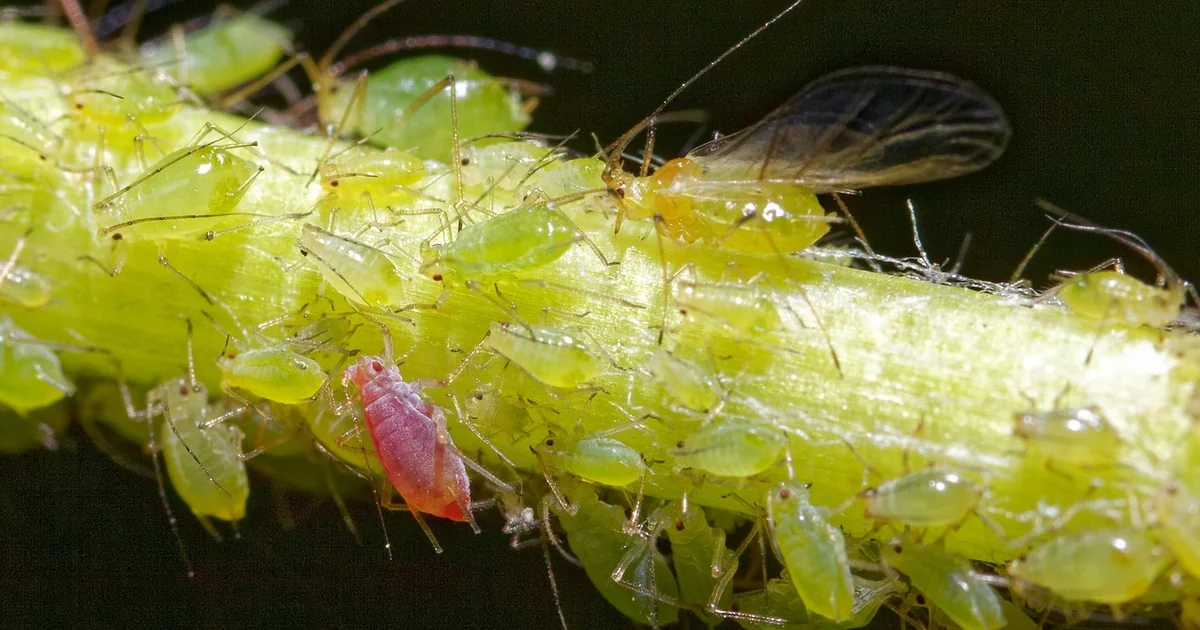
We humans tend to sort things into neat categories: good bugs and bad bugs. Aphids clearly fall into the “bad” column for most gardeners. They pierce plant stems and leaves, suck out nutrient-rich sap, and excrete a sticky substance called honeydew. That honeydew attracts ants and promotes the growth of sooty mold. Aphids also transmit plant viruses. All of this sounds like a disaster for your garden.
Yet nature rarely works in absolutes. Aphids are a crucial food source for many beneficial insects. Their presence signals to predators that a reliable meal is available. When you allow a small population of aphids to remain, you are essentially setting up a buffet that draws in ladybugs, lacewings, hoverflies, and parasitic wasps. These visitors do not just eat aphids and leave. They stick around, lay eggs, and help control other pests like mealybugs, spider mites, and scale insects. In other words, a few aphids can become the foundation of a natural pest control system that works for you around the clock.
Benefit #1: Aphids Recruit an Army of Beneficial Insects
The most immediate benefit of aphids is their ability to attract predatory insects. Ladybugs, green lacewings, and hoverflies all feed on aphids. Adult ladybugs can consume up to 50 aphids per day, and their larvae eat even more. Hoverfly larvae, which look like tiny green caterpillars, each devour hundreds of aphids during their development. Lacewing larvae are so voracious that they are sometimes called “aphid lions.”
When aphids appear, these predators follow. They come because they smell the honeydew or detect the pheromones released by stressed plants. Once they arrive, they do not stop at aphids. Ladybugs also eat mealybugs, mites, and soft-bodied insect eggs. Lacewings target thrips and whiteflies. Hoverflies pollinate flowers as adults while their larvae clean up pest populations. By hosting a small aphid colony, you are essentially placing a job advertisement for free, round-the-clock pest control workers.
What if you leave a few aphids alone—will they always overrun your garden? Not necessarily. In a healthy garden with diverse plantings, natural predators typically keep aphid numbers in check. The key is to avoid broad-spectrum pesticides that kill both aphids and their predators. If you see aphids, wait a few days and watch. Chances are, ladybugs or lacewings will show up on their own. If the aphid population explodes, you can intervene with a strong blast of water from a hose or a spot treatment of insecticidal soap, but only on the most infested areas.
Benefit #2: Aphids Support Biodiversity and Ecosystem Resilience
Biodiversity is the variety of life forms in a given area—plants, insects, animals, fungi, and microorganisms. A garden with high biodiversity is more resilient to pests, diseases, and extreme weather. Aphids, despite their nuisance status, contribute to this diversity by providing food for a wide range of organisms.
When aphids are present, they feed not only predatory insects but also birds, spiders, and even small mammals. Chickadees and other insectivorous birds will visit your garden to feast on aphids, especially during nesting season when they need high-protein food for their chicks. Spiders, which are generalist predators, also benefit from aphid populations. These spiders then help control other pests like mosquitoes and flies.
Moreover, aphid honeydew is a sugar-rich substance that feeds beneficial soil microbes and fungi. Some studies suggest that honeydew can stimulate the growth of mycorrhizal fungi, which form symbiotic relationships with plant roots and improve nutrient uptake. While excess honeydew can lead to sooty mold, a moderate amount contributes to a more active soil food web. Tolerating a few aphids means you are feeding a whole ecosystem, from the soil up.
How do you encourage more beneficial insects to visit without creating an aphid outbreak? Plant a diverse mix of flowers, herbs, and native plants. Provide nectar and pollen sources for adult predators—dill, fennel, yarrow, and alyssum are excellent choices. Avoid using any insecticides, even organic ones, unless absolutely necessary. And remember that a small aphid population is a feature, not a bug. Monitor regularly, but resist the urge to eliminate every last aphid.
Benefit #3: Aphid Honeydew Can Feed Beneficial Soil Life
We already mentioned that honeydew attracts ants and can cause sooty mold, but there is another side to this sticky substance. Honeydew is rich in sugars, amino acids, and other organic compounds. When it drips onto the soil or plant surfaces, it becomes a food source for beneficial bacteria and fungi. These microorganisms break down organic matter, cycle nutrients, and help plants access minerals.
In fact, some research shows that honeydew can increase the activity of nitrogen-fixing bacteria in the soil. Nitrogen is a critical nutrient for plant growth, and having a natural source of it reduces your need for synthetic fertilizers. Additionally, the fungi that feed on honeydew can form networks that connect plant roots, allowing plants to share resources and even send chemical warnings about pests.
Of course, too much honeydew can lead to problems. If ants are farming aphids and protecting them from predators, you may need to manage the ant population. But a moderate amount of honeydew is not a disaster—it is part of a healthy cycle. The sooty mold that grows on honeydew is mostly cosmetic and rarely harms the plant. In fact, it can be washed off with water or left to decompose naturally.
Why does honeydew from aphids attract both ants and fungus, and is that ever helpful? Ants collect honeydew as a food source and in return protect aphids from predators. This mutualism can lead to larger aphid colonies. However, ants also aerate soil and prey on other pests. If you see ants farming aphids, you can wrap a sticky barrier around the plant stem or use diatomaceous earth to deter them. The fungus that grows on honeydew (sooty mold) blocks sunlight but rarely kills leaves. In small amounts, it adds organic matter to the leaf surface that eventually decomposes.
You may also enjoy reading: 5 Ways to Create an Urban Floating Forest with Ferns.
Benefit #4: Tolerating Aphids Dramatically Reduces Chemical Use
One of the long-term advantages of accepting a few aphids is a dramatic reduction in pesticide use. When you stop reaching for the spray bottle at the first sign of aphids, you break the cycle of chemical dependence. Pesticides often kill not only the target pest but also beneficial insects, pollinators, and soil organisms. Over time, this leads to pest outbreaks that are even harder to control.
By allowing natural predators to handle aphids, you create a garden that requires less intervention. You save money on products, reduce your exposure to chemicals, and protect local waterways from runoff. Your garden becomes a safer place for children, pets, and wildlife. Birds, bees, and butterflies all benefit from a pesticide-free environment.
Moreover, when you tolerate aphids, you set an example for your neighbors. Gardens with visible aphids but thriving predator populations can inspire others to adopt similar practices. Over time, entire neighborhoods can reduce their collective chemical footprint. That is a win for everyone—plants, people, and animals.
Is it possible to have a garden with zero pests? No. Every garden has pests, and trying to eradicate them completely is futile and harmful. The goal is not a sterile garden but a balanced one. Integrated pest management (IPM) principles teach us to tolerate low pest levels and only intervene when damage exceeds an acceptable threshold. For most plants, a light aphid infestation does not reduce yield or beauty. Learn to recognize when intervention is truly needed—when plants are stunted, leaves are curling severely, or new growth is covered in aphids—and when you can simply watch nature do its work.
Benefit #5: Plants Are More Resilient Than You Think
It is easy to panic when you see aphids covering a leaf. But plants have evolved alongside insects for millions of years. They have built-in defenses and remarkable recovery abilities. Most plants can lose a significant portion of their leaves without suffering long-term damage. For example, some tomato varieties can lose up to one-third of their foliage and still produce a full crop of fruit. The same is true for many ornamentals and vegetables.
Plants also respond to aphid feeding by producing chemical compounds that make their leaves less palatable or that attract predators. This is called indirect defense. When a plant is bitten by an aphid, it releases volatile organic compounds that act as a distress signal. Predatory insects pick up that scent and come to investigate. So a minor aphid attack actually primes your plant’s immune system and makes it stronger over time.
I once had a ficus tree that lost nearly all its leaves due to a combination of aphids and too much direct sun. It looked dead. But after a few weeks of cooler weather, tiny green buds appeared. Within a month, the tree was full of new leaves. That experience taught me to trust plants’ ability to bounce back. Most garden plants are tougher than we give them credit for. A few aphids will not kill a healthy plant—they might even make it more resilient.
What about the damage those pests are doing to my plants? It is worth assessing the actual impact. Are the aphids concentrated on a few leaves? Is the plant otherwise healthy? If so, you can simply prune off the infested leaves and dispose of them. This removes the bulk of the aphids while leaving the plant intact. Alternatively, you can spray a strong stream of water to knock aphids off. They rarely climb back up. Remember that the goal is not to eliminate every aphid but to keep the population low enough that the plant can thrive.
Embracing Aphids as Part of a Balanced Garden
Finding aphids in your garden does not have to be a reason for alarm. Instead, view them as a sign that your garden is alive and functioning as part of a larger ecosystem. The benefits of aphids include attracting a steady supply of beneficial insects, boosting biodiversity, feeding soil life, reducing the need for chemicals, and revealing the surprising resilience of your plants. The next time you spot a cluster of aphids, pause before you spray. Watch for the ladybug larvae, the hoverfly eggs, the lacewing that will soon arrive. Your garden knows what it is doing—sometimes you just need to let it work.