There is something deeply satisfying about walking into your own garden, shears in hand, and cutting a bouquet of roses for your dining table. The fragrance, the color, the texture — it all feels personal in a way store-bought flowers never can. But not every rose bush in the nursery is suited for this purpose. They also need to regrow quickly after being cut, so you can keep harvesting all season long.
What Makes a Rose Ideal for Cutting
Roses have been cultivated for roughly 5,000 years, with fossil evidence showing the genus Rosa existed on Earth some 35 million years ago. The Roman Empire grew them extensively, and later, during the 15th century in England, the white and red rose became symbols for the houses of York and Lancaster in the Wars of the Roses. Today, the genus includes over three hundred species and tens of thousands of cultivars.
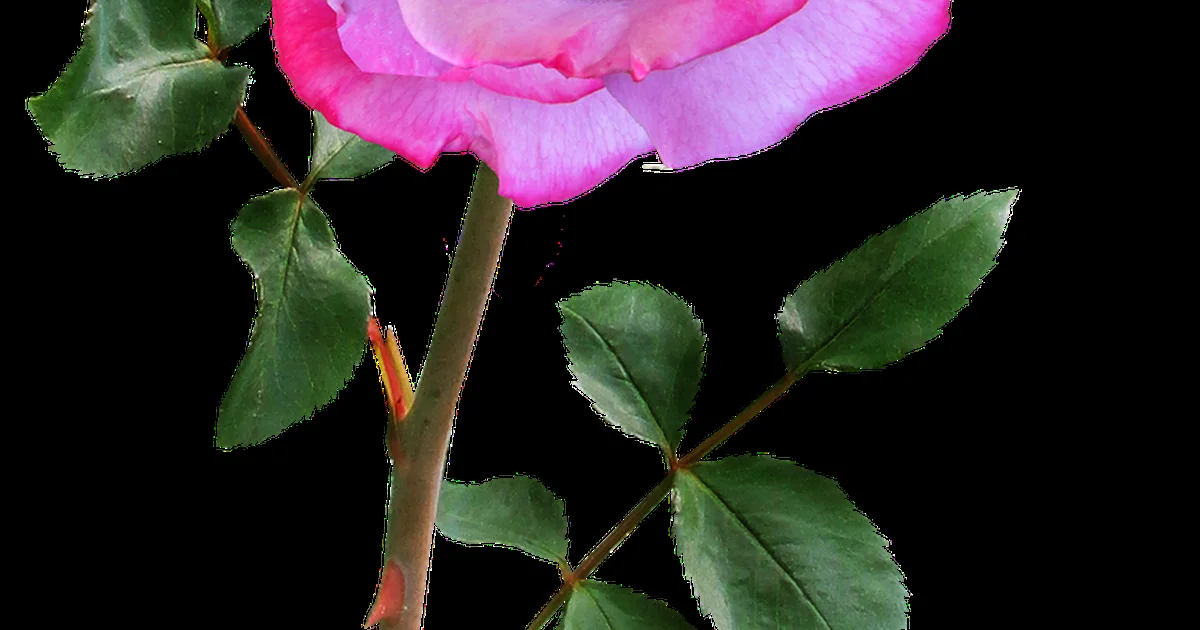
For a cutting garden, you want roses that produce individual blooms on long, straight stems. Short stems work for a small vase, but they limit your arrangement options. You also want petals that hold their shape and color for several days after cutting. A light, pleasant fragrance is a bonus — not every modern rose has it, but the best ones do.
Three Rose Categories for Cutting
Modern roses are grouped into several categories. Three of them are especially useful for a cutting garden:
- Hybrid tea roses are the classic florist roses. Each stem carries one large, elegant bloom. The stems are long and straight, which makes them perfect for tall vases or mixed bouquets.
- Floribunda roses produce clusters of medium-sized blooms on shorter stems. They are not ideal as standalone cut flowers, but they work beautifully as filler in arrangements alongside longer-stemmed varieties.
- Grandiflora roses combine the best of both. They have the tall, sturdy stems of hybrid teas and the clustered blooms of floribundas. This makes them extremely productive in a cutting garden.
When you head out to cut, always wear long gloves to protect your arms from thorns. A pair of sharp, reliable pruners makes a clean cut that helps the plant heal faster. Cut early in the morning when the stems are full of water, and place the stems immediately into a bucket of lukewarm water.
7 Best Roses for Cutting Gardens
After years of growing and arranging roses, these seven varieties stand out for their performance in the garden and their beauty in a vase. Each one earns its place in a cutting garden for different reasons — some for their stem length, others for their fragrance or petal count.
1. ‘Queen Elizabeth’
If roses are the queens of the flower garden, the ‘Queen Elizabeth’ rose has been called the queen of the roses. This grandiflora cultivar was introduced in 1954 and remains one of the most popular cutting garden roses ever developed. It grows up to 6 feet tall, producing soft pink, cup-shaped blossoms that measure 4 to 5 inches across. The fragrance is light and airy — not overpowering, but pleasant.
What makes ‘Queen Elizabeth’ exceptional for cutting is its stem strength. The stems are thick and sturdy, supporting the large blooms without drooping. The glossy green leaves add a beautiful contrast in arrangements. Florists value this rose for its long vase life, which can last a week or more with proper care. In the landscape, the plant itself can live up to 20 years if given full sun and well-drained soil. It thrives in USDA hardiness zones 5 through 9.
2. ‘Heavenly Scented’
This hybrid tea rose lives up to its name. ‘Heavenly Scented’ offers a strong fruit-and-spice fragrance that fills a room with just a few stems. Each bloom grows on its own long stem, which is fortunate because the blossoms are heavy. They measure about 4.5 inches across and can contain up to 138 petals apiece. As the petals mature, they fold back toward the stem, creating a soft, pointed shape.
The color is a bright salmon or conch pink that does not fade in the sun. The glossy foliage resists downy mildew and rust, two common rose diseases. This bush reaches about 6 feet tall and needs plenty of sunlight to produce its best blooms. It also grows well in zones 5 through 9. For a cutting garden, this rose delivers both visual impact and a memorable scent.
3. ‘Iceberg’
There is something special about white roses, and the ‘Iceberg’ rose is a fabulous example of how beautiful pure white blooms on long stems can be. This floribunda rose was introduced in 1958 and has been a favorite ever since. The shrubs can grow over 9 feet tall in ideal conditions, producing clusters of double white blooms with about 40 soft white petals each. The dark green foliage provides a striking contrast against the white flowers.
While floribunda roses often have shorter stems, ‘Iceberg’ produces long, sturdy stems that work well for cutting. The fragrance is light and pleasing — not strong, but enough to notice. This rose blooms repeatedly throughout the season, so you can cut stems regularly and still have flowers for the garden. It is also remarkably disease-resistant and cold-hardy, thriving in zones 4 through 9.
4. ‘Mister Lincoln’
For a classic red rose with a powerful fragrance, ‘Mister Lincoln’ is hard to beat. This hybrid tea rose was introduced in 1964 and quickly became a standard in cutting gardens. The blooms are a deep, velvety red, measuring 4 to 5 inches across. Each stem carries one large flower, and the stems are long and straight — perfect for a vase.
The fragrance is one of the strongest of any modern rose. It is a classic rose scent — rich, sweet, and unmistakable. The bush grows to about 4 to 6 feet tall and requires full sun and well-drained soil. It is susceptible to black spot in humid climates, so regular spraying or choosing a resistant rootstock helps. ‘Mister Lincoln’ grows well in zones 5 through 9 and has a vase life of about 5 to 7 days.
5. ‘Double Delight’
‘Double Delight’ is a hybrid tea rose that offers something unusual: the blooms change color as they open. The buds are a creamy white with red edges. As the flower opens, the red deepens and spreads, creating a two-tone effect that is stunning in arrangements. Each bloom measures about 4 to 5 inches across and has a strong, spicy fragrance with notes of fruit and cloves.
This rose was introduced in 1977 and won the All-America Rose Selections award. The stems are long and sturdy, and the plant grows to about 3 to 5 feet tall. It needs full sun and regular watering. The main challenge with ‘Double Delight’ is its susceptibility to powdery mildew, so good air circulation is important. It grows in zones 5 through 9 and has a vase life of about 6 days.
6. ‘Graham Thomas’
For a yellow rose that stands out in any bouquet, ‘Graham Thomas’ is an excellent choice. This English shrub rose was introduced by David Austin in 1983 and named after the famous horticulturist. The blooms are a rich, warm yellow — almost amber in the center — and they have a strong tea rose fragrance with hints of violet. Each flower is cup-shaped and contains about 75 petals.
What makes ‘Graham Thomas’ special for cutting is its long, arching stems. The stems are not as rigid as hybrid teas, but they are long enough for tall vases. The plant can grow up to 5 feet tall and blooms repeatedly from spring through fall. It is disease-resistant and grows well in zones 5 through 9. The yellow color pairs beautifully with pink or white roses in mixed arrangements.
7. ‘Papa Meilland’
This hybrid tea rose was introduced in 1963 by the famous Meilland family of France. ‘Papa Meilland’ produces deep crimson-red blooms that are almost black in the center. Each flower measures 4 to 5 inches across and has a very strong, classic rose fragrance — one of the most intense scents of any modern rose. The petals are velvety and thick, which helps them hold up well in a vase.
You may also enjoy reading: These 7 Plants to Deadhead in May for Fresh Bursts.
The stems are long and strong, and the plant grows to about 4 to 5 feet tall. It needs full sun and rich, well-drained soil. The main drawback is that ‘Papa Meilland’ can be susceptible to black spot in humid climates, so preventative spraying is recommended. It grows in zones 5 through 9 and has a vase life of about 5 to 7 days. For a dramatic, fragrant addition to any cutting garden, this rose delivers.
How to Plant and Maintain a Rose Cutting Garden
Starting a cutting garden with roses requires some planning, but the payoff is worth it. Choose a location that receives at least 6 hours of direct sunlight each day. Roses need full sun to produce the most blooms and the strongest stems. The soil should be well-drained and rich in organic matter. If your soil is heavy clay, consider planting in raised beds or amending the soil with compost.
Spacing and Planting
Space your rose bushes at least 3 to 4 feet apart. This allows for good air circulation, which helps prevent fungal diseases. When planting, dig a hole that is twice as wide as the root ball but no deeper. The graft union — the swollen area where the rose is grafted onto the rootstock — should sit about 1 to 2 inches above the soil line in warm climates, or just below it in colder zones. Water deeply after planting and add a layer of mulch around the base to retain moisture and suppress weeds.
Watering and Feeding
Roses need consistent moisture, especially during the blooming season. Water deeply once or twice a week, depending on rainfall. Avoid getting water on the leaves, as wet foliage encourages disease. Drip irrigation or soaker hoses work well. Feed your roses every 4 to 6 weeks during the growing season with a balanced fertilizer formulated for roses. Stop feeding about 6 weeks before the first expected frost to allow the plants to harden off for winter.
Pruning for Cutting
When you cut roses for a vase, you are also pruning the plant. Make your cuts at a 45-degree angle, about 1/4 inch above a leaf node that faces outward. This encourages the plant to produce new growth in the right direction. Always leave at least two sets of leaves on the stem below your cut so the plant can continue to photosynthesize. Remove any dead, diseased, or crossing branches in early spring before new growth begins.
Common Challenges and Solutions
Even the best cutting garden roses face problems. Here are three common issues and how to handle them:
Black Spot
This fungal disease appears as black spots on the leaves, which then turn yellow and fall off. It thrives in humid conditions. To prevent it, plant roses in full sun with good air circulation. Water at the base of the plant, not on the leaves. Apply a fungicide in early spring and repeat every 7 to 14 days during wet weather. Resistant varieties like ‘Iceberg’ and ‘Graham Thomas’ are less prone to black spot.
Aphids
These small insects cluster on new growth and buds, sucking sap and weakening the plant. A strong spray of water from a hose can knock them off. For heavier infestations, use insecticidal soap or neem oil. Ladybugs and lacewings are natural predators that help control aphids without chemicals.
Thrips
Thrips are tiny insects that feed on rose petals, causing them to become discolored and distorted. They are especially common on light-colored roses. To manage thrips, prune away affected blooms and dispose of them. Use a systemic insecticide if the problem is severe. Keeping the garden clean of fallen petals and debris also helps reduce thrips populations.
Tips for Longer-Lasting Cut Roses
Once you have cut your roses, you want them to last as long as possible. Follow these steps for the best results:
- Cut stems early in the morning when the plant is fully hydrated.
- Use sharp pruners to make a clean cut at a 45-degree angle.
- Remove any leaves that will sit below the water line in the vase.
- Place stems immediately into a bucket of lukewarm water.
- Recut the stems under water before arranging them in a vase.
- Change the water every two days and recut the stems each time.
- Keep the vase out of direct sunlight and away from heat sources.
- Add a commercial flower preservative or a teaspoon of sugar and a few drops of bleach to the water.
With these practices, your cutting garden roses can last 5 to 7 days or longer, depending on the variety. ‘Queen Elizabeth’ and ‘Iceberg’ are known for their exceptional vase life, often lasting a full week.
A cutting garden filled with roses is one of the most rewarding projects a gardener can undertake. The seven varieties listed here — ‘Queen Elizabeth’, ‘Heavenly Scented’, ‘Iceberg’, ‘Mister Lincoln’, ‘Double Delight’, ‘Graham Thomas’, and ‘Papa Meilland’ — offer a range of colors, fragrances, and growth habits. With proper care, they will provide you with armloads of blooms from late spring through the first frost. There is nothing quite like bringing a basket of homegrown roses into the kitchen and arranging them on the counter. The scent alone makes the effort worthwhile.