While the famous Butchart Gardens draws crowds from around the world, a smaller, more intimate treasure sits quietly in Victoria, British Columbia. This garden, built in 1946 by a prince and princess who survived war and revolution, offers a deeply personal and textured experience during the quieter months of the year.
A Love Story Rooted in Soil
The garden’s origin reads like a historical novel. Prince Nicolas Abkhazi fled his homeland of the Republic of Georgia during the chaos of the Russian Revolution. His future wife, Princess Marjorie, known as Peggy, was born in Shanghai to a British diplomat. The couple met in Paris in the 1920s, but World War II tore them apart. Nicolas was interned by the Nazis, and Peggy spent years in a prisoner-of-war camp in Japanese-occupied China.
After the war ended, they miraculously reunited in New York. Seeking a peaceful life, they settled in Victoria, British Columbia, where they purchased a rocky, Garry oak-dotted lot. Together, they transformed this challenging terrain into a garden that reflected their shared resilience. Since their passing, The Land Conservancy of British Columbia purchased the property to protect their legacy. Today, it is affectionately known as “The Garden That Love Built.”
Texture Takes Center Stage in Late Winter
During the abkhazi garden late winter visit, Cherry captured a landscape where structure and form dominate. Without the distraction of summer blooms, the garden’s architectural bones become the main attraction. This is a season for noticing bark patterns, branching habits, and the way plants drape over stone.
One standout is the Rakai hebe, also called shrubby veronica. This plant, scientifically named Veronica rakaiensis, belongs to hardiness zones 7 through 10. Its foliage grows in a tight, layered pattern that resembles overlapping scales. Even without flowers, this hebe commands attention. It thrives in well-drained soil and full sun, making it a smart choice for gardeners seeking winter interest.
The sloped beds at Abkhazi Garden provide perfect conditions for trailing plants. Rockspray cotoneaster (Cotoneaster horizontalis, zones 5 to 7) spreads over boulders like a living tapestry. Its bright red berries persist into late winter, offering a splash of color against the muted browns and grays of the season. These berries also feed local birds, adding movement and life to the quiet garden.
Why Texture Matters in Winter Gardens
Many home gardeners struggle with the visual emptiness of their yards from November through March. The solution lies in selecting plants that offer more than just flowers. Evergreen foliage, interesting bark, and persistent berries create a multi-season landscape. The abkhazi garden late winter tour demonstrates that a well-planned garden never truly goes dormant.
Consider adding plants like hebe, cotoneaster, or dwarf conifers to your own garden. These provide year-round structure. Pair them with ornamental grasses and ferns for contrasting textures. Even a small space can feel full and intentional when you layer plants with different growth habits.
Early Blooms That Defy the Cold
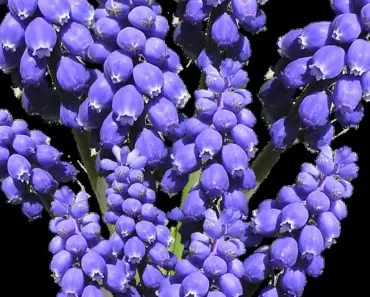
While texture forms the backbone of the winter garden, a few brave flowers push through the chill. Hellebores and snowdrops are well-known early bloomers, but Abkhazi Garden showcases a lesser-known gem: glory of the snow (Chionodoxa forbesii, zones 3 to 8). This small bulb sends up star-shaped blue flowers in late winter, often while snow still lingers on the ground.
Glory of the snow naturalizes easily, meaning it spreads over time without much help from the gardener. Plant bulbs in fall, about three inches deep, in a spot that receives full sun to partial shade. They perform well under deciduous trees, where they bloom before the canopy leafs out. Once established, they require almost no care.
For gardeners in colder climates, these bulbs offer a reliable sign that spring is near. They pair beautifully with early daffodils and crocus. The abkhazi garden late winter display proves that even a small patch of flowers can lift the spirits during the grayest months.
The Reflective Power of Water
Abkhazi Garden features a small pond that transforms in winter. During peak growing season, the water is surrounded by lush perennials and hostas. In late winter, the pond reflects bare branches and evergreen silhouettes. This creates a meditative quality that changes with every breeze.
Water features add value to any garden, even in winter. The sound of trickling water masks traffic noise and attracts birds. If you have a pond, leave it running during mild winter days. The movement prevents ice from forming completely and keeps oxygen levels stable for any fish. Even a simple birdbath can serve as a reflective element when placed near interesting branches.
Cherry’s photographs show how the pond captures intricate patterns from the surrounding trees. This is a design principle worth borrowing: place water where it can mirror something beautiful. The reflection doubles the visual impact of the garden without requiring additional plants.
Restoring a Piece of History
The summerhouse at Abkhazi Garden was completely restored in 2002. It matches the original structure built for the Abkhazis in 1946. This building serves as a reminder that the garden is not just a collection of plants, but a living museum of a couple’s shared vision.
When restoring historic garden structures, authenticity matters. Use period-appropriate materials and consult historical photographs. The Abkhazi summerhouse uses the same roofline, window proportions, and paint colors as the original. This attention to detail preserves the story for future generations.
If you own an older home or garden, consider researching its history. Old photographs, letters, or local archives can reveal original plantings or structures. Restoring these elements adds depth to your landscape and connects you to the past.
Weeping Norway Spruce and Fern Companions
Another highlight from Cherry’s tour is the weeping Norway spruce (Picea abies ‘Pendula’, zones 3 to 7). This conifer grows in a dramatic, cascading form that looks especially striking on sloped ground. At Abkhazi Garden, it shares a bed with ferns, creating a contrast between the spruce’s rigid needles and the ferns’ soft, feathery fronds.
Weeping Norway spruce is a slow-growing tree that reaches about 15 feet tall and 10 feet wide over many years. It prefers full sun and moist, well-drained soil. Gardeners can train the leader (the central shoot) to grow upright by staking it, or let it sprawl naturally along the ground.
This tree works well as a specimen plant or as part of a rock garden. Its unique shape adds drama without requiring much space. Pair it with low-growing groundcovers or small ferns for a layered effect. The combination at Abkhazi Garden proves that even a single tree can anchor an entire bed.
The Lush Landscape of Vancouver Island
Anyone familiar with Vancouver Island knows that the word “lush” barely does it justice. The mild, wet climate supports an incredible diversity of plants. Even in late winter, the abkhazi garden late winter beds remain intensely green. Ferns, mosses, and evergreen shrubs create a verdant carpet that softens the rocky terrain.
You may also enjoy reading: 7 Vegetables That Work as Natural Pest Repellents.
This climate is a gardener’s dream. Winter temperatures rarely drop below freezing for long, and rainfall is abundant. This allows plants from temperate regions around the world to thrive. The Abkhazis took full advantage of this, importing species from their travels and blending them with native plants.
For gardeners in less forgiving climates, you can still create a lush winter landscape. Focus on evergreens: rhododendrons, camellias, and hollies provide year-round foliage. Add structural elements like stone walls or trellises to break up empty space. Mulch beds heavily to protect roots and retain moisture.
The Legendary Garry Oaks
One of the most iconic plants in the garden is the Garry oak (Quercus garryana, zones 6 to 9). These massive trees grow 40 to 90 feet tall and are native to the Pacific coast. They are most prevalent in the Pacific Northwest, and Abkhazi Garden sits at the very end of their native range.
Garry oaks have a distinctive, gnarled branching pattern that becomes especially visible in winter. Their bark is dark and deeply furrowed. These trees support a wide range of wildlife, including birds, insects, and small mammals. In spring, they produce catkins that provide early pollen for bees.
Planting a Garry oak is a long-term commitment. They grow slowly and can live for several hundred years. If you have the space, they make magnificent shade trees. However, they require well-drained soil and full sun. They are drought-tolerant once established, making them suitable for Mediterranean-style gardens.
Cherry’s photographs show the oaks standing sentinel over the garden, their bare branches creating intricate patterns against the winter sky. These trees are not just plants; they are living monuments to the region’s natural history.
Practical Tips for Visiting Abkhazi Garden
If you plan to visit Abkhazi Garden, aim for late winter or early spring. The crowds are smaller, and the garden’s structure is most visible. Wear comfortable walking shoes, as the paths are uneven in places. Bring a camera to capture the reflections in the pond and the bark textures of the Garry oaks.
The garden is open to the public, and you can enjoy high tea in the Tea House. This is a lovely way to warm up after exploring the grounds. Check the garden’s website for seasonal hours and tea service reservations. The experience is intimate and personal, a stark contrast to the busy atmosphere of larger botanical gardens.
For photographers, early morning or late afternoon light is best. The low angle of the winter sun casts long shadows that emphasize texture. A macro lens is useful for capturing details like the cotoneaster berries or the hebe foliage.
Bringing the Abkhazi Garden Spirit Home
You do not need a one-acre property or a royal budget to borrow ideas from Abkhazi Garden. Start by evaluating your winter landscape. Where are the empty spots? What textures are missing? Add evergreen shrubs, ornamental grasses, or small conifers to fill those gaps.
Consider incorporating a water feature, even a small one. The reflective quality of water adds depth and tranquility. Plant early bulbs like glory of the snow to ensure color before spring fully arrives. And if you have trees with interesting bark, highlight them with a low winter sun or strategic lighting.
The abkhazi garden late winter visit reminds us that a garden is never truly dormant. Every season offers something to appreciate. By choosing plants for their structure, berries, and early blooms, you can create a landscape that rewards you year-round.
Share Your Own Garden Travels
Cherry’s photographs from both Butchart Gardens and Abkhazi Garden have inspired many readers. If you are planning garden travel this year, consider documenting your visits. The GPOD submission form and email are always open for photos and stories. Spring gardens are already rolling in, but late winter and early spring visits offer a unique perspective that many overlook.
Thank you again to Cherry for sharing these incredible images. Seeing these botanical havens through her lens has been a treat. We look forward to more updates from her home garden and from readers around the world. Every garden has a story, and every season has its beauty.