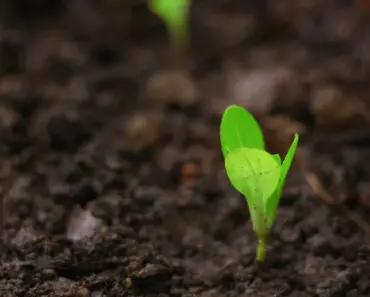
May is a Gardener’s Golden Month: 13 Tasks to Make the Most of Your Outdoor Space
May. The word itself evokes images of bursting blooms, burgeoning vegetables, and a renewed energy in the garden. After the quiet introspection of winter and the hopeful beginnings of spring, May is a significant month for gardeners – a time when plants truly awaken, growth accelerates, and the rewards of your efforts become increasingly apparent. It’s a period demanding focused attention and a proactive approach. If you’re feeling a little overwhelmed, don’t worry! This list of 13 May gardening tasks will help you get things done, maximize your yields, and truly appreciate the beauty and bounty of your outdoor space. Let’s dive in!

1. Succession Planting: Extending Your Harvest
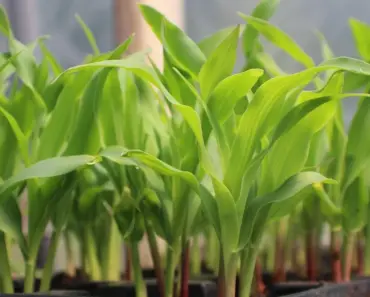
Succession planting is a cornerstone of productive gardening, and May is the month to really embrace it. It’s the practice of sowing seeds at multiple intervals to ensure a continuous harvest throughout the growing season. Think of it like a ripple effect – you plant a batch of lettuce seeds in early May, and then another batch four weeks later. This “cut-and-come-again” method allows you to harvest fresh greens repeatedly, rather than having a single, massive harvest followed by a disappointing gap. Other examples include planting bush beans every two to three weeks, or sowing a second round of radishes. I personally love using lettuce for succession planting due to its rapid growth and versatility – you can use it in salads, sandwiches, or as a garnish. The key is to choose plants with relatively short maturity times and space them appropriately to avoid overcrowding. Don’t just plant once; plant strategically to enjoy a steady supply of fresh produce all season long. Consider the days to maturity for each variety you select – aiming for a range of about 30-45 days is a good starting point. Researching your local frost dates is also vital to help you plan and stagger your plantings for optimal success.
2. Start Fertilizing Your Houseplants – Again!
While outdoor plants are basking in the sunshine, your houseplants are entering their growth season. After the dormancy of winter, they’re eager to stretch their leaves and put on new growth, and they need a boost of nutrients to do it effectively. Now is the time to resume fertilizing your houseplants regularly – typically every two to four weeks, depending on the fertilizer’s strength and your plant’s needs. Look for a balanced liquid fertilizer formulated for houseplants, and dilute it according to the package directions. Over-fertilizing can be just as harmful as under-fertilizing, so it’s always better to err on the side of caution. Signs of a plant needing more fertilizer include pale leaves, slow growth, or a lack of flowering. Remember that indoor plants have limited access to nutrients compared to outdoor plants, so consistent feeding is crucial for healthy growth and vibrant blooms. Before you start fertilizing, assess your plants’ overall health. Are they showing signs of nutrient deficiencies? Are they receiving adequate light? Addressing any underlying issues will ensure that your fertilizing efforts are truly effective.
3. Amend Soil: Feed Your Future Growth
Healthy soil is the foundation of a thriving garden. May is an excellent time to amend your soil with organic matter, such as compost, aged manure, or leaf mold. Adding compost improves soil structure, drainage, and aeration, while also boosting nutrient levels. It’s a simple way to give your plants everything they need to flourish. I add a generous layer of compost to all my raised beds and in-ground garden plots in the spring, working it into the top 6-8 inches of soil. You can also sheet mulch – layering cardboard and organic matter – to create a new garden bed from scratch. Consider your soil’s pH level. Most plants prefer a slightly acidic pH (around 6.0-7.0). You can test your soil’s pH with a DIY test kit or send a sample to a local agricultural extension office for a more accurate analysis. Amend your soil based on the test results to ensure your plants have access to the nutrients they need. Don’t just rake it in; incorporate it deeply into the soil to maximize its benefits. A healthy soil ecosystem is a happy soil ecosystem! A fascinating fact is that healthy soil contains billions of microorganisms – bacteria, fungi, and other tiny creatures – that play a vital role in nutrient cycling and plant health. Adding organic matter feeds these beneficial organisms, creating a more resilient and productive soil.
4. Reseed Your Lawn: Embrace the Spring Rain
If you have patchy areas in your lawn or want to add a wildflower meadow to your yard, May is the perfect time to reseed. The consistent spring rains provide the ideal moisture for grass seed to germinate and establish itself. Choose a grass seed blend that is suited to your climate and soil conditions. Prepare the soil by raking it smooth and removing any debris. Spread the seed evenly and lightly cover it with soil or compost. Keep the area consistently moist until the seedlings emerge – overhead watering is preferable to sprinklers, which can wash away the seed. Consider using a seed starter to help the seeds germinate. I use a shade cloth to protect my wildflower lawn seeds from wind and sun while they germinate. This is a great way to create a beautiful and ecologically beneficial lawn that supports pollinators and other beneficial insects. Don’t over-seed! A thin, even layer of seed is all you need for successful germination. A little patience and consistent care will result in a lush, green lawn.
5. Sun Mapping: Know Where the Light Falls
Understanding sunlight exposure is crucial for successful gardening. Different plants have different light requirements, ranging from full sun (6+ hours of direct sunlight per day) to shade (less than 3 hours of direct sunlight). Take a day to systematically map the sunlight patterns in your garden – observe how the sun moves across your yard throughout the day and note which areas receive the most direct light and which areas are shaded. You can use a compass and a notebook to record your observations, or you can use a simple app on your smartphone. This information will help you choose the right plants for each location in your garden. For example, tomatoes and peppers need full sun, while leafy greens and herbs can tolerate partial shade. Consider the seasonal changes in sunlight exposure – the sun’s angle changes throughout the year, so the amount of sunlight reaching your garden will vary over time. Creating a sun map is a one-time investment that will pay off in the long run by helping you grow healthier and more productive plants. You’ll also find that certain areas of your yard receive more sunlight than others, even if they appear to be similar in terms of size and shape.
6. Plant Summer Flowering Bulbs: Get a Head Start
Many summer-flowering bulbs, such as dahlias, gladiolus, and lilies, need a period of cold dormancy to initiate blooming. Planting them in May gives them a head start on the growing season, ensuring that you’ll be rewarded with vibrant blooms throughout the summer. Choose a sunny location with well-drained soil. Dig a hole deep enough to accommodate the bulb’s growth, and plant it with the pointed end facing up. Water thoroughly after planting. Some bulbs, like dahlias, benefit from being started indoors in pots before being transplanted outdoors. Consider the size of the mature plant when spacing them – dahlias, for example, need plenty of room to spread out. Don’t forget to fertilize your bulbs regularly throughout the growing season to encourage abundant blooms. Adding a bulb fertilizer can provide an extra boost of nutrients. Bulbs are fascinating plants – they store energy underground during the fall and winter, and then use that energy to produce stunning flowers in the spring and summer. It’s a truly remarkable process!
7. Practice No Mow May: Let the Grass Grow!
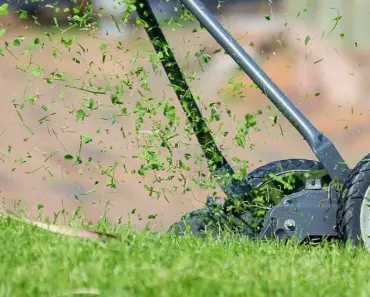
“No Mow May” is a growing trend that encourages gardeners to resist the urge to mow their lawns throughout the month of May. This practice has several benefits, including promoting biodiversity, improving soil health, and reducing carbon emissions. Allowing your lawn to grow naturally provides habitat for pollinators, insects, and other wildlife. It also allows the grass to accumulate organic matter, which improves soil structure and fertility. The grass clippings decompose and return nutrients to the soil, reducing the need for fertilizer. This is a great way to support local ecosystems and reduce your environmental impact. It’s also a relaxing and rewarding experience to simply let your lawn grow wild – it’s a beautiful, natural landscape. Of course, you’ll need to mow your lawn again in June, but the benefits of “No Mow May” will make it worthwhile. Research shows that lawns that are allowed to grow long have more diverse plant communities and a higher abundance of beneficial insects. It’s a win-win for both the environment and your garden.
8. Build or Install Trellises: Support Your Vines
Vining plants, such as cucumbers, tomatoes, beans, and climbing roses, need support to grow vertically. Trellises are an excellent way to provide this support, saving space and improving air circulation. You can build your own trellises from wood, metal, or bamboo, or purchase pre-made trellises from garden centers. Choose a trellis that is sturdy and appropriate for the size and weight of the plants you’re supporting. For tomatoes and cucumbers, a tall, sturdy trellis is essential. For climbing roses, a more ornate trellis or archway can add a touch of elegance to your garden. Train the vines to grow along the trellis by tying them to the supports with twine or plant ties. Trellising not only provides support but also helps to keep the plants off the ground, reducing the risk of disease. It also makes harvesting easier – you can simply reach up and pick the fruits or vegetables.
You may also enjoy reading: 7 Cherry Moments at Butchart Gardens’ Spring Prelude.
9. Set Up Rain Barrels: Collect Precious Water
Rainwater is a valuable resource for gardeners, and setting up rain barrels is a simple and effective way to collect it. Rain barrels capture rainwater from your roof, providing a free and sustainable source of water for your plants. You can purchase rain barrels at garden centers or build your own from recycled materials. Place your rain barrel under a downspout to maximize water collection. Use a screen or filter to prevent leaves and debris from entering the barrel. Water your plants directly from the rain barrel, rather than using tap water. Rainwater is naturally soft and free of chlorine and other chemicals, which can be beneficial for plant health. Collecting rainwater also helps to conserve water and reduce your water bill. It’s a great way to be environmentally responsible and provide your plants with the water they need to thrive. Studies have shown that plants grown with rainwater are often healthier and more productive than those grown with tap water.
10. Prune Spring-Blooming Shrubs: Encourage New Growth
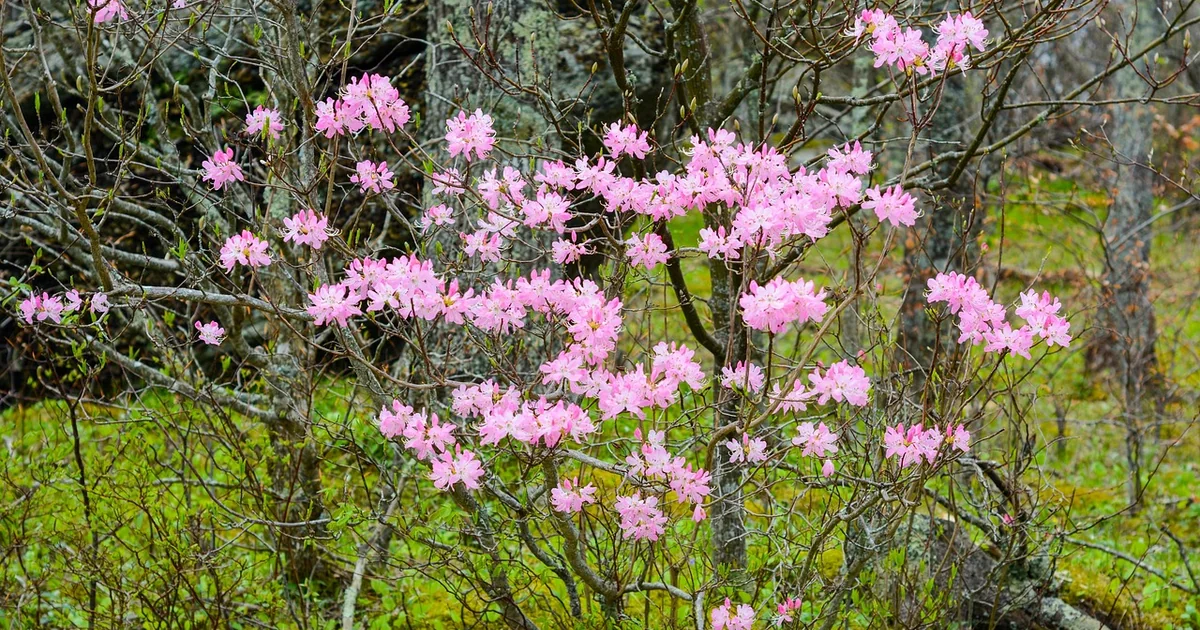
Spring-blooming shrubs, such as lilac, forsythia, and rhododendron, benefit from pruning after they’ve finished flowering. Pruning encourages new growth and promotes a more compact and bushy shape. Remove any dead, diseased, or crossing branches. Thin out crowded branches to improve air circulation and sunlight penetration. Cut back the branches to just above a bud that is facing outwards – this will encourage new growth in that direction. Don’t prune too heavily, as this can stress the plant. Light pruning is generally sufficient. Pruning is an essential part of shrub care, and it helps to keep your shrubs healthy and beautiful. It’s a great way to give your shrubs a little boost and prepare them for the growing season.
11. Weed Thoroughly: Prevent Competition
Weeding is a never-ending task in the garden, but it’s important to tackle it regularly. Weeds compete with your desired plants for nutrients, water, and sunlight. Pull weeds by hand or use a hoe to remove them from the soil. Mulching around your plants can help to suppress weed growth. Consider using organic weed control methods, such as vinegar or boiling water. Weeding is a small investment of time that can have a big impact on the health and productivity of your garden. It’s a satisfying task that helps your plants thrive. Don’t let weeds take over – get out there and weed!
12. Mulch Beds: Retain Moisture and Suppress Weeds
Mulching is a fantastic way to improve your garden beds and make your gardening life easier. A layer of organic mulch, such as wood chips, shredded bark, or straw, helps to retain moisture in the soil, suppress weed growth, and regulate soil temperature. Spread a 2-4 inch layer of mulch around your plants, leaving a small space around the stems to prevent rot. Mulch also decomposes over time, adding nutrients to the soil. A thick layer of mulch will need to be replenished periodically. Mulching is a simple yet effective way to enhance the health and beauty of your garden. It’s a win-win for both you and your plants.
13. Assess and Plan for the Summer Bounty
May is a fantastic time to take a step back and assess your garden’s progress and plan for the summer ahead. What’s thriving? What needs more attention? What crops are ready for harvesting? Now is the time to start thinking about succession planting for summer vegetables, planning for ongoing fertilization, and preparing for the peak growing season. Consider what you’d like to grow this summer – tomatoes, peppers, zucchini, cucumbers? Start planning your garden layout and seed orders. Don’t get overwhelmed – take it one step at a time. May is a month of abundance and growth, so enjoy the journey!
With these 13 May gardening tasks completed, your garden will be well on its way to a successful and abundant summer. Happy gardening!