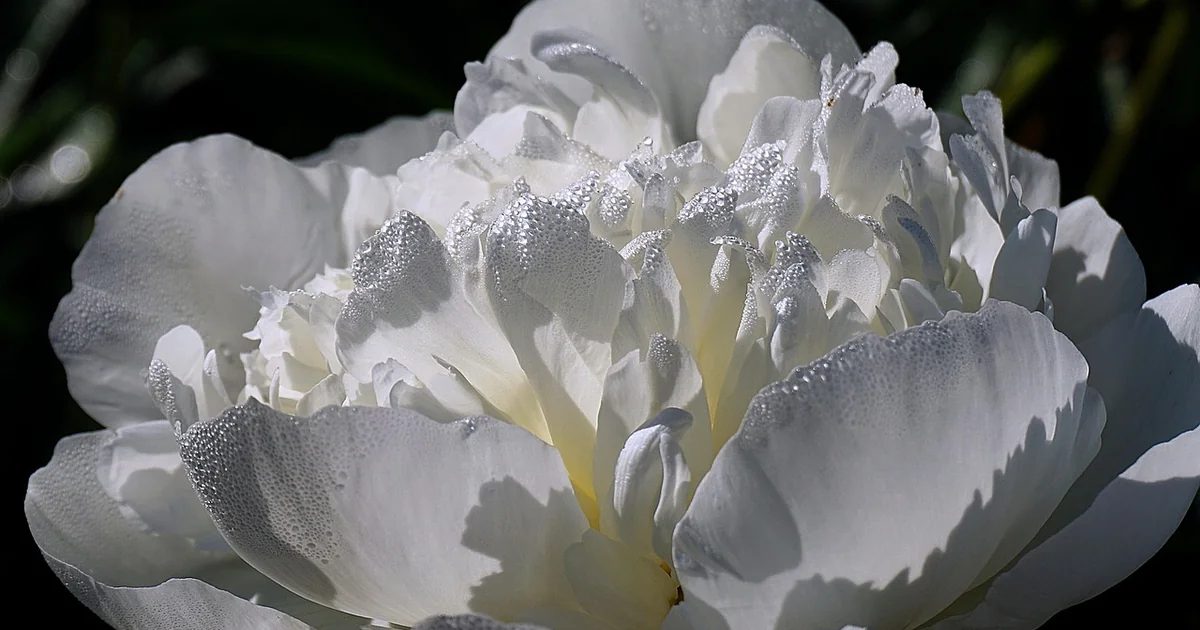
Peonies bloom for roughly two weeks each spring. After months of waiting and watching those fat buds develop, that’s a painfully short window of enjoyment. If your plant produces fewer flowers than you’d like, or if you simply want to make the most of that brief season, there are several straightforward adjustments you can make. Peonies are remarkably long-lived perennials — some have been known to bloom for over a hundred years in the same spot. Once you understand what they need, they tend to deliver reliably. Most of the changes that encourage more flowers are simple, and the payoff lasts for years. If you want your peonies to bloom more abundantly, these seven strategies make a real difference.
Seven Practical Steps for Richer Peony Blooms
1. Start With Correct Planting Depth
The first way to help peonies bloom more begins the moment you put the root in the ground. The small reddish-pink buds on the crown — called “eyes” — must sit no more than two inches below the soil surface. For most climates, one to two inches is the sweet spot. If those eyes are buried deeper, you will get plenty of healthy leaves but few or no flowers. The plant can survive, but it simply refuses to put energy into blooming.
Planting depth can also shift over time without you doing anything. Mulch that accumulates year after year gradually buries the crown deeper. Freeze-thaw cycles can settle the entire plant lower in the soil. If your peony used to bloom well and has slowly tapered off over several seasons, check the depth. Gently scrape back the soil around the crown in early spring to see where the eyes are sitting. If they are more than two inches down, the best fix is to lift the entire root clump in fall, divide it if needed, and replant it at the correct depth. This is a disruptive process, but it restores the plant’s flowering ability for many seasons to come.
2. Give Them at Least Six Hours of Direct Sun
Peonies need a minimum of six hours of direct sunlight per day to flower well. They can survive in partial shade, but bloom production drops off sharply as the light decreases. If you have noticed a slow decline in blossoms, step outside and watch how much direct light the plant receives through the day, especially from mid-morning through late afternoon. Even a nearby tree that has grown larger over the years can reduce light enough to cut flower count by half or more.
If shade is the issue, you have two options. Prune back whatever is blocking the light — thinning out tree branches or removing an overgrown shrub. Or move the peony to a sunnier spot. Transplanting a peony is always a bit disruptive (more on that in step 4), but if the current location no longer delivers enough sun, it is worth doing. Fall is the ideal time for this task, when the plant is going dormant and the soil is still warm enough for root growth.
3. Be Careful With Fertilizer — Especially Nitrogen
A peony with lots of lush, dark green foliage and almost no flowers is often getting too much nitrogen. Excess nitrogen pushes leafy growth at the expense of blooms. This is a common problem when peonies are planted near a lawn that receives regular fertilizer treatments. The nitrogen spreads into the peony’s root zone, and the plant responds by growing leaves instead of flowers.
If your soil is reasonably good, peonies do not need much supplemental feeding at all. A light top-dressing of well-aged compost in early spring or late fall is usually enough. If you decide to use a granular fertilizer, choose one with a balanced or low first number (nitrogen). For example, a 5-10-10 formula is far better than a 30-10-10. The goal is to support root and flower development, not to push foliage. If you suspect lawn fertilizer runoff is the problem, consider creating a physical barrier between the lawn and the peony bed, or switch to a lawn fertilizer that does not contain nitrogen near the peony root zone.
4. Be Patient After Planting or Dividing
Newly planted peonies often take one to three years before they bloom reliably. This is one of the most common reasons gardeners become frustrated. You carefully plant a bareroot peony in fall, wait through winter, and then the next spring you see leaves but no flowers. That is completely normal. Peonies need time to establish a strong root system before they have enough energy to put into flower production.
This patience period applies even more when you divide a mature clump or transplant an established peony. The root system is cut or disturbed, and the plant must regrow feeder roots before it can support blooms. During this establishment period, the best thing you can do is provide good care — proper watering, adequate sun, and correct depth — and wait. If you inherited peonies with a new house and they do not bloom the first spring, give them at least one full growing season before you start troubleshooting. Mark your calendar and check again the following year. Often they will surprise you in the second or third spring.
5. Deadhead Spent Blooms After Flowering
Peonies bloom only once per season, so deadheading — removing the faded flowers — will not produce a second flush of blossoms. However, removing spent blooms is still one of the most useful things you can do for next year’s flower count. When you cut off the developing seed heads, the plant redirects its energy into the root system instead of into seed production. Stronger roots mean more buds for the following year.
You may also enjoy reading: Rare Spring Sights in Kit’s Ohio Garden.
Deadheading also tidies up the plant considerably. Use clean, sharp pruners and cut the stem just above a healthy leaf. Do not remove all the foliage — the leaves are needed to photosynthesize and build energy for next year. Simply remove the flower head and the top few inches of stem. This small effort, done each spring after bloom, contributes directly to more abundant flowers next season.
6. Improve Air Circulation Around the Plants
Good airflow around peony plants reduces the risk of botrytis blight and other fungal diseases. Botrytis is a common fungal infection that can cause buds to turn black and fail to open, or stems to rot near the base. When air moves freely through the foliage, leaves dry faster after rain or morning dew, and spores have less chance to germinate.
To improve air circulation, space peonies at least three to four feet apart when planting. If you already have mature clumps that are crowded, divide them in fall and replant with better spacing. Also, remove any weeds or competing plants that block airflow around the peony base. In spring, consider thinning out some of the weaker stems from the center of the clump — this allows light and air to reach the interior. A peony that stays dry and well-ventilated is much more likely to produce healthy buds that actually open into full flowers.
7. Check and Improve Soil Drainage
Peonies do not tolerate soggy roots. If water pools around the crown for extended periods, the roots can rot, and the plant will struggle to produce flowers. Wet soil also encourages fungal diseases that attack buds and stems. Good drainage is an easy win for peonies bloom more consistently.
To test drainage, dig a hole about eight inches deep near the peony and fill it with water. If it takes more than 12 hours to drain, the soil is too heavy. You can improve drainage by amending the bed with coarse sand or organic matter before planting, or by planting peonies in raised beds or on slight mounds. If existing peonies are in a poorly draining spot, consider lifting and replanting them in fall in a better location. A simple soil test or even just observing where water puddles after a heavy rain will tell you if drainage is a problem. Peonies prefer soil that stays moist but never waterlogged — that balance is key to strong root health and abundant blooms.
Each of these seven adjustments addresses a common reason peonies fail to flower as heavily as they could. Correct planting depth, enough sunlight, balanced fertilizer, patience after transplanting, deadheading, good airflow, and proper drainage — these are all manageable tasks that reward you with more colorful buds each spring. Peonies are generous plants; once you give them the conditions they need, they often bloom for decades. A small amount of effort now can lead to a much more impressive display when that two-week window arrives.