Every gardener who has tucked a seed potato into the soil shares the same quiet anticipation. Weeks of watering, hilling, and watching green tops flourish lead to one central question: when is the moment right to dig? Harvesting at the wrong time can mean tiny, underdeveloped tubers or potatoes that rot in storage before winter even arrives. The answer depends largely on how you plan to use the crop, but a handful of reliable potato harvest signs take the guesswork out of the process.
Rather than relying on a calendar date alone, experienced growers learn to read what the plant itself is saying. The foliage, the flowers, the soil temperature, and even the thickness of the potato skin all communicate readiness. This article walks through five unmistakable signals that tell you it is time to lift those tubers from the ground, whether you crave tender new potatoes for tonight’s dinner or sturdy storage spuds for the months ahead.
Sign 1: The Flowers Have Finished Blooming
The first major potato harvest sign appears above ground and is visible from several feet away. Potato plants produce small, star-shaped blooms in shades of white, pink, lavender, or pale blue, depending on the variety. Once those flowers have fully opened and then withered, something important is happening below the soil surface. The plant has shifted its energy from leaf and flower production toward swelling the tubers that have already formed.
What This Means for New Potatoes
If your goal is to harvest new potatoes, those small, tender, thin-skinned gems that boil beautifully and taste like spring, the moment arrives roughly two to three weeks after flowering finishes. At this stage the tubers are about the size of a golf ball or a large egg. Their skins are so delicate that they rub off with a gentle thumb swipe. These potatoes do not store well, but they offer a flavor and texture that mature potatoes cannot match.
What This Means for Storage Potatoes
For growers aiming to store potatoes through the winter, flowering is only the first checkpoint. Do not dig the entire plant at this stage. Instead, you may harvest a few small potatoes from the outer edges of the hill if you want an early taste, but leave the main crop in the ground. The tubers will continue to enlarge and thicken their skins over the following weeks. Patience here separates a good harvest from a great one.
A Practical Tip for Flowering Plants
Some potato varieties flower sparsely or not at all, especially in cooler climates or shorter seasons. If your plants produce few or no blooms, do not worry. You can still rely on the other four signs described below. Flowering is a helpful clue, but it is not the only clue.
Sign 2: The Foliage Has Yellowed and Died Back
This is arguably the most reliable potato harvest sign for anyone who intends to store potatoes long term. When the above-ground stems and leaves turn yellow, flop over, and eventually turn brown and dry, the plant is telling you it has finished its work. Photosynthesis has stopped. The tubers beneath the soil have reached their maximum size and have begun to develop a thicker, more protective skin.
The Two- to Three-Week Waiting Rule
Once the foliage has died back completely, do not rush out with your garden fork the same day. Wait an additional two to three weeks. During this window the skins continue to set and mature. Potatoes harvested too soon after the vines die often have thin, peeling skins that bruise easily and rot quickly in storage. That waiting period is a small investment that pays off in months of shelf life.
What If Not All Plants Die at Once?
It is common for a few potato plants to yellow and collapse earlier than their neighbors. This can happen if one plant was shaded, received less water, or simply belongs to a slightly different variety. Harvest only the plants that have fully died back, and leave the greener plants in the ground to finish their cycle. There is no rule that says every potato in the patch must come out on the same day.
Handling a Hard Frost
A light frost may kill the potato foliage, but it rarely damages the tubers underground. In fact, a light frost can speed up the dying-back process. However, if a hard freeze is forecast, do not leave the potatoes in the ground longer than necessary. Frozen soil can damage the tubers and make them rot quickly after harvest. If the foliage has died and a hard frost is coming, it is better to dig a few days early than to lose the crop entirely.
Sign 3: The Skins Refuse to Rub Off Under Thumb Pressure
This hands-on test is one of the most practical and immediate potato harvest signs you can use. Choose a potato from the outer edge of a hill, rub it gently with your thumb, and see what happens. If the skin peels away easily, the potato is not yet mature enough for storage. It is still a new potato at heart and should be eaten soon. If the skin stays firmly attached and does not scuff or peel, the potato is ready for curing and long-term keeping.
Why Skin Integrity Matters
The skin of a mature potato acts as a natural barrier against moisture loss, bacteria, and fungi. A potato with a fully set skin can remain firm and edible for five to seven months under ideal conditions. A potato with thin, immature skin may begin to shrivel, sprout, or rot within three to four weeks. The thumb test takes five seconds and tells you exactly where each plant stands.
Testing Multiple Plants
Do not base your decision on a single potato. Dig up one or two sample tubers from different parts of the bed or container. Potatoes in the same soil can mature at slightly different rates depending on sun exposure, moisture, and root depth. If one sample rubs off easily but another holds firm, check again in another week.
Sign 4: The Calendar Aligns with Your Variety’s Maturity
While plant signals are far more accurate than a calendar, the expected maturity range for your specific potato variety provides a valuable cross-check. Potato varieties fall into three general categories based on how many days they need from planting to harvest.
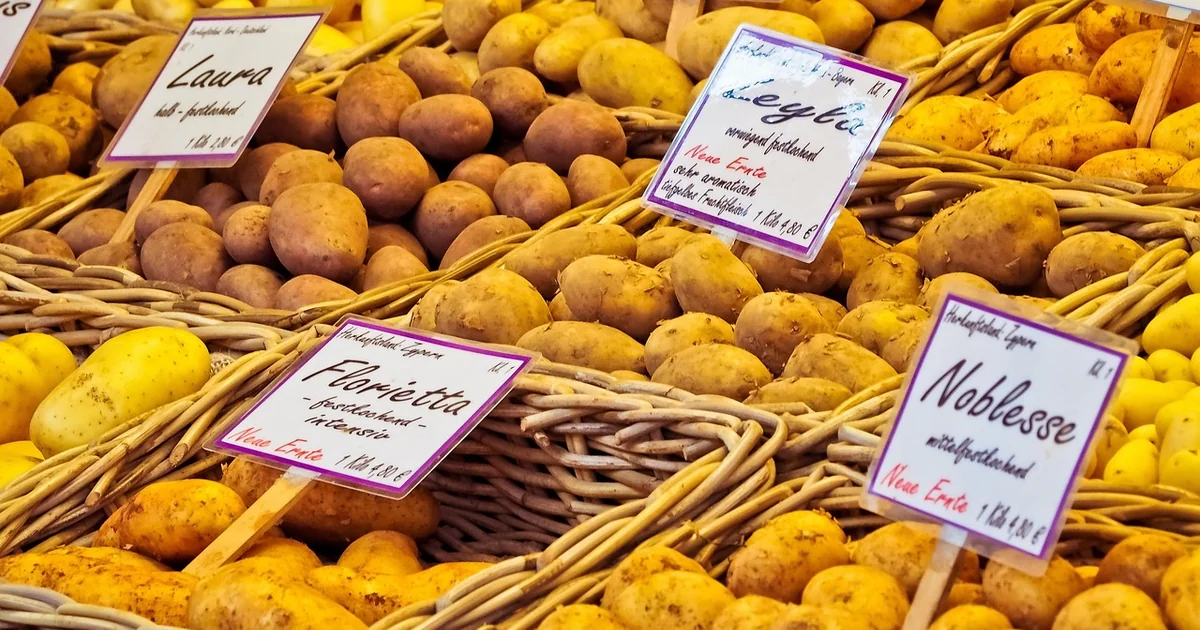
Early-season varieties such as Red Norland or Yukon Gold are ready in about 60 to 80 days. Mid-season varieties such as Kennebec or Katahdin need roughly 80 to 100 days. Late-season varieties such as Russet Burbank or Purple Viking can take 100 to 130 days. If your plants still look green and healthy long after the expected maturity date, something else may be at play. This mismatch can arise from unusually cool weather, heavy shade, or excessive nitrogen that keeps foliage green growth vigorous at the expense of tuber development.
Adjusting for Your Growing Region
For most home gardeners in the northern hemisphere, August and September are the primary harvest months for storage potatoes. Gardeners in warmer climates may harvest earlier in the year or grow a second crop in the fall. Keep a simple log each season of planting dates, variety names, and actual harvest dates. After two or three years you will develop a strong sense of how your local weather patterns shift the timing.
Sign 5: The Soil Temperature and Weather Conditions Line Up
The fifth sign is less about the plant and more about the environment. Potato tubers grow best when soil temperatures stay between 60 and 70 degrees Fahrenheit. As the soil cools in autumn, tuber growth slows and eventually stops. Harvesting before the ground temperature drops below 50 degrees is ideal. Potatoes left in cold soil for extended periods can develop a higher sugar content, which leads to dark-colored fries and an off-sweet flavor when cooked.
The Danger of Waterlogged Soil
Another environmental cue relates to moisture. If a heavy rain is forecast, it is often inches or more in a single event potatoes sitting in waterlogged soil for more than 24 to 48 hours are at risk of developing soft rot. If your foliage has already died back and heavy rain is predicted, it is wise to harvest a few days early. Wet potatoes can still be cured successfully, but wet soil combined with mature tubers invites disease.
Container-Grown Potatoes
Potatoes grown in containers, fabric grow bags, or raised beds warm up faster than in-ground soil. This often means they mature earlier. However, the same signs apply. Wait for the foliage to yellow and die back, then perform the thumb test. Container potatoes are also easier to harvest by dumping the entire container onto a tarp and sifting through the growing medium by hand.
How to Harvest: Best Practices for Each Sign
Once you have confirmed the potato harvest signs and decided it is time to dig, how you lift the potatoes matters as much as when you lift them. Bruised potatoes rot faster. Cut potatoes attract pests and invite decay. A few simple tools and techniques make all the difference.
Use a Garden Fork, Not a Shovel
A garden fork with broad, flat tines is far less likely to slice through a potato than a sharp shovel blade. Insert the fork at least ten inches away from the base of the plant, angle it slightly, and lever the soil upward gently. The tines lift the entire root mass so you can collect the tubers by hand. If you hit resistance, dig from a different angle rather than forcing the fork through the soil.
Handle Potatoes Like Eggs
Drop potatoes into a bucket or basket, not a heavy pile where they can knock against each other. Any nicks or scrapes become entry points for bacteria during storage. For new potatoes, this gentle handling is less critical because they will be eaten soon. For storage potatoes, treat each tuber with the same care you would give a carton of eggs.
You may also enjoy reading: 7 Tips to Grow & Care for Inkberry Holly.
Leave Them in the Sun Just Long Enough
After digging, leave the potatoes on the soil surface for an hour or two if the weather is dry and not scorching hot. This helps the skins dry quickly and any small cuts or abrasions to heal over. Do not leave them out overnight, as moisture from dew can undo the benefit. If rain threatens, move them under a covered porch or into a garage immediately.
Curing and Storing Your Harvest
Knowing the signs is only half the journey. Proper curing separates a keeper from a waste. Potatoes that go directly from soil to storage without a curing period often shrivel and sprout within weeks.
The Two-Week Cure
Spread your harvested, unwashed potatoes in a single layer in a shaded, well-ventilated location such as a basement, garage, or spare room. Keep them out of direct sunlight. The ideal curing temperature is between 50 and 60 degrees Fahrenheit, with high humidity around 85 to 90 percent. After about two weeks, the skins will have thickened and minor wounds will have healed. Brush off loose soil lightly with your hands. Do not wash them.
Storage Conditions
Once cured, move the potatoes to a dark, cool, dry place with a temperature of 38 to 40 degrees Fahrenheit. A cellar, crawl space, or an unheated closet works well. Do not store them in the refrigerator. The humidity inside a typical refrigerator is too high, which can cause condensation and rot. Also, avoid storing potatoes near onions. Onions release gases that accelerate sprouting in potatoes, and potatoes release moisture that softens onions.
What to Do with Damaged Potatoes
Separate out any potatoes with cuts, cracks, or gouges before curing. Eat these within a week or two. Do not store them with the rest of the crop. One rotting potato releases moisture and ethylene gas that can ruin an entire bin. The same goes for green potatoes. Any tuber that has developed a green tint from light exposure contains solanine, a natural toxin that can cause digestive upset. Cut away green areas generously or discard the entire potato.
Saving Seed Potatoes for Next Season
A final twist on the harvest story: you can set aside some of your best potatoes to replant next spring. This practice saves money and lets you select for traits that performed well in your specific soil and climate.
Selecting and Preparing Seed Potatoes
Choose medium-sized, firm, blemish-free potatoes from plants that produced the heaviest yields. About three to four weeks before your planned spring planting date, bring the seed potatoes to a warm, sunny area and spread them in a single layer. Cover them loosely with moist burlap or damp paper towels. Within a few weeks, the eyes will begin to sprout small green shoots.
Cutting and Curing Seed Pieces
When planting time arrives, cut large seed potatoes into segments roughly two ounces each. Every segment should contain at least one visible sprout or eye. Let the cut pieces sit out for two to three days with the cut side facing up. This allows a protective callus to form over the cut surface, reducing the risk of rot in the ground. Plant each segment with the sprout pointing upward, about four to six inches deep.
Each seed piece, if treated well, will produce a full hill of potatoes in a few months. Average yield runs about five to six potatoes per plant, though some varieties and favorable conditions can double that number.
Frequently Asked Questions About Potato Harvest Signs
Can I harvest potatoes before the foliage dies back?
Yes, but only if you want new potatoes. New potatoes are dug two to three weeks after flowering ends. They will be small, tender, and thin-skinned. They will not store well, so plan to eat them within a week or two.
How long can potatoes stay in the ground after the foliage dies?
You typically have about two to three weeks after foliage dies before the potatoes need to come out. Beyond that, the risk of freezing ground, pest invasion, and rot increases. In cool autumn weather without frost, you may have a bit more time, but waiting too long invites trouble.
What happens if I harvest potatoes too early?
Early harvest yields small potatoes with thin skins that bruise and rot easily. They are delicious as new potatoes but disappoint if you were hoping for large storage spuds. If you have already dug them, treat them as new potatoes and eat them quickly.
Do I need to water potatoes before harvesting?
It is better to stop watering potato plants about two to three weeks before you plan to harvest, especially if you are aiming for storage potatoes. Dry soil helps the skins set and makes digging easier. If you water right before harvest, the wet soil clings to tubers and may encourage rot during curing.
Can I harvest potatoes after a frost?
Yes, as long as the frost was light and the soil has not frozen. A light frost kills the foliage but leaves the tubers unharmed. If the ground has frozen, wait for a thaw before digging. Digging frozen potatoes damages their cell structure and leads to mushiness.
A Final Word on Reading the Signals
Learning to recognize potato harvest signs transforms the experience of growing your own food. Instead of guessing and hoping, you become an attentive observer who understands what the plant needs and when. The flowers, the yellowing leaves, the firmness of the skin, the passing of days, and the temperature of the soil all tell a story. By listening to each signal, you ensure that every potato you lift from the ground reaches its full potential whether you slice it into a skillet that evening or tuck it away for a winter stew months from now.