The Wedding That Changed Bridal Flowers Forever
On a warm Saturday morning in September 1996, a small wooden church on Cumberland Island, Georgia, became the setting for one of the most quietly influential weddings of the late twentieth century. Carolyn Bessette, a former Calvin Klein executive known for her clean, minimalist aesthetic, married John F. Kennedy Jr. in a ceremony that drew global fascination.
She wore a bias-cut ivory silk gown by Narciso Rodriguez, then a relatively unknown designer. The dress had no lace, no beading, no train that swept the floor. It was simple in a way that felt almost radical for a Kennedy wedding. And in her hands, she held a small cluster of lily of the valley, barely larger than her palm, tied with a white satin ribbon. No cascading orchids. No elaborate roses. Just those tiny white bells on slender green stems.
The image, captured by photographer Denis Reggie, shows Carolyn looking down at the flowers with a quiet expression. That photograph circulates widely online even now, nearly three decades later. It has become a visual shorthand for understated bridal elegance.
But the choice of flower was far from random. It carried a weight that most observers did not recognize at the time.
A Deliberate Nod to a Woman She Never Met
Carolyn Bessette never had the chance to meet her mother-in-law. Jacqueline Kennedy Onassis died in May 1994, more than two years before the wedding. Yet Carolyn was acutely aware of the legacy she was marrying into. She had spent time with the Kennedy family and understood the cultural gravity of becoming John’s wife.
Jackie Kennedy had adored lily of the valley throughout her life. She chose the flower for her formal wedding portraits when she married John F. Kennedy in 1953. During her time as First Lady, she regularly requested that lily of the valley be arranged in the White House. The flowers were placed on her breakfast tray each morning so she could wake to their delicate, sweet fragrance. And when Jackie died, her mahogany casket was covered in ferns with a white cross made entirely of lilies of the valley.
The carolyn bessette lily of the valley bouquet was not merely a pretty choice. It was a purposeful gesture of respect and recognition. Carolyn was signaling, in her quiet way, that she understood the path she was walking and the woman who had walked it before her. It was a fragrant love letter to a mother-in-law she would never meet.
This kind of thoughtfulness defined Carolyn’s approach to many things. Friends described her as deeply intentional, someone who considered every detail carefully. She did not do things simply because they looked good. She did them because they meant something.
What Lily of the Valley Actually Symbolizes
Lily of the valley, known botanically as Convallaria majalis, carries centuries of accumulated meaning. In the language of flowers, it represents purity, humility, and the return of happiness. These three qualities give the carolyn bessette lily of the valley bouquet an almost unbearably poignant quality when viewed in retrospect.
Purity speaks to the fresh start of a marriage. Humility reflects Carolyn’s own public demeanor. She was famously private, rarely giving interviews, and she did not seek the spotlight that came with her new name. And the return of happiness hints at something deeper. The Kennedy family had endured so much public tragedy by 1996. John’s wedding represented a new chapter, a hopeful turn. The flower choice seemed to acknowledge that too.
Lily of the valley blooms in spring, usually for only about three weeks. The flowers are small, white, and bell-shaped, hanging from a single arched stem. They do not announce themselves from across the room. You have to lean in, bend down, and get close to appreciate them. And when you do, you are rewarded with one of the most intense, sweet fragrances in the plant world. The scent is almost narcotic in its power.
Much like Carolyn herself, the flower does not demand attention. It waits for those who are paying attention.
Why the carolyn bessette lily of the valley choice still resonates
Nearly thirty years after that September wedding, the lily of the valley bouquet remains one of the most referenced and replicated bridal choices in the world. Brides who were not yet born when Carolyn walked down the aisle still request it by name. Florists report that the image of that small white cluster continues to appear on mood boards and inspiration pins with remarkable consistency.
What makes this staying power unusual is that bridal trends typically shift every few years. The oversized peony arrangements of the early 2000s gave way to the wildflower aesthetic of the 2010s, which then evolved into the dried-flower and pampas-grass looks of the early 2020s. Through all of these shifts, the lily of the valley bouquet has remained a constant reference point.
Florists cite Carolyn’s wedding as a turning point for the entire industry. It was the moment when minimalism in bridal flowers moved from a niche preference to a mainstream aspiration. Before 1996, many brides felt pressure to carry large, elaborate arrangements. After Carolyn’s wedding, the idea that smaller could be more powerful gained real traction.
But the bouquet’s endurance is not simply about aesthetics. What makes it timeless is the sense that every element of Carolyn’s wedding look was purposeful. She was not just choosing a flower. She was choosing a story. She was writing herself into a legacy with intention and care. That kind of authenticity cannot be faked, and it cannot be copied. It can only be felt.
The Flower Itself: A Closer Look at Convallaria Majalis
Lily of the valley is native to temperate regions of the Northern Hemisphere, including parts of Europe and North America. It thrives in shady woodland areas where the soil stays moist and cool. The plant spreads through underground stems called rhizomes, forming dense colonies over time. This is why you often see it carpeting the forest floor in spring.
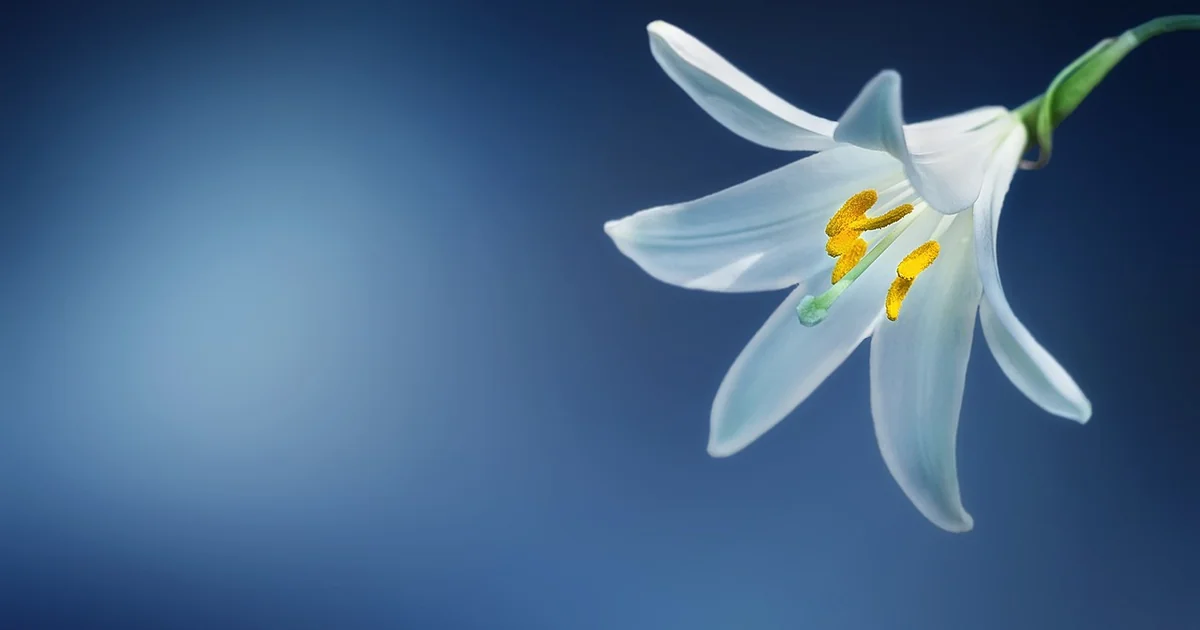
Each plant produces one or two flowering stems, each bearing five to fifteen small white bells. The flowers are waxy and durable, lasting about two to three weeks on the plant. As cut flowers, they last roughly five to seven days if kept in cool water. The fragrance is strongest in the morning and evening.
One surprising fact about lily of the valley is that it contains cardiac glycosides, compounds that can be toxic if ingested. Every part of the plant is poisonous, including the berries that appear after flowering. This toxicity means gardeners with young children or curious pets need to think carefully about where they plant it. The same quality that makes the flower so resilient also makes it dangerous.
In perfumery, lily of the valley is notoriously difficult to capture. The fragrance is so delicate that synthetic compounds are often used to recreate it. The natural essential oil is almost impossible to extract in commercial quantities. This is why the scent of real lily of the valley feels so immediate and fleeting at the same time. It is a fragrance that refuses to be contained.
You may also enjoy reading: Bella Thorne’s Barely-There Bikini: 5 Wild Reactions.
How to Grow Lily of the Valley at Home
If the story of Carolyn’s bouquet has inspired you to grow lily of the valley yourself, the good news is that these plants are surprisingly easy to cultivate. They require very little effort once established and will reward you with years of spring blooms.
The best time to plant lily of the valley is in the fall, about six to eight weeks before the first hard frost. You can buy bare-root pips, which are small sections of rhizome with visible buds, from garden centers or online retailers. Plant them about one inch deep and six inches apart. Space them generously because they will spread on their own over time.
Choose a location with partial to full shade. Lily of the valley does not tolerate direct afternoon sun, especially in warmer climates. Under a deciduous tree or along the north side of a house works well. The soil should be rich in organic matter and drain reasonably well. If your soil is heavy clay, mix in some compost or leaf mold before planting.
Water the pips thoroughly after planting and keep the soil moist through the first growing season. After that, the plants are quite drought-tolerant. They will spread via rhizomes and may need thinning every three to four years to keep them from taking over an area completely.
In terms of maintenance, lily of the valley requires almost nothing. You can cut back the foliage after it yellows in late summer, but many gardeners leave it to die back naturally. A light layer of mulch in fall helps protect the roots through winter. No fertilizer is needed if the soil is reasonably fertile.
For cut flowers, harvest the stems when about half of the bells on each stem have opened. Place them immediately in cool water. They will continue to open over the next day or two. The fragrance will fill a room with surprising intensity for such small flowers.
Safety Considerations for Home Gardeners
Because lily of the valley is toxic, you need to take precautions if you have children or pets. Plant it in areas that are not easily accessible to toddlers or curious dogs. Wear gloves when handling the pips or dividing established clumps. Wash your hands thoroughly after any contact with the plant.
The red berries that appear in late summer are particularly attractive to children, who might mistake them for food. If this is a concern in your household, consider cutting off the flower stalks after blooming so the berries do not form. This also keeps the plant’s energy focused on root growth rather than seed production.
Despite these cautions, lily of the valley remains a beloved garden plant for millions of people. The risks are manageable with basic awareness. The beauty and fragrance are worth the small effort required to plant it safely.
The Lasting Legacy of a Simple Gesture
What makes the carolyn bessette lily of the valley bouquet so powerful is that it was never intended to be iconic. Carolyn did not set out to create a trend. She made a personal choice that happened to resonate with millions of people. That authenticity is what gives the story its staying power.
The bouquet also reminds us that the smallest details often carry the most meaning. A cluster of flowers no larger than a hand can speak volumes about love, respect, and the quiet ways we honor those who came before us. Carolyn could have chosen any flower in the world. She chose the one that connected her to Jackie. That choice tells us more about her character than any interview ever could.
For gardeners, the story adds another layer of appreciation. Every time you plant a pip in the fall or cut a stem in the spring, you are participating in a tradition that stretches back through centuries of symbolism and personal meaning. You are growing the same flower that Jackie Kennedy woke up to each morning, that Carolyn Bessette carried on her wedding day, and that continues to inspire brides around the world.
That is a remarkable thing for such a small, quiet flower to accomplish.