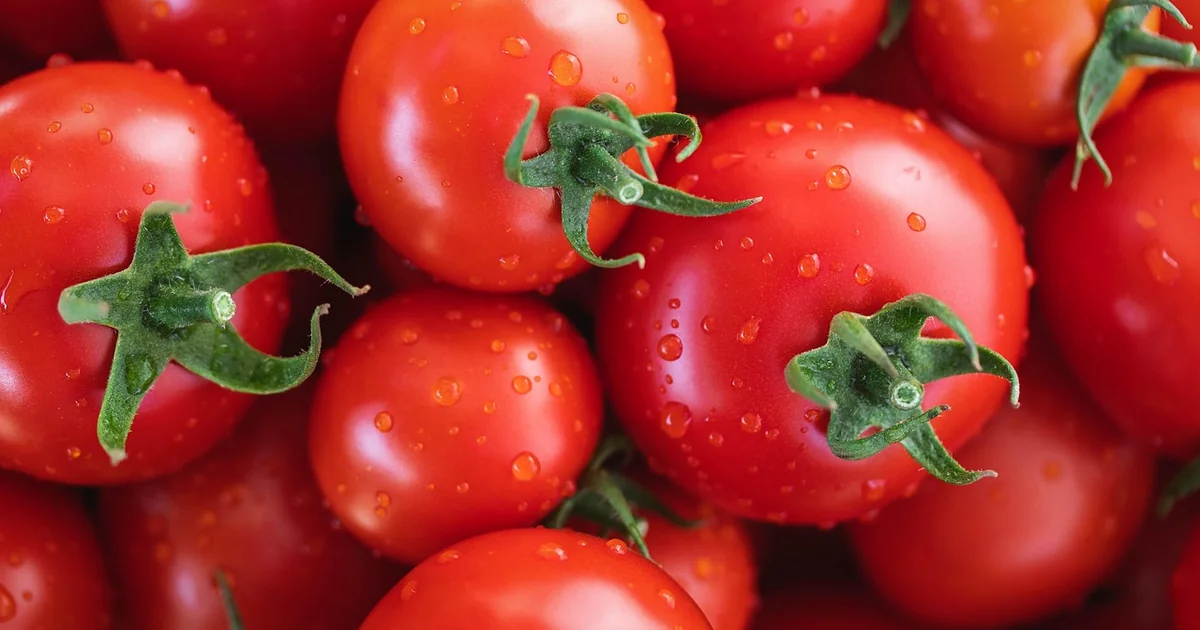
Picture this: you walk into your backyard, spot a plump red tomato hanging from the vine, pluck it while it is still warm from the sun, and take a bite. The flavor explodes in your mouth in a way no grocery store tomato ever could. If this scenario sounds more like a dream than your reality, do not worry. You are not alone in struggling with tomato plants that refuse to cooperate. The good news is that with a few targeted adjustments, anyone can grow perfect tomatoes right in their own garden. Tomatoes are the most popular crop grown at home, yet they frustrate even seasoned gardeners. The difference between a disappointing harvest and a bountiful one often comes down to five key secrets that experts rely on season after season.
The First Secret to Grow Perfect Tomatoes: Plant Deep for a Sturdy Foundation
Most vegetable plants have strict rules about planting depth. Bury the stem too deep and the plant suffocates. Tomatoes break that rule in the best possible way. They are one of the few garden plants that thrive when you bury a significant portion of the stem underground.
Why Depth Matters More Than You Think
When you plant a tomato seedling deep, the buried stem sends out additional roots along its length. These roots are called adventitious roots, and they dramatically increase the plant’s ability to absorb water and nutrients. A tomato plant with a robust root system handles heat waves, dry spells, and pest pressure far better than a shallow-rooted one. Research from horticultural programs at several state universities shows that deep-planted tomatoes can develop root systems up to three times larger than those planted at soil level.
This single technique addresses one of the most common causes of weak tomato plants: inadequate root development. Home gardeners often dig a hole only as deep as the nursery pot, leaving most of the stem exposed. The plant survives but never reaches its true potential.
How Deep Should You Actually Go?
Joe Lamp’l, the organic gardening expert and host of the PBS series Growing a Greener World, demonstrates this technique in his video tips. He recommends removing the lower leaves from the seedling and burying the stem up to the top two or three sets of leaves. If your seedling is tall and leggy, you can even lay it horizontally in a trench and gently curve the top upward. The buried stem will root along its entire length. Aim for a planting depth of about six to eight inches for most standard transplants. This method lets your plants develop better root systems and gives them a head start against summer stress.
The Second Secret: Water Deeply and Consistently
Watering mistakes rank among the top reasons home tomato crops fail. The instinct to give plants a little water every day actually causes more harm than good. Tomatoes need deep, infrequent watering that encourages roots to travel downward in search of moisture.
The Blossom End Rot Connection
Blossom end rot is that dark, sunken patch that appears on the bottom of otherwise perfect tomatoes. Many gardeners assume it is a disease or a pest problem. In reality, it is a physiological disorder caused by inconsistent watering coupled with a calcium deficiency. When a tomato plant dries out severely and then receives a sudden flood of water, it cannot transport calcium to the developing fruit fast enough. The fruit cells at the bottom collapse, leaving that ugly brown spot.
Statistics from extension services across the country indicate that blossom end rot affects approximately 30 to 40 percent of home tomato plants in any given season. The fix is simple but requires discipline: water regularly and deeply. Do not skip several days and then try to make up for it with a heavy soak. A consistent schedule prevents the moisture swings that trigger the problem.
Best Practices for Watering Tomato Plants
Use a controlled nozzle on your garden hose or a drip irrigation system to direct water right at the soil level. Keeping the foliage dry is critical because wet leaves invite fungal diseases such as early blight and septoria leaf spot. Aim to provide about one to two inches of water per week, depending on your climate and soil type. During hot summer weeks, you may need to water every two to three days rather than once a week. Check the soil moisture by sticking your finger two inches into the ground. If it feels dry at that depth, it is time to water. Consistency is the secret weapon that helps you grow perfect tomatoes without the heartbreak of rotten fruit bottoms.
The Third Secret: Select the Right Tomato Varieties for Your Goals
Not all tomato plants behave the same way. Some are vigorous and disease-resistant, while others are delicate and require constant attention. Choosing the wrong variety for your skill level and climate sets you up for frustration before you even put a plant in the ground.
Heirlooms vs. Hybrids: What You Need to Know
Heirloom tomatoes have a rich story behind them. They are open-pollinated varieties that have been passed down through generations. Their flavors are complex, intense, and often superior to anything you find in a supermarket. That said, heirlooms can be more challenging for a new gardener. They lack the built-in disease resistance that modern hybrids offer. Varieties like Brandywine, Cherokee Purple, and Black Krim are adored by foodies but can be susceptible to fusarium wilt, verticillium wilt, and other soil-borne diseases.
Hybrid tomatoes, on the other hand, are bred specifically for resilience. Breeders cross two different parent lines to create offspring with traits like disease resistance, uniform ripening, and sturdy stems. Varieties such as Celebrity, Better Boy, and Early Girl have been staples in home gardens for decades because they deliver reliable harvests even when conditions are less than ideal. For a new gardener, that may be a better choice as it gives you a head start and fewer challenges.
Matching Variety to Your Growing Conditions
Consider your local climate when selecting seeds or seedlings. If you live in a region with hot, humid summers, look for varieties labeled as resistant to fungal diseases. If your growing season is short, choose early-maturing types that produce fruit in 60 to 70 days. Indeterminate varieties keep growing and producing all season long, while determinate types grow to a fixed height and ripen their fruit all at once. If you plan to can sauce or make salsa, determinate varieties give you a large harvest in a short window. If you want fresh tomatoes for salads all summer long, go with indeterminate types. Making the right choice at the start removes many of the obstacles that prevent people from succeeding.
The Fourth Secret to Grow Perfect Tomatoes: Master Seed Starting or Buy Smart
Every tomato plant starts as a tiny seed or a nursery transplant. The decision you make in early spring influences your entire growing season. Some gardeners love the process of starting seeds indoors. Others prefer the convenience of buying seedlings. Both approaches can work, but each requires specific knowledge.
Starting Seeds Indoors the Right Way
If you choose to start from seed, begin six to eight weeks before your area’s last expected frost date. Use a high-quality seed starting soil mix and dampen it before filling your containers. Sow the seeds about a quarter to an eighth of an inch deep, following the package instructions for the specific variety. Place the containers in a sunny window, or better yet, under a grow light. A heat mat set to around 70 to 75 degrees Fahrenheit speeds up germination significantly. Keep the soil consistently moist but not waterlogged. Once the seedlings emerge, provide bright light for 14 to 16 hours per day. Without enough light, seedlings become leggy and weak, which sets them up for problems later in the season.
You may also enjoy reading: 7 Proven Tips to Grow and Care for Calathea Ornata.
Joe Lamp’l mentioned that he starts tomatoes from seed when his schedule allows. He loves the head start it gives him, allowing him to begin gardening in February while the outdoor garden is still dormant. But he also acknowledges that time constraints sometimes force him to buy seedlings. There is no shame in taking that route. The key is to handle whichever option you choose with care and attention.
What to Look for When Buying Seedlings
If you purchase seedlings from a garden center or nursery, inspect them carefully before bringing them home. Avoid plants that are already flowering or fruiting in the pot. Young plants that are still focused on vegetative growth transplant better and produce more fruit overall. Look for sturdy stems, deep green leaves, and no signs of yellowing or spots. Avoid tall, leggy plants that have been sitting on the shelf too long. A compact, healthy seedling with a thick stem will outperform a weak one every time. Whether you start from seed or buy transplants, the goal is to give your plant the strongest possible beginning so you can grow perfect tomatoes from the very first fruit.
The Fifth Secret: Feed the Soil Before You Feed the Plants
Tomatoes are heavy feeders. That phrase gets thrown around a lot, but many gardeners underestimate just how much nutrition a vigorous tomato plant requires. If the soil lacks organic matter and nutrients, the plant will struggle to produce quality fruit regardless of how well you water or how carefully you choose the variety.
Compost Is Your Best Friend
Before planting, mix aged compost into your garden soil at a ratio of roughly one part compost to three parts native soil. Compost improves soil structure, adds beneficial microorganisms, and provides a slow-release source of essential nutrients. It also helps the soil hold moisture without becoming waterlogged. A soil test from your local extension office can tell you exactly what your garden is missing, but a generous addition of compost covers most deficiencies in a general way.
Tomatoes need three primary nutrients in large amounts: nitrogen, phosphorus, and potassium. Nitrogen supports leafy growth early in the season. Phosphorus encourages strong root development and flower formation. Potassium contributes to fruit development and disease resistance. A balanced organic fertilizer applied at planting time and again when the first fruits appear gives your plants the steady supply of food they need.
Avoiding Common Fertilizer Mistakes
One of the most frequent errors home gardeners make is overdoing nitrogen. Too much nitrogen produces a tall, lush plant with deep green leaves but very few flowers and almost no fruit. The plant looks healthy but fails to deliver. Switch to a fertilizer with a lower nitrogen ratio once the plant begins to flower. Look for a product with a ratio like 5-10-10 or 8-8-8 instead of a high-nitrogen lawn fertilizer. Side-dress your plants with compost or a balanced organic blend every three to four weeks during the growing season. Consistent nutrition keeps the plant producing steadily rather than in fits and starts.
Soil preparation is the foundation upon which everything else rests. If you take the time to enrich your soil with compost and the right nutrients before planting, you will notice the difference in every single fruit that ripens on the vine. This is the step that many novice gardeners skip, and it is often the reason their tomatoes end up small, bland, or scarce.
Bringing the Five Secrets Together in Your Garden
These five secrets are not complicated on their own, but they require you to show up consistently. Plant deep. Water regularly and deeply at the soil level. Choose the right variety for your conditions and your skill level. Start seeds properly or buy high-quality seedlings. Feed your soil with compost and balanced nutrients before and during the season. When you combine these practices, the frustrating problems that plague so many tomato growers begin to disappear.
Joe Lamp’l summed it up well when he said that tomatoes are not particularly difficult to grow. They just need regular attention. The gardeners who struggle are often the ones who plant with great enthusiasm and then forget to check on their plants for days at a time. If you set a simple weekly routine that includes checking soil moisture, inspecting for pests, and removing any yellowing leaves, you will stay ahead of most issues before they become disasters.
There is nothing quite like harvesting your first ripe tomato of the season and realizing that you grew it yourself. The flavor is bright, the texture is firm but tender, and the satisfaction is immense. By applying these five expert secrets, you can turn that dream into a reliable yearly harvest. Get your hands in the soil, pay attention to the details, and enjoy the best tomatoes your garden has ever produced.