Why Sunlight Makes or Breaks Your Tomato Harvest
Every gardener who has tried growing tomatoes knows the balancing act that light requirements demand. Too little sun and your plants grow leggy with sparse fruit. Too much intense heat and the leaves curl, the blossoms drop, and the fruits develop sunscald. It depends on your climate, your garden layout, and the specific variety you choose. Understanding how tomatoes direct sunlight affects every stage of growth will help you make the right call for your space.
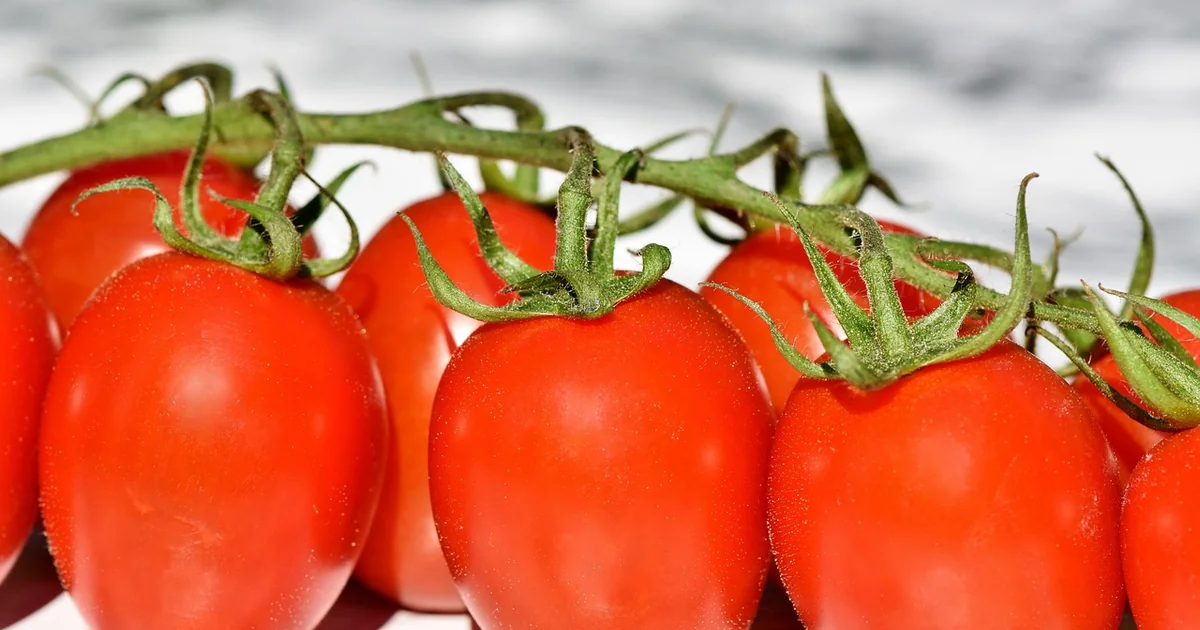
Tomato plants are native to the Andean region of South America, where they evolved under strong, consistent sun exposure. That evolutionary history explains why modern varieties still crave high light levels. But the relationship between light and fruit production is more nuanced than a simple “more is better” rule. Heat stress, sun angle, and the duration of exposure all play critical roles in determining whether your plants thrive or merely survive.
This article walks through seven practical tips that address the most common light-related challenges home gardeners face. Whether you are working with a sun-drenched backyard, a partly shaded balcony, or a windowsill with limited exposure, these strategies will help you get the most from your tomato plants this season.
The Science Behind Tomatoes Direct Sunlight Requirements
Before diving into the tips, it helps to understand what happens inside a tomato plant-side when light hits those leaves. Tomato plants use sunlight to power photosynthesis, the process that converts carbon dioxide and water into sugars and energy. According to gardening writer Kathi Rogers, sunlight is essential for photosynthesis, which is how tomato plants convert sunlight into energy to grow and produce fruit. The plants use that energy to develop deep roots, strong stems, leaves, flowers, and eventually fruit.
Direct sunlight delivers the full spectrum of light, including UV rays that trigger specific biochemical responses. Gardening expert Lindsay Springer explains that the UV spectrum of light is essential to sync the balance of sugar and flavor ripening processes, along with the development of healthy antioxidants. This means the quality of light matters just as much as the quantity. A tomato grown under filtered light may still produce fruit, but the flavor profile and nutritional density will likely fall short of what the same variety could achieve under full sun.
Now let us get into the seven tips that will help you manage tomatoes direct sunlight for the best possible harvest.
Seven Gardener Tips for Managing Tomato Light Exposure
Tip 1: Target Six to Eight Hours of Direct Sun Daily
This is the gold standard for almost every tomato variety. Six to eight hours of unobstructed sun gives the plant enough energy to produce a robust root system, sturdy stems, and abundant fruit. Rogers states plainly that tomatoes need six to eight hours of full, direct sunlight. Springer agrees and says that eight hours of direct sunlight will yield excellent plant growth, flowering, and fruit.
If you are measuring your garden space, keep in mind that “direct sunlight” means the sun hits the plant without passing through trees, buildings, or sheer curtains. Morning sun from 7 a.m. to 10 a.m. counts, but it is not as intense as midday sun. The total accumulated energy matters. A spot that gets six hours of direct sun in June will deliver more photosynthetic power than the same six hours in September because the sun sits higher in the sky during summer.
To measure your garden accurately, pick a clear day and check the planting area every hour from sunrise to sunset. Mark which hours the sun hits the ground directly. If you come up short, the tips below offer ways to compensate.
Tip 2: Prioritize Morning Sun Over Afternoon Blaze
Not all direct sunlight is created equal. Morning sun is gentler and helps dry dew from the leaves, which reduces the risk of fungal diseases such as early blight and septoria leaf spot. Afternoon sun is hotter and more intense, which can push leaf temperatures past the optimal range for photosynthesis.
If your garden offers only six hours of direct sun, try to arrange it so those hours fall between 7 a.m. and 1 p.m. rather than noon to 6 p.m. The morning light gives the plant energy to fuel the day’s growth without overwhelming it with heat. In hot climates where summer temperatures regularly exceed 32 degrees Celsius, afternoon shade can actually protect the plant from heat stress while still delivering enough light for good fruit production.
Consider a reader who lives in Phoenix, Arizona, where summer highs hit 40 degrees Celsius. That gardener would be wise to plant tomatoes where they receive morning sun and afternoon shade, perhaps on the east side of a fence or building or under a shade cloth that blocks the harshest afternoon rays. The same principle applies in other hot, arid regions.
Tip 3: Prune Strategically to Let Light Reach All Parts
Tomato plants, especially indeterminate varieties, can become dense thickets of foliage as the season progresses. Leaves overlap, branches crowd each other, and the interior of the plant receives almost no direct light. This not only reduces overall photosynthesis but also creates humid pockets where disease thrives.
Gardening expert Steven Corcoran notes that tomato plants can become dense as they grow, so it is important to provide them with as much sunlight as much sunlight as possible to ensure enough filters through to the plant. He says it definitely helps to prune them a little bit and provide them with support to allow more sunlight to filter in.
Focus your pruning on three categories of growth. First, remove branches that rub against each other, as the friction creates wounds that invite infection. Second, cut away branches that touch the ground, because soil-borne pathogens can splash onto lower leaves during rain or watering. Third, remove leaves that have turned brown or yellow, as they are no longer contributing energy and may be harboring spores.
A good rule of thumb is to keep the bottom 30 to 40 centimeters of the main stem clear of foliage. This improves airflow and ensures that tomatoes direct sunlight can reach the lower part of the plant where many fruit trusses develop. Use clean, sharp pruners and make cuts at a 45-degree angle just above a leaf node.
Tip 4: Use Reflective Surfaces to Boost Light Levels
If your garden space receives only four or five hours of direct sun, you can amplify the available light by using reflective materials around the plants. White landscape fabric, reflective mulch, or even a vertical white wall or fence can bounce additional light onto the leaves from angles the sun does not hit directly.
Red plastic mulch is a popular choice among tomato growers because it reflects far-red light wavelengths that may influence fruit development. Studies have shown that red mulch can increase early yield by 10 to 20 percent in some conditions, though results vary by climate and variety. White or silver mulch reflects more total light and can help keep roots cooler in hot weather.
For container gardeners on a balcony, a simple trick is to place a white panel or a mirror safely positioned behind the pots to reflect light back toward the plants. Be careful with mirrors, however, because concentrated reflected light can scorch leaves if the angle is wrong. A matte white surface is safer and still effective.
This technique is especially useful for gardeners who have a short growing season or limited southern exposure. Every bit of reflected light extends the effective daylight hours your plants experience.
Tip 5: Recognize the Signs of Light Stress Early
Many gardeners assume that if a little sun is good, a lot must be better. That is not always true. Tomato plants can suffer from both too little light and too much light, and the symptoms look different.
Too little light produces leggy growth, meaning the stems stretch long and thin between leaf nodes. The leaves may appear pale green or yellowish. The plant will produce fewer flowers, and the flowers that do appear may drop off without adequate pollination will drop off. Fruit that does set will be smaller and less flavorful than expected.
Too much intense light, especially when combined with high temperatures, causes heat stress. Leaves curl upward along the edges, a condition called leaf roll. The plant may drop its blossoms before they set fruit. On the fruit itself, sunscald appears as pale, papery patches on the side facing the sun. These patches can become entry points for rot organisms.
The critical distinction is that sunscald is caused by the combination of intense light and heat, not by light alone. In coastal climates where summer temperatures stay below 27 degrees Celsius, full sun all day is usually fine. In inland desert climates, some afternoon protection is often necessary.
If you see leaf curl or blossom drop during a heat wave, consider erecting a 30 percent shade cloth over the plants during the hottest part of the day. This reduces heat stress while still allowing plenty of light for photosynthesis. Remove the shade cloth when temperatures moderate.
Tip 6: Choose Tolerant Varieties for Lower Light Conditions
No tomato variety thrives in deep shade, but some are more forgiving of less-than-ideal light conditions than others. If your garden receives only four to five hours of direct sun, selecting the right variety can make the difference between a modest harvest and no harvest at all.
Cherry tomatoes and small-fruited types generally perform better in lower light than large beefsteak varieties. Corcoran mentions that cherry or Mama Leone tomatoes may tolerate a bit more indirect light or shade than others, but generally tomatoes like direct sun. The smaller fruits require less total energy to ripen, so the plant can produce a reasonable crop even with limited light.
You may also enjoy reading: Make a Toad Abode to Get Rid of Slugs: 7 Ways.
Other varieties known for shade tolerance include Oregon Spring, Stupice, and Sub Arctic Plenty. These were bred for short-season or cool-summer climates, which often come with lower light levels. They tend to be determinate or semi-determinate, meaning they grow to a fixed size and ripen their fruit in a concentrated window. This can be an advantage when light is limited because the plant does not waste energy on endless vegetative growth.
If you are growing in a spot with only indirect light, such as a north-facing balcony or a courtyard surrounded by tall buildings, consider these smaller varieties and manage your expectations. You may get a harvest of sweet cherry tomatoes rather than massive slicing tomatoes, but that is still a rewarding outcome.
Tip 7: Supplement with Grow Lights When Outdoor Options Are Limited
For gardeners who lack outdoor space altogether or whose yards are heavily shaded, grow lights offer a reliable way to provide tomatoes direct sunlight quality indoors. Modern LED grow lights are energy-efficient and produce a spectrum tailored to plant growth.
Springer recommends using grow lights if you do not have an outdoor space or do not have enough sunlight. These can even be used year-round indoors year-round, allowing you to start seeds early or grow tomatoes through the winter. The key is to position the lights close enough to the plants, typically 15 to 30 centimeters above the top leaves, and to run them for 14 to 16 hours per day.
Full-spectrum LED lights that include red and blue wavelengths are ideal. Red light promotes flowering and fruiting, while blue light supports leafy growth and compact structure. Some growers combine cool-white and warm-white fluorescent tubes to achieve a similar effect at a lower initial cost.
One practical scenario is a reader who lives in a high-rise apartment with a north-facing balcony. That balcony may receive only two hours of direct sun, which is insufficient for any tomato variety. By setting up a small grow light system on a timer, that reader can grow determinate cherry tomatoes in containers and achieve a harvest that rivals outdoor plants. The upfront investment of about 50 to 100 dollars for a decent LED panel pays for itself in the first season of homegrown fruit.
When using grow lights, remember to water at the base of the stem rather than overhead, as Springer advises, to reduce the risk of disease. Indoor plants are not exposed to wind and rain that naturally dry foliage, so keeping leaves dry is especially important in an indoor setup.
Common Questions About Tomato Light Requirements
Can tomatoes get too much direct sunlight?
Yes, but the problem is usually heat stress rather than light toxicity. Tomato leaves can handle high light levels as long as the temperature stays within a reasonable range. When air temperatures exceed 35 degrees Celsius, the plant’s photosynthetic machinery begins to shut down. The leaves curl to reduce surface area and conserve water. Blossoms may abort because the pollen becomes nonviable above about 37 degrees Celsius.
If you live in a region where summer temperatures regularly hit the high thirties, consider planting tomatoes where they receive morning sun and afternoon shade, or use shade cloth during heat waves. The goal is to give the plant enough light for good fruit development without pushing it into heat stress.
How do I tell if my tomato plant is getting the right amount of light?
Look at the stem spacing between leaf nodes. A healthy plant grown in adequate light will have short, compact internodes, meaning the leaves are close together along the stem. A plant that is stretching for light will have long, thin stems with wide gaps between leaves. This is called etiolation, and it is one of the clearest signs that your plant needs more direct sun.
Leaf color is another clue. Deep green leaves indicate good chlorophyll production, which requires sufficient light. Pale or yellowish leaves suggest the plant is not photosynthesizing at full capacity. The fruit itself also tells a story. Tomatoes grown in good light will be firm, evenly colored, and flavorful. Those grown in low light will be softer, paler, and less sweet.
Does the angle of the sun change the quality of light for tomatoes throughout the day?
It does. When the sun is low in the sky, early in the morning or late in the afternoon, the light travels through more atmosphere. This scatters some of the blue wavelengths and reduces the overall intensity. Midday sun, when the sun is near its zenith, delivers the most intense light with the shortest path through the atmosphere.
For practical purposes, this means that one hour of midday sun provides more photosynthetic energy than one hour of early morning sun. If you are counting hours of direct light, an hour at noon is worth more than an hour at 7 a.m. This is another reason to prioritize a location that gets sun during the middle of the day if you have to choose.
Putting These Tips Into Practice
Managing light for tomatoes does not have to be complicated. Start by measuring the sunlight in your garden space. If you have six to eight hours of direct sun, you are in a good position. Choose a full-sun variety, prune for airflow, and water at the base to keep leaves dry.
If you have less than six hours, choose a smaller-fruited variety, use reflective surfaces to maximize the light you do have, and consider pruning more aggressively to ensure the light reaches fruiting branches. In hot climates, prioritize morning sun and protect plants from afternoon heat.
If you have no outdoor space or very limited light, invest in a grow light system and grow determinate cherry varieties indoors. The initial setup cost is modest, and the reward of fresh tomatoes in winter is a reward worth pursuing.
The key takeaway is that tomatoes direct sunlight is not optional, but you can work with what you have. By understanding how light quantity, quality, and timing affect your plants, you can adapt your approach and still enjoy a satisfying harvest. Every garden is different, and the best strategy is the one that fits your specific conditions.