Order from Reputable Sources Early
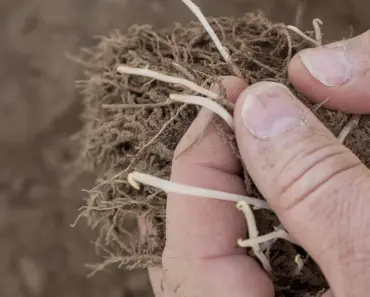
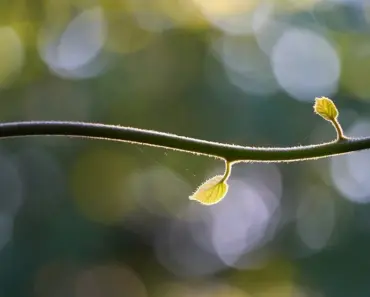
The foundation of any impressive harvest rests on the quality of your slips. These rooted cuttings determine how vigorously the vines grow and how large the tubers become. Popular sweet potato varieties sell out quickly from well-known nurseries. If you wait until mid-spring, you may end up with whatever remains unsold. Place your order in January or early February. This timing ensures you receive healthy, vigorous slips ready to plant when the soil warms.
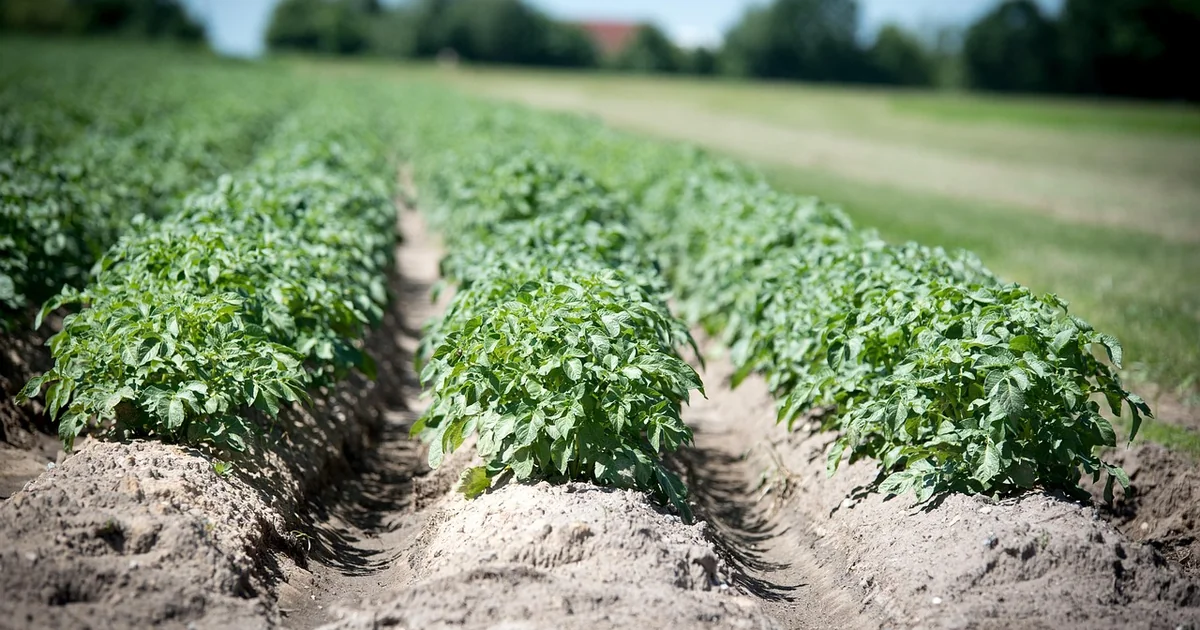
Local farmer’s markets sometimes carry slips in early spring. Online distributors offer a wide selection, including organic options. Some big box retailers stock them as well. The key is acting early. A slip that arrives stressed or late will never catch up to one that starts strong. For your biggest sweet potato crop, begin with the best possible plant material.
Grow Your Own Slips from Store-Bought Tubers
If you missed the ordering window or want to save money, produce your own slips. Choose an organic sweet potato from a grocery store or farmers market. Look for one that is firm and free of blemishes. Slice it in half lengthwise. Place each half cut-side down in a shallow tray filled with moist growing media or water. A clear cover helps retain humidity. Set the tray under grow lights or on a warm windowsill.
Within two to three weeks, small shoots emerge from the potato. When those shoots develop several leaves each, gently twist them off. Place each slip in a small pot with moist soil. Let them grow for another couple of weeks before transplanting them into the garden. This method costs almost nothing and lets you propagate a variety you already enjoy eating. Sweet potatoes contain high levels of polyphenols, compounds with anti-inflammatory and antioxidant properties. Growing your own ensures you have a steady supply of this nutrient-dense vegetable.
Secret 2: Prepare Soil That Encourages Deep Root Growth
Amend with Compost to the Right Depth
Sweet potatoes are root vegetables, and they need loose, nutrient-rich soil to reach their full size. Compacted ground forces tubers to grow in awkward shapes and limits their expansion. Before planting, work compost into your beds to a depth of at least 12 inches. If your soil is already loose and well-draining, 6 inches may be sufficient. The goal is to create a soft, fluffy environment where roots can travel downward without resistance.
Heavy clay soil presents a special challenge. It holds too much moisture and drains slowly, which can lead to rot. Mix in perlite, coarse sand, or agricultural grit to improve drainage. Raised beds offer another solution. They warm up faster in spring and provide the loose structure sweet potatoes prefer. Taking time to prepare the soil properly is one of the most important steps toward your biggest sweet potato crop.
Test and Adjust pH Before Planting
Sweet potatoes grow best in slightly acidic soil with a pH between 5.8 and 6.2. A simple soil test kit from a garden center can tell you where your soil stands. If the pH is too low, add garden lime. If it is too high, sulfur or peat moss can bring it down. Adjusting pH before planting gives your slips the best possible start. Most gardeners overlook this step, but it makes a measurable difference in tuber development.
Secret 3: Space Slips Correctly for Maximum Tuber Development
Give Each Plant Room to Spread
Crowded sweet potato plants compete for sunlight, water, and nutrients. The result is smaller tubers across the board. Space your slips about 12 inches apart in rows that are 3 to 4 feet apart. This distance allows each vine to spread freely and send energy down to the developing roots beneath.
If you are working with limited space, you can plant slightly closer together, but expect smaller individual tubers. For your biggest sweet potato crop, generous spacing is non-negotiable. The vines will fill in the gaps as they grow, creating a dense canopy that shades the soil and suppresses weeds. This natural weed control reduces competition for resources and helps the tubers expand steadily.
Plant at the Correct Depth
Set each slip into the soil so that the roots are fully covered and the lowest leaves sit just above the surface. Burying the stem too deeply can cause rot. Planting too shallow leaves the roots exposed to sun and air. A depth of about 2 to 3 inches works well for most slips. Firm the soil gently around each one and water thoroughly. Consistent depth across all your slips ensures even growth and makes harvesting easier later in the season.
Secret 4: Use Organic Mulch to Lock in Moisture and Block Weeds
Choose a Weed Seed-Free Mulch
Mulch does more than keep the garden looking tidy. It regulates soil temperature, conserves moisture, and prevents weed seeds from germinating. For sweet potatoes, a clean organic mulch is ideal. Products like Epic Organic Garden Straw are free of weed seeds and break down slowly over the season. This creates a stable environment beneath the vines, which is exactly what tubers need to expand steadily without stress.
Apply a 3 to 4 inch layer of mulch around your slips after planting. Keep the mulch a few inches away from the stems to prevent rot. As the vines grow, they will weave through the straw, creating a living mulch of their own. The combination of straw and foliage keeps the soil cool and moist even during hot summer weeks. Temperature swings can slow tuber growth, so a stable root zone is critical.
Replenish Mulch as Needed
Over time, organic mulch decomposes and settles. Check your beds every few weeks during the growing season. If the soil becomes visible through the straw, add another thin layer. Consistent coverage makes a noticeable difference in tuber size by reducing stress from temperature swings and dry spells. This simple maintenance task pays dividends when harvest time arrives.
Secret 5: Water Deeply and Feed Strategically
Establish a Consistent Watering Routine
Sweet potatoes need about 1 inch of water per week during the growing season. Irregular watering causes the tubers to develop cracks or grow in odd shapes. A deep soak once or twice a week is better than light daily sprinkling. Deep watering encourages roots to travel downward, where they find more consistent moisture and nutrients.
Drip irrigation works well for sweet potatoes. It delivers water directly to the root zone without wetting the foliage. Wet leaves can invite fungal diseases. If you use overhead sprinklers, water early in the morning so the leaves dry before evening. Consistency is the key. Plants that experience drought stress followed by heavy watering produce misshapen tubers that are harder to store.
Feed with Balanced Nutrition
Sweet potatoes are not heavy feeders, but they benefit from a balanced fertilizer applied at planting time. Look for a formula with a ratio around 5-10-10. The higher phosphorus and potassium levels support root development without encouraging excessive foliage growth. Too much nitrogen produces lush vines at the expense of tuber size. Many home gardeners make this mistake and end up with beautiful leaves but disappointing harvests.
You may also enjoy reading: 9 Beautiful Plants That Give Most Reward, Least Effort.
A side dressing of compost tea or a diluted fish emulsion halfway through the season can give plants a gentle boost. Avoid over-fertilizing. More is not better when it comes to sweet potatoes. A steady, moderate supply of nutrients produces the best results. Sweet potatoes also serve as an excellent substitute for regular potatoes where insulin production is a concern, making them a smart choice for health-conscious families.
Secret 6: Grow in Large Containers When Garden Space Is Limited
Choose a Pot That Gives Roots Room to Expand
Not everyone has a sprawling garden bed. Sweet potatoes adapt well to container growing as long as the pot is large enough. A 15 to 20 gallon container provides the volume needed for decent tuber development. Fill it with high-quality potting soil mixed with compost for added nutrition.
Plant two to three slips per container. Any more than that and the roots will compete, resulting in smaller tubers. Place the container in a spot that receives at least 6 to 8 hours of direct sunlight each day. Sweet potatoes are sun lovers, and they need that energy to fuel growth below ground. Containers also warm up faster than in-ground beds, which can extend the growing season in cooler climates.
Monitor Container Conditions Closely
Pots dry out faster than in-ground beds. Check the soil moisture daily, especially during hot weather. A layer of mulch on top of the potting soil helps retain moisture and keeps the roots cool. Container-grown sweet potatoes also benefit from a light feeding every few weeks since nutrients leach out with frequent watering.
Harvesting from containers is straightforward. When the vines begin to yellow and die back, dump the entire pot onto a tarp and sort through the soil. You will find tubers clustered around the bottom and sides of the container. With the right care, container-grown sweet potatoes can rival those grown in the ground. This method opens up possibilities for apartment dwellers and anyone with limited outdoor space.
Secret 7: Time Your Harvest for Peak Size and Flavor
Watch for Signs of Maturity
Sweet potatoes do not stop growing until frost kills the vines. The longer they stay in the ground, the larger they become. But there is a balance between size and quality. Harvest too early and the tubers will be small and thin-skinned. Wait too long and a hard frost can damage them, making storage difficult.
Plan to harvest about 90 to 120 days after planting, depending on the variety. The vines will begin to yellow and die back when the tubers are near maturity. Dig up a test hill to check the size. If the tubers look promising, go ahead and harvest the rest. If they still seem small, give them another week or two. This patience often separates a good harvest from your biggest sweet potato crop.
Handle Tubers Gently to Avoid Bruising
Sweet potato skins are thin and easily damaged. Use a garden fork to loosen the soil, then pull the tubers by hand. Brush off excess soil without washing them. Curing the harvested sweet potatoes in a warm, humid place for 10 to 14 days improves their flavor and extends their storage life. After curing, store them in a cool, dark spot where they will keep for months.
This final step is often overlooked, but it makes a real difference. Proper curing allows the starches to convert into sugars, giving sweet potatoes their signature sweetness. A well-cured tuber tastes noticeably better than one eaten straight from the ground. If you grow more than your family can eat, cured sweet potatoes make thoughtful gifts for neighbors and friends.
Each of these seven strategies builds on the others. Quality slips give you a strong start. Deep, loose soil allows roots to expand freely. Correct spacing prevents competition. Mulch creates a stable growing environment. Consistent watering and feeding support steady growth. Containers offer an alternative when space is tight. And timely harvesting ensures you enjoy the fruits of your labor at their best. Put them all together, and you set the stage for your biggest sweet potato crop yet.