Everyone dreams of stepping into a vibrant, blooming garden after a long day. The reality of weeding, watering, and pruning every weekend, however, often clashes with busy modern life. Between work, family, and other commitments, a high-maintenance garden can feel like a burden rather than a sanctuary. The good news is that you do not have to choose between a stunning outdoor space and your free time. By selecting the right varieties, specifically low maintenance plants, you can create a garden that practically takes care of itself. These resilient choices thrive on neglect, offering maximum visual payoff for minimal hands-on effort. Imagine a landscape that looks lush and colorful without requiring constant fussing. That dream is entirely achievable with the right plant palette.
Why Low Maintenance Plants Are the Smart Choice
The secret to an effortless garden lies in choosing plants that are naturally adapted to your local climate and soil conditions. Low maintenance plants are typically drought-tolerant, pest-resistant, and perennial, meaning they return year after year without replanting. They reduce the need for constant watering, fertilizing, and spraying. This approach, often called “right plant, right place,” saves time and resources while creating a more resilient ecosystem in your backyard. According to a 2023 survey by the National Gardening Association, 35% of new gardeners cited “lack of time” as their primary barrier to gardening, highlighting the growing need for these easy-care solutions. When you invest in plants that are naturally robust, you spend less time troubleshooting and more time relaxing.
9 Plants That Deliver Maximum Beauty with Minimal Effort
The best way to create an easy garden is to invest in long-flowering perennials, resilient shrubs, and easy annuals that get on with the job. These hardworking plants often bring more than just good looks; they attract pollinators, provide structure through multiple seasons, or return reliably each year. Here are nine exceptional choices that deliver stunning results without demanding your every spare moment.
1. Iceberg Floribunda Rose
If you have avoided roses due to their reputation for fussiness and constant spraying, the Iceberg Floribunda will change your perspective entirely. This variety, first introduced in 1958, remains a benchmark for disease resistance in the rose world. It is celebrated for its exceptional ability to resist black spot and powdery mildew, two common rose ailments. Clusters of crisp, white flowers appear reliably from late spring through the first frost of autumn. It requires very little deadheading to keep performing, making it one of the most rewarding low maintenance plants for adding classic romance to a garden bed. Plant it in full sun, give it decent soil, and it will reward you with months of pristine blooms.
2. Green Spice Coral Bells
Grown as much for its stunning foliage as its delicate flowers, Green Spice Coral Bells brings color to shady corners where other plants struggle. Its silver-green leaves are veined with deep burgundy, creating a striking contrast that lasts from spring until fall. Unlike many flowering perennials that bloom for just a few weeks, the foliage of this Heuchera variety provides a continuous backdrop of color. This perennial thrives with minimal attention, asking only for well-drained soil and occasional water during dry spells. It is an ideal solution for adding texture and brightness beneath trees or along a north-facing foundation where sun is limited.
3. Millenium Allium
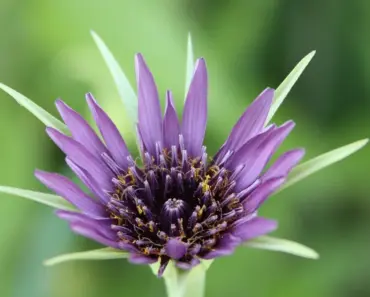
For a true pollinator magnet that requires almost zero effort, look no further than Millenium Allium. Unlike fussier spring bulbs that need to be dug up and divided, this allium forms neat, clump-growing mounds of foliage. In midsummer, it sends up sturdy stems topped with perfect, 2-inch purple globes that look like fireworks frozen in time. It naturalizes easily, meaning it will multiply and come back stronger each year without any digging or dividing. Bees and butterflies flock to it, adding dynamic life to your garden. As an added bonus, deer and rodents tend to leave alliums alone, making them a reliable choice for rural or wooded properties.
4. Summer Snowflake Viburnum
Shrubs form the backbone of any low-effort garden, and Summer Snowflake Viburnum is a standout choice. It features elegant, layered branches that become covered in waves of delicate white flowers in spring. Once established, this shrub is incredibly dependable, requiring little to no pruning to maintain its beautiful natural shape. It provides season-long interest with its flowers, lush green foliage, and later, clusters of berries that attract birds. It handles a range of soil types and sunlight conditions with grace, from full sun to partial shade. This is a plant you can install and forget, yet it will anchor your garden with structure and beauty for decades.
5. Fire Dragon Maiden Grass
Ornamental grasses are the ultimate workhorses for texture and movement, and Fire Dragon Maiden Grass is exceptionally beautiful. This variety of Miscanthus sinensis provides vertical height that can reach 5 to 6 feet, soft, feathery plumes that catch the light, and foliage that turns brilliant shades of orange and red in the fall. Its maintenance needs are almost nonexistent: just one annual cutback in late winter before new growth emerges. It is drought-tolerant once established and adds stunning winter interest when coated in frost or snow. If you want to add drama and sound to your garden without adding chores, this grass is an unbeatable choice.
6. Sarah Bernhardt Peony
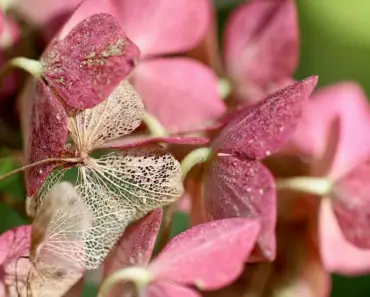
Peonies are the undisputed royalty of the perennial border, and Sarah Bernhardt is a classic for good reason. This variety produces enormous, fragrant pink blooms that are simply breathtaking in late spring. The catch? They require almost no ongoing care. Plant them in a sunny spot with good drainage, and they will thrive for decades without being divided or fussed over. You may notice ants on the buds; this is completely natural and harmless. The ants are drinking the nectar and actually help the blooms open. Just cut the stems and shake the ants off before bringing the flowers inside. Once established, peonies can live for 50 years or more, making them a true investment in effortless beauty.
7. Magnus Purple Coneflower
This prairie native is as tough as it is beautiful. Magnus Purple Coneflower produces large, daisy-like blooms with horizontal petals that hold up better than other varieties, resisting the droopiness that plagues some coneflowers. The flowers appear for months on end, and if you lightly deadhead, they will continue well into fall. Even better, leave the seed heads standing through winter, and you will provide essential food for goldfinches and other birds. It thrives in poor soil, full sun, and hot, dry conditions, making it perfect for areas where other plants struggle. This is a plant that gives generously without ever asking for much in return.
You may also enjoy reading: 13 Garden Gifts for the Mother Day Obsessed.
8. Gay Butterflies Butterfly Weed
If you want bold, vibrant color with almost zero upkeep, Butterfly Weed is the plant for you. This variety, Gay Butterflies, features a mix of bright yellow, orange, and red blooms that attract butterflies and bees all summer long. It is a deep-rooted perennial that thrives on neglect; it prefers poor, dry soil and should never be fertilized. This makes it perfect for tough spots like rocky slopes or dry borders. It is also a critical host plant for Monarch butterflies, meaning your garden will play a role in supporting this important species. Once planted, it will establish itself and return reliably, spreading slowly to form a beautiful, pollinator-friendly patch.
9. Neptune Catmint
For a soft, billowy look that requires very little effort, Neptune Catmint is a top contender. Its blue-purple flowers bloom profusely over a long season, creating a beautiful contrast with silver-green foliage. It is incredibly easy to grow and handles heat and drought with ease. For an extra boost, you can shear it back hard after the first flush of blooms fades, and it will reward you with a second wave of flowers before autumn arrives. This plant is also deer-resistant and rabbit-resistant, making it a reliable choice for gardens where wildlife is a concern. It softens the edges of pathways and borders beautifully, creating a cottage-garden feel without the cottage-garden workload.
Tips for Maximizing Success with Low Maintenance Plants
Even the easiest plants need a good start to establish themselves. Setting them up correctly in the beginning will pay dividends for years to come, reducing the need for intervention and ensuring they thrive in your specific environment.
What if my soil is mostly clay or sand?
Most of the plants on this list are remarkably adaptable to different soil types. For heavy clay soil, avoid planting too deep and consider raising the bed slightly to improve drainage. Adding a few inches of organic compost at planting time can help lighten the soil structure. For sandy soil, incorporating organic matter helps retain moisture and nutrients. The key is to choose plants that match your soil type. Prairie natives like coneflower and butterfly weed actually prefer lean, well-drained soil and will rot in rich, wet conditions. Understanding your soil is the first step to effortless gardening.
How do I ensure continuous color throughout the seasons?
Plan for succession blooming by combining plants with different peak seasons. Combine spring-blooming plants like the Summer Snowflake Viburnum and Sarah Bernhardt Peony with summer bloomers like the Millenium Allium and Magnus Purple Coneflower. Add long-season performers like the Iceberg Rose and Neptune Catmint to bridge the gaps between peak seasons. This creates a seamless wave of color without requiring you to plant annuals every season. A well-planned perennial border will have something interesting happening from spring through fall, with ornamental grasses adding winter structure.
Why do some low maintenance plants need deadheading while others don’t?
Deadheading is simply the removal of spent flowers. It encourages some plants, like coneflowers and catmint, to produce more blooms by redirecting energy from seed production to flower production. Other plants, like ornamental grasses and alliums, provide beautiful winter structure and should be left standing until late winter. Peonies and roses benefit from deadheading to keep them looking tidy and encourage repeat blooms. The key is knowing which is which. The plants on this list are forgiving; even if you skip deadheading entirely, they will still look good and perform well. It is a tool you can use to maximize blooms, not a chore you must do.
A beautiful garden does not have to mean constant work. By choosing resilient, self-sufficient plants that are well-suited to your environment, you can enjoy a lush and colorful outdoor space without sacrificing your weekends. Start with a few of these reliable performers, and you will quickly see how rewarding a low-effort garden can truly be. Your garden should be a place of peace and enjoyment, not a source of stress and endless to-do lists.