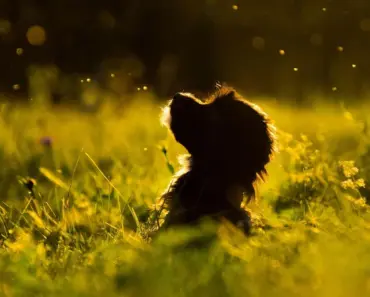
As the warmer months approach, many of us are itching to get outside and tackle our lawns. But before we break out the mower, consider this: by simply not mowing your lawn for a month, you can make a significant difference in the lives of our precious pollinators. It’s a small act that requires zero effort, and the benefits are numerous. So, what’s the big deal about No Mow May?
Why No Mow May Matters
Lawns may seem like a harmless part of our suburban landscape, but the truth is they guzzle up a lot of water and nutrients, and put in zero effort to encourage biodiversity. In fact, lawns originated in 17th-century England as a way for the wealthy to show off, and somehow this trend has become the norm in North America. But by leaving our lawns unmowed, we can help to create a temporary habitat and food source for early-season pollinators.
No Mow May, founded by the UK charity Plantlife in 2019, is a movement that’s gaining traction in Canada and the US. By not mowing, you’re helping any wildlife that comes out early, especially in its beginning life stages. This includes bees, butterflies, beetles, and other pollinators that need access to nectar. And it’s not just about the bees – many insects overwinter in leaf litter and hollow plant stems, so by leaving these in place, you’re helping to support a wider range of wildlife.
The Benefits of No Mow May
So, what can you expect from participating in No Mow May? For one, you’ll help out early-season pollinators, who need food sources to survive. You’ll also help out any wildlife that comes out early, which can be especially vulnerable. And, as an added bonus, you’ll help to nourish the soil by allowing leaf litter to break down. This is especially important, as compacted soil can lead to poor water retention and aeration for healthy roots.
But that’s not all – by letting your lawn grow for a bit, you’ll also make it more drought-tolerant. This means you’ll save money down the line trying to maintain a green lawn in the hot summer heat. And, as an added bonus, you’ll have a beautiful, wildflower-filled lawn that’s teeming with life.
10 Reasons to Participate in No Mow May
- You’ll help out early-season pollinators, who need food sources to survive.
- You’ll help out any wildlife that comes out early, which can be especially vulnerable.
- You’ll help to nourish the soil by allowing leaf litter to break down.
- You’ll make your lawn more drought-tolerant, saving you money down the line.
- You’ll have a beautiful, wildflower-filled lawn that’s teeming with life.
- You’ll increase awareness about helping out pollinators by letting neighbours know why you’re not mowing your lawn.
- You’ll have a chance to see the beauty of nature up close, as wildflowers and other plants bloom.
- You’ll be part of a larger movement to protect pollinators and support biodiversity.
- You’ll have a sense of accomplishment and pride in doing something good for the environment.
- You’ll learn more about the importance of pollinators and how to support them.
How to Participate in No Mow May
So, how can you participate in No Mow May? It’s easier than you think. Simply leave your lawn unmowed for the month of May, and let the wildflowers bloom. You can also increase awareness by letting your neighbours know why you’re not mowing your lawn, or by leaving a sign out for passerbys. And, if you’re feeling ambitious, you can replace your lawn with other ground covers like white clover or periwinkle.
But, before you start, there are a few things to keep in mind. For one, make sure to leave your lawn unmowed until June, as this will give the pollinators a chance to find food and shelter. Also, be aware that some plants may spread and take over your lawn, so be sure to keep an eye on them. And, finally, be prepared for some initial criticism from your neighbours, who may not understand the benefits of No Mow May.
Common Misconceptions About No Mow May
There are a few common misconceptions about No Mow May that we’d like to address. For one, some people may think that leaving their lawn unmowed will make it look messy or unkempt. But, in reality, a wildflower-filled lawn can be just as beautiful as a manicured one. Another misconception is that No Mow May is only for pollinators, but the truth is that it’s also beneficial for other wildlife, like birds and insects.
Finally, some people may think that No Mow May is a hassle or requires a lot of work. But, in reality, it’s just the opposite. By leaving your lawn unmowed, you’re actually saving time and energy in the long run. So, don’t let these misconceptions hold you back – give No Mow May a try and see the benefits for yourself.
Conclusion
No Mow May is a simple yet effective way to make a difference in the lives of our precious pollinators. By leaving your lawn unmowed for a month, you’ll help to create a temporary habitat and food source for early-season pollinators, and support a wider range of wildlife. So, why not give it a try? Your lawn – and the pollinators – will thank you.
Resources
Want to learn more about No Mow May and how to participate? Check out the following resources:
- No Mow May website: https://www.nomowmay.org/
- Plantlife website: https://www.plantlife.org.uk/
- No Mow May Facebook page: https://www.facebook.com/nomowmay/
Final Thoughts
No Mow May is a small act that requires zero effort, but the benefits are numerous. By participating in No Mow May, you’ll be helping to support pollinators and biodiversity, while also creating a beautiful, wildflower-filled lawn. So, why not give it a try? Your lawn – and the pollinators – will thank you.