I’m always looking for unique, practical garden gifts for my family. For my dad’s recent birthday, I decided to skip the standard hand tools and gloves and get him something a little different: a cedar bat house from Amazon. Honestly, it was a massive hit. He absolutely loves watching them swoop around at dusk, but the real benefit of this gift is the more that the bats are a natural form of pest control. If you hate dealing with summer bugs, you need to know this one simple fact: bats are absolute mosquito-eating machines. By providing a safe place for them to roost, you can completely transform your summer evenings. Bats are Nature’s Pest Control When we talk about preparing our yards for spring and summer, pest control is always at the top of the list. But if you hate using harsh chemical bug sprays, sticky traps, or smelly citronella candles, you need a natural alternative. Attracting bats offers an incredibly rewarding, zero-effort solution to your mosquito problems — and it’s so much fun to watch them take flight right at dusk! It’s an investment that pays off every summer.
1. Choosing the Right Bat House: Design and Materials Matter
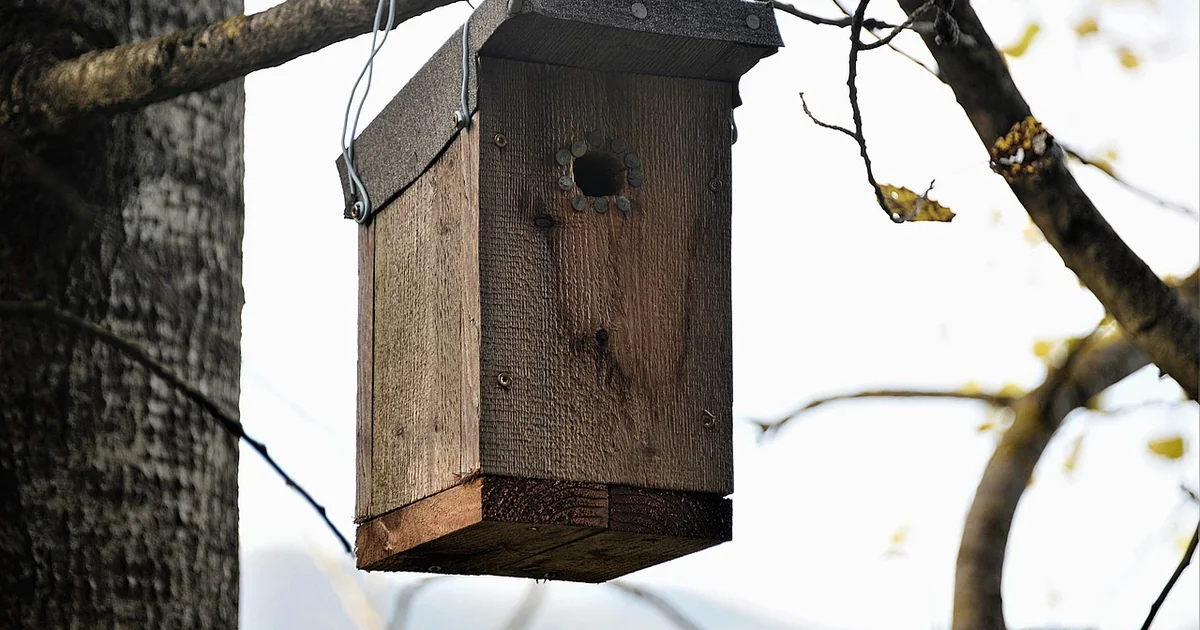
Not all bat houses are created equal. The key to successful bat box installation lies in selecting a design that meets the specific needs of these fascinating creatures. Many commercially available bat houses are poorly designed, lacking the essential interior grooves and ventilation that bats require for comfortable roosting. Look for a cedar bat house – cedar is naturally weather-resistant and doesn’t require chemical treatments, making it a safe and sustainable choice for bats. The WildYard 2 Chamber Bat House, for instance, is a popular option because it features multiple chambers to accommodate a larger colony and offers adequate airflow. The interior should have horizontal grooves, about 1/2 inch wide and 2 inches deep, to allow bats to grip and maneuver. A simple, boxy design is generally better than ornate or overly complex structures. The dimensions should also be appropriate – typically around 18” x 18” x 24”, though variations exist. Don’t forget to consider the mounting hardware – sturdy brackets are essential for ensuring the bat house can withstand wind and weather. The answer is simple: a well-designed bat house is more likely to attract bats and provide them with a safe, comfortable home.
2. Strategic Placement: East or South Facing is Key
Simply installing a bat house isn’t enough; you need to place it strategically to maximize its appeal to bats. Bats are creatures of habit and prefer warmer locations, so the orientation of your bat house is crucial. Ideally, you should mount the bat house facing east or south. This allows it to capture the morning sun, which helps to warm the interior and create a more inviting roosting space. Avoid mounting the house on the north side of a building or in a shaded area, as this will significantly reduce its temperature. Consider the prevailing winds – a slightly sheltered location can help protect the bats from strong gusts. While many people think of a rural landscape, even a suburban yard can offer suitable conditions for bats. The satisfaction of reducing reliance on chemical pesticides is a wonderful feeling, and it’s a relatively easy way to contribute to a healthier ecosystem.
3. Height Matters: Mounting at 12-20 Feet Above Ground
Bats aren’t exactly known for their climbing abilities, so a crucial factor in bat box installation is the mounting height. To protect them from predators like owls and hawks, and to provide a sense of security, bat houses should be mounted at least 12 to 20 feet off the ground. A pole mount is often the most effective option, allowing for easy adjustment of the house’s angle. If mounting on a building, ensure the surface is smooth and stable. Think about the surrounding landscape – a bat house mounted on a clear pole will be more visible to bats than one hidden amongst dense foliage. While a taller mounting height offers greater protection, it may also be more challenging to install. Consider the physical limitations of yourself and your family when deciding on the appropriate height. Toads are a gardener’s best friend because they naturally prey on the slugs and snails that destroy your hostas and vegetable beds. Placing this charming ceramic toad house in a cool, damp, shady spot in your garden gives them the perfect daytime sanctuary so they stick around to patrol your plants at night.
4. Understanding Bat Preferences: It Takes Time
It’s important to understand that attracting bats isn’t an instant process. Unlike some other wildlife, bats aren’t always eager to move into a new bat house. It can take a full season – sometimes longer – for a colony to discover and accept a new roosting site. Don’t be discouraged if you don’t see bats immediately after installation. Be patient, and continue to maintain the bat house (see section 6). The educational aspect of observing wildlife in your own backyard is a huge benefit, and it’s rewarding to witness these amazing creatures thriving in your garden. Imagine a reader who is new to gardening and wants a low-maintenance way to control pests. A bat house offers a sustainable, low-impact solution that requires minimal effort.
5. Creating a Bat-Friendly Habitat: More Than Just a House
You may also enjoy reading: 7 Secrets to Growing Delicious Chives.
While a bat house is a great start, creating a truly bat-friendly habitat requires more than just providing a roosting space. Bats need a reliable source of food, so it’s important to create an environment that supports their insect prey. Plant native flowering trees and shrubs that attract moths and other insects, which are a staple of the bat diet. Avoid using pesticides, which can harm bats and their food sources. Providing a water source, such as a shallow dish of water or a small pond, can also be beneficial. Consider adding a brush pile or rock pile to provide shelter for bats and other wildlife. A diverse and healthy garden ecosystem will naturally attract bats and provide them with everything they need to thrive. For someone who has a large property and is concerned about attracting unwanted wildlife besides bats, a thoughtful approach to habitat creation can minimize conflicts and maximize the benefits of bat habitation.
6. Bat House Maintenance: Keeping it Clean and Safe
Regular maintenance is essential for ensuring the long-term health and habitability of your bat house. Once a year, usually in the fall, you’ll need to clean out the bat house to remove old guano (bat droppings). This can be a messy job, so wear gloves and a mask. Use a broom and dustpan to remove the guano, and wash the interior with a mild soap and water solution. Avoid using harsh chemicals, which can harm the bats. Inspect the bat house for any damage and make repairs as needed. Secure loose boards and tighten any screws. While clearing out the bat house, you might be surprised by the sheer volume of insects the bats have consumed – a testament to their incredible feeding habits. It’s an incredibly rewarding, zero-effort solution to your mosquito problems — and it’s so much fun to watch them take flight right at dusk!
7. Addressing Concerns: Bats and Neighbors
It’s natural to have concerns about attracting bats, particularly if you live in a densely populated area. Some people are afraid of bats, while others worry about the potential for disease transmission. However, bats are generally harmless to humans, and the risk of contracting rabies from a bat is very low. The key is to educate yourself and your neighbors about the benefits of bats and the importance of their role in the ecosystem. Consider sharing information about local bat conservation efforts. While squirrels need their own dedicated space to nest and eat, mounting this sturdy cedar squirrel house in a tree away from your bird feeders gives them a safe place to nest and eat, keeping them happily distracted from your songbirds. The long-term investment in a healthier, bug-free outdoor space is well worth the effort. A conversation starter about sustainable gardening practices is a great way to engage with your community and promote awareness of wildlife conservation.
Honestly, but, if, the, while, to, once, unlike. The satisfaction of reducing reliance on chemical pesticides is a wonderful feeling, and it’s a relatively easy way to contribute to a healthier ecosystem. The educational aspect of observing wildlife in your own backyard is a huge benefit, and it’s rewarding to witness these amazing creatures thriving in your garden. Giving them their own dedicated space! It will return year after year. You need a natural alternative. You will attract them right to your yard, and it’s an incredibly rewarding, zero-effort solution to your mosquito problems – and it’s so much fun to watch them take flight right at dusk!