The Science Behind Diatomaceous Earth’s Ant-Killing Prowess
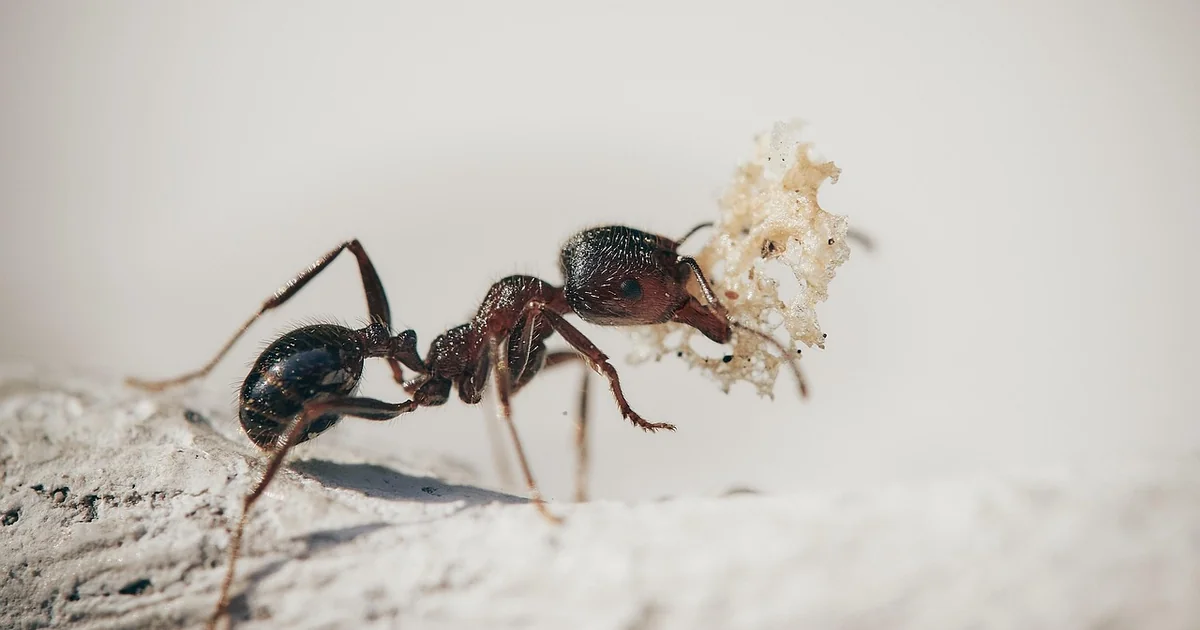
At its core, diatomaceous earth’s effectiveness hinges on a deceptively simple principle: desiccation. It’s not about a sudden, toxic shock to the ant’s system; it’s about slowly, relentlessly drying them out. Diatomaceous earth is made from the fossilized remains of diatoms, a type of microscopic algae that lived millions of years ago. These tiny organisms accumulate in sediment, forming a naturally occurring, porous material – the DE we use today. The incredibly fine particles of DE possess a massive surface area. When an ant walks across a layer of DE, these microscopic edges scrape against its exoskeleton – the hard outer shell protecting its body. This abrasion isn’t just a minor irritation; it creates tiny fissures, disrupting the waxy coating that helps ants maintain their moisture balance. This waxy coating is crucial for regulating their body temperature and preventing dehydration. Without it, the ants quickly lose moisture, leading to internal organ failure and, ultimately, death. It’s a remarkably elegant and efficient method, far less aggressive than many chemical pesticides.
Understanding the Different Types of Diatomaceous Earth: A Crucial Distinction
Not all diatomaceous earth is created equal, and this is a critical point to understand. There are primarily three types available, each designed for a different purpose, and using the wrong type can actually hinder your ant control efforts. Firstly, you have insect-control DE, often labeled as “pest-control” or “insect-grade.” This is the type you need to eliminate ants. It’s specifically formulated with a coarser texture, allowing it to cling to surfaces and effectively contact the ants as they move. Secondly, there’s food-grade DE. While technically safe to consume – it’s used in some food products – it’s simply not potent enough to kill ants effectively. The particles are too large and don’t create the necessary surface area for disruption. Think of it like trying to extinguish a fire with a water spray – it won’t do the job. Finally, you’ll encounter filter-grade DE, also known as pool-grade DE. This type is designed to filter out impurities in swimming pools and contains additives that can be harmful to insects. It should never be used to control pests. Dr. Hamilton Allen, a board-certified entomologist at Fox Pest Control, emphasizes this distinction: “Using the wrong type of DE is like using a wrench to tighten a screw – it’s the wrong tool for the job. Always opt for insect-control DE for ant eradication.”
Step-by-Step Guide: How to Effectively Kill Ants with Diatomaceous Earth
Successfully deploying diatomaceous earth requires a strategic approach. It’s not enough to simply sprinkle it around; you need to mimic the ants’ own pathways to ensure maximum effectiveness. Here’s a detailed, step-by-step guide:
You may also enjoy reading: 3 Spring Fig Tree Care Tasks for April.
- Identify the Food Source: Ants are driven by a need for food. Start by observing their trails to pinpoint the source of their attraction – this could be crumbs, spilled sugar, pet food, or even sticky residues.
- Remove the Food Source: Eliminate the food source entirely. This might involve thoroughly cleaning up spills, securing pet food containers, and regularly emptying trash cans.
- Vacuum Up the Live Ants: Immediately vacuum up any visible ants you find, both indoors and outdoors. This reduces the population and prevents them from spreading.
- Dust the Exterior: Dust the perimeter of your house, particularly along foundation walls and near entry points, with insect-control DE. This creates a barrier that prevents ants from entering.
- Dust the Interior: Apply a thin layer of DE along ant trails, baseboards, and window sills. Remember, ants must come into direct contact with the powder to be affected.
- Wear Protective Gear: Wear a dust mask to prevent inhaling DE particles and gloves to protect your skin.
Safety Guidelines and Precautions When Using Diatomaceous Earth
While diatomaceous earth is generally considered a safe and non-toxic option, it’s essential to follow proper safety guidelines to minimize potential risks. Here are some important precautions:
- Avoid Inhalation: Always wear a dust mask when handling diatomaceous earth to prevent inhaling the fine particles, which can irritate the lungs.
- Protect Skin and Eyes: Wear gloves to prevent skin irritation and eye protection to avoid contact with the powder.
- Keep Away from Children and Pets: Although DE is non-toxic, it’s best to keep it out of reach of young children and pets.
- Do Not Apply Near Water: Diatomaceous earth can become slippery when wet, creating a safety hazard.
- Proper Disposal: Dispose of vacuum bags or empty canister after use.