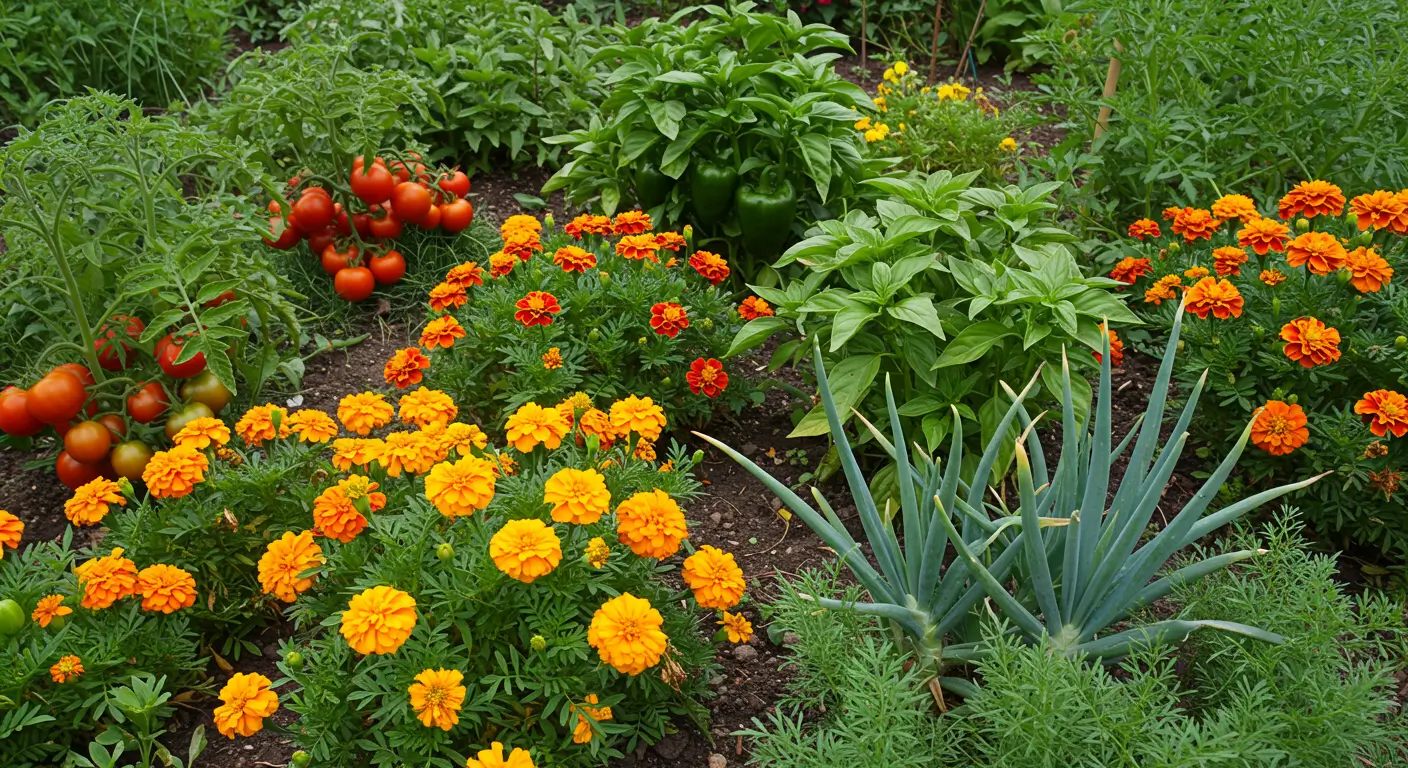
Imagine being able to enjoy a fresh, crunchy carrot or a sweet, juicy tomato, right from your very own patio. You don’t need a big backyard to make this a reality, thanks to the incredible variety of small-space veggies that have been bred specifically to thrive in containers. With the right know-how and a little creativity, you can grow a huge range of delicious vegetables in pots, and enjoy the satisfaction of harvesting your own fresh produce.
13 Proven Best Small Space Veggies That Thrive in Containers
From compact varieties of popular veggies like tomatoes and peppers, to innovative new cultivars like corn and cucumbers, there are countless options to choose from. And the best part? You can grow these tasty treats in even the smallest of spaces, from a tiny balcony to a cozy patio.
The Benefits of Container Gardening
One of the biggest advantages of growing veggies in containers is the ease of control. With containers, you can move your plants around to give them exactly the right amount of sun and shade for optimum growth. This is particularly important for young plants, which often need plenty of sunlight to grow well in their early stages, but then a little more shade to stop them bolting (running to seed). And with containers, you can easily move them around to ensure your plants get the perfect balance of light and darkness.
Another benefit of container gardening is the reduced risk of slug damage. Slugs are a major problem for gardeners, but they’re much less likely to attack plants grown in containers. This is because slugs live underground, and most containers are placed on paving or other hard surfaces that are unappealing to slugs. To add extra protection, you can ring your pots with conductive copper tape – a second line of defence against these pesky pests.
13 Small Space Veggies That Thrive in Containers
So, which veggies should you choose to grow in your container garden? Here are 13 of the best small space veggies that thrive in containers:
- Tomato ‘Veranda Red’ – A compact variety that produces an abundant harvest of small, sweet cherry tomatoes.
- Corn ‘On Deck’ – A sweetcorn cultivar bred specifically for container gardening, producing 7-8″ cobs of sweet-tasting bicolored kernels.
- Pepper ‘Snackabelle Red’ – A mini pepper cultivar with sweet flavour and petite 2″ fruits.
- Cucumber ‘Patio Snacker’ – A variety that produces plenty of 6-7″ cucumbers, perfect for picking early for a smaller, sweeter snack.
- Carrot ‘Parisienne’ – A compact variety that produces small, sweet carrots perfect for snacking.
- Radish ‘Cherry Belle’ – A fast-growing variety that produces small, crunchy radishes perfect for adding to salads.
- Pea ‘Sugar Snap’ – A compact variety that produces sweet, crunchy peas perfect for snacking.
- Spinach ‘Space’ – A compact variety that produces plenty of delicious spinach leaves perfect for adding to smoothies and salads.
- Beet ‘Detroit Dark Red’ – A compact variety that produces small, sweet beets perfect for roasting.
- Swiss Chard ‘Rainbow’ – A compact variety that produces plenty of delicious Swiss chard leaves in a range of colours.
- Cabbage ‘Wong Bok’ – A compact variety that produces small, sweet cabbages perfect for adding to salads.
- Broccoli ‘Deep Purple’ – A compact variety that produces small, sweet broccoli florets perfect for steaming.
- Onion ‘Beltsville Bunching’ – A compact variety that produces small, sweet onions perfect for adding to salads.
How to Get Started with Container Gardening
Getting started with container gardening is easier than you think. Here are a few tips to help you get started:
- Choose the right containers: Look for containers that are at least 5 gallons in size, and have drainage holes to prevent waterlogged soil.
- Select the right soil: Use an all-purpose outdoor potting mix that is specifically designed for container gardening.
- Choose the right veggies: Select veggies that are compact and produce a high yield, such as those listed above.
- Provide the right conditions: Make sure your containers are in a spot that gets plenty of sunlight, and that the temperature is right for the specific veggies you’re growing.
- Water and fertilize regularly: Water your veggies regularly, and fertilize them with a balanced fertilizer once a month.
- Provide support: Some veggies, like peas and beans, need support as they grow. Use a trellis or other support to keep them upright.
Common Problems and Solutions
As with any type of gardening, there are a few common problems that you may encounter when growing veggies in containers. Here are a few to watch out for, and some tips on how to solve them:
- Slugs and snails: To prevent slugs and snails from attacking your veggies, use copper tape to ring your pots, and move your containers to a spot that is less appealing to these pests.
- Pests: To prevent pests like aphids and whiteflies from attacking your veggies, use neem oil or other insecticidal soap to repel them.
- Diseases: To prevent diseases like powdery mildew and leaf spot from attacking your veggies, use a fungicide to treat the affected area.
- Overwatering: To prevent overwatering, make sure your containers have drainage holes, and water your veggies regularly, but not too much.
Conclusion
Growing veggies in containers is a great way to enjoy fresh, homegrown produce, even in the smallest of spaces. With the right know-how and a little creativity, you can grow a huge range of delicious veggies in pots, and enjoy the satisfaction of harvesting your own fresh produce. So why not give it a try? Choose a few of the veggies listed above, and get started with container gardening today.