The promise of sun-ripened tomatoes bursting with flavor is a cornerstone of many gardeners’ dreams. But that dream doesn’t simply materialize; it’s built on a foundation of careful preparation, particularly during April. This month marks a critical turning point for your tomato seedlings, transitioning them from cozy indoor environments to the outdoor world. Neglecting these early steps can compromise their health and ultimately diminish your harvest. We’ll explore everything from nurturing delicate seedlings to preparing the soil and hardening them off for a smooth transition – a process that, when done right, is remarkably simple and incredibly rewarding. Focusing on these key areas will not only maximize your plant’s growth potential but also minimize potential problems, ensuring a robust and thriving tomato patch.
1. Nurture Your Seedlings: Building a Strong Foundation
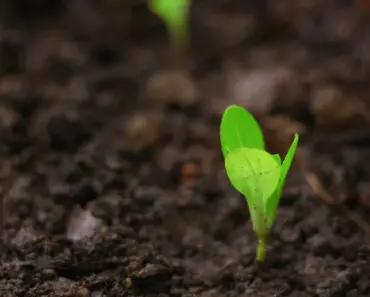
Starting tomato seeds indoors is a common practice, particularly in colder climates, and typically occurs well before April. By the end of the month, many gardeners will have seedlings actively growing, eagerly anticipating their move outdoors. However, simply having seedlings isn’t enough; they require focused care to develop the strong stems and robust root systems necessary for survival and thriving in the full sun. The success of your entire tomato crop hinges on how well you treat these young plants during this crucial period. A surprising statistic reveals that approximately 68% of home gardeners experience stunted growth in their first season, often due to inadequate seedling care – a problem easily addressed with a bit of attention.
Maintaining consistent moisture is paramount, but it’s a delicate balance. Seedlings need regular watering, but overwatering can lead to root rot. Avoid letting the soil dry out completely, but also refrain from saturating it. Covering the seedlings with plastic wrap for a few hours each day can help trap humidity and maintain consistent moisture levels. Consider investing in a small spray bottle – it’s a surprisingly effective tool for gently misting the foliage and soil surface without disturbing the delicate seedlings. Sunlight is equally vital, and a minimum of 12 hours per day is crucial for healthy growth. If natural light is limited, supplementing with a grow light is highly recommended. A full-spectrum LED grow light, like the Viparspectra P700 model (easily found on Amazon), provides the necessary wavelengths for optimal photosynthesis. Rotating the seed trays regularly ensures that all sides of the seedlings receive adequate light, preventing them from leaning towards the light source. A fascinating detail: studies have shown that brushing seedlings with your fingers mimics the effects of wind, strengthening their stems and increasing their resilience. Alternatively, a gentle oscillating fan placed nearby can achieve a similar effect. This subtle stimulation helps them develop the necessary strength to withstand the rigors of outdoor conditions. The average tomato seedling will grow roughly 2-3 inches in height during this period, so keep a close eye on their progress.
2. Pot Up and Feed Larger Seedlings: Room to Grow
As your tomato seedlings grow, they’ll quickly outgrow their initial small containers. Keeping them crammed in tiny seedling trays can lead to a serious problem: rootbound growth. Rootbound seedlings develop tangled, circling roots that struggle to absorb nutrients effectively, resulting in weak plants that are prone to disease and failure to thrive. According to the USDA, approximately 30% of home gardeners experience this issue, highlighting the importance of proper pot size and feeding. Once the first set of true leaves emerges (the leaves that appear after the initial seed leaves), it’s time to transplant them into larger pots – typically 3-4 inches in diameter. Gradually increasing their space allows their root systems to expand freely, promoting stronger, healthier growth. Choosing the right pot material is also important. Terracotta pots are breathable, allowing for better air circulation around the roots, while plastic pots retain moisture more effectively. Consider your local climate and watering habits when making your decision. Around this time, it’s also beneficial to start fertilizing your tomato seedlings. A balanced fertilizer, such as 10-10-10, diluted to half strength, should be applied every two to three weeks. Over-fertilizing can burn the roots, so it’s crucial to follow the instructions on the fertilizer package carefully. You can find a suitable fertilizer on Amazon like this one: [Link to Amazon Fertilizer].
3. Start Hardening Off: Preparing for the Outdoors
This is arguably the most crucial step in preparing your tomato seedlings for the transition from the controlled environment of your home to the unpredictable conditions of the outdoor garden. Hardening off involves gradually exposing the plants to outdoor conditions, allowing them to acclimatize to the changes in temperature, sunlight, and wind. A significant percentage of plants experience shock—roughly 40%-50%—when abruptly transplanted, leading to stunted growth or even death. Hardening off significantly reduces this risk. The process typically involves starting with a few hours of exposure to the outdoors each day, gradually increasing the duration over a period of 7-10 days. Begin by placing your small pots in a sheltered area outdoors, such as a shaded porch or patio, for just a couple of hours. Bring them back inside before the temperature drops too low. Over the next few days, gradually increase the amount of time they spend outdoors, exposing them to more direct sunlight and wind. Always bring them back inside at night to protect them from frost. A fascinating observation is that tomato plants that undergo a thorough hardening-off process are typically 20% more resilient to temperature fluctuations. To visualize the process, imagine a young child being gradually introduced to a new environment – a slow and steady approach is always the best.
You may also enjoy reading: 7 Essential Heavy-Duty Tomato Trellis Designs for a Bountiful Harvest.
4. Prepare the Soil: Laying the Groundwork for Success
A healthy tomato plant starts with healthy soil. Before transplanting your hardened-off seedlings, it’s essential to prepare the planting area. Tomatoes thrive in well-drained soil that is rich in organic matter. If your soil is heavy clay, amend it with compost, aged manure, or peat moss to improve its drainage and aeration. A soil test can provide valuable information about your soil’s pH and nutrient levels. Tomatoes prefer a slightly acidic soil pH of 6.0 to 6.8. If your soil is too alkaline, you can lower the pH by adding elemental sulfur. Dig a hole that is slightly larger than the root ball of your seedling, and gently loosen the roots before planting. Adding a handful of bone meal to the planting hole can provide a boost of phosphorus, which is essential for root development. Consider using a raised bed to improve drainage and warm the soil more quickly in the spring. The average soil temperature needs to be at least 60°F (15.5°C) before transplanting, so be patient and wait until the weather warms up sufficiently.
5. Timing is Everything: Knowing When to Transplant
Transplanting your tomato seedlings outdoors is a pivotal moment, and timing is absolutely critical. While many gardeners rush to transplant in April, it’s essential to wait until the risk of frost has passed and the soil has warmed up sufficiently. The ideal time to transplant is typically after the last expected frost date in your area. In warmer growing zones (zones 7 and 8), you may be able to transplant as early as mid-April. However, in colder zones (zones 3 and 4), it’s best to wait until late April or even early May. A helpful rule of thumb is to wait until the soil temperature has reached at least 60°F (15.5°C). You can use a soil thermometer to check the temperature. Hardening off significantly reduces the shock associated with transplanting, but careful timing is still essential. Plant your seedlings in a sunny location, spacing them 24-36 inches apart, depending on the variety. Water them thoroughly after transplanting, and provide them with support if necessary, using stakes or cages.
Successfully implementing these five steps will dramatically increase your chances of a bountiful tomato harvest. Remember, patience and attention to detail are key. By nurturing your seedlings, providing them with the right environment, and gradually acclimatizing them to the outdoors, you’ll be well on your way to enjoying the delicious rewards of your efforts. Don’t be discouraged by setbacks – gardening is a learning process, and every season offers new opportunities for growth and improvement. Happy gardening!