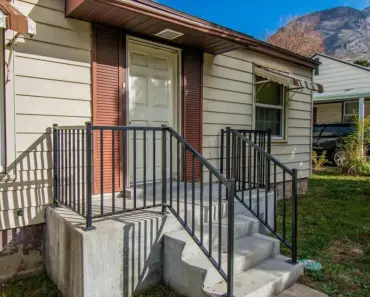
What if the simple changes you’re overlooking could instantly make your home look like it cost twice as much?
Most homeowners spend thousands on renovations when strategic, affordable updates could achieve the same luxurious look for a fraction of the cost. The secret isn’t in your budget—it’s in knowing exactly where to focus your efforts.
Making your House Look more expensive doesn’t require a complete renovation or unlimited funds. The transformation happens through strategic details that enhance perceived value and create sophisticated visual impact. Small, thoughtful changes can dramatically elevate your home’s appearance, making it feel luxurious and desirable—qualities particularly valued in design-conscious communities around the world.
The difference between a house that looks expensive and one that doesn’t often comes down to finishing touches, attention to detail, and understanding basic design principles. Professional designers know these secrets and use them to create high-end looks on modest budgets. Now you can apply the same strategies to your own home.
Whether you’re preparing your property for sale, hosting important guests, or simply want to enjoy a more elegant living environment every day, these upgrades deliver impressive results. By drawing inspiration from timeless Home and Outdoor Aesthetic Ideas, you create an impression of quality and sophistication that resonates throughout your entire property.
This comprehensive guide presents 17 actionable ideas to help your House Look more expensive, covering both interior refinements and exterior enhancements. These strategies range from quick, budget-friendly fixes to slightly larger investments—all designed to maximize visual impact and perceived value. Get ready to discover how smart design choices transform your home’s appearance without emptying your wallet.
The Psychology of Expensive-Looking Homes
Before diving into specific strategies, understanding what makes a House Look more expensive helps you make smarter decisions about where to invest your time and money.
First Impressions Matter Most
Humans form impressions within seconds of seeing something new. When viewing homes, buyers and guests make immediate judgments based on visible cues. Clean lines, cohesive design, quality materials, and attention to detail all signal value and care. These visual markers trigger perceptions of expense and quality, even when actual costs remain modest.
The halo effect amplifies this phenomenon. When people notice several high-quality details, they assume everything else must be equally good. A beautifully updated entrance makes visitors expect an equally lovely interior. Fresh exterior paint suggests a well-maintained property throughout.
Quality Over Quantity
Expensive-looking homes don’t necessarily contain more stuff—they contain better-chosen items displayed thoughtfully. Clutter, regardless of individual item value, always looks cheap. Curated spaces with breathing room, intentional styling, and quality pieces create an impression of luxury that crowded rooms never achieve.
This principle applies equally to furniture, decor, and architectural elements. One stunning light fixture makes more impact than three mediocre ones. A single large piece of artwork commands more attention than a cluttered gallery wall of small prints.
Consistency Creates Cohesion
Homes that look expensive maintain consistent style, color palettes, and quality levels throughout. Dramatic shifts between rooms—modern kitchen but dated bathroom, elegant living room but neglected entrance—undermine the overall impression. Cohesion signals intentional design and adequate budget, even when you’ve achieved the look through careful planning rather than unlimited spending.
Question for you: When you walk into someone’s home, what immediate visual cues make you think “this place is expensive”? Is it the lighting, the cleanliness, the furniture, or something else entirely? Share your observations in the comments!
17 Smart Ideas to Make Your House Look More Expensive
Ready to transform your home’s appearance? These 17 proven strategies help your House Look significantly more expensive through thoughtful design choices and strategic upgrades.
Flooring & Connectivity
1. Add Area Rugs

Area rugs serve as powerful design tools that elevate any space through added warmth, defined zones, and visual interest. The right rug anchors furniture, adds texture and color, and can even disguise less-than-perfect flooring underneath.
Choosing the right size: Common rug mistakes include selecting sizes too small for the space. In living rooms, your rug should be large enough that at least the front legs of all seating furniture rest on it. In dining rooms, the rug should extend at least 24 inches beyond the table on all sides to accommodate pulled-out chairs. Bedroom rugs should extend beyond the sides and foot of the bed.
Material and texture considerations: Natural fiber rugs like wool, jute, or sisal add organic texture that feels expensive and sophisticated. Wool offers exceptional durability and a luxurious feel underfoot. Silk or silk-blend rugs create showstopping elegance but work best in low-traffic areas. High-quality synthetic rugs can mimic natural materials while offering easier maintenance and lower price points.
Pattern and color strategy: Traditional Persian or Oriental patterns add timeless elegance. Geometric patterns create modern sophistication. Solid colors in rich, saturated tones provide versatile luxury. Choose colors that complement your existing palette while adding depth. Remember that medium-toned rugs hide stains better than very light or very dark options.
Layering for dimension: Layering smaller rugs over larger natural fiber rugs creates designer-level sophistication. Try a vintage runner over a jute rug, or a cowhide over a neutral wool carpet. This technique adds visual interest and personality while making your House Look more curated and expensive.
2. Consider Indoor-Outdoor Flow

Homes that seamlessly connect indoor and outdoor living spaces feel larger, more luxurious, and more valuable. This highly desirable feature expands your living area visually and functionally.
Visual continuity strategies: Use similar color palettes inside and outside to create visual flow. If your interior features grays and whites, extend these tones to outdoor furniture and planters. Repeat materials where possible—if you have wood accents inside, incorporate wood furniture or planters outside.
Threshold treatments: Pay special attention to the transition zone between inside and out. Clean, well-maintained thresholds signal quality. Consider replacing worn door sweeps and weatherstripping. If possible, use the same or complementary flooring that extends from interior to patio or deck, creating an unbroken visual line.
Sightlines and views: Frame outdoor views as living artwork. Clean windows thoroughly and trim any vegetation blocking attractive sightlines. Arrange interior furniture to take advantage of outdoor views. Place a comfortable chair where you can enjoy the garden or patio vista.
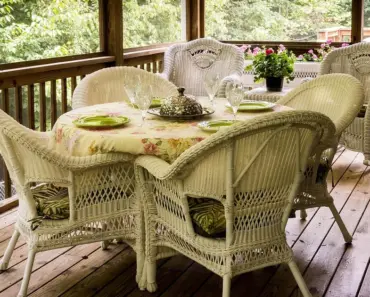
Creating outdoor rooms: Furnish outdoor spaces as thoughtfully as indoor rooms. A well-appointed patio with quality furniture, adequate lighting, and decorative elements extends your livable space and makes your entire property feel more luxurious. Even small balconies can become charming outdoor rooms with the right treatment.
3. Declutter and Organize
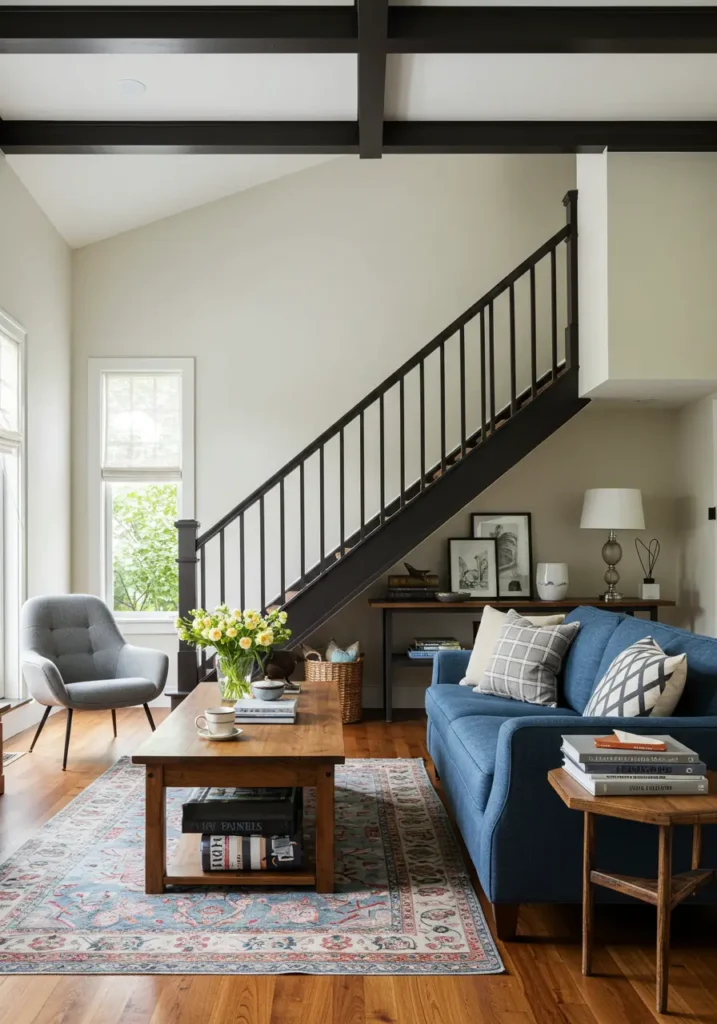
Perhaps the most impactful and budget-friendly transformation comes from simply decluttering and organizing your space. This fundamental step costs nothing but delivers dramatic results that make your House Look exponentially more expensive.
The decluttering process: Start by removing everything that doesn’t serve a functional or aesthetic purpose. Apply the “love it or lose it” rule—if you don’t love it and don’t use it, it goes. Tackle one room at a time to prevent overwhelm. Sort items into four categories: keep, donate, sell, and discard.
Surface clearing strategies: Clear kitchen counters of everything except a few carefully chosen items like a knife block, coffee maker, or decorative bowl. Bathroom counters should display minimal items—perhaps a soap dispenser, a small plant, and a decorative tray. Side tables need only a lamp and perhaps one small decorative object. Clear surfaces make spaces look larger, cleaner, and more expensive.
Smart storage solutions: Invest in attractive storage that hides clutter while adding to your decor. Woven baskets, decorative boxes, and stylish containers corral small items while looking intentional. Built-in solutions or furniture with hidden storage maximizes organization without sacrificing style.
The rule of less: Display fewer items but make them count. Three candlesticks of varying heights create more impact than seven mismatched ones. One substantial piece of artwork commands more attention than a crowded gallery wall. This “less is more” approach immediately makes your House Look more curated and expensive.
Maintaining the transformation: Establish daily habits to maintain your decluttered space. Implement a “one in, one out” rule for new purchases. Spend ten minutes each evening resetting your main living spaces. Regular maintenance prevents clutter creep and preserves your home’s elevated appearance.
Interior Details & Finishes
4. Fresh Paint Throughout

Fresh paint ranks among the most transformative and cost-effective upgrades you can make. Clean, well-painted walls provide a polished backdrop that makes everything else in your home look better, significantly helping your House Look more expensive.
Choosing sophisticated colors: Elegant neutrals like warm whites, soft grays, greige (gray-beige), and taupe create timeless sophistication. These versatile colors work with various decor styles and make rooms feel larger and brighter. Deep, saturated colors like navy, charcoal, or forest green add drama and richness to accent walls or smaller spaces like powder rooms.
The cohesive palette approach: Select a cohesive color scheme for your entire home rather than painting each room differently. This doesn’t mean everything must be identical, but colors should relate harmoniously. Use variations of the same color family or complementary neutrals that flow from room to room. Cohesion makes your home feel intentionally designed rather than haphazardly decorated.
Finish quality matters: Choose paint finishes strategically. Flat or matte finish hides wall imperfections but shows marks easily—best for low-traffic areas and ceilings. Eggshell provides subtle sheen with good durability for living spaces. Satin works well in kitchens and bathrooms where you need wipeable surfaces. Semi-gloss or gloss creates dramatic impact on trim, doors, and cabinets.
Don’t forget the fifth wall: Painting ceilings bright white makes rooms feel taller and more spacious. This often-overlooked surface deserves fresh paint too. Clean white ceilings reflect light and create a crisp, finished appearance that elevates the entire space.
Trim and door treatment: Painting all trim, baseboards, and doors in a consistent color (usually bright white or soft white) creates architectural definition and a polished look. Crisp white trim against colored walls provides elegant contrast that makes your House Look more refined and expensive.
5. Install Architectural Moulding

Architectural moulding adds dimension, character, and perceived value through custom details that suggest superior craftsmanship. These elements transform plain walls into sophisticated architectural features.
Crown moulding elegance: Crown moulding installed where walls meet ceilings creates a finished, upscale appearance. This detail adds visual height and architectural interest. Choose proportions appropriate to your ceiling height—taller ceilings can carry wider, more elaborate moulding, while standard eight-foot ceilings look best with simpler profiles measuring 3-5 inches.
Baseboard upgrades: Substantial baseboards (5-7 inches tall or more) add weight and presence to rooms. Upgrading from basic 3-inch baseboards to taller, more detailed profiles immediately elevates a space. Baseboards also protect walls from furniture and vacuums while creating a finished transition between walls and floors.
Picture frame moulding: Adding picture frame moulding or board-and-batten treatments to walls creates custom paneling effects that make your House Look more expensive. These geometric patterns add depth and visual interest while disguising wall imperfections. Paint the moulding and walls in the same color for subtle sophistication, or use contrasting colors for dramatic impact.
Door and window casing: Upgrading door and window trim from basic flat casing to more substantial, detailed profiles adds character throughout your home. Wider casings (4-5 inches) create a more custom, high-end appearance than standard 2-3 inch trim.
Installation considerations: Quality installation matters as much as the moulding itself. Properly mitered corners, filled nail holes, and smooth paint finish separate professional-looking results from amateur attempts. If you’re not confident in your skills, hiring a finish carpenter for installation ensures results that truly make your House Look more expensive.
6. Update Interior Hardware
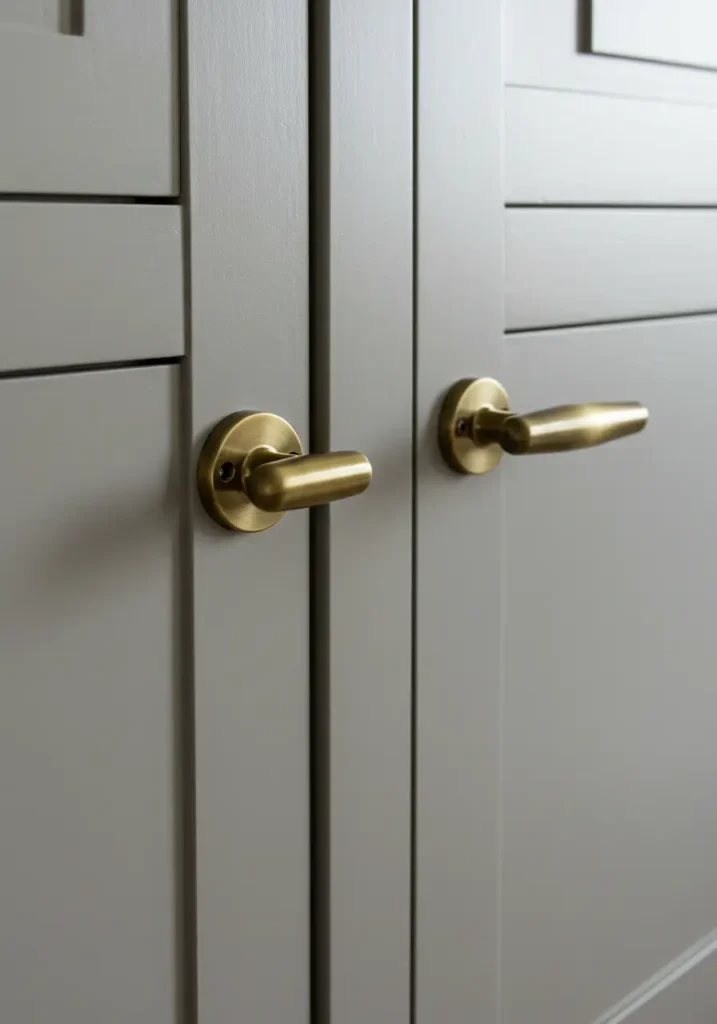
Hardware might be small, but its impact on your home’s overall appearance is enormous. Outdated or mismatched hardware screams “neglect” while cohesive, quality hardware whispers “refinement.”
Choosing a consistent finish: Select one finish and use it throughout your home for visual cohesion. Current popular finishes include matte black (modern and sophisticated), brushed brass or gold (warm and luxurious), brushed nickel (classic and versatile), and oil-rubbed bronze (traditional with depth). Avoid mixing finishes unless you’re deliberately creating a curated eclectic look.
Cabinet hardware transformation: Replace dated cabinet pulls and knobs in kitchens and bathrooms with contemporary options. Larger, more substantial hardware (4-5 inch pulls for drawers) creates a custom, high-end look. Choose hardware that complements your cabinet style—sleek and minimal for modern kitchens, ornate for traditional spaces.
Door hardware upgrade: Replace worn or builder-grade door knobs, handles, and hinges throughout your home. Lever handles feel more modern and luxurious than round knobs. Matching hinges to your chosen finish (rather than the standard brass many homes have) creates polish and attention to detail that makes your House Look more expensive.
Don’t overlook small details: Update switch plates and outlet covers to match your hardware finish. Replace basic white plastic covers with metal options in your chosen finish, or choose modern screwless covers for a seamless look. These tiny details contribute to overall sophistication.
Quality indicators: Choose solid metal hardware rather than plastic or hollow metal options. Quality hardware has satisfying weight and smooth operation. While more expensive upfront, better hardware lasts longer and maintains its finish, providing better long-term value.
Let’s discuss: Which of these interior updates would make the biggest difference in your home right now? Are you dealing with outdated paint colors, missing architectural details, or mismatched hardware? Share your biggest challenge in the comments!
7. Improve Lighting Fixtures
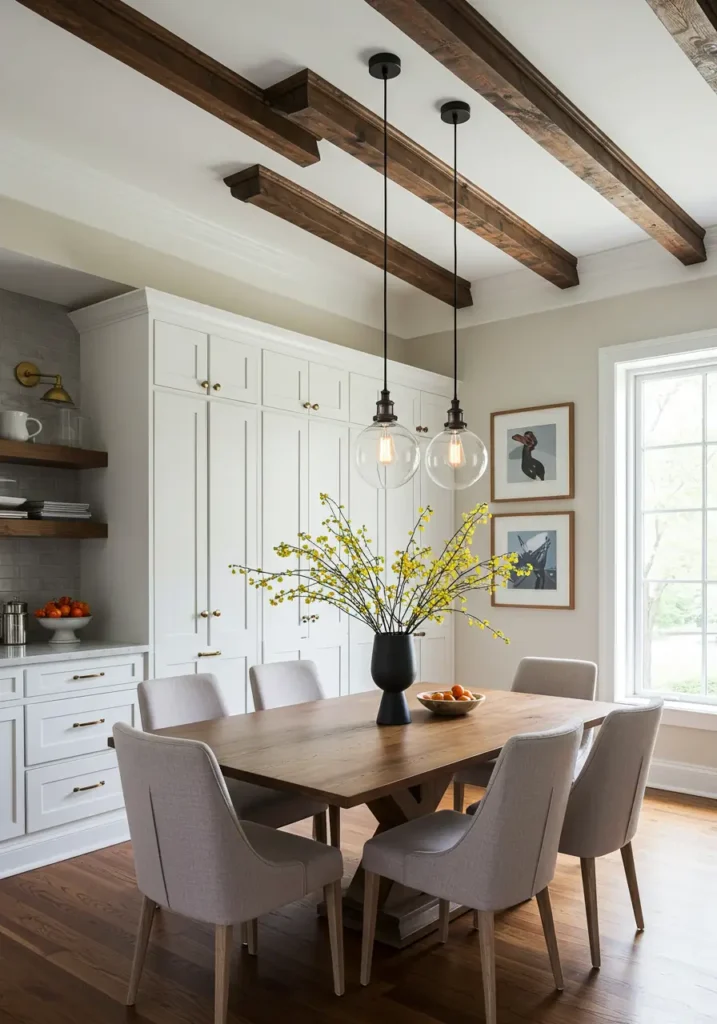
Lighting serves dual purposes—functional illumination and decorative impact. Updated fixtures dramatically change your home’s ambiance and visual appeal, making your House Look more expensive and thoughtfully designed.
Statement lighting opportunities: Key locations for impressive fixtures include entry foyers (chandeliers or large pendants), dining rooms (chandeliers centered over tables), kitchen islands (pendant lights in odd numbers), and primary bathrooms (updated vanity lighting). These prominent fixtures become jewelry for your rooms.
Fixture scale and proportion: Choose appropriately sized fixtures for your space. Too-small fixtures disappear and look cheap. Too-large fixtures overwhelm. For dining room chandeliers, the fixture diameter should be roughly half the table width. Entry chandeliers should be proportional to the space—larger foyers can handle grander fixtures.
Mixing metals and styles: While maintaining some consistency helps, you can mix fixture finishes throughout your home as long as they complement each other. Brass in the dining room and matte black in the kitchen can coexist if the overall style remains cohesive. Ensure other elements (like hardware and faucets) tie the finishes together.
Layered lighting approach: Expensive-looking homes use layered lighting—ambient (overall illumination), task (focused light for activities), and accent (highlighting architectural features or artwork). This multi-level approach creates depth, dimension, and flexibility. Add table lamps, floor lamps, and picture lights to supplement overhead fixtures.
Dimmer switches: Installing dimmer switches transforms standard lighting into customizable ambiance. Dimmers allow you to adjust light levels for different times of day and activities, creating mood and sophistication. They also extend bulb life and reduce energy costs.
8. Elevate Window Treatments
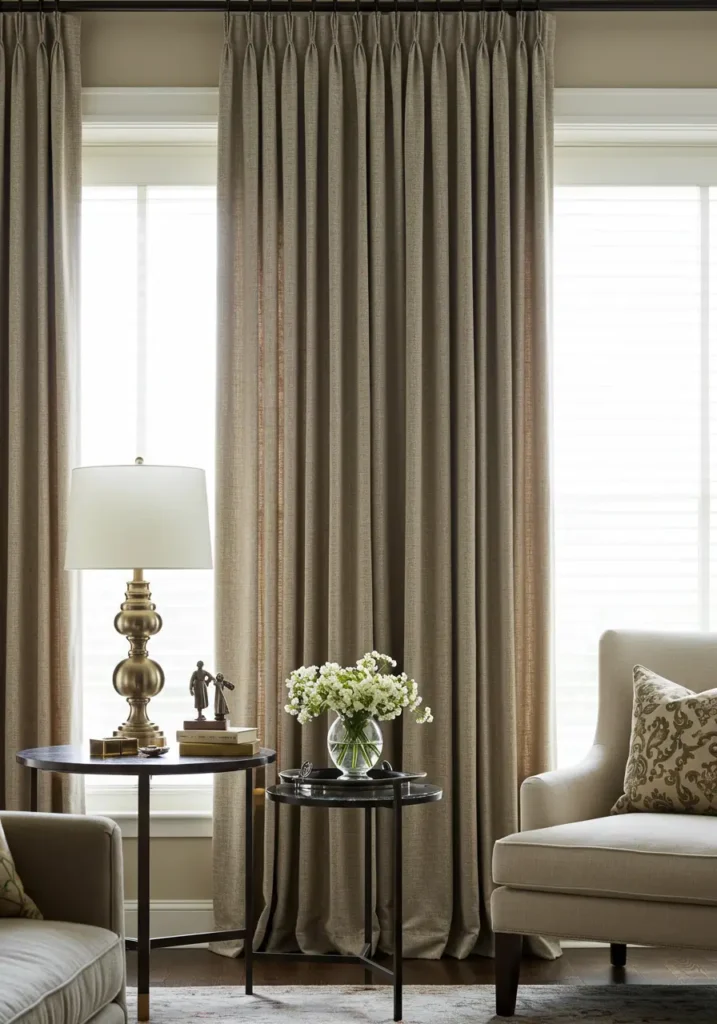
Window treatments frame your views and add essential layers of texture, color, and sophistication. Quality treatments make dramatic differences in how finished and expensive rooms appear.
The power of proper curtains: Floor-length curtains (or even slightly puddled on the floor) create elegance and make ceilings appear taller. Hang curtain rods high—just below the ceiling line or crown moulding—and extend them well beyond the window frame (6-12 inches on each side). This makes windows appear larger and more grand.
Fabric selection: Choose substantial fabrics with good drape—linen, velvet, silk, or quality faux silk. Avoid thin, translucent materials that look cheap. Lined curtains hang better, provide more privacy, protect fabric from sun damage, and add insulation. Interlined curtains (with an additional layer between face fabric and lining) offer maximum luxury and function.
Hardware matters: Invest in quality curtain rods that complement your hardware finish. Substantial rods (1-1.5 inches diameter) look more expensive than thin tension rods. Decorative finials add polish to rod ends. Ensure hardware can support your curtain weight—heavy fabrics need sturdy support.
Alternative window treatments: Roman shades offer a clean, tailored look perfect for kitchens and bathrooms. Wooden blinds or shutters provide classic sophistication and excellent light control. Woven wood shades add organic texture. Choose treatments appropriate to each room’s function and style.
The no-treatment option: In some cases, particularly with beautiful windows and attractive views, minimal or no treatment works best. Clean, bare windows with architectural interest can make a modern statement. Save this approach for windows with privacy and where harsh sunlight isn’t an issue.
9. Use Quality Textiles

Layering luxurious fabrics throughout your home adds comfort, visual richness, and tactile appeal that makes your House Look and feel more expensive.
The power of texture: Incorporate varied textures through throw pillows, blankets, upholstery, and rugs. Velvet adds sumptuous richness. Linen provides casual elegance. Silk or silk velvet creates glamorous sophistication. Chunky knits add cozy warmth. Mixing textures creates depth and interest that flat, monotone rooms lack.
Strategic pillow placement: Use throw pillows to introduce color, pattern, and luxury. Quality down or down-alternative inserts make pillows look plump and inviting rather than flat and sad. Mix sizes—start with larger pillows in back, smaller in front. Odd numbers (3 or 5 on a sofa) create better visual balance than even numbers.
Bedding upgrade: Hotel-quality bedding transforms bedrooms into luxury retreats. Invest in high thread count sheets (300-600 thread count offers optimal quality), a quality duvet or comforter, and multiple pillows. Layer with a coverlet or throw at the foot of the bed. All-white or neutral bedding looks especially expensive and elegant.
Throw blankets as decor: Casually draped throws add color, texture, and inviting comfort. Choose quality materials like cashmere, wool, or faux fur. Drape them over sofa arms, fold them at the foot of beds, or arrange them in decorative baskets. This simple touch adds layers of sophistication.
Upholstery considerations: When purchasing new furniture or reupholstering existing pieces, choose quality, durable fabrics in colors and patterns you’ll love long-term. Performance fabrics now offer stain resistance without sacrificing appearance. Neutral upholstery provides versatility, while you can introduce color through changeable accessories.
10. Incorporate Mirrors Strategically
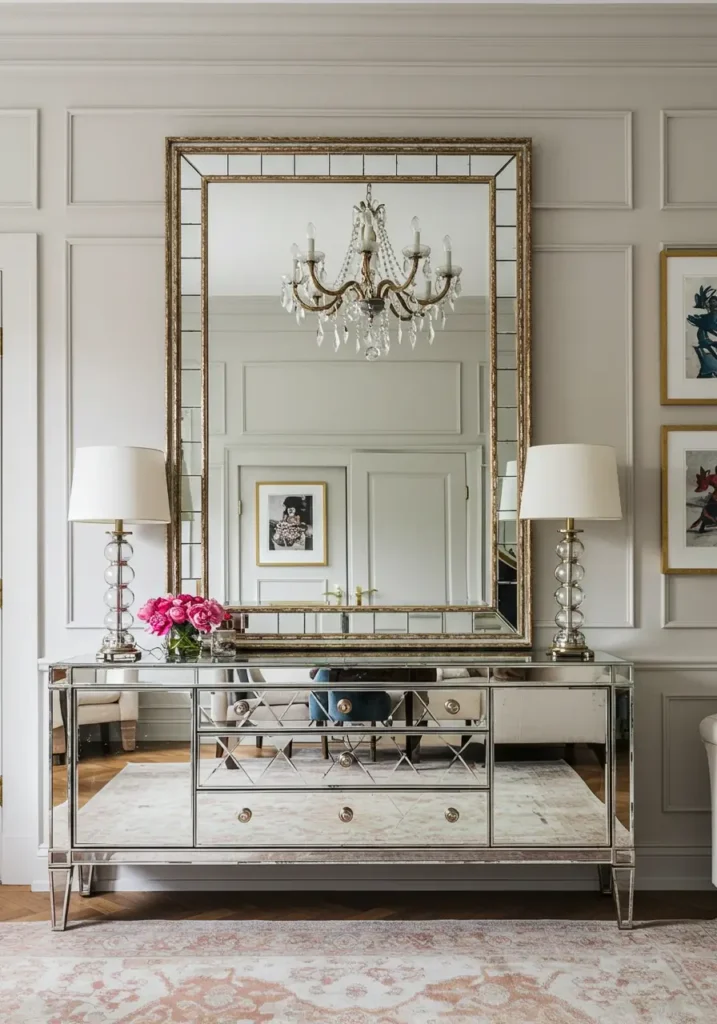
Mirrors serve as design multi-tools—they reflect light, create the illusion of space, add decorative interest, and make your House Look more expensive through their elegant presence.
Maximizing light: Place mirrors opposite or adjacent to windows to reflect natural light throughout rooms. This brightens spaces and makes them feel more open and airy. Dark hallways, small bathrooms, and north-facing rooms benefit dramatically from strategically placed mirrors.
Creating visual space: Large mirrors make small rooms feel substantially larger by creating depth through reflection. A floor-length mirror in a narrow entryway visually doubles the space. An oversized mirror above a sofa adds dimension to living rooms.
Mirror as artwork: Decorative mirrors with beautiful frames function as art pieces while providing reflective benefits. Ornate gilded mirrors add traditional elegance. Simple modern frames create contemporary sophistication. Unique shapes (round, oval, irregular) add visual interest to spaces dominated by rectangular elements.
Strategic placement tips: Avoid placing mirrors where they reflect clutter or unattractive views. Don’t hang mirrors too high—they should reflect useful views, not just ceilings. Consider what the mirror reflects before positioning it. The best placements reflect beautiful features, natural light, or attractive decor.
Statement mirrors: One large, impressive mirror creates more impact than several small ones. An oversized leaning mirror in a bedroom or substantial horizontal mirror over a console table or fireplace mantel serves as a focal point that makes the entire space feel more expensive and carefully designed.
11. Update Bathroom Vanities or Fixtures

Bathrooms significantly impact a home’s perceived value. Even small bathrooms can look luxurious with strategic updates that don’t require full renovations.
Vanity transformations: If replacing your vanity isn’t feasible, update the existing one through paint and new hardware. Remove cabinet doors and replace them with open shelving for a modern look. Replace countertops with affordable options like quartz or even painted countertops as a temporary solution. Add legs to a standard vanity for a furniture-like appearance.
Faucet upgrades: Replace builder-grade chrome faucets with modern options in finishes like matte black, brushed gold, or oil-rubbed bronze. Wall-mounted faucets create a high-end look. Match your faucet finish to other bathroom hardware (towel bars, toilet paper holders, drawer pulls) for cohesion.
Mirror and lighting updates: Replace standard builder mirrors with framed mirrors or install decorative mirrors. Update bathroom lighting with modern vanity fixtures that provide adequate illumination. Side-mounted sconces flanking mirrors offer flattering light and hotel-style luxury.
Hardware and accessories: Coordinate all visible hardware. Replace basic towel bars with substantial options in your chosen finish. Add decorative elements like apothecary jars, attractive soap dispensers, and rolled towels in a basket. These small touches create a spa-like atmosphere that makes your bathroom Look more expensive.
Shower curtain elevation: If you have a shower curtain, choose one in quality fabric rather than plastic. White or neutral solid colors look more expensive than busy patterns. Hang curtains from ceiling height to make bathrooms feel taller. Add a matching fabric curtain liner behind a decorative curtain for a layered, luxurious look.
12. Style Your Shelves and Surfaces

The way you arrange objects on shelves, mantels, and surfaces signals whether your home is thoughtfully designed or carelessly assembled. Styling demonstrates intention that makes your House Look more expensive.
The bookshelf strategy: Arrange books both vertically and horizontally in stacks. Intersperse books with decorative objects, small plants, and personal photos. Use bookends as decorative elements. Color-coordinate books for visual impact (all white spines, rainbow arrangement, or grouping by color family creates striking effects).
The rule of three: Objects grouped in odd numbers (especially three) create more visually appealing arrangements than even numbers. Vary heights within groupings for interest. The classic formula: one tall object, one medium, one small—creates balanced, dynamic vignettes.
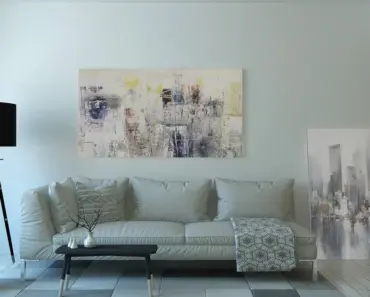
Layering and depth: Create depth by layering objects at different distances from shelf edges. Place taller items at the back, shorter items forward. Lean artwork or mirrors against the wall behind grouped objects. This layering adds dimension and visual richness.
The 80/20 rule: Fill shelves only about 80%, leaving 20% empty space. This breathing room prevents crowding and allows individual items to shine. Empty space paradoxically makes displays look more expensive and curated.
Cohesive styling elements: Use a limited color palette in your styling—perhaps neutrals with one accent color. Incorporate varied textures (wood, ceramic, metal, glass) for interest. Mix organic elements (plants, branches, stones) with man-made objects. Include at least one living plant for freshness and life.
Curb Appeal & Exterior Enhancements
13. Elevate the Entrance

Your entrance creates the crucial first impression that sets expectations for your entire property. Small investments here deliver outsized returns in perceived value.
Front door transformation: Paint your front door in a color that either complements your home (classic black, deep navy, rich brown) or creates a welcoming pop (cheerful yellow, bold red, sophisticated teal). Use high-quality exterior paint or stain. Replace the door entirely if it’s damaged or outdated—new doors offer excellent return on investment.
Hardware and house numbers: Upgrade to substantial door hardware in a finish that complements your home. Oversized house numbers in modern fonts create instant curb appeal. Choose numbers visible from the street that match your home’s style—sleek modern numbers for contemporary homes, traditional numbers for classic architecture.
Lighting that welcomes: Install stylish outdoor lighting flanking your entrance. Lantern-style fixtures suit traditional homes. Modern sconces complement contemporary architecture. Ensure adequate illumination for safety while creating inviting ambiance. Consider adding pathway lighting to guide visitors to your door.
Entry accessories: Add a high-quality doormat in a color and style that complements your door. Place attractive planters filled with seasonal flowers or evergreens flanking your entrance. A simple bench or chair creates a welcoming vignette. Keep the area immaculately clean and free of clutter.
The view through the door: If your entrance has glass panels or sidelights, ensure what’s visible through them looks attractive and organized. This glimpse inside should entice, not disappoint. A beautiful console table with attractive decor creates an inviting view that makes visitors eager to enter.
14. Manicure Your Landscaping

Overgrown, neglected landscaping undermines even the most beautiful home. Manicured grounds signal care, attention, and value that makes your House Look substantially more expensive.
The foundation of good landscaping: Start with basics—a neatly mowed, edged lawn free of weeds and bare patches. Clean, defined edges between lawn and beds create polish. Remove dead plants, overgrown shrubs, and weeds. These fundamentals cost more in time than money but deliver dramatic impact.
Strategic pruning and trimming: Prune shrubs into neat shapes that complement your home’s architecture. Trim tree branches that hang too low or obstruct views of your home. Remove any plants touching your house—they can cause damage and look unkempt. Well-maintained plants look intentional and expensive.
Mulch magic: Fresh mulch in beds creates instant visual impact. Dark brown or black mulch makes plants pop and gives beds a finished, professional appearance. Apply 2-3 inches of mulch annually to suppress weeds, retain moisture, and maintain that fresh look. Edge beds cleanly before adding mulch for maximum impact.
Strategic planting: Add colorful annuals for seasonal interest or low-maintenance perennials for long-term value. Group plants in odd numbers for visual appeal. Layer plants by height—taller in back, shorter in front. Choose plants appropriate to your climate and sun exposure for healthy, thriving gardens.
Hardscaping attention: Keep walkways, patios, and driveways clean and in good repair. Power wash stained concrete. Repair cracks and broken pavers. Re-sand pavers where sand has washed away. These details matter enormously to overall impression.
15. Upgrade Your Mailbox
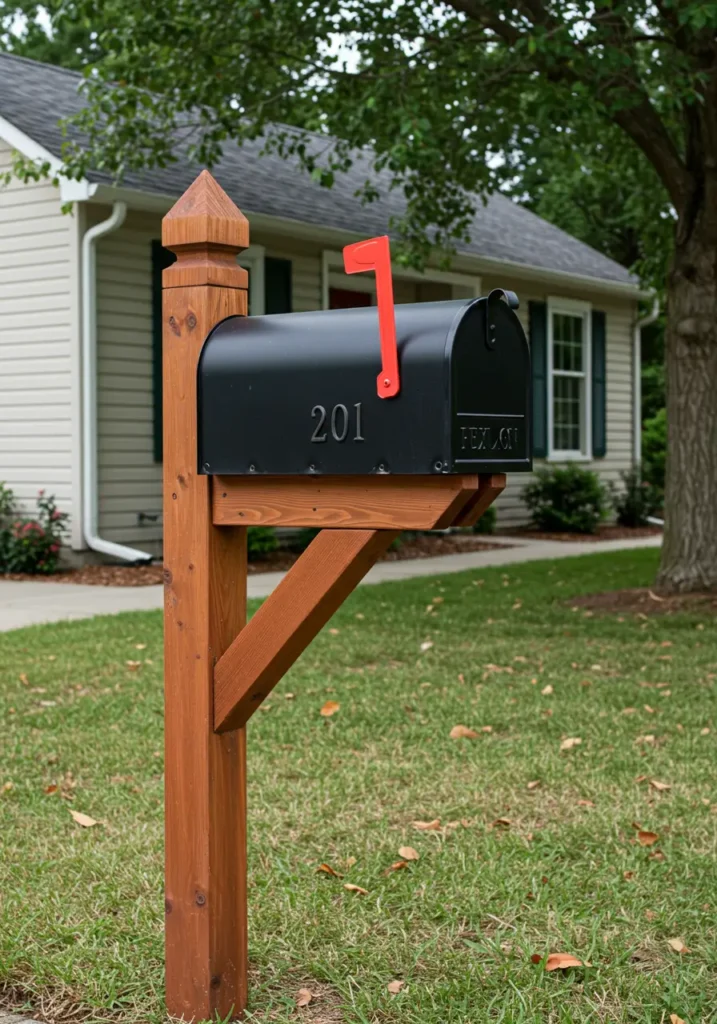
A dated, damaged, or basic mailbox detracts from curb appeal more than most homeowners realize. This small upgrade makes a noticeable difference in how polished your property appears.
Choosing the right style: Select a mailbox that complements your home’s architecture. Modern homes suit sleek, minimalist designs. Traditional homes pair well with classic post-mounted boxes or wall-mounted options with decorative details. Ensure your choice meets postal service requirements for size and placement.
Material matters: Quality materials like powder-coated steel, aluminum, or weather-resistant wood last longer and look better than cheap plastic options. Consider finishes that coordinate with your home’s exterior colors and other hardware.
The complete package: Don’t forget the post if you have a post-mounted mailbox. A substantial, well-maintained post in complementary material (wood, stone, or metal) completes the look. Consider adding landscape lighting to illuminate your mailbox at night or planting small shrubs or flowers around the base.
Numbers and names: If you display your address on the mailbox, choose attractive numbers that are clearly visible. Some homeowners add family names in elegant lettering. Ensure all additions look intentional and professional rather than DIY-sticker quality.
16. Add Window Boxes or Planters
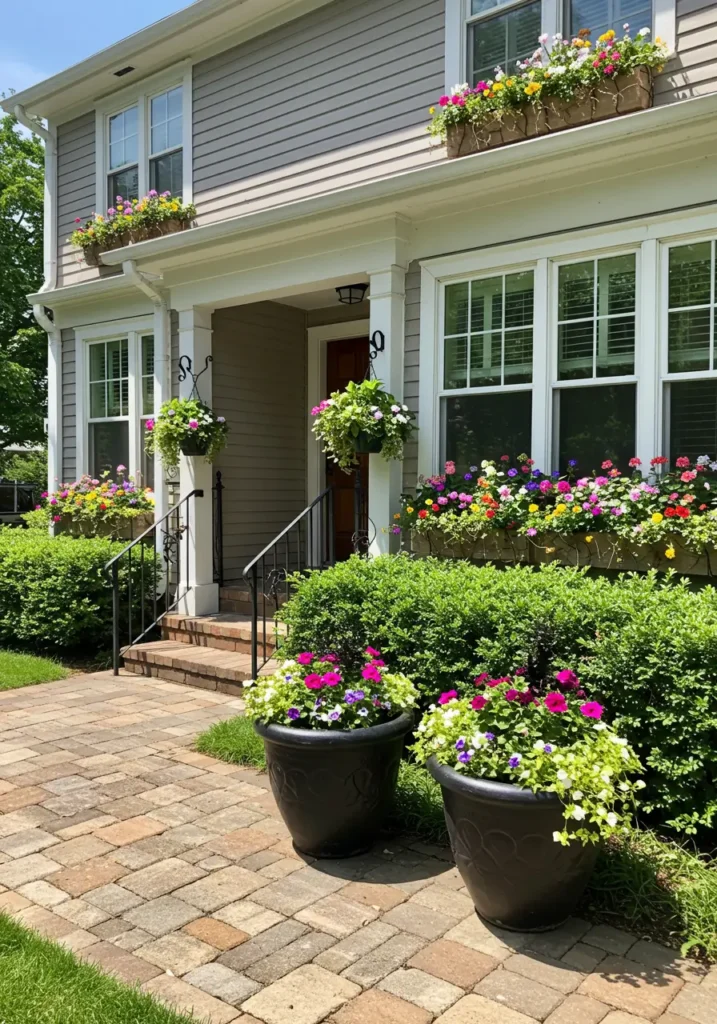
Window boxes and planters add instant charm, color, and sophistication to your home’s exterior. These relatively affordable additions create big visual impact.
Window box selection: Choose window boxes proportional to your windows—too small looks sparse, too large overwhelms. Quality materials like wood, wrought iron, or composite materials designed for outdoor use last longer and look better than cheap plastic. Ensure secure mounting that can support the weight of soil and plants.
Planting strategies: Use the “thriller, filler, spiller” formula for balanced arrangements. Include one tall dramatic plant (thriller), several medium plants to fill space (filler), and trailing plants that cascade over edges (spiller). Change plantings seasonally for year-round interest—bright flowers in summer, ornamental kale in fall, evergreens in winter.
Large container impact: Flank your entrance with substantial planters (at least 18-20 inches in diameter) filled with lush plants. Symmetrical arrangements create formal elegance. Asymmetrical groupings offer casual sophistication. Coordinate planter style and color with your home’s exterior.
Container materials: Invest in quality containers that withstand weather. Glazed ceramic, fibreglass, composite, or weather-resistant resin all offer durability. Avoid thin plastic pots that crack in freezing temperatures. Consider weight—very large heavy planters are difficult to move but provide stability in wind.
Maintenance commitment: Remember that container plants require regular watering, fertilizing, and deadheading to look their best. If you struggle with maintenance, choose low-maintenance plants like ornamental grasses, succulents, or dwarf evergreens that require less attention while still providing visual impact.
17. Clean the Exterior
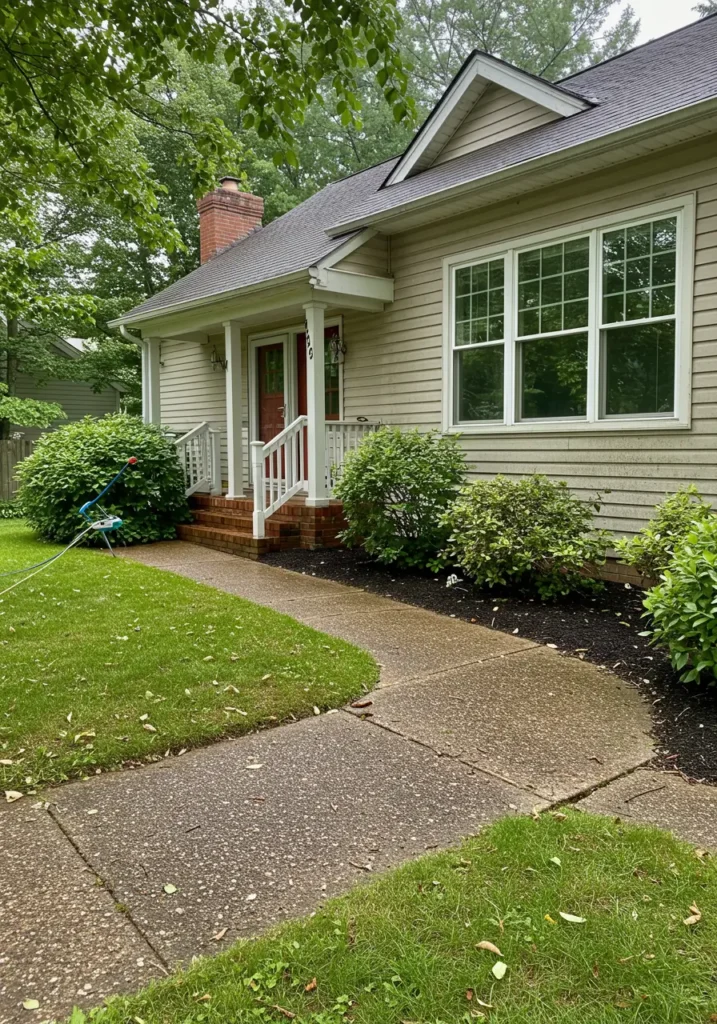
Perhaps the most fundamental exterior upgrade costs virtually nothing but delivers remarkable results. A thoroughly cleaned exterior fundamentally transforms how your House Looks, making it appear cared-for, valuable, and expensive.
Power washing magic: Pressure washing removes years of accumulated dirt, mildew, and grime from siding, brick, concrete, and stone. This single task can make your home look decades newer. Rent or buy a power washer and tackle siding, walkways, driveways, patios, decks, and fences. Use appropriate pressure settings for different surfaces to avoid damage.
Window washing importance: Clean windows inside and out make an enormous difference. Dirty, streaky windows make homes look neglected. Sparkling windows allow maximum natural light inside while presenting a polished exterior. Use proper glass cleaning products and microfiber cloths for streak-free results. Don’t forget window screens—clean or replace damaged screens.
Detail work matters: Remove cobwebs from eaves, light fixtures, and corners. Clean light fixtures and replace burned-out bulbs. Sweep porches, patios, and walkways. Remove debris from gutters (visible overflow stains show neglect). Clean or paint rust stains on downspouts and railings. These details accumulate to create overall impressions.
Seasonal maintenance: Establish a seasonal cleaning routine. Power wash in spring after winter grime. Clean gutters in fall after leaves drop. Remove snow and ice promptly in winter. Regular maintenance prevents buildup that requires more aggressive cleaning and makes your property consistently look expensive and well-maintained.
We’re curious: Which of these 17 strategies will you tackle first to make your house look more expensive? Do you have any budget-friendly tips you’ve tried that really worked? Share your experiences and plans in the comments!
Related Posts: Floating Shelves Wood: 15 Genius DIY Ideas for Your Home
Drawing Inspiration from Home & Outdoor Aesthetics
Many effective strategies for making your House Look more expensive connect to principles found in appealing Home and Outdoor Aesthetics that have proven their value across cultures and time periods.
Attention to Detail and Finish
High-end aesthetics share one universal characteristic: careful attention to small details and quality finishes throughout. This polish doesn’t happen accidentally. It results from conscious choices about every visible element, from paint quality to hardware finish to how objects are arranged.
Professional designers understand that humans notice details subconsciously. We might not identify exactly what makes a space feel expensive, but we register the cumulative effect of many small, correct decisions. Conversely, one obviously cheap element can undermine an otherwise lovely space. This principle explains why consistent quality throughout your home matters more than a few spectacular features surrounded by neglect.
Harmony with Nature and Light
Expensive-looking homes maximize natural light and create connections to the outdoors. Large windows, clean glass, thoughtful window treatments that allow light, strategic mirrors that reflect it—these elements make spaces feel larger, more open, and more valuable.
Natural elements like plants, wood, stone, and water features add organic beauty that resonates on a primal level. Humans evolved in natural environments, so incorporating natural materials and living plants makes spaces feel more comfortable and appealing. This principle works equally well in minimalist modern homes and traditional country houses.
Creating a Welcoming and Curated Space
An expensive-looking home feels intentional and inviting. Every element appears deliberately chosen and thoughtfully placed. This doesn’t mean stiff formality or museum-like untouchability. Rather, it means creating spaces that invite use while maintaining visual appeal.
Curation involves selecting items you truly love and arranging them to showcase their best qualities. It means editing out everything that doesn’t contribute to your vision. A curated space tells a story about who lives there—their interests, values, and aesthetic sensibilities. This personal authenticity makes a home feel genuinely luxurious rather than generic.
Maintaining Your Home’s Upscale Appearance
Implementing these upgrades creates an expensive appearance, but maintaining that look requires ongoing attention. A beautiful House Look demands consistent care and maintenance.
Regular Cleaning and Upkeep
Establish and maintain regular cleaning routines for both interior and exterior spaces. Clean homes always look more expensive than dirty ones, regardless of actual furnishings or finishes. Create a cleaning schedule that prevents dirt and clutter from accumulating to overwhelming levels.
Daily habits like making beds, clearing counters, and quick tidying maintain baseline cleanliness. Weekly tasks include vacuuming, mopping, bathroom cleaning, and dusting. Monthly tasks might include deeper cleaning like baseboards, light fixtures, and organizing closets. Seasonal tasks include window washing, carpet cleaning, and exterior power washing.
Prompt Repairs
Address maintenance issues immediately when you notice them. Small problems ignored become large, expensive problems. More importantly for appearance, visible damage—chipped paint, loose hardware, cracked tiles, broken fixtures—immediately undermines your expensive look.
Keep basic repair supplies on hand: paint for touch-ups, wood filler, caulk, spare light bulbs, and basic tools. Many small repairs take only minutes but make significant visual differences. If you lack skills for certain repairs, hire professionals promptly rather than letting problems linger.
Seasonal Refreshing
Keep your home feeling fresh through seasonal updates. Change out throw pillows, blankets, and decorative accessories to reflect seasons. Update exterior planters with seasonal flowers or greenery. This rotation keeps your home feeling current and cared-for without requiring major investments.
Touch up paint in high-traffic areas before it looks dingy. Refresh mulch in landscape beds annually. Power wash exterior surfaces seasonally. Replace worn items before they look shabby. Proactive refreshing costs less than reactive replacements and maintains your home’s elevated appearance continuously.
Budget-Friendly Implementation Strategies
Making your House Look more expensive doesn’t require unlimited funds. Strategic planning helps you maximize impact while managing costs.
Prioritizing Your Projects
Start with changes that offer the highest visual return on investment. Free or very low-cost options like decluttering, cleaning, and reorganizing should come first. Next, tackle affordable updates with big impact like fresh paint, updated hardware, and improved lighting.
Focus on the most visible areas first—entrance, living room, and primary bathroom get priority over guest rooms or basements. Create the best first impressions in spaces guests see, then expand to private areas as budget allows.
DIY vs. Professional Services
Determine which projects you can tackle yourself and which require professional help. DIY-friendly projects include painting, installing hardware, arranging furniture, styling shelves, landscaping maintenance, and basic repairs. These save money while achieving professional-looking results with careful work.
Hire professionals for projects requiring specialized skills, expensive tools, or where mistakes cost more to fix than professional installation would cost. Electrical work, plumbing, major structural changes, and complex carpentry often justify professional help.
Shopping Smart
Quality doesn’t always mean expensive. Shop sales, clearance sections, and discount retailers for hardware, light fixtures, and accessories. Online retailers often offer better prices than local stores. However, for items you’ll touch daily (hardware, faucets), invest in quality that will last.
Consider high-quality used or vintage items for unique character at lower prices. Architectural salvage yards offer interesting hardware, light fixtures, and building materials. Estate sales and auctions can yield quality furniture and decor for less than new retail prices.
Transform Your Home’s Appearance Today
Making your House Look more expensive is absolutely achievable through smart design strategies that enhance aesthetics and create sophisticated visual impact. These 17 actionable ideas provide a roadmap for transforming your home’s appearance without requiring massive budgets or complete renovations.
The key lies in understanding which details create impressions of quality and value, then implementing those strategies systematically throughout your property. Start with foundational improvements like decluttering and cleaning, then layer on updates to lighting, hardware, paint, and finishing touches that elevate your home’s appearance.
Remember that consistency matters enormously. Cohesive design choices throughout your home create greater impact than spectacular features in one room surrounded by neglect in others. Attention to detail, quality materials and finishes, connection to natural light and outdoor spaces, and thoughtful curation all contribute to the expensive look you’re seeking.
These improvements don’t just make your House Look more expensive—they often increase actual market value while making your daily living environment more beautiful and enjoyable. You’re not just decorating; you’re investing in a home that reflects your taste and makes you feel proud every time you walk through the door.
Now it’s your turn: Which of these 17 strategies will make the biggest impact on your home? What’s holding you back from starting your transformation—budget, time, or simply not knowing where to begin? Share your specific situation in the comments and let’s discuss the best starting point for your unique home!
Frequently Asked Questions About Making a House Look Expensive
What are the most budget-friendly ways to make a house look more expensive?
The most affordable strategies with dramatic impact include thorough decluttering and organizing (completely free), deep cleaning both interior and exterior (costs only cleaning supplies and time), fresh paint in sophisticated colors (paint costs several hundred dollars but transforms entire spaces), updating hardware throughout (drawer pulls, knobs, door handles typically cost $3-15 each), improving lighting with new bulbs and updated fixtures (fixtures range from $30-300), and manicuring landscaping through basic maintenance (free if you do it yourself). These accessible improvements make your House Look significantly more expensive without requiring thousands of dollars. Start with free options, then gradually layer on affordable upgrades as budget allows. The cumulative effect of multiple small improvements often surpasses the impact of one major expensive change.
How important is curb appeal for making a house look expensive?
Curb appeal is absolutely crucial because it creates the vital first impression that colors all subsequent perceptions of your property. Before anyone steps inside, they’ve already formed opinions based on exterior appearance. A well-maintained, attractive exterior immediately suggests a well-cared-for property throughout, making your House Look more valuable before guests or potential buyers cross the threshold. Studies show that strong curb appeal can increase home value by 5-10% and significantly reduce time on market when selling. Focus on entrance upgrades (door, lighting, house numbers), manicured landscaping, clean exterior surfaces, and cohesive aesthetic from the street. These visible improvements signal quality and care that extends throughout the property. Even if your interior needs work, excellent curb appeal buys goodwill and positive assumptions that work in your favor.
Does a clean house really look more expensive than a dirty one?
Absolutely yes—cleanliness may be the single most important factor in perceived home value, regardless of actual furnishings or finishes. A spotlessly clean, organized, and well-maintained home always looks more expensive and appealing than a cluttered or dirty one, even when the dirty home contains higher-quality furnishings. Cleanliness signals care, attention to detail, and adequate resources for maintenance—all qualities associated with expensive properties. Conversely, dirt, clutter, and visible neglect immediately signal deferred maintenance and lower value. The human brain interprets cleanliness as success and prosperity while reading mess as failure and scarcity. This deep-seated psychological association makes cleaning the highest-return investment you can make in your home’s appearance. Make cleanliness your foundation, then layer on design improvements. A clean modest home looks better than a dirty mansion.
Should I hire a professional designer or can I make my house look expensive myself?
Many homeowners successfully implement these strategies themselves with careful planning, research, and execution. Most of the 17 ideas listed don’t require professional design expertise—they need attention to detail, willingness to learn, and time investment. Start with straightforward projects like painting, updating hardware, decluttering, and styling. Use free resources like design blogs, Pinterest, and YouTube tutorials to build knowledge and confidence. However, professional help makes sense in certain situations: if you’re overwhelmed and don’t know where to start, a designer consultation (even just one hour) can provide direction and priority setting. For major renovations or if you lack confidence in color and furniture selection, professionals prevent expensive mistakes. If you’re preparing to sell your home, professional staging often pays for itself in faster sales and higher prices. Consider a hybrid approach: hire professionals for one or two key rooms or for consultation, then implement their principles throughout your home yourself.
Are certain paint colors better for making a house look more expensive?
Yes, paint color significantly impacts perceived value. Sophisticated neutral colors consistently make homes look more expensive than bright or overly trendy colors. Best choices include warm whites and soft whites (avoid stark white which can feel sterile), various grays from light greige to deeper charcoal, warm beiges and taupes, and deep, rich colors like navy blue, forest green, or charcoal for accent walls or smaller spaces. These colors create elegant, timeless backdrops that make your House Look expensive and well-designed. They also work with various decor styles and make rooms feel larger and brighter. Avoid: Very bright colors (hot pink, bright orange, lime green) that date quickly and limit decor options; trendy colors that will look dated in a few years; busy patterns or accent walls in very bold colors that overwhelm spaces. If you love color, incorporate it through changeable elements like pillows, artwork, and accessories rather than permanent wall colors. The goal is creating a sophisticated, neutral canvas that lets quality furnishings and architectural details shine.