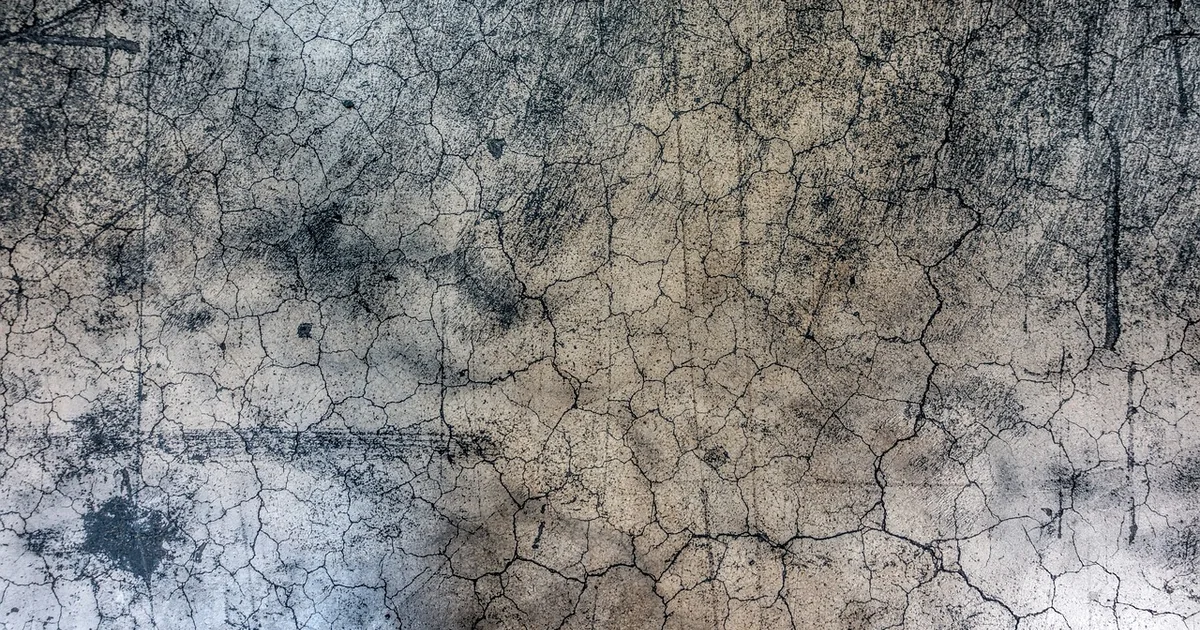
Cracks in concrete driveways, patios, basement floors, or garage slabs are more than just an eyesore. Over time, moisture seeps in, freeze-thaw cycles widen the gap, and the damage spreads. You need a repair that seals tightly and lasts through shifting seasons. Choosing from the many options can feel overwhelming, but the right pick depends on crack width, surface orientation, and exposure to weather.
Our Top 11 Concrete Crack Fillers for Durable Repairs
Sikaflex Pro Self-Leveling Sealant
If you have a horizontal crack between 0.25 and 1.5 inches wide and at least 0.5 inches deep, this polyurethane sealant is a standout. It flows into the gap on its own, creating an even surface without extra smoothing. The material dries to the touch in one to two hours but takes three to five days for full strength. You can apply it on concrete that has cured for just 24 hours, or on damp concrete if the rain stopped at least an hour earlier. It stays flexible after curing, so it handles thermal expansion and frost heave well. Use a standard caulk gun for the 10.1-ounce tube. The dried sealant is light gray, paintable, and sandable. Note that it only works on flat, level surfaces — avoid walls or sloped walkways.
DAP Latex Concrete Crack Filler (Squeeze Bottle)
For cracks up to half an inch deep on driveways, steps, and basement floors, this latex-based filler offers convenience. No tools needed — just shake the bottle well (a warm water bath helps flow), snip the tip, and squeeze into the gap. It dries in 30 to 45 minutes, so you can walk on it or drive over it within the hour. The finish is a concrete gray that accepts paint after curing. A 32-ounce bottle covers roughly 90 linear feet. Because it self-levels, it is not suitable for vertical or sloped surfaces. Cold weather thickens the material, so use it above 40 degrees Fahrenheit for best results.
Acrylic-Based Concrete Patch (Trowel Grade)
This ready-to-use acrylic patch excels at repairing larger cracks and spalled areas on brick, stone, or concrete surfaces. It requires a trowel for application. For cracks deeper than 0.25 inch, apply in thin layers no more than 0.25 inch thick, allowing 24 hours between each coat. It dries to a textured finish that blends with masonry and can be painted. The product does not shrink or crack, but it is not fully waterproof, so protect it indoors or in covered exterior areas. One quart covers up to 20 square feet; one gallon covers up to 80 square feet. Avoid using it on driveways or garage floors that bear vehicle traffic.
Quikrete Vinyl Concrete Patcher
A common choice for repairs up to 1 inch deep, this vinyl-based compound bonds well to old concrete and cures with moderate flexibility. It works on both horizontal and vertical surfaces when mixed to a thicker consistency. Drying time ranges from two to four hours depending on temperature. The patcher resists shrinking and can be textured or painted. It is ideal for cracks in steps, walls, and patios but not for heavy traffic areas without a sealer.
Red Devil Pre-Mixed Concrete Patch
This pre-mixed acrylic patch comes in a tub for easy scooping and troweling. It sets in about 30 minutes and cures fully in 24 hours. It can fill cracks up to 1 inch wide on concrete, masonry, and stucco. The material sands smooth and accepts paint. While it works for both interior and exterior surfaces, avoid applying it in constantly wet or subgrade conditions. Cleanup requires only soap and water.
Loctite PL Polyurethane Concrete Crack Sealant
A tough, flexible polyurethane sealant that adheres strongly to damp and dry concrete alike. It remains elastic to accommodate movement and is waterproof. Use a caulk gun for application. It skins over in about one hour and fully cures within 24 to 48 hours. Best suited for horizontal cracks in driveways, sidewalks, and parking areas. It can be painted after curing. The sealant works at temperatures as low as 0 degrees Fahrenheit, making it a good choice for cold climates.
SikaBond Concrete Crack Sealant
SikaBond is a hybrid polymer sealant that combines the flexibility of silicone with the durability of polyurethane. It is self-leveling for horizontal cracks and can be applied with a caulk gun. It bonds to damp surfaces and resists ponding water. Cure time is around 24 hours for foot traffic, with full strength in seven days. The sealant is paintable and sandable. It is not recommended for vertical applications or submerged joints.
Hydraulic Cement Crack Filler
When you need a fast-setting material that stops active water leaks, hydraulic cement is the answer. It sets in three to five minutes and expands slightly to lock into cracks. Use it for filling cracks in basement walls, retaining walls, or around pipe entries. Mix it with water to a putty-like consistency and press it firmly into the gap. It cures to a hard, rock-like finish that withstands hydrostatic pressure. It is not flexible, so avoid using it in areas prone to frequent thermal movement.
You may also enjoy reading: 7 Easy Ways to Remove Mold Inside Walls.
Epoxy Concrete Repair Compound
Epoxy resins cure to a strength greater than concrete itself, making them ideal for structural repairs and load-bearing surfaces. Two-part epoxy systems require mixing, then troweling or injecting into the crack. They bond chemically to the concrete and resist shrinkage, water, and chemicals. Full cure typically takes 12 to 24 hours. Epoxy works on both horizontal and vertical surfaces. Because it hardens rigidly, use it only in cracks that do not experience significant movement.
Asphalt Crack Filler (For Concrete Adjacent to Asphalt)
While designed primarily for asphalt, some rubberized asphalt fillers can seal cracks in concrete where the crack is at the joint between two materials. This filler stays flexible and waterproof, and it self-levels at warmer temperatures. It dries to a black color and is best for non-decorative concrete surfaces like shop floors or basements. Apply by pouring from a bottle or using a caulking tube.
Polyurea Concrete Crack Filler
Polyurea sealants cure rapidly — often within minutes — and provide extreme durability and weather resistance. They are less common but increasingly available for DIY use in pre-filled cartridges. They bond to damp concrete and remain flexible over a wide temperature range. The drawback is a higher cost and very fast working time. Use them for high-traffic areas, garage floors, or industrial settings where downtime must be minimal.
Step-by-Step Application Tips for Lasting Results
Proper surface preparation is the biggest factor in repair longevity. Clean the crack thoroughly — remove loose debris, dirt, old sealant, and vegetation using a wire brush, compressed air, or a pressure washer. Let the area dry completely unless the product specifically allows damp application. For deeper cracks, pack a foam backer rod into the gap to within half an inch of the surface; this reduces the amount of filler needed and allows the sealant to bond to both sides rather than dripping downward. Apply the filler according to the manufacturer’s instructions, using a caulk gun, squeeze bottle, or trowel. Overfill slightly, then tool the surface with a putty knife or your finger (wearing a glove) to ensure contact with the sides. Allow the recommended cure time before exposing the area to traffic or water. If you need to paint, wait for the full cure indicated on the label.
With the right product and careful installation, concrete cracks can become permanent fixes rather than recurring problems. Whether you opt for the self-leveling convenience of Sikaflex Pro, the fast-drying simplicity of DAP, or the structural strength of epoxy, each of the 11 best concrete crack fillers listed above addresses a specific repair scenario. Match your choice to your crack’s dimensions and location, and you will see results that hold up for years.