July is a pivotal month in your garden, marking a clear shift from spring planting to summer maintenance. Your July gardening tips should focus on keeping plants productive while preparing for the cooler months ahead. This is the time when July garden tasks like deadheading, watering wisely, and succession planting become essential for a thriving landscape.

In mid-season garden care, you’ll notice more time spent harvesting vegetables and less energy on fertilizing woody plants. These summer gardening strategies also tackle common challenges like pests, blossom end rot on tomatoes, and knowing the perfect moment to pick your crops. By adjusting your routine now, you set the stage for a beautiful fall garden.
1. Deadhead Annuals and Perennials for Continuous Blooms
Now that you have a plan for tackling common garden challenges, let’s focus on a simple technique that keeps your flower beds looking their best all season long. Deadheading is one of the most rewarding July gardening tips you can follow, because it directly encourages more flowers. The idea is straightforward: by removing spent blooms, you signal the plant to stop putting energy into seed production and instead produce new buds. This works for both annuals and perennials, though the exact approach differs for each.
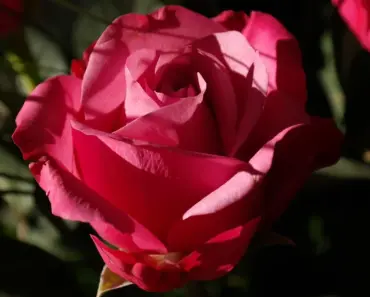
For annuals, which complete their life cycle in one season, regular deadheading is key to promote reblooming until frost. Simply cut the faded flower back to a leaf node or a branching point. For perennials, which return year after year, the goal is often to prevent reseeding while encouraging a second flush of blooms. Cut the stem to the base of the plant or just above a healthy bud. You can also combine this with cutting back leggy foliage to keep the whole plant looking tidy. While you’re at it, check for diseased foliage on roses — removing it promptly is a smart deadheading technique that supports overall plant health. Understanding these how to deadhead flowers basics makes a real difference in your garden’s appearance and productivity. Remember, the key distinction in annual vs perennial deadheading lies in where you make your cuts, not whether you do it at all.
2. Pinch Chrysanthemums Until July 4 for Compact Fall Blooms
Now that you have deadheading down, here is another simple technique that pays off big in autumn. A quick pinch of your chrysanthemums now can dramatically increase the number of flowers you enjoy later. This is one of those July gardening tips that feels almost too easy, but the results are stunning.
To get the most from your mums, pinch back the tips of each stem every two to three weeks, stopping on July 4. This regular pinching encourages branching, which creates a compact, bushy plant rather than a leggy one. More branches mean more flower buds, so you end up with a mound of color in the fall. After July 4, stop pinching entirely. This allows the plant to set flower buds for autumn. For a quick refresher on the step-by-step pinching method, simply use your thumb and forefinger to remove the top inch of new growth. It is that straightforward. Consistent chrysanthemum care like this is the secret to those picture-perfect fall blooming mums you see in garden centers. If you are new to how to pinch back plants, start with just a few stems and you will see the difference in no time.
3. Prevent Blossom End Rot on Tomatoes and Peppers with Consistent Watering
Now that your mums are set for a bushy fall display, let’s turn to a common frustration in the vegetable patch: blossom end rot. You might spot dark, sunken spots on the bottom of your tomatoes or peppers and worry it’s a disease. The good news is it’s not. The real blossom end rot cause is irregular soil moisture, which interferes with calcium uptake in the fruit. One of the most practical July gardening tips is to keep the soil consistently moist—not soggy, but never bone-dry. Consistent watering makes all the difference. Water deeply at the base of the plants, aiming for about an inch per week, and adjust if rain is scarce. For best tomato watering tips, focus on the root zone and avoid wetting the leaves to reduce disease risk.
Mulching Recommendations for Soil Moisture — Apply a 2–3 inch layer of organic mulch, such as straw or shredded leaves, around your plants. This helps maintain steady moisture and keeps the soil temperature more even. The correct mulching depth is key: too thin won’t hold moisture, too thick can invite pests. Additionally, don’t forget your newer landscape plants. Calcium uptake problems can also affect other vegetables, so consistent care helps them all. Water newly planted trees and shrubs thoroughly at least once a week if regular rains are not occurring. A little attention to moisture now prevents a lot of disappointment later.
4. Harvest Potatoes, Onions, and Garlic at the Right Time for Best Storage
As your garden shifts from summer growth to readiness for cooler months, your root crops are sending clear signals. Paying attention to these signs is one of the most practical July gardening tips you can follow. For potatoes, wait until the tops have completely died back before you start digging. This allows the skins to toughen up, which makes them last much longer in storage. For onions and garlic, look for the tops to fall over and turn brown. That is your cue that they have reached maturity and are ready to be pulled.
After you have dug or pulled these vegetables, do not rush them straight into the kitchen or root cellar. A simple process called curing makes a big difference for root crop storage. Spread them out in a dry, airy place out of direct sunlight for a week or two. For garlic and onions, this dries the outer layers and tightens the necks, which helps prevent rot. For potatoes, curing heals any small nicks from the shovel. Once cured, store them in a cool, dark spot. Getting the timing right and following these steps means you can enjoy the fruits of your summer labor well into winter.
5. Control Japanese Beetles Without Harsh Chemicals
While you’re busy harvesting and storing potatoes, another July task demands your attention: protecting your garden from Japanese beetles. These metallic-green pests can skeletonize leaves in days, but you don’t need harsh pesticides to stop them. Effective organic methods exist, and they’re safe for your family, pets, and beneficial insects. A key July gardening tip is to monitor trees and shrubs regularly for early signs of beetles. Catching them early makes hand picking a manageable chore. Simply knock them into a bucket of soapy water early in the morning when they’re sluggish. This hands-on approach is a cornerstone of natural pest control and works well for small infestations.
For larger outbreaks, consider neem oil for beetles. This plant-based spray disrupts feeding and egg-laying without harming bees once dry. Apply it in the evening to avoid leaf burn. Another long-term strategy for Japanese beetle control organic involves treating the lawn with milky spore. This natural bacterium targets beetle grubs in the soil, reducing next year’s population. One thing to skip: those pheromone traps you see at garden centers. They often lure more beetles into your yard than they catch, making the problem worse. Stick with hand picking beetles, neem oil, and milky spore for a safe, effective battle plan that keeps your garden thriving through summer.
You can read more on this topic in 7 Truths Cheap Gardening No One Tells Beginners.
6. Stop Fertilizing Trees and Shrubs After July 4 to Prevent Winter Injury
Now that you have a handle on pest control, let’s talk about feeding your woody plants. One of the most important July gardening tips is to put away the fertilizer for your trees and shrubs after Independence Day. Late season fertilization can stimulate tender new growth that simply won’t have time to harden off before the first frost. This soft growth is highly vulnerable to winter damage, leaving your plants stressed and struggling come spring. By stopping now, you give your trees and shrubs the signal to slow down and prepare for dormancy, building the winter hardiness they need to survive cold months.
This doesn’t mean you stop feeding everything in your garden. Your annual flowers still need regular nutrition to keep producing those vibrant blooms through summer and into fall. Continue to fertilize annual flowers every two weeks with a balanced, water-soluble fertilizer. This summer fertilizing schedule keeps them lush and flowering without risking the health of your woody plants. Remember, winter injury prevention starts with smart summer habits. Let your trees and shrubs rest, and save the fertilizer for your annuals. Your garden will thank you with stronger growth next year.
7. Plant Successive Crops for a Bountiful Fall Harvest
Just when your summer garden is hitting its stride, July offers a perfect chance to plan ahead for autumn. Because your trees and shrubs are now settled into their summer rest, your attention can shift to maximizing what your vegetable beds and flower borders can deliver. Succession planting—making small, staggered sowings of the same crop—keeps your garden productive long after your first summer harvests are finished. It is a simple way to enjoy fresh vegetables and colorful blooms well into the cooler months.
For a productive fall vegetable garden, start making successive plantings of corn, beans, cucumbers, and summer squash every few weeks. This staggered approach gives you a continuous harvest rather than one overwhelming glut. Pair this with a basic crop rotation practice: avoid planting the same vegetable family in the same spot where it grew earlier in the season, which helps prevent soil-borne diseases. For late summer flowers, plant zinnia, cosmos, alyssum, pansy, marigold, and cleome seeds by July 4. These varieties bloom quickly and will keep your garden vibrant as the days shorten. These July gardening tips help you extend the growing season and enjoy a second wave of beauty and bounty from your garden, maximizing every inch of your planted space.
Frequently Asked Questions
How do I deadhead flowers to encourage more blooms?
Deadheading is simply removing spent flowers before they set seed. Use clean, sharp pruners to cut the stem just above a healthy leaf or bud. This redirects the plant’s energy into producing new flowers, keeping your garden vibrant and tidy throughout the season.
When exactly should I harvest potatoes, onions, and garlic for best storage?
For potatoes, wait until the foliage has completely died back, then dig them up on a dry day. Onions and garlic are ready when their tops flop over and begin to brown; pull them and let them cure in a warm, airy spot for a couple of weeks. Proper timing ensures your harvest stores well for months, a key July gardening tip for a cozy pantry.
How can I prevent blossom end rot on tomatoes and peppers?
Blossom end rot is a common concern caused by inconsistent watering, not a disease. Keep the soil evenly moist by watering deeply and regularly, and add a layer of mulch to retain moisture. This simple, practical step helps your plants absorb calcium properly, preventing that dark, sunken spot on the fruit.