After a rainy week, a carpet of brown circles appeared on your lawn. You wonder if you did something wrong. The truth is, you didn’t cause it—the fungi already waiting in the soil did. Effective lawn fungus prevention starts with recognizing that moisture is the trigger that awakens these dormant pathogens. Before you reach for a spray bottle or panic about the kids and the dog, let’s walk through exactly what lawn fungus is, how to spot it, and the seven smartest ways to keep your yard healthy without overcomplicating things.
What Is Lawn Fungus?
Lawn fungus is an umbrella term referring to a number of diseases that lawn grasses are susceptible to. When you hear a neighbor mention “fungus in the grass,” they’re not talking about one single illness. They’re describing a group of problems that all produce discolored patches, strange threads, or powdery coatings on the blades. The root of each problem, however, is never the same villain.
Different Pathogens, Different Problems
Each lawn fungus disease is the result of its own separate fungal pathogen. Rhizoctonia solani causes brown patch; Laetisaria fuciformis is behind red thread; Typhula incarnata and Typhula ishikariensis bring on gray snow mold; Microdochium nivale triggers pink snow mold; and various Erysiphaceae family members produce powdery mildew. Because each pathogen operates under its own playbook, the symptoms and seasonality can vary. That’s why a one-size-fits-all treatment rarely works—and why prevention is the smarter long game.
Why Lawn Fungus Strikes After Rain
Fungal pathogens are usually already present in the soil and are activated by excessive moisture and humidity. You can have a lush, green lawn one day and a patchy mess three days later, not because you introduced something new, but because the weather turned the soil into a perfect incubator. The organisms were there all along, just waiting for water to give them the green light.
How to Spot Lawn Fungus in Your Grass
Discolored patches of grass are a sign of every kind of lawn fungus from different pathogens. The trick is that the color, shape, and texture of those patches tell you which pathogen you’re dealing with. If you train your eye to notice the subtleties, you can act faster and narrow down the best preventive measures for next year.
Brown Patch, Red Thread, and Other Common Lawn Diseases
Examples of lawn fungus diseases include brown patch, red thread, gray snow mold, pink snow mold, and powdery mildew. Brown patch shows up as brownish-yellow circular areas, often several inches to a foot wide. Red thread announces itself with thin pink or red strands clinging to the grass tips. Gray snow mold creates grayish, matted circles that look like slight webbing, while pink snow mold may display pinkish to pale white circular spots. Powdery mildew gives individual blades a dusting of white, as if someone sprinkled flour across the lawn. Observing the color, the time of year, and whether the damage follows a rainy spell helps you tell them apart without a lab test.
Mushrooms in the Lawn: Friend, Foe, or Just a Nuisance?
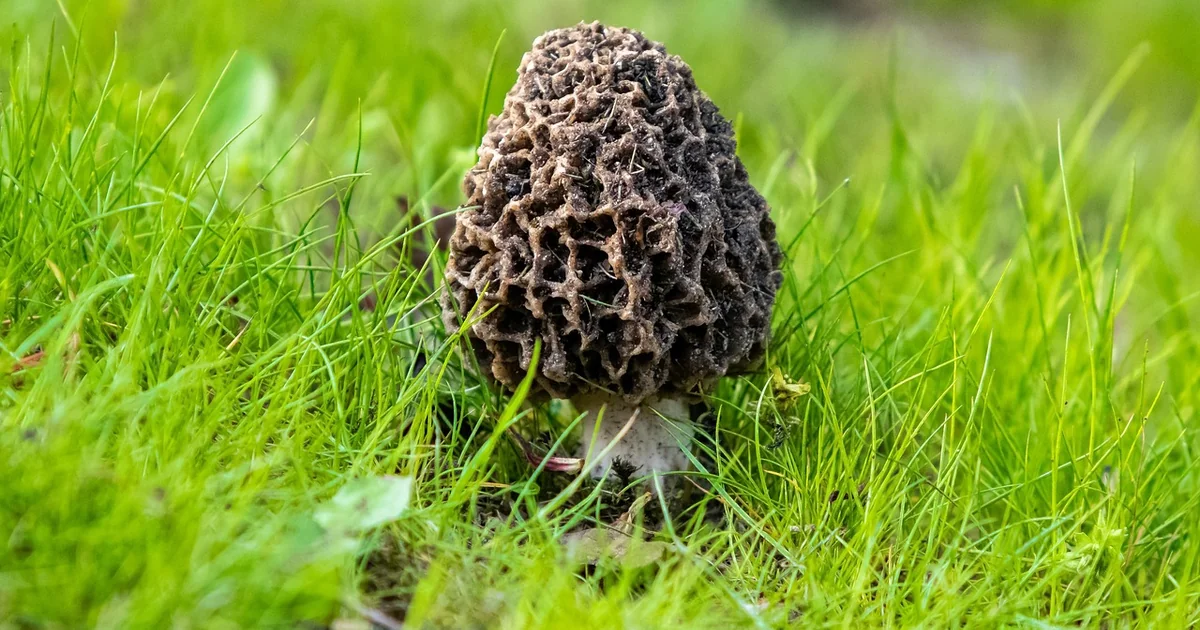
The white mushrooms sometimes found in lawns are also fungi; most are non-toxic but should be removed if children or pets are present. Their sudden appearance can startle a homeowner, especially one who has toddlers curious enough to put everything in their mouths. While many lawn mushrooms are harmless decomposers breaking down organic matter, the safest rule is simple: when in doubt, pluck them out.
Mushroom Toxicity: What Every Parent and Pet Owner Should Know
No mushrooms are toxic by touch alone; they must be ingested to cause harm. That means a child or a dog can brush up against a mushroom without any risk, but even a small nibble could be dangerous with certain species. Since most of us aren’t mycologists, it’s wise to remove all mushrooms before the kids or the pets get unsupervised lawn time. Regular mowing and reducing excess moisture also discourage the underground fungal network from sending up those showy fruiting bodies.
Non-Fungal Spots That Mimic Lawn Disease
Non-fungal spots in grass can be caused by animal urine, improper watering, or grubs. A concentrated nitrogen hit from dog urine often creates a dead center surrounded by an unusually dark green ring. Grub damage, on the other hand, causes the grass to peel back like loose carpet because the roots have been eaten. Poor watering that leaves some areas bone-dry while others stay soaked can produce a mottled, unhealthy look that mimics disease. Before you treat for fungus, rule out these simpler explanations by checking for grubs, noticing where pets go, and evaluating your sprinkler coverage.
How Your Watering Schedule Can Trigger Fungus Outbreaks
Fungal diseases are not entirely within your control because the fungi are already in the soil waiting for moisture. But you hold one major lever: when and how you water. Evening watering is a classic mistake. When you soak the lawn at dusk, the blades stay wet all night long, giving pathogens a marathon window to invade. Switching to an early morning routine lets the grass dry quickly in the sun, slashing the risk even if you live in a humid climate. Pair that with deep, less frequent watering—about an inch once or twice a week—and you’ll build deeper roots while keeping the surface less inviting to fungus.
7 Essential Ways to Prevent Lawn Fungus
Preventive measures against lawn fungus include proper fertilization, good drainage, avoiding soil compaction, proper watering, and dethatching. These five fundamentals create an environment where turf stays strong and pathogens struggle. Add to that two strategic moves—selecting disease-resistant grass types and inspecting your lawn frequently—and you have a complete lawn fungus prevention playbook that works season after season.
1. Fertilize Your Lawn Properly
Lawn fungal infections are sometimes invited by nitrogen imbalances in the soil. Too little nitrogen weakens the grass and makes it more susceptible; too much—especially a heavy dose of fast-release nitrogen in hot, wet weather—can fuel a flush of tender growth that fungus loves to attack. A soil test gives you the exact numbers, but as a general rule, use a slow-release fertilizer in late spring or early fall and avoid pushing growth in the peak of summer humidity. Balanced nutrition is a quiet, powerful tool in lawn fungus prevention.
2. Improve Drainage to Divert Excess Moisture
Since fungi thrive in wet conditions, make sure the soil under your grass drains well. Standing water after a rain or irrigation is a blinking invitation sign. For minor drainage issues, working an inch of compost into the top few inches of soil can improve percolation dramatically. When the problem is more serious—low spots that stay soggy for days—a French drain or a shallow dry creek bed may be worth the investment. The goal is to move water off the surface within a few hours, never letting it linger long enough for spores to germinate.
3. Aerate to Relieve Soil Compaction
Compacted soil doesn’t drain well; the resultant excess moisture invites fungal invasions. Foot traffic, mower weight, and even heavy clay soil can squeeze the life out of your lawn, eliminating the tiny air pockets roots and beneficial organisms need. Core aeration—pulling out small plugs of soil once a year, ideally in the fall—loosens the ground, improves water movement, and gives grass roots room to breathe. Over time, this simple mechanical step cuts down on the wet, stagnant spots where fungal diseases take hold.
4. Water Early, Water Deeply, Water Less Often
Your lawn’s watering schedule is the most direct lever for lawn fungus prevention. Water between 4 a.m. and 10 a.m. so the blades dry quickly when the sun comes up. Aim to deliver about one inch of water per week in one or two sessions rather than daily sprinkles; this encourages deep rooting and lowers the humidity right at the soil line. If you aren’t sure how much your sprinkler puts out, set a few tuna cans around the yard and measure. Adjust once, then let the habit do the work.
You may also enjoy reading: 9 Best Soil Moisture Meters, Tested by The Spruce.
5. Dethatch to Open Up the Turf
Thatch—a tight layer of dead stems and roots between the green blades and the soil—acts like a sponge that holds moisture against the grass crown. When thatch builds up thicker than half an inch, it becomes a fungal playground. Raking it out with a dethatching rake or a power dethatcher every couple of years reduces humidity at the base of the plants and improves air circulation. The reward is a lawn that dries faster after rain and resists disease more naturally.
6. Switch to Fungus-Resistant Grass Varieties
How grass type selection can prevent fungal outbreaks is often overlooked. If you’re overseeding or starting a new lawn, look for turf-type tall fescue, fine fescue, or improved perennial ryegrass cultivars bred for disease resistance. In transition zones, warm-season grasses like zoysia can also shrug off some common fungal issues. Even if you’re not ready for a full renovation, introducing a resistant variety into thin areas each fall gradually shifts the odds in your favor, making lawn fungus prevention less of a battle.
7. Monitor and Act Before a Spot Spreads
Caught early, a small fungal outbreak often stops with a simple change in care, not a chemical intervention. Walk your lawn once a week with a curious eye, especially during humid spells. If you see a few suspicious patches, avoid mowing that area until the grass is dry and bag the clippings to prevent spreading spores. Applying a light compost tea or a gentle baking soda solution can sometimes halt powdery mildew in its tracks. The key is not to panic—just to notice, adjust, and let the grass fight back with the healthy habits you’ve already built.
The Good Side of Soil Fungi: Why Some Fungi Help
Not all fungi deserve a bad reputation. Beneath the surface, mycorrhizal fungi form partnerships with grass roots, helping them access water and nutrients in exchange for sugars. These beneficial networks make your lawn more resilient to drought and may even suppress certain pathogens by outcompeting them. When you aerate and avoid over-fertilizing, you encourage these allies. So while lawn fungus prevention often focuses on stopping the bad actors, it’s worth remembering that a living soil full of good fungi is a major asset, not a liability.
When to Call a Lawn Care Professional
There’s no shame in bringing in a second set of eyes. If a lawn disease keeps coming back in the same spot year after year, or if large areas die off quickly despite your best cultural practices, a local turf specialist can help identify the exact pathogen and recommend a targeted approach. Major drainage projects, persistent mushroom flushes that worry you, or damage you simply can’t diagnose are other good reasons to pick up the phone. A professional can also run a soil test to check for pH imbalances or nematode issues that mimic fungal symptoms. Think of it as precision help, not failure.
Frequently Asked Questions
Can lawn fungus spread to my flower beds or vegetable garden?
Most turfgrass fungal pathogens are host-specific and won’t jump to unrelated plants. For example, the Rhizoctonia species that causes brown patch in lawns is different from the one that attacks tomatoes. However, powdery mildew fungi can sometimes affect a wide range of ornamentals and vegetables, so good sanitation—cleaning tools and not moving infected clippings into beds—is always wise.
What is the best time of day to water to reduce fungus?
Early morning, between 4 a.m. and 10 a.m., is the sweet spot. This timing lets water soak into the root zone while the sun evaporates surface moisture quickly. Avoid evening watering, which leaves grass blades wet for eight to twelve hours overnight—prime time for fungal spores to germinate.
Are there natural ways to treat lawn fungus before it appears?
Yes, and they double as preventive measures. Applying a thin layer of compost in the spring introduces beneficial microbes that may outcompete pathogens. A light spray of diluted neem oil or a baking soda solution can create a less hospitable surface for early fungal growth. However, the most powerful natural defense remains healthy soil: balanced fertility, good drainage, and strong root systems make the grass its own best protector.
With these seven prevention strategies, you can drastically reduce the odds of lawn fungus turning your backyard into a splotchy science experiment this season—and for many seasons to come. A little attention to soil, water, and grass type goes far further than a cabinet full of chemicals.