Gardeners seeking something beyond the usual marigolds and petunias are discovering a new class of ornamental plants that pull double duty. These are crops that nourished entire civilizations for thousands of years before modern agriculture decided wheat and corn were enough. Now they are showing up in gourmet kitchens and seed catalogs simultaneously. Many of these ancient grain plants are so visually striking they can hold their own in a flower border, offering dramatic structure alongside a genuine harvest. The real appeal lies in their resilience. These plants are survivors, generally heat-tolerant, undemanding about soil quality, and productive without constant fuss.
Integrating these dual-purpose plants lets you blur the line between a working kitchen garden and a carefully composed flower display. They offer a unique way to play with height and color while growing something truly nourishing. From high-altitude staples to sun-baked survivors, there is an ancient grain here that can help you create beautiful and edible borders. Let’s get stuck in.
What Ancient Grain Plants Need in a Modern Garden
You might wonder if these heritage crops require a dedicated field or special equipment. The answer is no. Luckily, integrating ancient grain plants does not demand a grain plot. Most fit comfortably into a vegetable garden or a mixed border without elaborate planning. They thrive in the same conditions as your favorite summer annuals.
They generally just need a spot in full sun and well-draining soil. This makes them ideal companions for zinnias, sunflowers, or marigolds. Because many of these species originated in challenging climates, they possess a natural drought tolerance that is perfect for water-conscious gardeners.
Whether you garden in a northern USDA zone with a short season or the humid south, sowing in spring ensures they establish in time to produce heavy seed heads by mid-to-late summer. While they are not heavy feeders, a light application of organic mulch or a balanced fertilizer can help them reach their maximum height. For some, that can be a towering 8 feet (2.4 meters).
Just consider their structural role in your design. Use taller grain crops as living screens, with airy plume options softening the edges of a path. Here are the 7 gorgeous ancient grain plants you can weave into garden gold.
1. Amaranth
The Victorians knew what they were doing when they called this plant love-lies-bleeding. They grew amaranths for the bold, weeping tassels that look like cascading velvet. Modern gardeners appreciate that the seeds are a superfood, high in protein and the amino acid lysine. You can pop them like popcorn, grind them into flour, or cook them whole.
The grain varieties produce massive seed heads in deep burgundy, molten gold, and lime green, stretching 2 to 3 feet (60 to 90 centimeters) long. Plants can reach 6 feet (1.8 meters) by late summer, providing an architectural punch that few other annuals can match.
How to Grow Amaranth for Color and Harvest
Find a sunny spot with poor to average soil. Too much nitrogen leads to more leaves and fewer seeds. Amaranth is drought-tolerant once established, but staking early on will prevent toppling during late-summer rainfall. Watch seed heads closely in late August. When the seeds pop out easily between your fingers, you can harvest them.
Try ‘Hopi Red Dye’ for its deep purple foliage or ‘Golden Giant’ for sun-colored heads. These varieties are both visually stunning and productive. For a truly dramatic display, plant a patch of amaranth at the back of a border where its height and color can command attention.
2. Quinoa
Quinoa often gets a reputation for being fussy. This comes from its love of cool summer nights. Originating in the high Andes, quinoa was bred at altitude, and lowland heat tends to stress it. Meet these conditions, and quinoa becomes a spectacular annual in northern and coastal US zones (4 through 10).
The seed heads develop in neon pinks, oranges, and yellows that look almost unreal against green foliage. As a relative of spinach and beets, quinoa appreciates rich organic soil. It is one of the most colorful ancient grain plants you can grow.
Creating the Right Conditions for Quinoa
Sow seeds directly in the garden after the last frost. Quinoa prefers temperatures below 95°F (35°C) during its growing season. If you live in a hot region, try planting it in partial shade or providing afternoon shade with a taller companion crop.
Keep the soil consistently moist until the plants are established. Once they take off, they are fairly drought-tolerant. The seed heads are ready to harvest when they have dried on the plant and the seeds are hard. Rub them between your hands to release the seeds, then winnow away the chaff.
Varieties like ‘Brightest Brilliant’ offer a rainbow of colors in a single packet, making them a standout choice for ornamental borders.
3. Teff
Teff is a tiny grain from Ethiopia that produces a surprisingly big visual impact. The plants grow in graceful, fountain-like clumps with fine, feathery seed heads that sway in the breeze. It is one of the smallest grains in terms of seed size, but it makes up for it with delicate beauty.
Teff is also incredibly resilient. It thrives in both drought and heavy rain, making it a reliable choice for unpredictable climates. The grain is gluten-free and rich in iron, calcium, and fiber. It is traditionally ground into flour for injera, the spongy Ethiopian flatbread.
Using Teff as an Ornamental Grass
Teff works beautifully as a filler plant in borders. Its airy texture softens the lines of larger, bolder plants. Plant it in masses for a meadow-like effect, or use it to edge a path. It reaches about 3 to 4 feet (90 to 120 centimeters) tall, with seed heads that turn from green to gold as they mature.
Sow teff directly in warm soil after all danger of frost has passed. It germinates quickly and grows fast. You can harvest the tiny seeds by cutting the seed heads and threshing them over a tarp. Alternatively, leave them for birds to enjoy through the winter.
4. Sorghum
Sorghum brings a bold, architectural presence to any garden. The tall stalks can reach 8 feet (2.4 meters) or more, topped with dense, round seed heads that come in shades of bronze, burgundy, and cream. It is one of the most drought-tolerant grains in the world, having been cultivated in Africa for thousands of years.
The seed heads are not only beautiful but also highly productive. You can grind sorghum into flour for baking, pop it like popcorn, or boil it whole for a nutty side dish. The stalks can be used for syrup production, though that requires a bit more processing.
Designing with Sorghum in the Border
Use sorghum as a living screen or backdrop for shorter flowers. Its height and bold seed heads create a dramatic vertical element. Plant it in a cluster at the back of a border or along a fence line. The seed heads also make excellent dried flower arrangements.
Sorghum is easy to grow from seed. Sow it directly in the garden after the soil has warmed. It thrives in full sun and well-draining soil. Once established, it needs very little water. Varieties like ‘Black Amber’ offer deep burgundy seed heads that contrast beautifully with green foliage.
5. Millet
Millet is often overlooked in the ornamental garden, but it deserves a place. The plants produce dense, cylindrical seed heads that look like fluffy caterpillars in shades of gold, purple, and brown. They add a unique texture to borders and are a favorite of birds.
You may also enjoy reading: Lemongrass: Perennial or Not? Know Before You Plant.
Millet is one of the oldest cultivated grains, dating back over 4,000 years in East Asia. It is highly nutritious, rich in magnesium and B vitamins. The grain cooks quickly and has a mild, slightly sweet flavor.
Growing Millet for Ornamental Appeal
There are several ornamental millet varieties that are bred specifically for their striking seed heads. ‘Purple Majesty’ is a standout, with deep purple foliage and dark seed heads that reach 4 to 5 feet (1.2 to 1.5 meters) tall. ‘Jester’ offers variegated leaves and golden seed heads.
Sow millet seeds directly in the garden after the last frost. They germinate quickly and grow rapidly. Millet is not fussy about soil but prefers consistent moisture for the best seed head development. It is a great choice for filling gaps in the border.
6. Barley
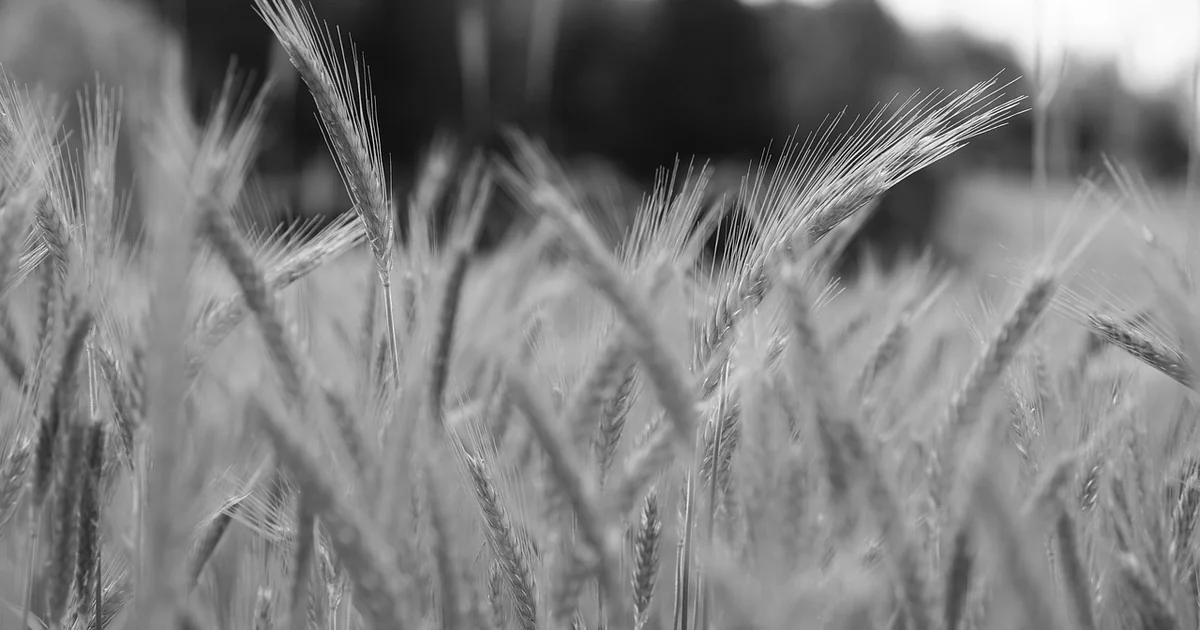
Barley is one of the most ancient grains, with evidence of cultivation dating back over 10,000 years. It is also one of the most ornamental. The long, nodding seed heads (called awns) create a soft, waving texture that moves beautifully in the wind. They turn from green to gold as they mature.
Barley is incredibly adaptable. It grows well in a wide range of climates and soil types. The grain is used for animal feed, brewing, and human consumption. Hulled barley is a nutritious whole grain, while pearl barley is more polished and cooks faster.
Using Barley as a Decorative Element
Barley works beautifully as a border edge or as a filler among taller flowers. Its soft, flowing seed heads add movement and lightness to the garden. You can also cut the seed heads for fresh or dried arrangements.
Sow barley seeds in early spring, as soon as the soil can be worked. It grows quickly and will produce seed heads by early summer. For a more ornamental look, try ‘Hordeum jubatum’, also known as foxtail barley, which has striking pink-tinged awns. Note that some barley varieties can be invasive, so choose a cultivated variety rather than a wild type.
7. Spelt
Spelt is an ancient wheat relative that has been grown in Europe for thousands of years. It has a nutty, earthy flavor and is higher in protein than modern wheat. Many people with mild wheat sensitivities find spelt easier to digest.
Ornamentally, spelt produces tall, elegant stalks topped with dense, bearded seed heads. The plants reach 4 to 5 feet (1.2 to 1.5 meters) tall and have a classic wheat-field aesthetic. They add a rustic, farmhouse charm to any border.
Growing Spelt in the Ornamental Garden
Spelt is surprisingly easy to grow. It tolerates poor soil and dry conditions better than modern wheat. Sow seeds in early spring for a summer harvest. The seed heads turn from green to gold as they mature, providing a long season of interest.
Spelt can be harvested for flour or left standing for winter bird food. It also makes excellent dried arrangements. Plant it in a block for a dramatic statement, or interplant it with colorful flowers like poppies or cornflowers for a cottage garden look.
Harvesting and Using Your Ancient Grains
Harvesting these grains is simple but requires a bit of patience. Wait until the seed heads are fully dry and the seeds are hard. For amaranth, rub the seed heads between your hands over a bowl. For quinoa, strip the seeds from the stalks and winnow away the chaff. Sorghum and millet can be cut and threshed.
Once harvested, store the seeds in an airtight container in a cool, dark place. Most can be stored for up to a year. Use them in porridge, soups, baked goods, or as a side dish. The flavor of homegrown grain is far superior to anything from a store.
Even if you do not harvest, these ancient grain plants provide immense value. Their seed heads feed birds and other wildlife through the winter. Their deep root systems improve soil structure. And their beauty brings a unique, timeless quality to your garden.
From the towering seed heads of amaranth to the delicate awns of barley, these seven ancient grain plants offer a way to connect with agricultural history while creating a stunning garden display. They are resilient, productive, and beautiful. Give them a spot in your border this season.