A Maryland Gardener’s Spring Wisdom
Every gardener knows the feeling. After months of gray skies and frozen ground, the first green shoots feel almost like a miracle. But spring in the Mid-Atlantic region is rarely gentle. Teresa Eutsler, gardening in Whaleyville, Maryland (Zone 7b), faced a particularly brutal winter followed by wild temperature swings that would test any plant’s resilience. Yet her garden emerged with stunning color, texture, and structure. What can we learn from her approach?
Secret #1: Layer Bulbs and Perennials for Uninterrupted Color
Teresa’s garden does not go quiet after the daffodils and tulips finish their show. Many gardeners experience a lull in late spring, when early bulbs have faded and summer perennials have not yet started blooming. Teresa closes that gap with careful planning.
Her Purple Sensation alliums (Allium aflatunense ‘Purple Sensation’, Zones 4–8) step in right as the tulips fade. These globe-shaped blooms rise on tall, sturdy stems and add a dramatic vertical element. Alliums belong to the onion family, which means deer and rodents tend to leave them alone. That is a huge advantage in many suburban and rural gardens.
Alongside the alliums, Rose Marvel salvia (Salvia nemorosa ‘Rose Marvel’, Zones 4–9) begins its long bloom cycle. Salvias are tough, drought-tolerant plants that attract pollinators like bees and butterflies. In Teresa’s garden, these two perennials create a purple and rose-colored corridor along the dry creek bed.
The lesson here is simple: don’t rely on just one group of spring bloomers. Layer early bulbs, mid-spring perennials, and late-spring shrubs so that something is always coming into flower. Teresa’s approach ensures that her garden never experiences a bare week between seasons.
For your own garden, try pairing daffodils with alliums and catmint. The daffodils bloom first, the alliums take over in mid-spring, and the catmint carries the show into early summer. This kind of succession planting is one of the most effective spring garden secrets for continuous color.
Why Timing Matters More Than You Think
In Zone 7b, the average last frost date falls around mid-April, but soil temperature matters more than the calendar. Alliums, for example, need soil temperatures above 50°F to begin active growth. If you plant too early, they may rot. If you plant too late, they may not bloom well. Teresa’s success comes from observing her specific microclimate rather than relying on generic dates.
Secret #2: Let Foliage Do the Heavy Lifting
Flowers get all the attention, but foliage provides the backbone of a great garden. Teresa understands this better than most. She leans into the emerging leaves of perennials to create texture and structure while she waits for peonies and roses to bloom.
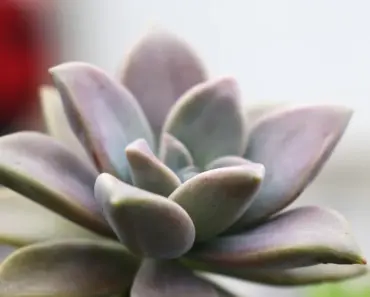
Her Autumn Joy sedum (Hylotelephium ‘Herbstfreude’, Zones 3–9) is a perfect example. Long before its pink flower heads appear in late summer, the plant forms tidy mounds of succulent blue-green leaves. Those mounds add shape and order to the border. They contrast beautifully with the burgundy stems of Wine and Roses weigela (Weigela florida ‘Alexandra’, Zones 4–8).
Foliage-first gardening has a practical benefit, too. Leafy perennials suppress weeds, hold moisture in the soil, and provide habitat for beneficial insects. In Teresa’s garden, the sedum, lamb’s ears, and hosta create a living mulch that reduces her workload.
Textural Contrast Creates Visual Interest
Consider the combination near Teresa’s bridge. The fuzzy, silver leaves of Helen Von Stein lamb’s ears (Stachys byzantina ‘Helen Von Stein’, Zones 4–8) sit next to the dark burgundy foliage of Wild Berry heuchera (Heuchera ‘Wildberry’, Zones 4–9). The contrast is striking. One plant is soft and reflective, the other is glossy and dark. Together, they create a visual pop without a single flower in sight.
You can replicate this effect in your own garden. Pair broad-leaved plants like hosta with finely textured plants like ferns or sedum. Add a dark-leafed shrub like ninebark or weigela as a backdrop. The result is a garden that looks intentional and polished even between bloom cycles.
Secret #3: Use Containers for Flexibility and Color Echoes
Teresa does something clever that many gardeners overlook. She places Wild Berry heuchera in containers and moves them around the garden. This allows her to echo the purple color of the alliums in different parts of the landscape.
Container gardening gives you control over soil, sun exposure, and placement. When the summer sun gets too intense, Teresa can shift those heuchera pots into partial shade. The plants stay healthy, and the garden keeps its color scheme intact.
This technique is especially valuable in spring, when sunlight angles change rapidly. A spot that gets full sun in April may be shaded by June as trees leaf out. Containers let you adapt without digging and replanting.
How to Create Color Echoes
A color echo occurs when you repeat the same hue in different parts of the garden. The repetition creates visual rhythm and cohesion. In Teresa’s garden, the purple alliums appear in the border, and the purple-toned heuchera repeats that color in containers near the patio. Your eye moves naturally from one area to the next.
Try this with a single color family. If your spring garden features yellow daffodils, add yellow-leaved heuchera or golden creeping Jenny in containers nearby. The echo does not have to be exact. Even a similar tone or intensity will create harmony.
Secret #4: Choose Woody Plants That Earn Their Keep
Shrubs are the workhorses of any garden, but they can be slow to establish. Teresa’s choices show how to pick shrubs that offer multiple seasons of interest. Her Spilled Wine weigela (Weigela florida ‘Bokraspiwi’, Zones 4–8) and Coppertina ninebark (Physocarpus opulifolius ‘Mindia’, Zones 3–7) were on the verge of blooming when she captured her spring photos. These shrubs provide flowers in spring, colorful foliage through summer, and architectural structure in winter.
Ninebark is especially tough. It thrives in Zones 3–7, handles clay soil, and resists deer browsing. The Coppertina variety produces copper-orange new growth that matures to deep burgundy. That foliage color pairs beautifully with the purple alliums and salvia in Teresa’s garden.
You may also enjoy reading: 5 Simple Steps to Grow Beans for Beginners.
Weigela, meanwhile, offers trumpet-shaped flowers that hummingbirds love. The Spilled Wine variety stays compact, reaching only about two feet tall and three feet wide. That makes it ideal for small gardens or the front of a border.
Evergreen Structure Anchors the Garden
Teresa also includes evergreens like Danica arborvitae (Thuja occidentalis ‘Danica’, Zones 2–7) and Hinoki cypress (Chamaecyparis obtusa, Zones 4–8). These provide year-round structure. The arborvitae forms a neat globe shape, while the Hinoki cypress adds a soft yellow-green tone that brightens the border in spring.
Evergreens are critical in spring because deciduous shrubs have not yet leafed out fully. Without evergreens, a spring garden can look sparse and unfinished. Even one or two small conifers can anchor the entire design.
Secret #5: Embrace the Unpredictable with Resilient Plant Choices
Teresa’s garden endured a very cold winter and dramatic temperature swings. Those conditions can kill tender plants outright. But her garden survived and thrived because she chose plants matched to her climate and microclimate.
Plants like Autumn Joy sedum, Walker’s Low nepeta (Nepeta x faassenii ‘Walker’s Low’, Zones 4–9), and purple Siberian iris (Iris sibirica, Zones 3–8) are naturally cold-hardy. They can handle late frosts and sudden warm spells without significant damage. Nepeta, in particular, is almost indestructible. It tolerates drought, poor soil, and rabbit pressure while blooming for weeks on end.
Double Play Candy Corn spirea (Spiraea japonica ‘NCSX1’, Zones 4–8) adds fiery orange and red foliage that stands out even on cloudy spring days. Spirea is another tough shrub that blooms on new wood, so even if a late frost damages early growth, the plant will bounce back quickly.
Resilience Is Not Luck
Many gardeners assume that a beautiful spring garden is the result of luck or perfect weather. Teresa’s experience proves otherwise. She selected plants with proven track records for her zone, grouped them by their water and sunlight needs, and allowed them room to grow without overcrowding. That careful planning is what made her garden resilient enough to handle a harsh winter and see-saw spring temperatures.
If you want to build resilience into your own garden, start by checking your hardiness zone and choosing plants rated for at least one zone colder than yours. That gives you a buffer against extreme weather events, which are becoming more common in many regions.
Bringing These Secrets into Your Own Garden
Teresa’s garden in Whaleyville, Maryland, offers a masterclass in spring gardening. She layers bulbs and perennials for continuous bloom. She prioritizes foliage texture and color. She uses containers for flexibility. She invests in multi-season shrubs and evergreens. And she chooses resilient plants that can handle whatever the weather throws at them.
You do not need a large property or a huge budget to apply these spring garden secrets. Start with one or two ideas. Plant a patch of alliums this fall. Add a compact shrub like Spilled Wine weigela to a sunny spot. Tuck a container of heuchera beside your front door. Small changes add up quickly.
The most important takeaway from Teresa’s approach is this: spring gardening is not about waiting for perfection. It is about working with what you have, observing what thrives, and making adjustments each season. Every year brings surprises. The best gardens are the ones that adapt.
If your own spring garden is hitting its stride right now, take photos and enjoy the moment. Before the heat of summer sweeps us away, spring deserves its share of appreciation.