Creating a Beautiful, Low-Maintenance Garden: It’s Easier Than You Think
Everyone wants a beautiful garden, right? But not everyone has the time (or, let’s be honest, the inclination) to constantly tend to it. Between busy schedules, unpredictable weather, and the general demands of daily life, high-maintenance planting schemes can quickly start to feel like more trouble than they’re worth. Thankfully, you don’t have to choose between a garden that looks good and one that’s easy to manage. In fact, it’s entirely possible to create a space that feels lush, colourful, and full of life. and all without spending every spare moment pruning, feeding, and fussing, either. The ones that won’t just survive in your conditions, but actively thrive, putting on a consistent display year after year with very little input once established. It sounds like an impossible dream, right?
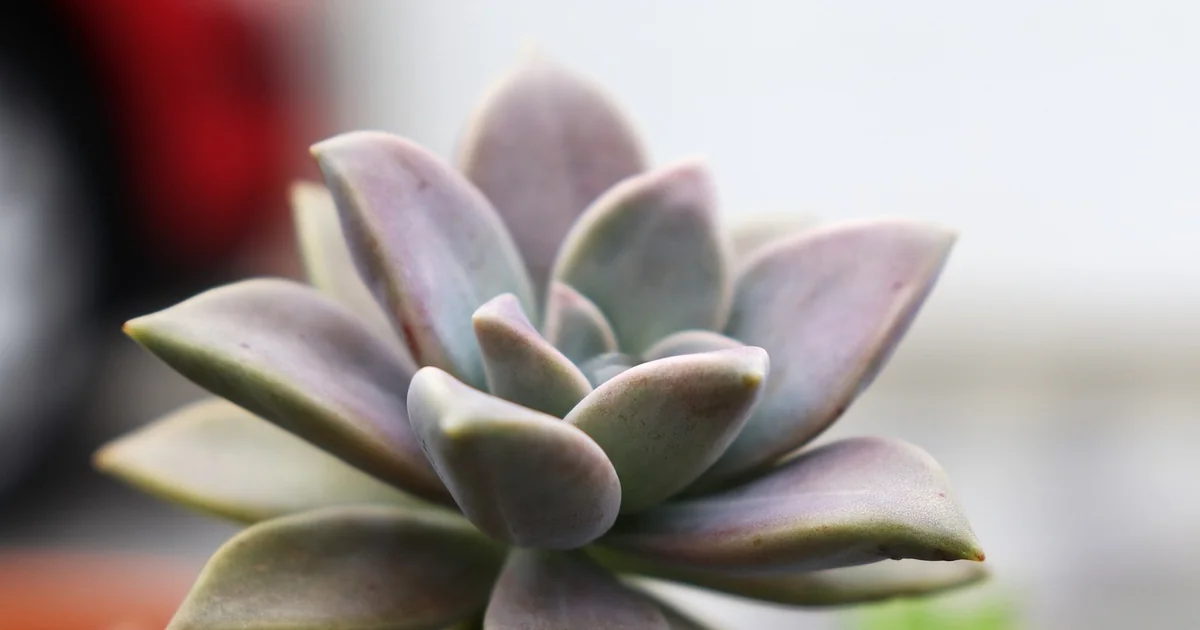
The best way to create an easy garden is to spend some time investing in the sort of long-flowering perennials, resilient shrubs, and easy annuals that germinate quickly and get on with the job. Of course, if you really want to be clever about it, look, too, for those that are drought-tolerant, pest-resistant, and well adapted to a wide range of climates, as it makes for less watering, fewer problems, and more time to actually enjoy your backyard (Image credit: Reflexpixel / Getty Images)
Why Low-Maintenance Plants Are a Game-Changer
Let’s be honest, gardening can feel a bit daunting, especially if you’re new to it. The thought of constantly watering, weeding, fertilizing, and battling pests can quickly lead to burnout. Many people start gardening with enthusiasm, only to abandon their plots after a few seasons due to the sheer amount of work involved. But what if there was a way to enjoy a beautiful garden without sacrificing your precious free time? That’s where low-maintenance plants come in. They’re designed to thrive with minimal intervention, allowing you to create a stunning outdoor space without feeling like you’re constantly on duty. These plants often have naturally robust root systems, making them more tolerant of dry spells and poor soil conditions. They’re also less susceptible to common garden pests and diseases, reducing the need for chemical treatments. And the biggest payoff? They’ll continue to bloom and provide visual interest for months, even years, with minimal effort. The average homeowner can experience a significant reduction in garden-related stress and anxiety simply by choosing the right plants. The USDA Plant Hardiness Zone Map, for instance, is a crucial tool for gardeners to ensure that plants will thrive in their local climate, highlighting the importance of selecting regionally appropriate varieties – and many low-maintenance plants naturally fall into these zones.
Reader Scenario: The Busy Professional’s Paradise
Imagine a reader who is a busy professional with limited outdoor space. They work long hours, travel frequently, and simply don’t have the time to dedicate to a high-maintenance garden. They crave a beautiful outdoor space but don’t want the added stress of constant upkeep. This is where a carefully curated collection of low-maintenance plants can truly shine. A small balcony or patio can be transformed into a tranquil oasis with a few strategically chosen perennials, such as Green Spice Coral Bells or Neptune Catmint. These plants provide instant colour and texture while requiring very little attention. You can easily create a ‘set it and forget it’ garden – a space that looks fantastic year-round without demanding constant care. The key is to select plants that are naturally resilient and tolerant of neglect. For example, a tiny, sun-drenched balcony might benefit from Fire Dragon Maiden Grass, which offers effortless structure and movement, or a Sarah Bernhardt Peony, a perennial that blooms for decades with minimal care.
Reader Scenario: The New Gardener’s Confidence Boost
For someone who is new to gardening and worried about failure, how can they start with these plants? The fear of ruining a garden – of killing all their plants – is a very real one for many beginners. Low-maintenance plants are the perfect antidote to this anxiety. They’re inherently forgiving, meaning you’re less likely to make a catastrophic mistake. Starting with plants like Magnus Purple Coneflower, a prairie native known for its hardiness and low maintenance, can build confidence and encourage experimentation. These plants are naturally resistant to many common garden problems, making them ideal for beginners. A simple, well-drained planting area, a little bit of sunshine, and a willingness to learn are all that’s needed to get started. It’s important to remember that gardening is a learning process, and even experienced gardeners make mistakes. The key is to be patient, observe your plants, and adjust your care accordingly. Consider starting with a few containers to test out different plants and techniques before committing to a larger garden bed. The Royal Horticultural Society (RHS) offers a wealth of resources for beginner gardeners, including online guides and workshops, which can be invaluable in building confidence and knowledge.
Reader Scenario: Creating a Shady Sanctuary
Consider a homeowner facing a challenging, shady garden area – what low-maintenance options are best? Many people struggle to grow anything in shady spots, often resorting to ferns and hostas, which, while beautiful, can be demanding and prone to diseases. Thankfully, there are several low-maintenance plants that thrive in shade and add visual interest to these areas. Green Spice Coral Bells, with its striking silver-green foliage, is an excellent choice for shady locations. It provides year-round colour and texture without needing constant attention. Similarly, Neptune Catmint tolerates shade and produces abundant blooms throughout the summer. These plants are naturally adapted to low-light conditions, reducing the need for supplemental watering and fertilization. Creating a layered planting scheme, with taller plants in the back and shorter plants in the front, can also maximize the impact of shade-loving perennials. You can also incorporate groundcovers, such as pachysandra, to help suppress weeds and retain moisture in the soil.
Reader Question: What Kind of Soil Is Best Suited for These Plants?
What kind of soil is best suited for these low-maintenance plants? While many low-maintenance plants are adaptable to a variety of soil conditions, they generally thrive in well-drained soil with a slightly acidic pH. Heavy clay soils can be problematic, as they retain too much moisture and can suffocate plant roots. Amending the soil with compost or other organic matter can improve drainage and fertility. For sandy soils, adding organic matter can help retain moisture and nutrients. A soil test can provide valuable information about the pH and nutrient levels of your soil, allowing you to make informed decisions about fertilization. The Soil Association promotes sustainable gardening practices, including soil health, and offers guidance on soil testing and amendment.
Reader Question: How Much Sunlight Do These Plants Actually Need?
How much sunlight do these plants actually need? While most low-maintenance plants prefer full sun (at least six hours of direct sunlight per day), many can tolerate partial shade. It’s important to research the specific sunlight requirements of each plant before planting. For example, Fire Dragon Maiden Grass thrives in full sun but can also tolerate partial shade. Green Spice Coral Bells prefers partial shade, while Neptune Catmint can tolerate both sun and shade. Observing your garden and noting which areas receive the most sunlight can help you determine the best placement for your plants. Consider using shade cloth to protect plants from intense afternoon sun if necessary. A particularly interesting fact is that the amount of sunlight a plant receives can vary throughout the day, so it’s important to consider this when planning your garden layout. Different plants’ light requirements can even fluctuate seasonally – for example, a plant that thrives in full sun in summer might need some shade in the heat of the day during the summer months.
You may also enjoy reading: 3 Spring Fig Tree Care Tasks for April.
Reader Question: Why Are Some Plants Considered ‘Low Maintenance’ Compared to Others?
Why are some plants considered ‘low maintenance’ compared to others? Low-maintenance plants have evolved to thrive in their natural environments with minimal human intervention. They typically have features such as deep root systems, waxy leaves that reduce water loss, and natural resistance to pests and diseases. These characteristics allow them to survive and reproduce with less care. High-maintenance plants, on the other hand, often require regular watering, fertilizing, pruning, and pest control. They may also be susceptible to diseases and require more specialized growing conditions. It’s a fascinating example of adaptation – the low-maintenance plants have ‘won’ the evolutionary game, while the high-maintenance plants need constant human assistance to thrive. The National Gardening Association provides detailed information on plant care requirements, highlighting the differences between low-maintenance and high-maintenance plants.
Reader Question: What’s the Best Way to Prepare a Planting Area for These Perennials?
What’s the best way to prepare a planting area for these perennials? Proper preparation is crucial for ensuring that your low-maintenance plants thrive. Start by removing any existing weeds and grass from the planting area. Dig the soil to a depth of at least 12 inches, loosening it up and incorporating compost or other organic matter. This improves drainage and fertility. Amend the soil with a balanced fertilizer to provide essential nutrients. Consider adding a layer of mulch around the plants to help retain moisture, suppress weeds, and regulate soil temperature. This is especially important in hot climates. For larger planting areas, consider creating raised beds to improve drainage and soil quality. The Soil Association emphasizes the importance of creating healthy soil ecosystems, and preparing the planting area is a key step in achieving this.
Specific Plant Highlights: A Closer Look
- Iceberg® Floribunda Rose: As mentioned earlier, this rose is renowned for its continuous blooms and disease resistance, making it a truly low-maintenance option.
- Green Spice Coral Bells: Its vibrant foliage adds a touch of elegance to shady spots, and it requires minimal care once established.
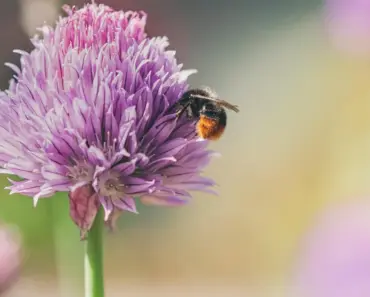
- Millenium Allium: This striking perennial is a pollinator magnet and naturalizes easily, adding structure and interest to the garden.
- Summer Snowflake Viburnum: Provides season-long interest with its delicate white flowers and lovely berries.
- Fire Dragon Maiden Grass: Offers effortless structure and movement, requiring virtually no attention.
- Sarah Bernhardt Peony: A classic for a reason, this peony blooms for decades with minimal care.
- Magnus Purple Coneflower: A tough and beautiful native plant that attracts pollinators and provides winter interest.
- Gay Butterflies (Butterfly Weed): A wonderfully neglectful native plant that’s a haven for butterflies.
- Neptune Catmint: Blooms for months and can be cut back for a second flush, providing continuous colour.
By choosing these 9 beautiful plants, you can create a garden that is both stunning and easy to maintain. It’s a win-win situation – a beautiful outdoor space that doesn’t demand constant attention. You’ll find that the time you save on gardening tasks can be spent enjoying your garden, rather than working in it. And, with a little bit of planning and preparation, you can create a truly thriving and rewarding outdoor space – even if you’re not a seasoned gardener. What if you only have a small balcony? Consider container gardening with some of these plants – a few pots of Neptune Catmint or Green Spice Coral Bells can create a vibrant splash of colour and texture. And how can you ensure your low-maintenance plants thrive in different climates? Research USDA Planting Zones and select plants that are well-suited to your local conditions. Finally, is it possible to create a truly wild, natural look with these plants? Absolutely! By allowing these perennials to naturalize and spread, you can create a beautiful, low-maintenance garden that feels truly wild and natural. Even better, consider incorporating some of these plants into your landscaping plan – a small patch of Fire Dragon Maiden Grass can add a touch of drama and movement to any yard.
Ultimately, creating a beautiful, low-maintenance garden is about choosing the right plants and providing them with the basic care they need to thrive. It’s a rewarding experience that can bring joy and tranquility to your life. And how do you transition a newly planted low-maintenance plant to full size? Patience is key! Give it the time it needs to establish its roots, and it will reward you with years of beauty and enjoyment. This is a truly low-maintenance way to bring more life to your outdoor space.