I remember my first vegetable garden. I planted tomatoes, peppers, and a few packets of bean seeds almost as an afterthought. By midsummer, the tomatoes were sulking, the peppers were stubborn, but those beans were a different story. They grew fast, asked for almost nothing, and filled my kitchen counter with crisp, colorful pods. That experience taught me something valuable: if you are new to gardening and want a guaranteed win, you start with beans. This guide breaks down the entire process of growing beans for beginners into five manageable steps. Whether you have a sprawling backyard plot or a few pots on a sunny balcony, these steps will help you avoid common mistakes and enjoy a generous harvest.
Step 1: Decide Between Bush and Pole Varieties
The first fork in the road when growing beans for beginners is choosing between bush beans and pole beans. Each type has a distinct growth habit and timeline. Bush beans grow as compact plants that reach about 18 to 24 inches tall. They do not need any support. They produce most of their harvest in a concentrated window of two to three weeks. This makes them ideal if you want a quick crop for canning or freezing. They also fit perfectly in containers.
Pole beans are climbers. Some varieties can reach eight feet or more. They need a trellis, teepee, or fence to climb. In return for that upfront setup, they produce over a much longer period, often six to eight weeks. A single pole bean planting yields more total beans per square foot than a bush bean planting. For a first-time gardener, bush beans offer the lowest barrier to entry. Pole beans are a wonderful next step if you have vertical space and want a steady supply of fresh pods all summer long.
Step 2: Pick the Right Bean Variety for Your Garden
Once you have chosen your growth type, the next step is picking a specific variety. Fortunately, beans are forgiving plants, and most varieties perform well in average conditions. A few stand out for their reliability and flavor. If you choose bush beans, Blue Lake 274 is a classic for good reason. It offers excellent flavor, a tender texture, and consistent yields. It has been a backyard favorite for decades.
If your spring season tends to be cool and damp, Contender is a superb choice. It has been a dependable performer since 1949. It resists powdery mildew and produces its first pods in about 50 days. For something a little different, Gold Rush provides a delicate, buttery flavor. Royal Burgundy produces deep violet-purple pods that turn green when cooked, which adds a touch of magic for anyone gardening with children.
For pole beans, Blue Lake FM-1K is the climbing counterpart to the bush version. It offers the same classic taste with a longer harvest window. Kentucky Wonder is an heirloom variety that has been grown for well over a century. If you want a gourmet option, Maxibel is a French filet bean. It stays slender, tender, and stringless, and it is compact enough for container growing with a small trellis.
Step 3: Master the Timing and Soil Temperature
Timing is the single most critical technical detail. Beans are warm-season crops. They absolutely require warm soil to germinate successfully. If the ground is too cool, the seeds will rot before they sprout. You must wait until at least one to two weeks after your last spring frost date. The soil temperature needs to reach a minimum of 65°F (18°C). The ideal range for germination sits between 70°F and 85°F (21°C to 29°C). A simple soil thermometer is a cheap investment that prevents frustration.
You may also enjoy reading: 7 Secrets to Get Biggest Sweet Potato Crop.
Bush beans produce most of their crop at once. To create a steady supply rather than one massive harvest, practice succession sowing. Plant a new row of bush beans every two weeks through the first half of summer. This staggered approach keeps fresh beans coming for months. Stop sowing about 80 days before your expected first fall frost to give the last planting time to mature. Remember that beans struggle in extreme heat. If temperatures stay above 90°F (32°C) for several days, the plants may flower but drop those flowers without setting pods. Gardeners in hot climates should plan for a late spring harvest and then sow again in late summer for a fall crop.
Step 4: Use Proper Planting Techniques
Beans are not heavy feeders, but they need loose, well-drained soil. Before planting, work a few inches of compost into the top layer of your soil. This is especially helpful if your native soil is heavy clay or very sandy. If drainage is a concern, planting in slightly raised ridges helps prevent waterlogging around the delicate roots. For pole beans, install your trellis, teepee, or netting before you put the seeds in the ground. Disturbing the soil later to push in supports can damage young roots. Place the support structure on the north side of the bed so it does not shade shorter plants.
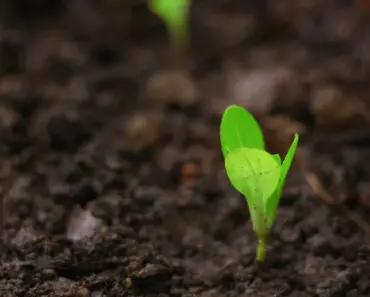
Plant the seeds about one inch deep. Space bush bean seeds two to three inches apart in rows that are 18 to 24 inches apart. Space pole bean seeds four to six inches apart around the base of your trellis. Water the seeds in gently after planting. If you are using containers, choose a pot that is at least 12 inches deep with good drainage holes. Raised beds are an excellent option because they warm up faster in the spring and provide the loose, well-draining environment that beans love.
Step 5: Maintain and Harvest for Maximum Yield
Once the seedlings emerge, ongoing care is simple. Water the plants at the base of the stem rather than overhead. Wet foliage can encourage fungal diseases like powdery mildew. A layer of organic mulch, such as straw or shredded leaves, helps keep the soil cool and moist while suppressing weeds. Beans are light feeders, so they generally do not need additional fertilizer if you prepared the soil with compost.
The real secret to a huge yield is consistent harvesting. Bush beans produce most of their pods over a few weeks. Check them every two to three days. Pick the pods when they are firm, crisp, and about the thickness of a pencil. Do not let the pods get lumpy and tough on the vine. If you leave mature pods on the plant, the plant will stop flowering. The same rule applies to pole beans. Harvest them daily once they start producing. The more you pick, the more the plant flowers and sets new pods. Starting your first bean patch is one of the most rewarding gardening projects you can undertake. The path from seed to harvest is short, and the results are deeply satisfying.