Early Spring Garden Signs: Snowdrops and Snow Melt
The snow pile from the parking lot plow was still five feet high in early March, and buried beneath it was the tip of a discarded Christmas tree. For most people, that heap of frozen slush was nothing more than a lingering nuisance. For Dawn, it was a calendar.
Dawn has been tending this same plot of land for thirty years. Over those decades, the garden has shifted from a collection of experiments into a mature landscape that she describes as a source of relaxation and peace. Located in Zone 5b, where winter temperatures can drop to minus 15 degrees Fahrenheit, her garden endures a genuine cold season. The arrival of spring is not assumed here. It is earned, and it announces itself through specific, reliable signals.
Gardeners in similar climates often wonder what to look for first. The answer is rarely a calendar date. It is a sequence of living events. Below are five unmistakable indicators that spring has officially arrived in Dawn’s Ohio garden — signs that any gardener in a cold region can watch for in their own yard.
How Snowdrops Defy the Final Snow
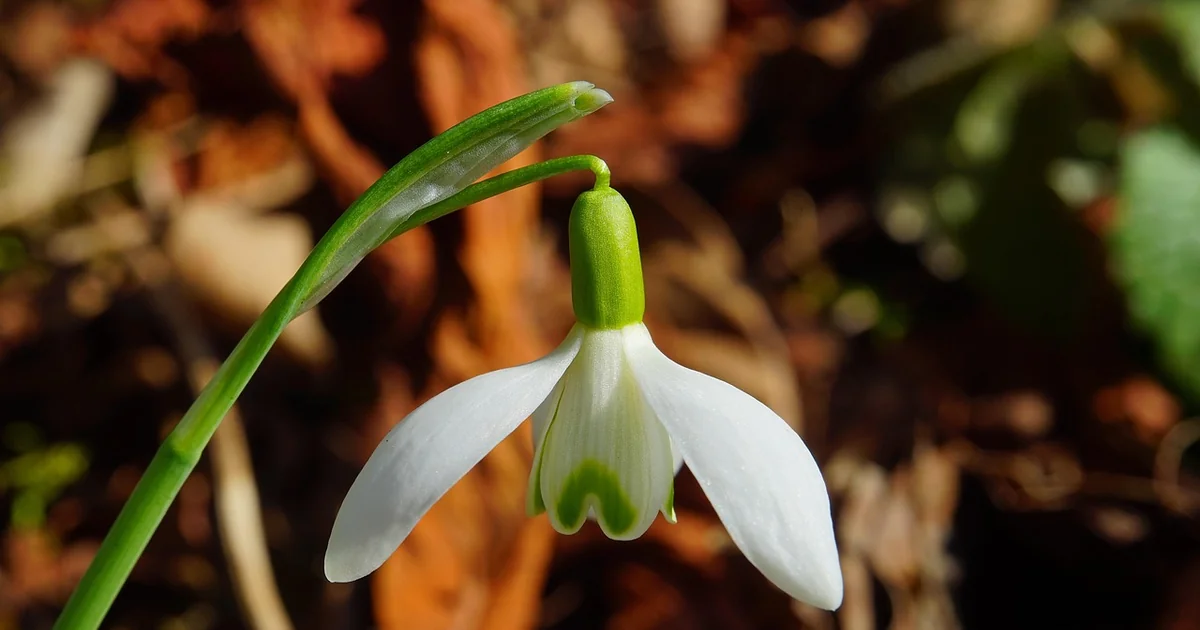
Snowdrops (Galanthus nivalis, Zones 3–7) are the first plants to move in Dawn’s garden, and they do so with remarkable determination. These small white bulbs emerge from soil that is still cold, often pushing through the frozen crust of old snow itself. In Dawn’s case, the snow pile that had buried a Christmas tree tip was still several feet high when the first white bells appeared at its base.
What many gardeners do not realize is that snowdrops possess a subtle biological advantage. They generate heat through a process called thermogenesis, which allows each flower stem to melt a tiny pocket of snow around itself. This is not a dramatic effect — you will not see steam rising from the bed — but it is enough to give the plant a few extra degrees of warmth on a cold morning. It explains why snowdrops can bloom in conditions that would stall most other perennials.
For Dawn, these flowers mark the first definitive signal that the season has turned. After months of gray skies and frozen ground, the sight of a snowdrop confirms that the garden is still alive beneath the surface. It also tells her that the next wave of growth is not far behind.
Gardeners in Zone 5 and colder zones can plant snowdrops in early fall for similar results. The bulbs naturalize well and spread over time, creating denser drifts each year. Planting them near a south-facing foundation or along a path visible from a kitchen window increases the enjoyment of their brief but important bloom period. Once established, they require almost no maintenance.
Why the Timing of Snowdrops Matters for the Whole Season
The appearance of snowdrops also signals something about soil temperature. When these bulbs push through, the ground at surface level has begun to thaw during daylight hours, even if nights remain cold. This shift in soil temperature is the same cue that many perennial roots use to begin waking up. In Dawn’s garden, the snowdrops act as a messenger for the entire bed.
If you live in a similar climate and have not planted snowdrops yet, consider adding a small drift this fall. They are among the most reliable spring garden signs available to cold-climate gardeners, and they cost very little compared to the emotional benefit they provide in late winter.
Another Unmistakable Spring Garden Sign: The Hellebore by the Front Steps
A hellebore growing near Dawn’s front steps provides the second clear indicator of spring’s arrival. This plant, sometimes called the Lenten rose, begins to set buds in late winter and opens its flowers as the days grow longer. Unlike snowdrops, which are low and delicate, hellebores offer a fuller presence with cup-shaped blooms that nod gracefully on sturdy stems.
Hellebores belong to the Ranunculaceae family, which also includes buttercups and delphiniums. They are known for their persistence in cold weather. The flowers can withstand frost and even light snow without damage. In Dawn’s garden, the hellebore acts as a focal point near the entrance to the home, visible every time she steps outside. It is one of those plants that earns its place not through flashy color alone but through reliable performance under difficult conditions.
What Makes Hellebores So Effective in Early Spring
Hellebores have a bloom period that can stretch six to eight weeks, depending on the variety and local weather. This longevity makes them one of the most valuable plants for bridging the gap between the very early bulbs and the main spring display. While snowdrops come and go in a matter of weeks, hellebores hold their color through temperature swings, rain, and even late snow flurries.
For gardeners looking to replicate this effect, hellebores prefer partial shade and rich, well-draining soil. They are deer-resistant and relatively low-maintenance once established. The flowers change color gradually as they age, shifting from pale green or white to deeper shades of pink or purple. Placing them near a walkway or entryway ensures that you notice them at the precise moment when spring is just beginning to feel real.
In Dawn’s garden, the hellebore has become a marker of seasonal progress. When it blooms, she knows that the worst of winter is behind her and that the garden is ready to move into its next phase. For anyone watching their own landscape, hellebores offer a steady, reliable benchmark.
Yellow Tulips as a Deliberate Choice in the Spring Garden
Yellow tulips are not accidental in Dawn’s landscape. They are a favorite, planted with intention and anticipation. When the first yellow cups open in the spring bed, it signals that the soil has warmed enough to support more tender growth. Tulips emerge later than snowdrops and hellebores, so their arrival represents a second wave of color — a transition from early spring to mid-spring.
The Science Behind Tulip Timing
Tulips are spring-blooming bulbs that require a period of cold dormancy to flower properly. In Zone 5b, this happens naturally over the winter months. The bulbs are typically planted in October or November, and they spend the cold season developing roots underground. When the soil temperature rises above about 50 degrees Fahrenheit in spring, the stems begin to elongate and the buds form.
Dawn’s choice of yellow is worth noting for any gardener. Yellow is one of the most visible colors in the spectrum, and it reads as a signal of optimism after the muted tones of winter. The tulips in her garden do not simply appear randomly. They are part of a succession plan that ensures continuous bloom from late winter through late spring. Snowdrops start the season, hellebores follow, and then tulips carry the momentum forward into the main growing season.
How to Extend the Bloom Sequence in Your Own Beds
For home gardeners, selecting a range of bulbs with staggered bloom times is the most reliable way to extend the spring display. Early bulbs like snowdrops and crocuses appear first. Mid-spring options like tulips and daffodils take over next. Late-spring choices like alliums and camassia can keep a bed active for two months or more. In Dawn’s garden, this layering of bloom times is the result of decades of trial and adjustment. New gardeners can achieve a similar effect in a single planting season by choosing three or four bulbs with different peak weeks.
One practical tip: plant tulips in clusters of at least five to seven bulbs rather than scattering them singly. This creates visual impact and makes it easier to see them from a distance. Dawn’s yellow tulips appear in grouped plantings, which is part of why they read so clearly as a signal of spring’s progress.
You may also enjoy reading: 7 Easy Ways to Get More Peony Blooms.
The Redbud Tree: A Canopy That Changes Everything
The redbud tree (Cercis canadensis, Zones 4–8) in Dawn’s garden delivers what she calls an amazing show each spring. This native understory tree produces masses of small pink flowers along its bare branches before the leaves emerge. The effect is dramatic — a cloud of color that seems to float above the garden in early to mid-spring.
Why the Redbud Bloom Matters for Garden Timing
Redbuds are among the first trees to flower in Ohio, typically blooming in April. They grow naturally in woodland edges and open thickets across much of the eastern United States. In a home garden, they provide vertical interest and a canopy of color that contrasts with the lower-growing bulbs and perennials beneath them.
The timing of the redbud bloom is significant for several reasons. First, it tends to coincide with the emergence of many perennial shoots from the soil, creating a layered effect in the landscape. Second, it attracts early pollinators like native bees that are just becoming active after winter. Third, it provides shade for the emerging perennials below, helping to moderate soil temperature as the season warms.
For gardeners considering a small flowering tree, redbuds are a strong choice for cold climates. They tolerate a range of soil types, require minimal pruning, and offer both spring flowers and attractive heart-shaped leaves through the summer. Planting one where it can be seen from a window or seated area maximizes its impact during the brief but brilliant bloom period.
What Dawn’s Redbud Tells Us About Mature Gardens
Dawn’s redbud has grown over the years into a substantial tree. It did not reach this size quickly. Redbuds grow at a moderate rate, adding about one to two feet per year under good conditions. The fact that it now produces such a dramatic display is a reminder that gardens reward patience. A young tree that seems small and unremarkable at planting can become the centerpiece of the spring landscape after a decade or more.
This is one of the spring garden signs that newer gardeners sometimes miss. They look for immediate results from annuals and perennials, but the real markers of seasonal change in a mature garden often come from woody plants that took years to develop. Dawn’s redbud is proof that long-term planning pays off.
Later Spring Garden Signs: The Perennial Bed Awakens
The long perennial bed at the back of Dawn’s property is the final and most comprehensive spring garden sign in her landscape. After months of dormancy, the bed begins to show green shoots in late March and early April. By mid-spring, the entire space is active with emerging foliage, and the garden feels fully awake again.
The Story of a Gifted Peony and Its Perfect Spot
This bed contains a mix of plants that have accumulated over Dawn’s thirty years of gardening. It is not a static collection but an evolving one. The newest addition is a ‘Bartzella’ peony (Paeonia ‘Bartzella’, Zones 4–9), an early Mother’s Day gift from her daughters. At the time of the photos, the peony had not yet been planted — it was still in its pot, sitting in the bed while Dawn selected the exact location.
This detail resonates with anyone who has received a plant as a gift. A gifted plant carries expectations. You want to place it where it will thrive, where you will see it often, and where it can become part of the garden story. Dawn’s careful consideration of the peony’s placement shows how gardening is as much about patience and decision-making as it is about digging and watering.
‘Bartzella’ is an Itoh peony, a hybrid between tree peonies and herbaceous peonies. It produces large, yellow, fragrant blooms in late spring to early summer. Unlike traditional herbaceous peonies, which bloom for about one week, Itoh peonies can flower for three weeks or longer. The foliage remains attractive through the summer, turning bronze in the fall. Planting it in a spot with full sun and well-drained soil, with the crown placed just one to two inches below the surface, gives it the best chance of establishing well.
What the Perennial Bed Reveals About Spring’s Full Arrival
The emergence of the perennial bed as a whole — the collective greening of multiple species — is the sign that spring has fully arrived in Dawn’s garden. By this point, the snow pile is gone, the early bulbs have faded, and the garden is entering its most productive phase. The bed is not just coming back to life. It is building toward the peak of the growing season.
For Dawn, this bed is where she finds the relaxation and peace that gardening provides. After a long Ohio winter, watching it come back to life is a reminder that the cycle continues, that growth returns, and that her thirty years of effort have built something worth caring for. The bed is not perfect — no garden bed is — but it is alive and active, and that is the point.
Practical Takeaways for Watching Your Own Garden
If you are tracking spring garden signs in your own yard, take notes this year. Write down when the first snowdrop appears. Note when the hellebore opens its first bloom. Record the day the tulips break the soil surface. Over time, these dates will form a personal record that becomes more valuable with each passing year. You will begin to see patterns, anticipate changes, and notice small shifts in timing that reflect the health of your garden and the broader climate around it.
Dawn’s garden in Sugarcreek, Ohio offers a clear example of this approach. Each of the five signs — snowdrops, hellebore, yellow tulips, redbud, and the awakening perennial bed — forms a chapter in the story of spring. Together, they create a narrative of renewal that unfolds over weeks rather than days. The garden does not wake up all at once. It stirs, stretches, and gradually returns to full color. That slow unfolding is part of what makes spring worth waiting for.