For gardeners in Michigan, the transition from grey winter to vibrant spring can feel painfully slow. Snow lingers in shady spots, the ground stays cold, and you wonder if color will ever return. Yet for those who know which plants to choose and when to act, the season of michigan spring blooms can begin as early as February and stretch uninterrupted into summer. Susan Hutchins, a gardener in Bloomfield Hills, Michigan, has spent four decades perfecting this extended bloom strategy. Her approach offers practical lessons for anyone eager to coax flowers from the thawing earth.
Start With the Earliest Bloomers for Michigan Spring Blooms
The secret to a long flowering season lies in plants that wake up before the rest of the garden. Susan plants winter aconites (Eranthis hyemalis), which push through frozen ground as early as mid-February. These tiny yellow flowers look like miniature buttercups and thrive in cold soil. They are among the first michigan spring blooms to appear, often while snow still covers the lawn.
Winter aconites spread slowly over time, forming cheerful yellow carpets. Plant them in well-drained soil near deciduous trees, where they receive sun before the leaves emerge. Once established, they return reliably year after year. For Michigan gardeners in Zones 4 through 7, these bulbs offer an almost foolproof way to end winter’s drabness.
Pair Aconites With Early Hellebores
At the same time the winter aconites appear, Susan’s white hellebore begins blooming. Hellebores, sometimes called Lenten roses, are tough perennials that shrug off late frosts. Their cup-shaped flowers last for weeks, often fading gracefully to green as they age. Susan grows hellebores in white, dark burgundy, and pink, which extend the show through March and April.
Hellebores prefer partial shade and rich, organic soil. They are deer-resistant, a significant advantage in Michigan suburbs where deer browse on tender spring growth. Plant them where you can see them from a window, because early spring weather may keep you indoors. Their nodding flowers hang downward, so consider placing them at eye level on a slope or raised bed.
Add Virginia Bluebells for a Short but Spectacular Show
By April, Susan’s garden shifts into a new phase with Virginia bluebells (Mertensia virginica). These native wildflowers produce clusters of soft blue, bell-shaped blossoms that sway on arching stems. They are among the most beloved michigan spring blooms because of their delicate color and ability to naturalize in woodland settings.
What makes Virginia bluebells especially valuable is their life cycle. The entire plant fades away completely about a month after flowering. By late May or early June, no trace remains above ground. This trait, called ephemeral behavior, allows summer perennials to take over the same space without competition. Susan uses this to her advantage, letting bluebells fill the garden in April and then disappear to make room for later bloomers like hostas and ferns.
Where to Plant Virginia Bluebells in Michigan
Choose a spot with moist, well-drained soil and dappled shade. Under deciduous trees is ideal because the bluebells receive spring sunlight before the canopy fills in. Plant them in drifts for maximum visual impact. They spread by seed and rhizome, so give them room to colonize. Once established, they require no care. The foliage emerges reddish-purple, then turns green, and finally vanishes. Mark the location with a small stake so you do not accidentally dig into the dormant roots later in the season.
Incorporate Native Trilliums and Windflowers
Susan grows both white trillium (Trillium grandiflorum) and red trillium (Trillium erectum) alongside Grecian windflower (Anemone blanda). These plants add variety in height, color, and texture to the early spring garden. Trilliums are iconic woodland natives across Michigan, and seeing them bloom signals that true spring has arrived.
White trillium, Michigan’s state wildflower, features three broad petals above a whorl of three leaves. It spreads slowly by rhizomes and can live for decades in the right conditions. Red trillium, sometimes called stinking Benjamin, has a darker maroon flower and a less pleasant scent that attracts carrion flies for pollination. Both prefer rich, moist soil and shade.
Grecian windflower is a low-growing bulb that produces daisy-like flowers in blue, pink, or white. It blooms alongside the trilliums and hellebores, creating a layered effect. Plant the bulbs in fall, about two inches deep, in groups of ten or more. They naturalize well under trees and along pathways.
Dealing With Deer and Rabbits in Michigan Gardens
Susan mentions that deer and bunnies are constant challenges in her area. Trilliums are particularly vulnerable to deer browsing because the animals eat the tender leaves and flowers. To protect these plants, Susan uses a combination of repellents and physical barriers. She rotates between spray products with different active ingredients so the animals do not become accustomed to one scent.
For persistent deer problems, consider planting trilliums in fenced areas or among dense shrubs where deer hesitate to step. Rabbits tend to avoid hellebores and ferns, so surrounding vulnerable plants with these can create a natural buffer. Susan also notes that she tries new products regularly, suggesting that no single solution works forever. Persistence and observation are key.
Embrace Shade-Loving Perennials for Lasting Structure
Susan’s backyard has significant shade, which she uses to her advantage. She grows ferns, variegated Solomon’s seal (Polygonatum odoratum ‘Variegatum’), brunnera, and other shade-tolerant plants. These provide foliage interest after the early blooms fade. The ferns begin to unfurl in spring, their fiddleheads adding texture before leaves expand.
Variegated Solomon’s seal offers arching stems with cream-edged leaves and small white bell flowers that hang beneath the foliage. It spreads slowly by rhizomes and pairs beautifully with ferns and hostas. Brunnera, sometimes called Siberian bugloss, produces tiny blue flowers in spring that resemble forget-me-nots, followed by large heart-shaped leaves that remain attractive all season.
How to Design a Shade Garden for Continuous Interest
Layer plants by height and bloom time. Place taller ferns and Solomon’s seal toward the back. In front, add brunnera, hellebores, and low-growing groundcovers like wild ginger or foamflower. Include early bulbs like winter aconites and scilla for the earliest color. As the ephemerals fade, the foliage plants fill in, hiding the bare spots left by the bluebells and trilliums.
Susan’s garden demonstrates that shade does not limit your options. It simply requires different choices. Many shade plants offer beautiful foliage that lasts from spring until frost, giving the garden structure even when few flowers are present.
Watch for Yellow Lady’s Slippers as Spring Progresses
Later in spring, Susan’s yellow lady’s slippers (Cypripedium parviflorum) prepare to bloom. These native orchids are rare in the wild but can be grown successfully in home gardens with the right conditions. Their pouch-shaped yellow flowers appear in late spring and last for several weeks. They are among the most striking michigan spring blooms, drawing attention from anyone who visits the garden.
Yellow lady’s slippers require very specific growing conditions: moist, alkaline soil with excellent drainage and partial shade. They do not tolerate disturbance once established. Purchase plants from reputable nurseries that propagate them responsibly; never dig them from the wild, as they are protected in many areas. Plant them in a spot where they can remain undisturbed for years. They are slow to establish but rewarding once mature.
You may also enjoy reading: 7 Blue & Purple Spring Flowers for Dot’s Garden.
Attract Orioles for Added Spring Delight
Around the end of May, Susan’s garden welcomes Baltimore orioles (Icterus galbula) returning from migration. She sets out a feeder filled with grape jelly, which orioles love. Sometimes five birds visit the feeder at once, adding movement and color to the garden. These bright orange and black birds are a seasonal highlight for many Michigan gardeners.
To attract orioles, place a shallow dish or specialized oriole feeder in a visible spot near trees. Change the jelly every few days, especially in warm weather, to prevent spoilage. Orioles also eat insects and fruit, so planting berry-producing shrubs like serviceberry or elderberry can encourage them to stay. The birds arrive just as many spring flowers are peaking, creating a multisensory garden experience.
Integrating Wildlife Into Your Garden Plan
Susan’s garden is not just about plants. The koi pond, added about thirty years ago, provides a water feature that attracts birds and adds tranquility. Her husband cares for the fish, which have lived in the pond for fifteen years. The pond’s waterfall aerates the water and creates a soothing sound that carries through the garden.
If you have space, consider adding a small water feature. Even a simple birdbath with a dripper can attract birds and beneficial insects. Place it near seating areas so you can enjoy the activity. Susan’s approach shows that gardens become richer when they support wildlife alongside flowers.
Plan for a Long Bloom Season From February to Frost
Susan’s overarching strategy is simple: choose plants that bloom at different times, from the earliest winter aconites to late-season perennials. She plants perennials that start blooming early in spring and others that flower late in autumn, ensuring continuous color. This succession planting is the backbone of her garden’s success.
Start by listing plants for each month. For February and March, use winter aconites and hellebores. April brings Virginia bluebells, trilliums, and windflowers. May adds lady’s slippers, Solomon’s seal, and brunnera. For summer, include daylilies, coneflowers, and bee balm. Autumn brings sedums, asters, and ornamental grasses. By layering these, you create a garden that never feels empty.
Practical Steps for Michigan Gardeners
Test your soil before planting. Michigan soils vary widely, from sandy loam to heavy clay. Most spring bulbs and perennials prefer well-drained soil with organic matter. Amend beds with compost each year. Water newly planted bulbs and perennials regularly during their first growing season to help roots establish.
Mulch beds with shredded leaves or bark to retain moisture and suppress weeds. Leave a gap around plant stems to prevent rot. In fall, leave foliage on spring ephemerals until it yellows and dies back naturally; this allows the plants to store energy for next year.
Susan has expanded her garden over forty years, gradually reducing the lawn. You do not need to transform your yard overnight. Start with one bed near a window or entrance where you will see the flowers. Add a few winter aconites and hellebores this fall. Next year, plant Virginia bluebells and trilliums. Over time, your garden will build into a layered, long-blooming space.
Overcoming Common Challenges With Michigan Spring Blooms
Michigan spring weather is unpredictable. A warm February can lure plants into early growth, only to be buried by a March snowstorm. Hellebores and winter aconites handle this well because their flowers tolerate cold. Virginia bluebells emerge later, after the worst frosts have passed. Trilliums are also resilient, though their flowers may droop after a freeze.
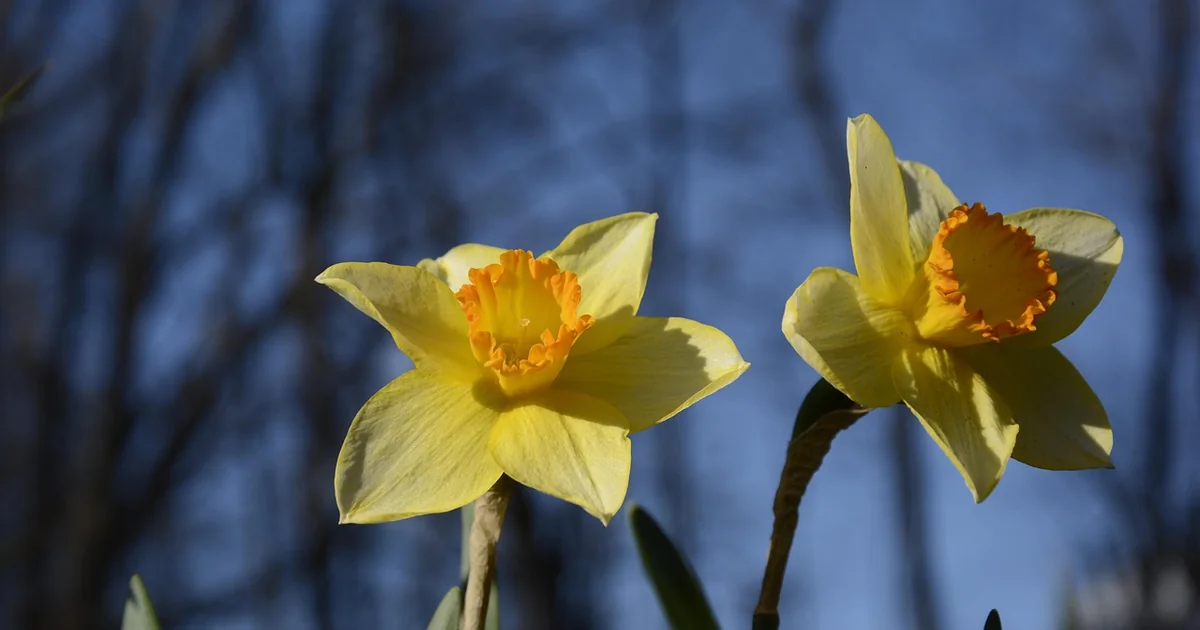
Deer and rabbits remain the top complaint among Michigan gardeners. Susan’s ongoing battle with them mirrors the experience of many. Beyond repellents, consider planting deer-resistant species like hellebores, ferns, brunnera, and Solomon’s seal. Daffodils are also deer-resistant and bloom in early spring. Avoid tulips, which deer treat as candy.
Another challenge is the short bloom time of some spring flowers. Virginia bluebells last only a month. Trilliums bloom for two to three weeks. To extend the season, plant multiple species that overlap. When one fades, another takes its place. This is exactly what Susan has done, creating a seamless transition from one flower to the next.