Have you ever stared across the fence at a neighbor’s lush, emerald-green lawn and wondered what they’re doing differently? The grass really can be greener on your side, but it takes more than wishful thinking. Lawn quality depends almost entirely on the choices you make each week. Mowing technique and feeding schedule are the two pillars that support a healthy, envy-worthy yard.
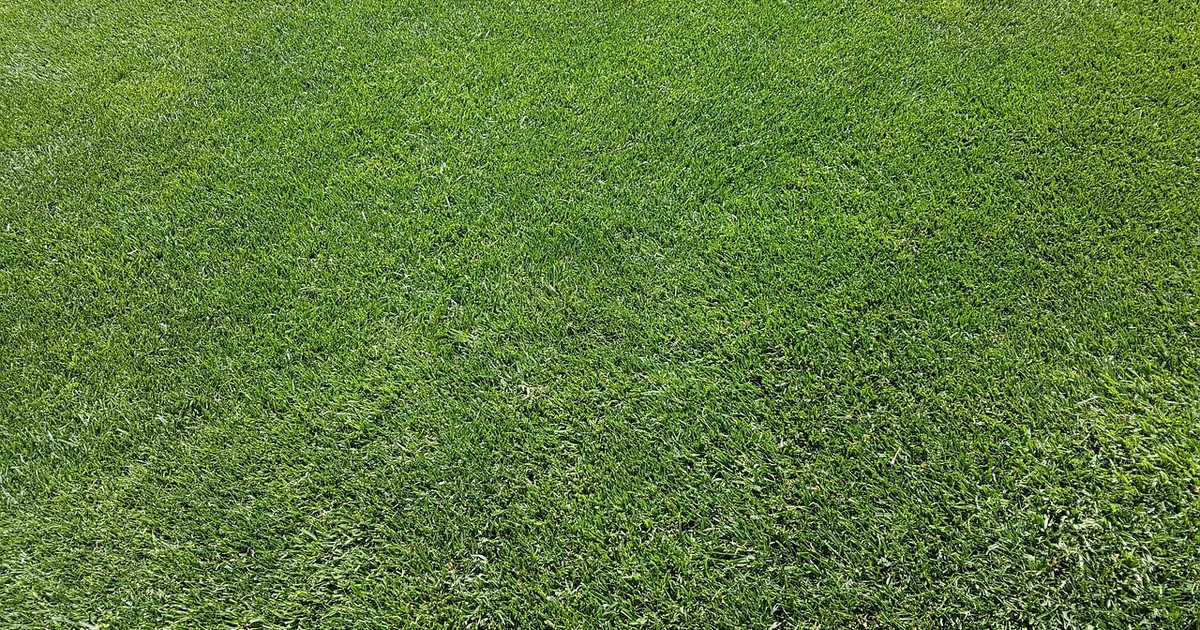
Know Your Grass Type Before You Begin
Before you touch the mower or the fertilizer spreader, you must identify the grass growing in your yard. Cool-season grasses, such as Kentucky bluegrass, tall fescue, and perennial ryegrass, thrive in northern climates with mild springs and falls. They grow fastest when temperatures hover between 60°F and 75°F and often go dormant during scorching summers. Warm-season grasses, including Bermuda grass, St. Augustine, and zoysia, love heat and humidity. They hit their growth stride above 80°F and turn brown when cold weather arrives.
If you live in a transition zone with cold winters and hot summers, consider adaptable varieties like tall fescue or zoysia. These grasses handle temperature swings better than pure cool-season or warm-season types. Planting the wrong grass for your region is like trying to grow a cactus in a bog — it will struggle no matter how much you pamper it. Knowing your grass type sets the stage for every other decision, from mowing height to fertilizer timing.
1. Mow at the Right Height for Your Grass Species
Cutting your lawn too short, often called scalping, damages the grass and invites weeds. Each grass type has a recommended height range. For Kentucky bluegrass, ryegrass, and St. Augustine, keep the blade set between 1.5 and 2.5 inches. For Bermuda grass, centipede grass, and zoysia, a shorter 1 to 2 inches works best. In general, choose the taller end of the range for your species. Taller grass develops deeper roots, shades the soil to suppress weeds, and tolerates drought better. A study from the University of Nebraska found that mowing at 3 inches instead of 1.5 inches reduced crabgrass germination by more than 40 percent.
2. Follow the One-Third Rule
Never remove more than one-third of the grass blade’s length in a single mow. If your lawn has grown to 6 inches, cut it no shorter than 4 inches. Cutting more than a third stresses the plant, stunts root growth, and leaves the lawn vulnerable to disease. Regular mowing — about once a week during peak growing season — lets you follow this rule easily. If you miss a week and the grass gets tall, raise the mower height for the first pass, then lower it a day or two later for the second cut.
3. Keep Your Mower Blades Razor Sharp
Dull blades tear the grass instead of slicing it cleanly. Ragged edges turn brown and create entry points for fungi and pests. Sharp blades, by contrast, produce a clean cut that heals quickly and retains moisture. Inspect your blade every few mows and sharpen it at least twice per season. You can use a file or take it to a small-engine shop. A sharp blade also reduces fuel consumption and makes the mower push easier — a win for your lawn and your arms.
4. Never Mow Wet Grass
Mowing a damp lawn is a recipe for clumping, uneven cuts, and torn turf. Wet grass bends under the mower deck, so blades get missed and others get hacked. The clippings stick together in heavy clumps that smother the grass beneath, creating yellow dead spots. Wet soil also compacts more easily under the mower’s wheels, which harms root development. Wait until the dew evaporates in the morning or after a rain shower. If you must mow due to an upcoming storm, raise the mower height and go slowly.
5. Leave the Clippings on the Lawn (Unless They Clump)
Grass clippings are a free, nutrient-rich fertilizer. As they decompose, they return nitrogen, potassium, and organic matter to the soil. This practice, called grasscycling, can provide up to 25 percent of your lawn’s annual nitrogen needs. However, if clippings form thick mats or windrows after mowing, rake them up. Thick piles block sunlight and trap moisture, leading to disease. Use a mulching mower or a side-discharge deck to distribute clippings evenly. In general, if you can see piles of clippings after mowing, they need to be removed or spread out.
6. Water Deeply and Infrequently
Most lawns need about 1 inch of water per week during the growing season, including rainfall. That amount equals roughly 624 gallons per 1,000 square feet. Instead of a light sprinkle every day, give your lawn one or two deep soakings per week. Deep watering encourages roots to grow downward, making the grass more drought-tolerant. Light, frequent watering keeps roots near the surface where they dry out quickly. Place a tuna can or rain gauge on the lawn to measure how long your sprinkler needs to run to deliver an inch. Water early in the morning to reduce evaporation and fungal risk.
7. Avoid Overwatering and Its Hidden Dangers
Too much water harms your lawn just as much as too little. Overwatering washes vital nutrients like nitrogen out of the root zone, leading to pale, thin grass. It also creates a perfect habitat for insects such as chinch bugs and sod webworms. Soggy soil encourages fungi like brown patch and dollar spot. If you see mushrooms sprouting, water pooling on the surface, or grass that stays wet hours after irrigation, cut back. Let the soil dry out between waterings. A simple test: stick a screwdriver into the ground. If it goes in easily, the soil has enough moisture. If it resists, water deeply.
8. Feed Your Lawn at the Right Time with the Right Fertilizer
Fertilizing without a plan wastes money and can burn the grass. Cool-season grasses need their main feeding in early fall and a lighter application in late spring. Warm-season grasses benefit from feeding in late spring, summer, and early fall — but avoid fertilizing when the grass is dormant. Use a slow-release fertilizer with a balanced ratio like 13-13-13 or a formulation tailored to your soil test results. Soil testing every two to three years tells you exactly which nutrients your lawn lacks. Many local extension offices offer tests for under $20. Over-fertilizing with nitrogen causes rapid, weak growth that requires more frequent mowing and attracts pests.
9. Choose Organic or Synthetic Fertilizer Based on Your Goals
Organic fertilizers, such as compost, bone meal, or seaweed-based products, release nutrients slowly as microbes break them down. They improve soil structure and microbial life but work best when applied consistently over several seasons. Synthetic fertilizers deliver nutrients immediately and are easier to measure precisely, but they can cause rapid growth spurts and potential runoff into waterways. For most homeowners, a mix works well: use a synthetic starter fertilizer in early spring when the lawn needs a quick boost, then switch to organic options for summer and fall maintenance. Whichever you choose, water the fertilizer in lightly after application to help it reach the roots and prevent leaf burn.
You may also enjoy reading: 7 Birth Month Hydrangeas You’ll Love.
Common Mowing and Feeding Mistakes to Avoid
Even experienced gardeners slip up now and then. One frequent error is mowing with a dull blade, which we already covered, but another is mowing in the same direction every time. This compacts soil in wheel tracks and encourages grass to lean. Alternate your mowing pattern each week — north-south one week, east-west the next. Also, avoid fertilizing before a heavy rain forecast, as the nutrients will wash away. And never apply fertilizer to bone-dry soil without watering it in, as it may burn the grass blades.
Another overlooked detail is the spreader setting. Calibrate your drop or rotary spreader so you apply the right amount. Too much fertilizer causes rapid top growth that stresses the roots and creates thatch buildup. Too little fails to feed the lawn adequately. Use a simple calibration test: measure a 10-by-10-foot square, fill the spreader with a known weight of product, push it over the area, then weigh what remains. Adjust the setting until you apply the manufacturer’s recommended rate.
Seasonal Lawn Care Calendar for Mowing and Feeding
Spring: For cool-season lawns, apply a light dose of slow-release fertilizer after the first mow. Warm-season lawns should wait until the soil temperature reaches 65°F, usually late April or May. Mow slightly lower in early spring to remove dead growth, then raise the height gradually as temperatures climb.
Summer: Focus on mowing high and watering deeply. Warm-season grasses thrive with a mid-summer feeding. Cool-season grasses often go semi-dormant; avoid fertilizing them during heat waves as it forces weak growth. If you must mow during drought, raise the blade and leave clippings to shade the soil.
Fall: Cool-season lawns need their most important feeding of the year in September. Use a high-nitrogen fertilizer to strengthen roots before winter. Continue mowing until the grass stops growing, usually around Thanksgiving in many regions. Lower the mower height gradually for the final few cuts to reduce snow mold risk.
Winter: No mowing or feeding needed. Use the downtime to sharpen blades, service your mower, and order soil tests for spring. Spread a thin layer of compost over the lawn in late winter if your climate allows, but skip synthetic fertilizers until growth resumes.
When to Call a Professional
Most lawn care tasks are DIY-friendly, but certain situations warrant expert help. If you suspect a serious disease like large patch or pythium blight, a professional diagnostic can save your entire lawn. Likewise, if your soil test reveals severe nutrient imbalances or a pH outside the 6.0 to 7.0 range, a landscape specialist may recommend aeration, topdressing, or lime application that requires specialized equipment. Annual aeration, especially on compacted clay soils, often pays for itself in healthier grass that needs less water and fewer inputs. A core aerator pulls plugs of soil to let air, water, and nutrients reach the roots. You can rent one from a home improvement store, but many homeowners find the labor-intensive process easier with a pro.
Transforming your lawn into the greener grass on the other side isn’t about luck. It’s about applying these lawn care tips consistently — mowing at the right height, sharpening blades, watering deeply, and feeding on schedule. Start with one change this week, maybe setting your mower deck to the tallest setting for your grass type. Small adjustments compound over a season, and before long, your yard will be the one the neighbors admire.