Why Gardeners Are Tempted to Reuse Potting Soil
Is it frugal and eco-friendly to mix them? Or are you setting your plant up for a slow decline? Many houseplant enthusiasts face this exact dilemma during repotting season. While scooping fresh dirt straight from the bag feels safest, dumping old soil feels wasteful.
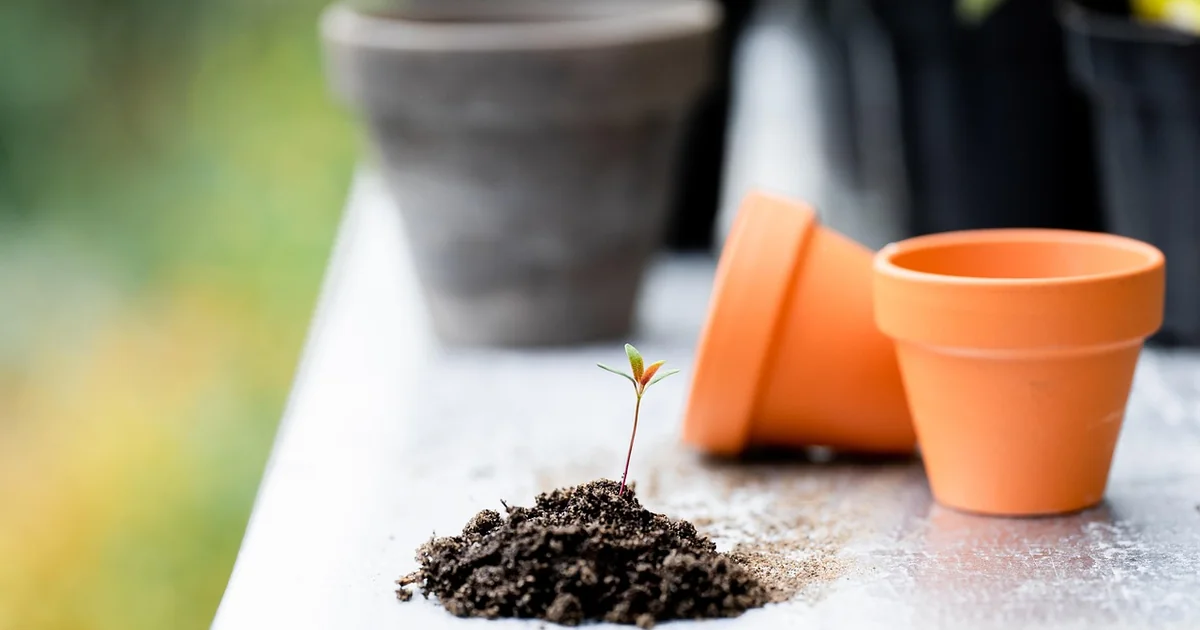
Potting soil is not just dirt. It is a carefully balanced medium of organic matter, minerals, and air pockets designed to support root systems. Over a growing season, those organic components break down. The structure collapses, leading to compaction. Nutrients get absorbed by the plant or leach out through regular watering. Understanding this lifecycle helps explain why you cannot simply top off an old pot with fresh mix and expect stellar results.
The Temptation to Save and Reuse
The cost of premium potting mix adds up quickly. A large houseplant might need several quarts of fresh soil. Environmentally, tossing out old soil feels unnecessary when landfills are already overflowing. Peat bogs, a primary source of many potting mixes, are carbon sinks that take centuries to form. By amending and reusing old soil, you potentially reduce demand for virgin peat. However, this must be balanced against the risk of introducing pathogens that destroy your plant, which creates its own kind of waste and disappointment.
The Hidden Risks of Old Soil
Liang explains that old soil presents three main dangers. First is nutrient starvation. If your plant has been thriving in that pot for a year, it has likely consumed most of the readily available nitrogen, phosphorus, and potassium. Second is compaction. Squeeze a handful of old potting soil. If it forms a hard, dusty ball, roots cannot penetrate it and water cannot drain through it. Third is the pathogen problem. Old soil can harbor fungal spores, bacteria, and pest eggs. Liang notes that spider mites and fungus gnats are especially common in reused soil, particularly during colder months when we bring plants indoors and pests multiply quickly.
The 3 Pro Tips for Mixing Old Potting Soil with Fresh
Luckily, Liang confirms there is a safe middle ground. Here is the expert-backed way to approach mixing old potting soil, balancing plant health with practicality.
Pro Tip 1: The 50/50 Rule Applies Only to Healthy Plants
Liang advises that at most, you should recycle soil from healthy plants by mixing it with 50 percent fresh potting soil. This means the old soil must come from a plant that showed no signs of disease, pests, or stress. If you are repotting an older plant that has been in the same container for years, the soil is almost certainly fully depleted. It is always a good idea to give your houseplants fresh soil when repotting, Liang says. Mixing old soil is a half-measure acceptable only if the old half is still in decent shape.
How do you assess old soil? Squeeze a handful. If it crumbles easily and smells earthy, it is a candidate for the mix. If it feels slimy, smells sour, or forms a hard block, discard it completely. Before combining, inspect the old soil closely for webbing, discoloration, or sticky residue. These are the red flags Liang warns about. If you see any of these signs, isolate the plant immediately so they do not infect your whole plant family.
Pro Tip 2: Revitalize Before You Combine
Old soil lacks structure and microbial life. To make it hospitable for new roots, you need to amend it before mixing. Simply dumping old clods into a fresh bag of mix is not enough.
Break it up. Crush any large, compacted clods with your hands. Remove any old root pieces or debris that might rot in the new pot.
Add aeration. Old soil is often missing perlite or pumice. Adding a handful of coarse perlite or orchid bark improves drainage and prevents future compaction. This is critical because compaction is the number one reason reused soil fails.
Boost nutrients. Mix in a light scattering of worm castings or a slow-release granular fertilizer formulated for houseplants. This bridges the gap until the fresh soil nutrients kick in. Liang also emphasizes using the right base. Look for peat-lite mixtures or peat moss alternatives such as coconut coir. If your old soil is dense garden earth, it should not be used for potted houseplants at all.
Optional sterilization. Some gardeners swear by baking old soil at 180 degrees Fahrenheit for 30 minutes to kill pathogens. This is effective but labor intensive and can produce a strong smell. For most home gardeners, simply inspecting the plant health and following the 50/50 rule is sufficient.
Pro Tip 3: Master the Timing
Even the best soil mix cannot save a plant repotted at the wrong time. According to Liang, repotting in the fall or winter is a huge no. Houseplants enter a period of slower growth during colder, darker months. Disturbing their roots at this time can cause serious trauma to their roots and stems.
Stick to spring and summer. During the active growing season, plants recover from root disturbance quickly. They are actively taking up water and nutrients, which means the fresh and mixed soil will be utilized effectively. Wait for active growth. If you see new leaves forming, that is your green light. Repotting a dormant plant into even the best soil mix risks root rot and transplant shock.
When You Should Never Mix Old Soil In
While the 50/50 rule works for healthy plants, certain situations demand a complete soil replacement. Liang emphasizes that skipping this step can infect your entire plant family.
- Visible pests or disease. If your plant had spider mites, fungus gnats, or a fungal infection like root rot, do not reuse the soil. The pathogens and eggs can survive in the old medium. Isolate the plant immediately and use sterile, fresh soil.
- Hydrophobic soil. If water beads up and runs off the surface of the old soil instead of soaking in, the medium has become water-repellent. This is common in peat-based soils that have completely dried out. This soil cannot be effectively rehydrated and should be discarded.
- Unpleasant smell. Healthy potting soil smells like damp earth. If it smells sour, rotten, or sulfurous, it indicates anaerobic bacteria or root rot. Trust your nose and toss it.
- Severe compaction. If the soil has become rock hard and roots have completely filled the pot, the old medium has no structural integrity left. Fresh soil is required.
How to Check Roots and Soil Between Repottings
Prevention is always better than cure. Liang suggests checking roots and soil regularly so you are not caught off guard at repotting time.
You may also enjoy reading: 7 Birth Month Hydrangeas You’ll Love.
Check the drainage holes. Roots poking out are a clear sign the plant is root-bound. If you see this, a repot is overdue. Gently remove the plant from its pot to examine the root ball. If roots are circling tightly, they need fresh space.
Feel the soil moisture. Water when the top couple of inches are dry. Do not rely on a calendar. A fixed watering schedule ignores the plant actual needs. Sticking your finger into the soil is the most reliable test.
Group humidity-loving plants together. Because plants naturally release moisture, they create a shared microclimate when placed together that benefits them all. This reduces stress and helps the soil stay evenly moist.
Annual refresh. Even if a plant is not root-bound, replacing the top few inches of soil annually provides a nutrient boost without the stress of a full repot. This is an excellent compromise for large plants that are difficult to repot completely.
Common Mistakes That Sabotage Your Soil Mix
Even with the perfect 50/50 blend, errors during the repotting process can undermine your efforts. Liang highlights a few costly mistakes.
Buying the Wrong Soil
Using heavy garden soil or cheap mixes without perlite leads to root suffocation. Always opt for a peat-lite or coir-based mix. Your plants need lightweight, well-draining medium to thrive.
Ignoring Drainage
No matter how good your soil is, a pot without drainage holes is a death sentence for most houseplants. Excess water has nowhere to go, leading to root rot regardless of your soil quality.
Overwatering After Repotting
Fresh soil retains more moisture than you expect. Water lightly after repotting, then wait for the top inches to dry before watering deeply. Overwatering a freshly repotted plant is one of the fastest ways to kill it.
Repotting Too Late
If roots are growing out of the drainage holes and the soil dries out within a day, you are inching toward root-bound territory. A root-bound plant struggles to absorb nutrients from even the best soil mix. Do not wait until the plant is severely stressed.
Deciding whether to mix old potting soil with fresh ultimately comes down to honesty with yourself about your plant history. If the plant was healthy, the soil was well-draining, and you follow the 50/50 rule with revitalizing amendments, you can absolutely save money and reduce waste. But treating your plants to fresh, sterile potting mix whenever possible remains the gold standard. Your plants will reward your diligence with vigorous growth, lush leaves, and a much lower risk of disease.