Every spring, gardeners watch eagerly for those first peony buds. When the stems grow tall but no flowers appear, disappointment sets in. This happens more often than you might think. Peonies are hardy perennials that can live for decades, but they have specific needs. Understanding these needs is the key to solving the problem of peonies not blooming. Let’s explore the five most common reasons and how to fix them.
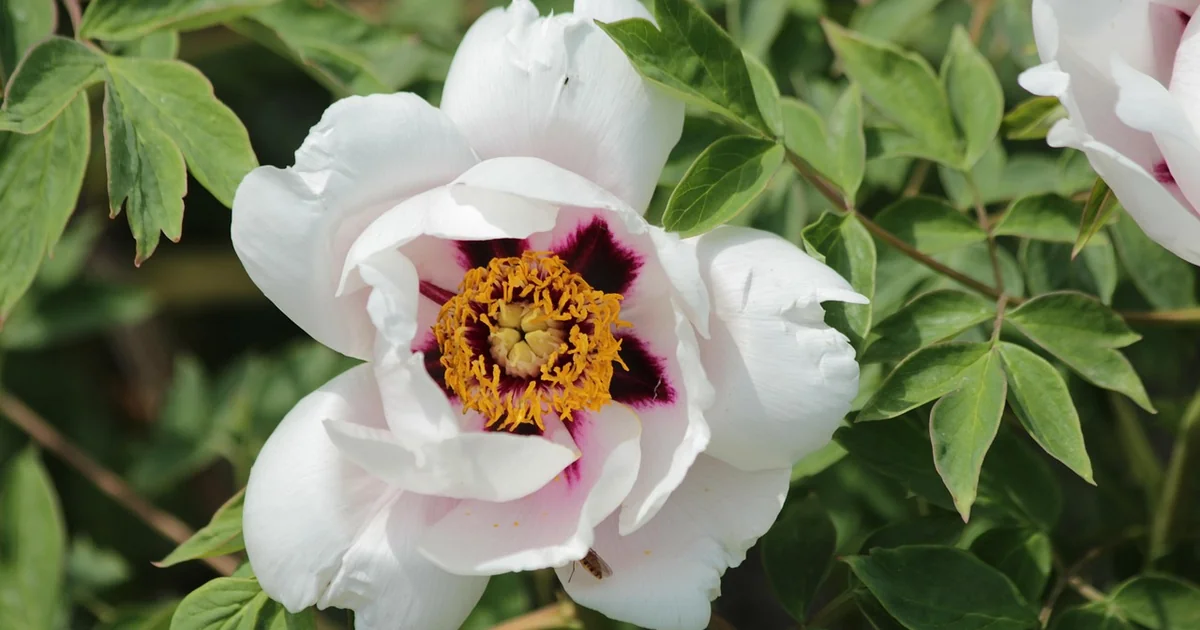
1. Too Much Shade: The Sunlight Problem
Most peonies require at least six hours of direct sunlight each day to produce their iconic blooms. If your plant is in a spot that receives morning sun but afternoon shade from a nearby tree or building, it may still struggle. The tree’s leaves that emerge in late spring can block light exactly when the plant needs it most for bud development. This is a frequent cause of peonies not blooming even when foliage looks healthy.
To check your garden’s light levels, observe the area during different times of day from early spring through late spring. Note any shadows that appear as the season progresses. If you find your peony is not getting enough sun, you have two options. One is to trim back overhanging branches. The other is to move the plant to a sunnier location in the fall. Remember that transplanting can delay blooms for a year or two, so choose your final spot carefully the first time.
How to Measure Sunlight
Use a simple sunlight meter or just watch the area at 9 a.m., noon, and 3 p.m. over a few days. Mark the spots where full sun hits. Peonies in dense shade will produce tall, leafy stalks but no flowers. If you must plant near a wall or fence, choose a south-facing side for maximum exposure.
What About Shade-Tolerant Varieties?
Some peony cultivars can handle partial shade, but even these need at least four hours of direct sun. Woodland peonies are more shade tolerant, but their flowers are smaller and fewer. For the classic large blooms, full sun is non-negotiable. If your garden is heavily shaded, consider growing peonies in containers that you can move into sunny spots as needed.
2. Nutrient Shortage: Feeding Without Disturbing Roots
Peonies need adequate nutrition to fuel their large flowers. However, their roots are sensitive to disturbance. Piling compost on top or digging in granular fertilizer can harm the plant. This can lead to peonies not blooming because the plant cannot access the nutrients it needs.
The best approach is to use a liquid fertilizer such as compost tea or seaweed emulsion. These seep into the soil without disturbing the roots. Apply this in early spring as shoots emerge. Avoid high-nitrogen fertilizers, which encourage leaf growth at the expense of blooms. A balanced organic liquid feed works well.
Another option is to spread a thin layer of well-rotted compost around the base, but only about one inch deep and not touching the crown. Keep compost away from the stems to prevent rot. If your peony is in poor soil, a soil test can reveal specific deficiencies. Often, adding phosphorus (bone meal) helps, but use it sparingly and mix it into the top layer without digging deep.
Signs of Nutrient Deficiency
Yellowing leaves or stunted growth can indicate a lack of nutrients. But peonies that get enough sun and are not too deep may still fail to bloom if the soil is depleted. A simple balanced feed in early spring and again after flowering can make a huge difference. Do not feed after midsummer, as that can encourage tender growth vulnerable to frost.
3. Transplant Shock: Why Moving Peonies Stops Blooms
Peonies hate being moved. Once established, they develop a deep root system that resents disturbance. If you planted a peony in the last three to five years, it may still be recovering from the move. This is a common reason for peonies not blooming after transplanting.
To help your peony recover, always transplant in the fall, after the foliage has died back. Dig a wide hole to preserve as many roots as possible. After replanting, water deeply and apply a one-inch layer of composted cow manure around the base (not on the crown). Be patient; it can take two to three years for a transplanted peony to bloom again. In the meantime, keep the soil evenly moist and free of weeds.
If you must move an established peony, accept that you may lose blooms for a season or two. The plant will eventually rebound with proper care. Some gardeners report that after moving, peonies bloom again in the third year with even larger flowers.
Step-by-Step Transplanting Guide
First, cut back the stems to about six inches. Then dig around the root ball, about a foot away from the stems. Lift the root mass gently, trying to keep soil around the roots. Replant in a prepared hole at the same depth it was growing. Water well and add a light layer of mulch, but remove it early in spring. Avoid moving peonies in spring when they are actively growing; this sets them back much more.
4. Planting Too Deep: A Critical Mistake
Peony tubers have pinkish buds called “eyes” that must be planted no more than two inches (5 cm) below the soil surface. If planted deeper, the plant will produce lush foliage but no flowers. This is perhaps the most common mistake leading to peonies not blooming in home gardens.
You may also enjoy reading: 7 Perennials to Divide in May for Explosive Growth.
To check, gently dig around the base of the plant to find the crown. If the eyes are more than two inches deep, carefully remove some soil from above them. Do this in early spring when shoots emerge. If the plant is very deep, you may need to lift it in fall and replant at the correct depth. This will set back blooming by a year, but it is the only permanent fix.
When planting new peonies, dig a shallow hole. Place the tuber so the eyes face upward and are just below the soil line. Water in well. Mark the spot so you remember not to add more mulch later. In cold climates, a light winter mulch can protect the plant, but remove it early in spring before the shoots grow.
Why Depth Matters So Much
The eyes need to sense the cold of winter to trigger bud formation. If they are buried too deep, they stay warmer and the plant does not receive the signal to produce flowers. Additionally, deep planting can lead to rot in wet soils. The rule of thumb is: if you can see the top of the tuber at ground level after planting, that is perfect. Over time, soil can settle, so check every few years and gently pull back any accumulated soil.
5. Lack of Winter Chill: Warm Climates and Overprotection
Peonies require a period of cold dormancy to set flower buds. They need about 400 to 500 hours of temperatures below 40°F (4°C) during winter. In warmer regions (USDA zones 8 and above), this natural chilling may not occur, leading to peonies not blooming or producing buds that fail to open.
If you live in a mild climate, do not mulch your peonies heavily in winter. Mulch insulates the soil and reduces cold exposure. Instead, leave the ground bare to maximize chilling. Choose early-blooming varieties that are more tolerant of warmth. Some peony cultivars, like the Itoh hybrids, perform better in southern gardens.
Another issue is “bud blast,” where buds form but turn brown and shrivel before opening. This can happen after a late frost or sudden temperature swing. If you see this, protect emerging shoots with row covers during unexpected cold snaps. Also, ensure good air circulation around the plant to reduce fungal diseases that can mimic bud blast.
How to Tell If Your Peony Has Bud Blast
Healthy peony buds are firm and green. If they turn brown, black, or mushy, it may be bud blast. This is often caused by environmental stress rather than disease. Check the weather history for your area. A warm spell followed by a hard freeze is a common trigger. While you cannot control the weather, you can improve plant health with proper water and care to reduce stress.
Adjusting Care in Warm Climates
If you are in zone 8 or 9, consider growing peonies in pots that you can move to a cooler spot in winter, such as against a north-facing wall. Some gardeners in the South have success by planting peonies in raised beds with sandy soil that drains quickly, reducing the risk of rot during mild winters. Even without ideal cold, some peonies will still bloom sparsely, but every flower is a victory.
Final Encouragement
Peonies are generous plants that reward patience and proper care. Most issues with peonies not blooming stem from one of these five factors. By checking sunlight, feeding gently, avoiding disturbance, planting at the right depth, and ensuring winter chill, you can enjoy decades of spectacular blooms. Give your peonies time to adjust after any changes, and they will fill your garden with color year after year.