Why May Demands Your Attention
The wait is almost over, and if you are anything like me, the anticipation feels downright unbearable. You have spent weeks peering at those pink asparagus tips, willing them to unfurl into lush green clumps. Now the finish line is in sight. Herbaceous varieties like the beloved ‘Coral Sunset’ have reached that tantalizing marshmallow stage, where fat buds grow squishy and hint at the spectacle to come. But here is the thing about peonies: the final weeks before blooming are often the most critical. A slightly floppy stalk listing after heavy rain can snap the moment you try to nudge it into a support. I have been there. After all this patient waiting, the last thing any of us wants is to sabotage the grand finale with silly oversights.
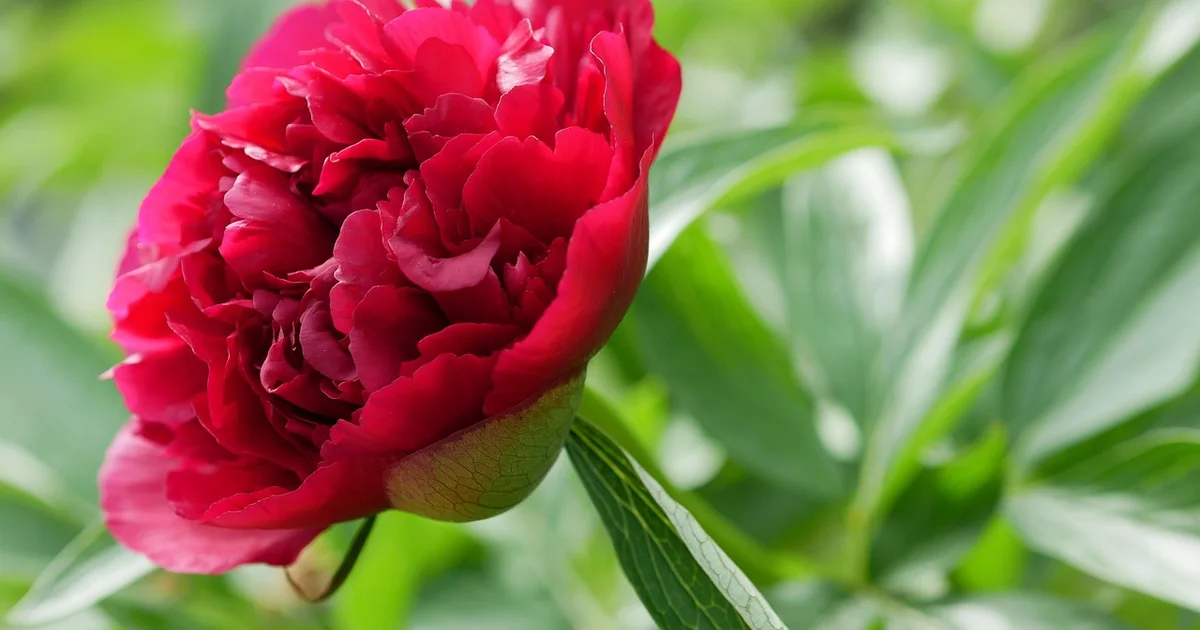
The worst thing you can do for your peonies this month is nothing at all. While they do not need you to hover over them, a few simple steps make all the difference between marshmallow buds reaching their full fluffball potential or winding up face down in the mud. Effective peony care May routines rely on timing and attentiveness. Do not panic — you are nearly there. You just need a few minutes and these seven checks to ensure your herbaceous favorites deliver the blousy blooms you have been dreaming of.
1. Support Your Peonies Before They Flop
Rainwater and wind create a devastating combination for peonies in May. One should never underestimate the weight of a rain-soaked ‘Sarah Bernhardt’ on the verge of blooming. Nobody wants to see their beloved peonies face-down in the mud. Because May growth can be explosive, this is your absolute last call to get peony supports in place. But you must choose the right kind.
Not all peonies need scaffolding. If you grow Itoh hybrids such as ‘Bartzella,’ you will find they have inherited the stiff stems of their tree peony ancestors. For herbaceous types, though, you may need to bring in reinforcements late in the game. Do not wait until the plant is already flopping to try to secure it with twine or, worse, a cage. Frames and cages work best when peonies are young enough to grow through them naturally. The stems thread through the grid as they rise, so the support becomes invisible by bloom time.
If you missed that window, there is still hope. Use bamboo stakes and soft twine to create a discreet circle around the clump. Connect the stakes with horizontal loops of twine so the stems lean against them without being squeezed. This allows individual stems to move naturally while staying upright. Check your supports every seven days during rapid growth. A single week of explosive development can turn a loose loop into a tight constriction.
One trick I have learned the hard way: install supports when the plants are about 12 inches tall. By the time they reach 24 inches, the stems are already heavy and brittle. Trying to force a metal ring over a fully grown clump is a recipe for heartbreak. Take ten minutes now, and you will save yourself from the sickening sound of snapping stalks later.
Choosing the Right Support System
Traditional metal peony rings are widely available at garden centers, but they vary in quality. Look for rings with a sturdy center grid and legs that push deep into the soil, at least six inches. Lightweight rings tend to tip over in strong winds, which defeats the purpose. For larger clumps, consider a square cage made of wire mesh. Cut a 24-inch square of concrete reinforcing mesh, bend it into a cylinder, and place it over the emerging shoots. The stems grow through the openings, and the structure holds firm even during a downpour.
If you prefer a more natural look, try the “stake and twine” method I mentioned earlier. Drive four bamboo stakes evenly around the perimeter of the clump. Wrap jute twine around the stakes in a figure-eight pattern, creating a web that cradles the stems. This method blends in beautifully and does not distract from the flowers. Just be sure to check the tension every week, as stems thicken quickly in May.
2. Watch Out for Disease Before It Takes Hold
May is a high-risk month for fungal diseases, especially botrytis blight. Wet springs create ideal conditions for spores to germinate. If you see stems turning black at the base or buds that turn brown and fail to open, botrytis is likely the culprit. The disease thrives in cool, damp weather with poor air circulation. Peony care May routines must include vigilant monitoring for early signs of trouble.
Prevention is far easier than cure. Remove any mulch that touches the crowns of the plants. Wet mulch pressed against new growth creates a perfect entry point for fungal spores. Trim away any dead or diseased stems from previous seasons, even if they seem dry. Those old stalks can harbor spores that splash up onto new growth during rain.
If you spot the telltale signs — a grayish-brown mold on buds or stems that suddenly wilt — act immediately. Cut affected stems several inches below the visible damage. Dispose of them in the trash, not the compost bin. Composting infected material returns spores to your garden when you spread that compost later. Space your peonies so that air moves freely between plants. Overcrowded clumps trap moisture and invite disease.
In a wet spring, improving airflow is your single best defense. Prune back any neighboring shrubs that crowd your peonies. Thin out the interior foliage of the peony itself if the clump is very dense. You want air to circulate around every stem. A simple fan-like spread of the foliage can prevent the humid microclimate that botrytis loves.
Recognizing the Difference Between Botrytis and Normal Bloom Failure
Not every brown bud is diseased. Sometimes a peony simply aborts a bud due to drought, nutrient stress, or an unusually cold snap. The difference lies in the spread. Botrytis usually starts at the base of the stem and moves upward, or it appears on multiple buds at once. A single shriveled bud while the rest of the plant looks healthy is more likely a natural disappointment. Watch for the characteristic fuzzy gray mold — that is the dead giveaway. If you see it, remove the affected part immediately and sterilize your pruners with rubbing alcohol between cuts.
3. Water Deeply During Dry Spells
May weather can be fickle. One week you deal with a heat spike that seems to wilt tender stems. The next, a downpour threatens to batter healthy foliage. Responding to these shifts with a steady hand is essential for peony care May success. If your region is experiencing a dry spring, deep hydration becomes the goal.
Peonies are not heavy drinkers compared to tomatoes or hydrangeas, but they do need consistent moisture during the pre-bloom period. When the top two inches of soil feel dry to the touch, it is time to water. Apply water slowly at the base of the plant, allowing it to soak down to the root zone. A deep soaking once a week is far better than a light sprinkle every day. Shallow watering encourages roots to stay near the surface, where they are vulnerable to heat and drought stress.
A soaker hose or drip irrigation line laid around the base of the clump works beautifully. It delivers water directly to the soil without wetting the foliage. Wet leaves in May can encourage fungal problems, especially if the weather is warm and humid. If you must use a sprinkler, run it early in the morning so the foliage dries fully before nightfall.
How much water is enough? Aim for about one inch of water per week, including rainfall. You can measure this with a simple rain gauge or by placing a tuna can under your sprinkler. When the can has collected one inch of water, you have reached the target. In sandy soils, you may need to water twice a week, as water drains quickly. In clay soils, one deep soak per week is usually sufficient.
Signs You Are Overwatering
Yellowing lower leaves, soft stems, and a general lack of vigor can indicate too much water. Peonies do not tolerate soggy feet. If your soil stays wet for days after rain, consider improving drainage by adding organic matter or planting peonies on a slight mound. Root rot from overwatering is a quiet killer — the plant looks unhappy long before you realize the roots are rotting.
4. Apply Seaweed Fertilizer for Bloom Strength
This is not the time for nitrogen-heavy fertilizers. A high-nitrogen feed in May triggers soft, sappy growth that flops easily and attracts aphids. The stems grow fast but lack the structural integrity to hold up heavy blooms. Save the nitrogen-rich feeds for early spring, before the buds form. In May, you want to support flower development, not foliage expansion.
That said, a gentle splash of seaweed fertilizer works wonders during this critical window. Seaweed contains micronutrients and plant hormones that strengthen cell walls and intensify bloom color. Products such as Neptune’s Harvest Fish and Seaweed Fertilizer provide a balanced blend of nutrients that support flower development without forcing excessive leafy growth. The natural hormones in seaweed — cytokinins and auxins — help the plant allocate energy toward bud maturation and petal development.
Apply seaweed fertilizer when you see the first buds beginning to swell. Mix according to the label instructions, usually about one tablespoon per gallon of water. Water it in at the base of the plant, taking care not to splash the buds. A single application is often enough, but you can repeat every two weeks until the flowers open if you want deeper color and stronger stems.
The effect is subtle but real. Blooms on seaweed-fed plants often hold their color a day or two longer than those on unfed plants. The stems are slightly thicker and more resistant to wind damage. It is one of those small steps that pays off in a big way when you are admiring your June display.
What About Compost Tea?
Compost tea is another excellent option for May feeding. It provides a diverse array of micronutrients and beneficial microbes that improve soil health. Brew a batch by steeping a shovel of well-aged compost in a bucket of water for 24 to 48 hours. Strain the liquid and apply it to the soil around your peonies. The microbes help break down organic matter in the soil, making nutrients more available to the roots. Compost tea does not provide the same hormonal boost as seaweed, but it complements seaweed feeding beautifully.
5. Ensure Good Airflow Around Every Plant
Airflow is the unsung hero of peony care May success. Even the healthiest peony will struggle if it is trapped in a still, humid corner of the garden. Good air circulation reduces fungal pressure, strengthens stems, and helps buds dry quickly after rain. When you improve airflow, you reduce the need for chemical sprays and constant vigilance.
You may also enjoy reading: 7 Birth Month Hydrangeas You’ll Love.
If your peonies are planted too close together, consider moving one or two in autumn. For now, you can improve airflow by selectively pruning neighboring plants. Cut back any overhanging branches from nearby shrubs or perennials that crowd your peonies. Trim the lower leaves of tall plants growing in front of the peony clump. Every little bit of space helps.
If the peony clump itself is very dense, you can thin it out. Use clean pruners to remove a few of the weakest stems at ground level. Aim to remove no more than one-third of the stems. This opens up the center of the clump, allowing air to reach every bud. The remaining stems will be stronger and produce larger flowers because they face less competition for light and nutrients.
In a wet spring, consider placing a small fan near your peonies if they are growing in a protected, enclosed area. This is only practical for peonies in raised beds or near a structure with an electrical outlet, but it works wonders. A gentle breeze keeps foliage dry and discourages fungal spores from germinating.
The Spacing Rule You Should Have Followed
If you are planting new peonies this autumn, remember the spacing rule: herbaceous peonies need at least three feet between plants. Itoh and tree peonies need four to five feet. Crowded plants not only invite disease — they also compete for water and nutrients, reducing bloom size. If your current peonies are too close, mark your calendar for September transplanting. Moving them while they are dormant gives them a fresh start in a better position.
6. Disbud for Larger, Showier Blooms
If your goal is enormous, exhibition-quality blooms, disbudding is the secret weapon. Peonies naturally produce a central terminal bud and several smaller lateral buds on each stem. If you remove the side buds when they are pea-sized, the plant channels all its energy into the central bud. The result is a flower that is significantly larger, with a more intense color and a longer vase life.
Disbudding is optional, of course. Many gardeners prefer the natural look of multiple smaller blooms per stem. But if you are growing for cutting or simply want to impress your neighbors, this step takes only seconds per stem. Use your fingertips or a pair of clean snips to remove the lateral buds, leaving the central bud intact. Do this when the buds are still small and easy to pinch off, usually in early to mid May depending on your zone.
You do not need to disbud every stem. Select the strongest stems with the largest central buds. Weak stems will not benefit from disbudding because they lack the vigor to produce a large flower anyway. Focus your efforts on the five or six strongest stems per clump. That gives you showstopping blooms without sacrificing the overall fullness of the plant.
Disbudding also extends the bloom season slightly. The central bud opens a few days earlier than it would if it were competing with laterals, and the plant does not exhaust itself producing multiple flowers at once. You get a longer, more dramatic display from the clump as a whole.
What to Do with the Removed Buds
The tiny buds you pinch off are perfectly usable in the kitchen. Peony buds have a mild, floral flavor similar to rose petals. Add them to salads, use them as a garnish for summer drinks, or steep them in hot water for a delicate tea. Just make sure you have not sprayed your plants with any pesticides before harvesting. Rinse the buds gently and enjoy them as a little bonus from your peony care May efforts.
7. Prepare for Ants and Other Minor Visitors
Ants on peony buds are a classic sight in May. Many people worry that ants damage the flowers, but the relationship is mostly harmless. Peony buds produce a sugary nectar that ants find irresistible. The ants drink the nectar and, in return, may help protect the buds from other insects. They do not cause any harm to the peony itself.
That said, you do not want to bring ants indoors when you cut blooms for a vase. If you plan to bring peonies inside, cut the stems early in the morning when the buds are still dewy. Hold each bud upside down and give it a gentle shake to dislodge any ants. Then rinse the buds with a spray of water from the hose. Allow them to dry before bringing them inside. This method removes most ants without damaging the petals.
Some gardeners spray their peony buds with a weak solution of water and a few drops of dish soap to deter ants. This works, but it can also remove the protective nectar and stress the buds. I prefer to let the ants have their feast and deal with them only at harvest time. They are part of the natural garden ecosystem, and they leave the flowers unharmed.
Other minor visitors you might see in May include aphids and thrips. Aphids cluster on new growth and excrete sticky honeydew. They rarely cause serious damage to peonies, but a heavy infestation can weaken the plant. Spray them off with a strong stream of water from the hose. Thrips are more troublesome — they feed on bud tissues and cause distorted flowers. If you see thrips damage, cut affected buds and dispose of them. In severe cases, you can use an insecticidal soap, but I find that good airflow and natural predators keep thrips under control most years.
When to Worry About Ants
There is one scenario where ants can indicate a problem. If you see ants crawling up and down the stems in large numbers, check for aphids. Ants sometimes farm aphids for their honeydew. If ants are present in unusually high numbers, inspect the stems and leaves for tiny green or black aphids. Treat the aphids, and the ants will leave on their own.
Bringing It All Together for a Stunning May Display
With these seven tasks, you have everything you need to guide your peonies through the tricky final weeks before bloom. Support your stems, watch for disease, water deeply when dry, feed with seaweed, improve airflow, disbud for size, and welcome the ants as harmless guests. Each step is small on its own, but together they create the conditions for a spectacular May garden.
Now step back and enjoy the show. Those marshmallow buds are about to transform into the most luxurious blooms of the season. You have done the work. Let the peonies do the rest.