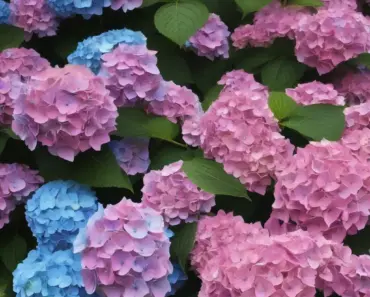
Are you looking for a shrub that makes a statement without requiring constant attention? Look no further than the Strawberry Sundae hydrangea. This reliable and adaptable plant produces stunning cone-shaped panicles that will reward you with big impact, making it a fine choice for any garden.
Understanding the Strawberry Sundae Hydrangea
The Strawberry Sundae hydrangea, also known as Hydrangea paniculata ‘Strawberry Sundae’ or ‘Rensun’, is a compact plant that grows to be around 4-5 feet tall and 3-4 feet wide. It is a panicle hydrangea, characterized by its cone-shaped panicles that are large and showy, producing a striking display of color throughout the growing season.
Key Characteristics of the Strawberry Sundae Hydrangea
One of the standout features of the Strawberry Sundae hydrangea is its ability to thrive in a variety of conditions. It can tolerate winters as cold as zone 3 with a little protection, making it a great choice for gardeners in colder climates. It is also relatively low maintenance, requiring only occasional pruning and regular watering to keep it healthy and thriving.
How to Grow a Strawberry Sundae Hydrangea
Growing a Strawberry Sundae hydrangea is refreshingly straightforward. To get started, choose a location that receives full or partial sun, as the plant grows well in both. In hotter climates, a little afternoon shade can help prevent stress and keep the blooms looking their best. The ideal soil for the Strawberry Sundae hydrangea is organically rich, well-draining loamy soil, either neutral or slightly acidic.
When it comes to watering, regular irrigation is key. Check the soil before watering hydrangeas – the goal is to keep the soil moist but never wet. Deep watering once or twice a week is usually better than little and often, encouraging strong root growth. The frequency of watering depends on the weather and sun exposure, so be sure to monitor the soil moisture levels and adjust your watering schedule accordingly.
The Importance of Soil pH and Hydration
Soil pH plays a crucial role in the health and well-being of your Strawberry Sundae hydrangea. Ideally, the soil should be slightly acidic to neutral, with a pH between 5.5 and 6.5. If your soil is too alkaline, it may lead to root problems and other issues. To ensure optimal growth, consider getting a soil test done before planting your hydrangea. You can pick up a home testing kit, such as the MySoil test kit, on Amazon.
Hydration is also essential for the health of your Strawberry Sundae hydrangea. Using a moisture meter, like the Yamron 4-in-1 Soil Moisture Meter from Amazon, will help you to keep your hydrangeas perfectly hydrated. Regular watering and mulching around the base will also help to retain moisture and improve soil structure over time.
Fertilizing Your Strawberry Sundae Hydrangea
When it comes to fertilizing your Strawberry Sundae hydrangea, it’s best to mix organic compost into the soil before planting. This provides a good foundation of nutrients for the plant to grow and thrive. However, for the best growth and flowering, consider adding a balanced fertilizer during the growing season. Be sure to follow the instructions on the label and avoid over-fertilizing, as this can lead to root damage and other issues.
Temperature and Humidity Considerations
The Strawberry Sundae hydrangea can be grown in hardiness zones 3 through 8, making it a great choice for gardeners in a variety of climates. However, young plants and those grown in containers may require a little extra care during the winter months. Mulching around the base or moving pots to a sheltered spot can help protect the plant from extreme cold and wind.
It’s also worth noting that the Strawberry Sundae hydrangea is less well suited to high-humidity areas, where poor air circulation can make it more prone to fungal issues. Be sure to provide good air circulation around the plant and avoid overwatering to prevent these types of problems.
Pruning and Maintenance
Pruning and maintenance are crucial for keeping your Strawberry Sundae hydrangea healthy and thriving. Prune the plant in late winter or early spring, removing any dead or damaged branches. This will help promote new growth and encourage the plant to produce more blooms.
Common Problems and Solutions
Despite its hardiness, the Strawberry Sundae hydrangea can be susceptible to certain problems. Here are a few common issues and their solutions:
- Root problems due to alkaline soil: Consider getting a soil test done and adjusting the pH of your soil to ensure optimal growth.
- Overwatering: Be sure to monitor the soil moisture levels and adjust your watering schedule accordingly to prevent root rot and other issues.
- Underwatering: Regular watering and mulching around the base will help to retain moisture and improve soil structure over time.
- Fungal issues: Provide good air circulation around the plant and avoid overwatering to prevent these types of problems.
Conclusion
The Strawberry Sundae hydrangea is a reliable and adaptable plant that produces stunning cone-shaped panicles. With its ability to thrive in a variety of conditions and require minimal maintenance, it’s a great choice for gardeners of all levels. By following the tips outlined in this article, you’ll be well on your way to growing a healthy and thriving Strawberry Sundae hydrangea that will provide years of beautiful blooms.