Starting cucumbers from seed remains one of the most rewarding garden decisions you can make. The seed packet offers access to shapes and flavors that simply never appear on grocery store shelves. You can grow round yellow cucumbers that resemble lemons, tiny snacking varieties perfect for lunchboxes, or seedless gherkins destined for homemade cornichons. The choices feel almost endless, and the real challenge becomes selecting which ones to try. There is an entire universe of sizes, textures, and growing habits that store-bought cucumbers cannot match. Some varieties offer remarkable disease resistance, while others thrive in heat that would wilt conventional types.
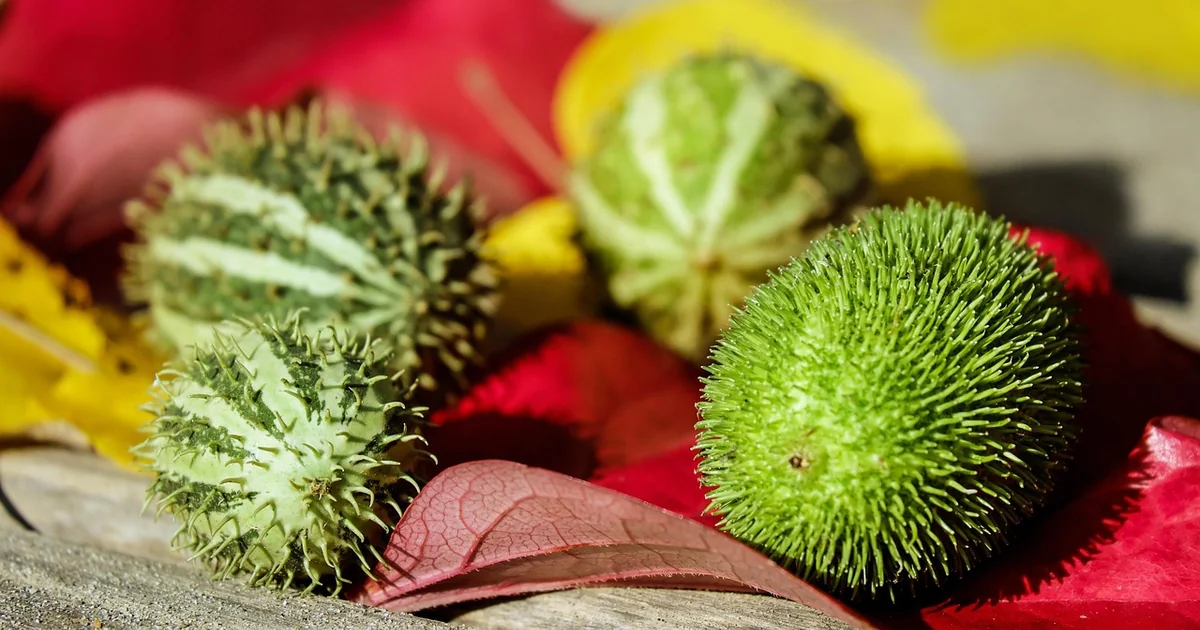
Home gardening continues to grow in popularity, and cucumbers remain a top crop for new and experienced growers alike. But the days of planting just any seed are fading. Gardeners now look for specific traits: disease resistance, heat tolerance, compact growth, and outstanding flavor. The cucumber varieties for 2026 reflect these priorities. Breeders have focused on creating plants that perform reliably under challenging weather conditions while producing fruit that tastes noticeably better than anything from a supermarket.
Another shift drives this search for better varieties. More people want to preserve their harvest. Pickling cucumbers, once a niche interest, now attract mainstream attention as home canning and fermenting become household hobbies. Cucumbers bred for firm flesh and excellent brine absorption are in high demand. Whether you grow in a large backyard plot, a raised bed, or a container on a balcony, there is a variety designed for your situation.
The following seven cucumbers represent the best of what 2026 has to offer. Each has earned a place on this list for specific reasons: proven performance, exceptional taste, and traits that solve common gardening problems.
1. Marketmore: The Reliable Slicer That Handles Imperfect Weather
Marketmore has been a trusted name in home gardens since its introduction in 1968 at Cornell University. That longevity is no accident. This cucumber produces consistent dark green slicers even when conditions are less than perfect. Other varieties may curl or become misshapen during a rainy week or a sudden heat spell, but Marketmore fruits keep their uniform shape and size.
The fruits reach about seven inches at maturity. The skin is smooth and dark green, with minimal bumps. The flesh stays crisp and refreshing, exactly what you want for salads and sandwich toppings. Vines grow vigorously, typically reaching four to six feet, and they continue producing as long as you keep harvesting. Consistent picking encourages more fruit, which means a steady supply throughout the season.
Disease resistance is a standout feature here. Marketmore is resistant to cucumber mosaic virus, a common problem that can stunt growth and ruin fruit quality. For gardeners who have dealt with viral issues in the past, this trait alone makes Marketmore a smart choice.
2. Tasty Green: A Japanese Cucumber Built for Humid Climates
Japanese cucumbers are known for their thin, tender skin and sweet flavor. Tasty Green exemplifies these qualities while adding something crucial: strong disease resistance for hot, humid environments. Powdery mildew and downy mildew are the two fungal diseases most likely to end a cucumber season early. Tasty Green is resistant to powdery mildew and tolerant of downy mildew, giving it a real advantage in regions where humidity and rainfall are part of summer.
The fruits are slender and best harvested at about nine inches. At this size, the skin is thin enough to eat without peeling, and there is no trace of bitterness. The interior has very few seeds, which makes for a pleasant eating experience. Grow Tasty Green on a trellis for the straightest fruit and to maximize airflow around the foliage. Good airflow reduces the risk of fungal issues even further.
For anyone gardening in the Southeast, the Gulf Coast, or similarly humid areas, Tasty Green is one of the most practical cucumber varieties for 2026. It handles conditions that would stress many other types and still delivers a quality harvest.
3. Muncher: The Persian Cucumber That Fights Four Diseases at Once
Persian cucumbers have become wildly popular for fresh eating. They are mild, crisp, and just the right size for snacking. Muncher is a burpless Persian type that takes these traits and adds an extraordinary level of disease resistance. This variety resists cucumber mosaic virus, powdery mildew, alternaria leaf spot, and anthracnose. Four diseases. That is a remarkable achievement in plant breeding.
The fruit is nearly spineless, so there is no need to scrub or peel before eating. Harvest at about five inches for the ideal snacking size, but the cucumbers taste good at any stage. The skin is thin, and the crunch is satisfying. For a variety that looks delicate, Muncher is surprisingly tough in the garden. It handles stress well and keeps producing.
Muncher is an excellent choice for gardeners who want a low-maintenance cucumber that delivers high-quality fruit for fresh eating. If you have struggled with disease problems in past seasons, this variety offers a strong solution.
4. Homemade Pickles: Compact Vines with a Big Yield
The name tells you exactly what this variety is for. Homemade Pickles is a dedicated pickling cucumber bred for firm flesh and excellent brine absorption. The interior texture is drier than slicer types, which helps the fruit soak up vinegar and spices without becoming mushy. The result is a crisp, flavorful pickle every time.
Harvest fruits anywhere from one and a half inches to six inches long, depending on your recipe. Baby cucumbers make great cornichons, while larger ones are perfect for dill spears or bread-and-butter slices. The vines are compact, making this variety ideal for small gardens or container growing. Despite the modest plant size, the yield is impressive. Two or three plants can supply enough cucumbers for an entire summer of canning.
Disease resistance on Homemade Pickles is broad. It covers anthracnose, angular leaf spot, cucumber mosaic virus, and both downy and powdery mildew. If you have been buying pickling cucumbers at the farmers’ market because you assumed growing your own was complicated, this variety will change your mind. They are just as easy to grow as any slicer, and the reward is a pantry full of homemade pickles.
5. Lemon: The Round Yellow Cucumber That Tolerates Drought
Lemon cucumbers look nothing like conventional cucumbers. They are round, about the size of a tennis ball, and covered with pale yellow skin that deepens as the fruit matures. The appearance often surprises people at the dinner table, but the flavor wins them over quickly. The taste is mild and completely free of bitterness. You can eat Lemon cucumbers fresh, sliced into salads, or pickled whole for a unique presentation.
One of the most valuable traits of this variety is drought tolerance. Lemon cucumber handles inconsistent watering better than most other types. This makes it a smart pick for gardeners in drier climates or anyone who sometimes misses a day of irrigation. The plants are prolific producers. Two or three plants are enough to keep a household supplied through the growing season.
You may also enjoy reading: 7 Perennials to Divide in May for Explosive Growth.
Lemon cucumber has been especially popular in Australia for years, and it is gaining fans worldwide. If you want a conversation-starting vegetable that also delivers reliable performance under tough conditions, this variety deserves a spot in your garden.
6. Spacemaster 80: Full-Sized Slicers from Compact Vines
Container gardeners and anyone working with limited space should have Spacemaster 80 on their radar. The vines grow only two to three feet long, unlike the sprawling six-foot vines of standard slicing varieties. Despite the compact size, Spacemaster 80 produces full-sized slicing cucumbers. You do not have to sacrifice fruit quality for space savings.
The fruits are dark green, smooth, and ready to harvest at about seven to eight inches. The flavor is classic cucumber crisp and refreshing. Because the plants stay small, they fit well in containers, small raised beds, or even large pots on a patio. Trellising is optional with this variety, though a small stake or cage can help keep fruit clean.
One caveat for very hot climates: when temperatures climb above 90 degrees Fahrenheit on a regular basis, Spacemaster 80 may benefit from afternoon shade. A little protection during the hottest part of the day helps the plants maintain steady production. For most other regions, this variety performs beautifully with standard care.
7. Diva: The Parthenocarpic Powerhouse for 2026
Diva represents a category of cucumber that more gardeners are discovering: parthenocarpic varieties. Parthenocarpic means the fruit develops without pollination. No seeds form inside, and the cucumbers are completely free of bitterness. This trait also means Diva produces fruit reliably even when pollinators are scarce or when weather conditions limit bee activity.
The fruits are slender, about eight to ten inches long, with thin, tender skin. The flavor is exceptionally sweet for a cucumber, with no trace of the bitterness that can plague older varieties. Diva is resistant to powdery mildew and cucumber mosaic virus, making it a strong performer in most growing conditions.
Because Diva does not require pollination, it is an excellent choice for greenhouse growing or for gardens in urban areas where pollinator populations may be low. It also produces over a long season, giving you a steady harvest from early summer until frost. For anyone looking to try a seedless cucumber that rivals the best greenhouse varieties, Diva is a top pick.
Growing Tips for Success in 2026
Cucumbers are warm-season crops that need soil temperatures above 60 degrees Fahrenheit for reliable germination. Wait until all danger of frost has passed and the soil has warmed before direct seeding. Starting seeds indoors three to four weeks before transplanting can give you a head start in cooler climates.
Consistent watering is critical. Cucumbers are about 96 percent water, and stress from dry soil can lead to bitter fruit and misshapen cucumbers. Provide at least one inch of water per week, more during hot weather. Mulching around the base of plants helps retain moisture and keep soil temperatures stable.
Supporting vines on a trellis offers multiple benefits. Fruit stays clean and straight, air circulation improves around the foliage, and harvesting becomes easier. Trellising also saves space in smaller gardens, allowing you to grow more plants in a given area.
Harvest frequently to encourage continued production. Cucumbers that are left on the vine too long signal the plant to stop producing. Check plants every day or two once fruit starts appearing, and pick at the recommended size for each variety. Regular harvesting keeps plants productive well into the season.
The right selection of cucumber varieties for 2026 can transform your garden experience. Whether you grow for fresh eating, preserving, or just the joy of watching something unique develop from seed, these seven varieties offer proven performance and exceptional flavor. Seed packets hold possibilities that grocery store aisles simply cannot provide. All it takes is soil, water, and a little patience to unlock them.