Choosing new flooring for your home feels like a big decision, and it is. You walk into a showroom and see endless rows of samples, each one promising durability and beauty. But some of those glossy surfaces and budget-friendly options come with hidden costs that only reveal themselves after installation. The wrong choice can leave you scrubbing grout lines weekly, chasing scratches across high-gloss planks, or dealing with buckling seams in a high-traffic hallway. Understanding which materials cause the most frustration can save you time, money, and a lot of weekend cleaning sessions.
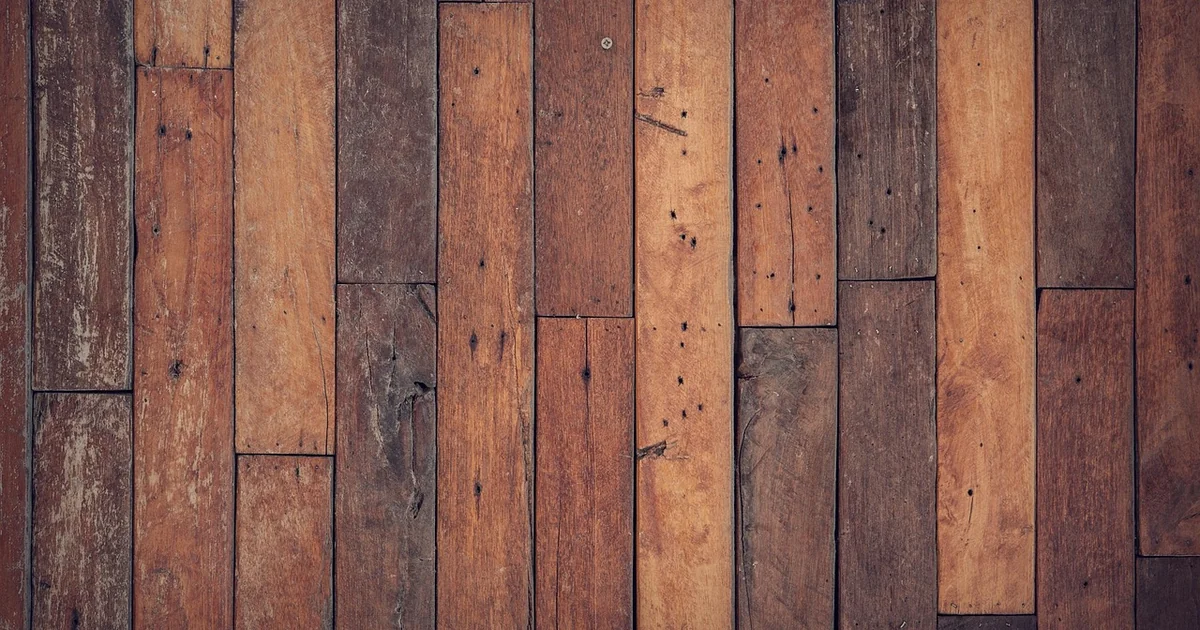
High-Gloss Hardwood Floors: A Shiny Trap
Glossy hardwood floors look stunning in a staged home or a magazine spread. The reflective surface catches light beautifully and makes a room feel larger and more polished. But once you actually live on that surface, the shine becomes a constant reminder of every single speck of dust, every footprint, and every tiny scratch. Interior designer Terri Brien, principal designer and owner of Terri Brien Interiors, explains that high-gloss finishes show just about everything. Dust settles visibly within hours, footprints from bare feet or socks stand out clearly, and scratches become glaringly obvious.
Scratches are the biggest headache with this finish. Even light wear from regular foot traffic or moving a chair across the room creates marks that catch the eye immediately. If you have dogs, forget about keeping that floor looking pristine. Their claws leave fine scratches that accumulate quickly, turning a once-gleaming surface into a dull, marred mess. The high-gloss layer also tends to show cleaning streaks, so you end up wiping and buffing repeatedly to maintain an even appearance.
Dark wood floors in a high-gloss finish add another layer of complexity. Brien notes that these darker surfaces can be particularly sensitive to cleaning products. Using the wrong cleaner leads to buildup, which then attracts even more grime and creates a hazy film that is difficult to remove. You might find yourself constantly researching which cleaning solutions are safe, only to discover that many popular products leave residue or dull the finish over time.
What Flooring to Use Instead
Brien recommends choosing a brushed or low-sheen wood finish instead of high-gloss. These finishes feel elevated and warm, fitting perfectly with today’s design aesthetic. More importantly, they hide wear much better and age in a more natural way. A matte or satin finish allows the wood grain to show through without the distracting reflectivity. Scratches and dents become part of the floor’s character rather than glaring imperfections. You can clean with standard wood-safe products and not worry about streaks or residue buildup.
Luxury Vinyl Plank (LVP): The Budget Nightmare
Luxury vinyl plank flooring has gained popularity for its low upfront cost and water-resistant claims. But interior designer Sophia deDomenico, founder of Et Sal Interiors, strongly advises clients against using LVP. She considers it one of the worst flooring types available and even requires clients to sign a waiver if they insist on installing it. The problems start with the material itself. LVP is essentially a thin printed layer on top of a plastic core made primarily of polyvinyl chloride (PVC).
The thin construction means LVP cracks easily. Dropping a heavy object or moving furniture across the floor can create fractures in the planks. The bigger issue, however, is installation. LVP requires a perfectly even subfloor. If your subfloor has any dips, bumps, or uneven spots, the planks will not stay flat. Over time, they pop up, creating buckling and clicking sounds underfoot. deDomenico describes this as a nightmare of popping seams and unstable flooring that never feels solid. You end up walking on a surface that shifts and moves with every step.
Another concern is the material composition. PVC is not a breathable or natural material, and some homeowners worry about off-gassing or the environmental impact of plastic flooring. The printed design layer can also wear off in high-traffic areas, revealing the plain plastic core underneath. Once that happens, there is no way to refinish or repair the floor. You have to replace it entirely.
What Flooring to Use Instead
deDomenico recommends natural planked wood as the best alternative to LVP. Real wood offers durability, longevity, and the ability to be refinished multiple times over its lifespan. If you need better water resistance for a basement, kitchen, or bathroom, she suggests laminate with a wood core or ceramic tile. The key is ensuring you have a 100% waterproof underlayment beneath the chosen material. This approach provides the moisture protection you wanted from LVP without the cracking, buckling, and plastic concerns.
Terri Brien adds that flooring should support how a home is actually lived in. The goal is always to strike a balance between beauty and practicality so the space not only looks good on day one but still feels good years later. Spending a bit more upfront on quality materials saves you from the frustration and expense of premature replacement.
Mosaic Tile Flooring: Beautiful But Brutal to Maintain
Mosaic tiles create intricate patterns and stunning visual effects on floors, walls, and ceilings. They add texture and artistry to a space, and they look gorgeous in photos. But when installed on floors in high-traffic areas, mosaics become more trouble than they are worth. The primary culprit is grout. Mosaic floors have hundreds or even thousands of tiny grout lines crisscrossing the surface. Grout is porous by nature, so it absorbs spills, dirt, and moisture easily. It discolors quickly, turning from clean white or gray to a dingy, stained mess.
Cleaning those grout lines is a tedious chore. Terri Brien notes that keeping grout looking fresh often requires detailed cleaning, sometimes as tedious as going in with a grout cleaner and a toothbrush. You have to scrub each tiny line individually to remove embedded dirt. In kitchens and entryways where mud, food spills, and foot traffic are constant, this maintenance becomes overwhelming. Many homeowners eventually give up and let the grout darken unevenly, which ruins the overall look of the floor.
Mosaics made of natural stone or glass present additional challenges. You cannot use standard cleaning solutions on these materials because the chemicals are too abrasive. Stone and glass require specialized, pH-neutral cleaners that cost more and may not be as effective at cutting through grime. The delicate nature of these materials also means they can scratch or etch if you use the wrong cleaning tools. You end up walking on eggshells every time you mop.
What Flooring to Use Instead
Brien suggests using larger-format tiles instead of mosaics. Tiles measuring 12 inches by 24 inches or larger have far fewer grout lines, which means less cleaning and less discoloration. If you love the look of detailed patterns, she recommends a slightly larger tile arrangement such as a 3×12 herringbone pattern, checkerboard layout, or a wood-look plank pattern. These options provide visual interest without the maintenance nightmare of hundreds of tiny grout joints. Wood flooring is also a great alternative for areas where you want warmth and easy upkeep.
You may also enjoy reading: 5 Ways Designers Made Honey-Toned Wood Kitchen Cabinets Chic.
Dark-Stained Wood Floors: Beauty That Demands Constant Attention
Dark-stained wood floors create a rich, dramatic look that feels luxurious and sophisticated. They anchor a room and provide a deep contrast against lighter walls and furniture. But living with dark floors means living with constant visibility of every imperfection. Every scuff mark from shoes, every smudge from a dropped object, and every strand of hair or piece of lint stands out starkly against the dark surface. You see dust accumulation within hours of sweeping.
Cleaning dark wood requires extra care. The finish can show water spots if you use too much liquid when mopping. Certain cleaning products leave streaks or a cloudy residue that is more noticeable on dark surfaces than on lighter ones. You might find yourself buffing floors with a dry cloth after every mopping just to remove streaks. Pet hair and dander become highly visible, so you feel compelled to vacuum or sweep multiple times a day to keep the floor looking presentable.
Over time, chasing every footprint and piece of lint gets old and a bit maddening. The floor that once felt elegant starts to feel like a full-time cleaning obligation. Scratches from furniture legs or pet claws show up as bright lines against the dark stain, making the floor look worn and tired much faster than a lighter finish would.
What Flooring to Use Instead
Brien advises clients to choose mid-tone or natural-tone wood finishes instead of dark stains. These colors offer the warmth and beauty of wood without the high-maintenance visibility of dark surfaces. A medium oak, walnut, or hickory finish hides dust, pet hair, and everyday wear much better. The natural variation in the wood grain also helps camouflage minor scratches and scuffs. You still get a beautiful floor, but you spend far less time worrying about every speck of dirt.
Wall-to-Wall Carpeting: Soft but Problematic
Wall-to-wall carpeting feels plush and cozy underfoot. It adds warmth and sound absorption to bedrooms and living rooms. But for many homeowners, especially those with children or pets, carpet becomes a source of frustration. Carpet fibers trap dirt, dust, allergens, and pet dander deep within the pile. Regular vacuuming only removes surface debris, leaving embedded particles that accumulate over time. In high-traffic areas, the carpet wears unevenly, creating visible paths and flattened spots that look worn and dirty even after cleaning.
Spills and stains are another major issue. A dropped glass of red wine, a pet accident, or a child’s art project can leave permanent marks that no amount of shampooing can fully remove. Professional carpet cleaning helps, but it is expensive and needs to be done every 12 to 18 months to maintain any level of freshness. Between cleanings, the carpet can develop musty odors from trapped moisture or pet accidents that seep into the padding underneath.
For families with allergies or asthma, wall-to-wall carpeting can aggravate symptoms. Dust mites, mold spores, and pet dander thrive in carpet fibers, and vacuuming often stirs these particles back into the air. The soft surface also makes it difficult to roll heavy furniture or move appliances without leaving deep indentations that never fully bounce back.
What Flooring to Use Instead
The best swap for undulating wall-to-wall carpet is selecting hardwood or engineered wood flooring, then adding rugs on top. Hardwood provides a clean, durable surface that is easy to sweep, mop, and maintain. Rugs add softness, warmth, and color where you want it, but you can remove them for cleaning or replace them when they wear out. This combination gives you the comfort of a soft surface underfoot without the permanent maintenance headaches of wall-to-wall carpet. Area rugs also allow you to change your decor seasonally without replacing the entire floor.
Choosing flooring is about more than just looks. It is about finding a surface that supports your daily life without demanding excessive time and money for upkeep. Avoiding these five problematic options will save you from the frustration of constant cleaning, premature wear, and unexpected repair costs. A thoughtful choice today means a floor that still feels good underfoot years from now.