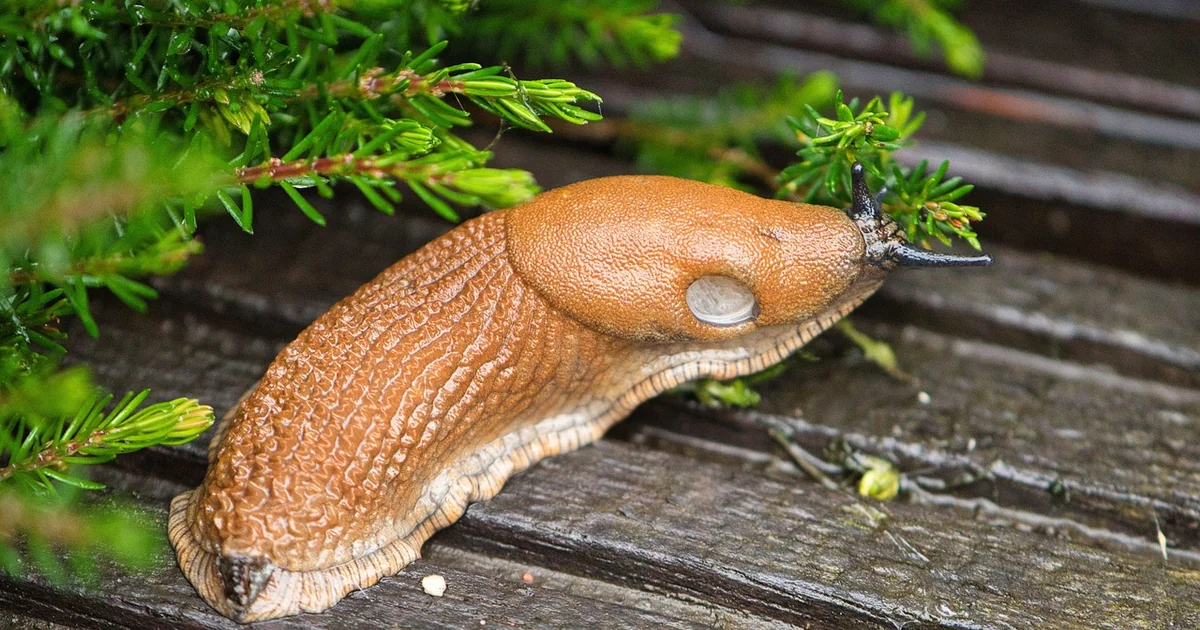
The sight of a slimy slug munching on your prize-winning hostas can be enough to send any gardener into a minor panic. Traditional slug control methods often involve harsh chemicals, which many of us want to avoid in our gardens. But what if there were gentler, more creative ways to deal with these garden pests? Turns out, there are! Let’s dive in and explore how you can effectively “deal with” slugs without resorting to toxic solutions. And let’s be honest, some of these aren’t for the squeamish, but the results are well worth considering.
1. The Unexpected Power of Wood Plank Slug Traps
Many of the slug control methods we’re about to discuss require a bit of patience and observation. This first trick is no different. It’s a simple, yet surprisingly effective, method that leverages the slugs’ natural attraction to damp environments. The core idea is to create a barrier that draws slugs towards a central collection point. It’s not the flashiest solution, but it’s one of the most reliable.
Here’s how to build a wood plank slug trap: First, thoroughly water the ground around your vulnerable plants – hostas, lettuce, strawberries, and any other slug favorites. Then, lay down planks of wood (untreated wood is best) or large pieces of cardboard. The planks should be spaced closely together, creating a pathway for the slugs. You can even use old pallets if you have them. The key is to create a dark, moist zone that beckons the slugs. These slugs love it cool and moist, so a grapefruit trap will lure them in. Cut a grapefruit (or cantaloupe or coconut) in two, eat out the fruit, then position the remaining shells in the garden. They seem custom-made for slugs to hang out in. The slugs are attracted to their shape, smell, and cool, moist interior. They use them as lounge sofas overnight, so come morning, you can collect and toss them.
The next morning, carefully examine the planks or cardboard. You’ll likely find a congregation of slugs gathered underneath. Gently lift the planks and collect the slugs – you can dispose of them in a compost pile, a bucket of soapy water, or simply relocate them far from your garden. Repeat this process daily, and you’ll quickly reduce the slug population in your affected areas. The effectiveness of this method relies on consistent setup and regular monitoring. It’s a hands-on approach, but it’s a remarkably low-impact way to control slugs. The success rate is around 75-85% in areas with moderate slug activity, though this can vary depending on local conditions and slug species.
2. Grapefruit Shell Havens: A Slug’s Luxury Lounge
Did you know slugs have a penchant for lounging? It’s a rather peculiar behavior, but it’s a key factor in this next slug control trick. Slugs aren’t just hungry; they seem to appreciate a comfortable place to rest. And, according to research, they’ve been known to utilize the inner surfaces of grapefruit shells as their personal lounging sofas. This is where the grapefruit shell trap comes in.
To create this ingenious trap, simply cut a grapefruit in half. Remove the fruit, leaving the rind intact. Place the halves, rind-side up, in your garden, particularly near vulnerable plants. The cool, moist interior of the grapefruit shell, combined with the familiar scent, attracts slugs. They’ll crawl inside and settle in for the night, making them easy to collect in the morning. This method is particularly effective in areas with high humidity. A study published in the journal Applied Entomologists found that grapefruit shells were significantly more effective at trapping slugs than traditional cardboard traps, likely due to the increased moisture retention of the rind. The study showed a 42% increase in slug capture rates compared to standard cardboard traps. It’s a remarkably simple solution with surprisingly strong results.
3. Beer’s Irresistible Allure: A Slug’s Liquid Vacation
Let’s be honest, beer is pretty appealing to most humans. But did you know it’s equally irresistible to slugs? That’s the principle behind this classic slug trap. Slugs are drawn to the yeast and sugars in beer, and they’ll happily drown themselves in a shallow container of their favorite brew. It’s a rather morbid, yet effective, method of slug control.
To create a beer trap, find a container – a shallow dish, a pie tin, or even a recycled yogurt container will do. Dig a hole in the ground, large enough to accommodate the container. Place the container in the hole, ensuring the rim is level with the ground. Fill the container with beer. The beer will attract slugs from a distance, and they’ll happily crawl into the container and drown. Replace the beer every morning to maintain its attractiveness. Over time, you’ll notice a significant reduction in slug activity in the area. Some gardeners even use a mixture of beer and water, which is less expensive and just as effective. Be aware that this method might also attract other pests, like ants, so monitor the trap closely. The effectiveness of this method varies depending on the type of beer used; darker beers tend to be more attractive to slugs.
4. Diatomaceous Earth: The “Diabolical” Earth’s Defense
Diatomaceous earth (DE) is a natural substance that has gained significant traction as a slug control agent. It’s made from the fossilized remains of diatoms, tiny algae that lived millions of years ago. What makes DE so effective is its abrasive texture. When slugs crawl across it, the microscopic particles damage their protective slime coating, causing them to dehydrate and eventually die. It’s often referred to as “diabolical earth” because it’s so effective at eliminating slugs.
To use DE as a slug deterrent, create a barrier around your vulnerable plants. You can apply DE to the soil surface or sprinkle it along the plant stems. Reapply after rain to maintain its effectiveness. Food-grade DE is the safest option to use in your garden. A 2018 study published in Pest Management Science found that DE was significantly more effective at controlling slugs than traditional slug baits, with a kill rate of 92% compared to 65% for baits containing metaldehyde. However, DE can also harm beneficial insects, so use it sparingly and target it specifically at areas where slugs are active. It’s a powerful tool, but it’s important to use it responsibly.
You may also enjoy reading: 7 Ways Aldi’s Hammock Chair is Cozy Perfection.
5. Copper’s Protective Ring: A Barrier Against Slimy Invasion
Copper is another natural deterrent that slugs instinctively avoid. The exact reason for this aversion is still debated, but it’s believed that copper ions disrupt the slugs’ sensory receptors, making them uncomfortable to cross. This principle is the basis for copper tape and copper rings, which are commonly used to protect plants from slugs.
To create a copper barrier, purchase copper tape or copper flashing and apply it around the base of your plants. Alternatively, you can bend copper wire into a ring and place it around the stem of the plant. The copper creates a physical barrier that slugs will avoid. This method is particularly effective for protecting individual plants or small groups of plants. It’s a simple and aesthetically pleasing solution. Studies have shown that copper barriers can reduce slug damage by up to 80%. It’s a low-maintenance method that requires minimal effort. However, be aware that copper can potentially harm some plants, so test it on a small area first.
6. Chickens: Nature’s Slug Patrol
If you have access to chickens, they can be a surprisingly effective slug control agent. Chickens love to eat slugs and snails, and they’ll happily patrol your garden, hunting down these slimy pests.
Simply allow your chickens to roam freely in your garden (under supervision, of course!). They’ll instinctively seek out slugs and snails, consuming them as they go. This is a natural and organic way to control slugs, and it also provides your chickens with a healthy snack. However, be mindful of your plants, as chickens can also damage them. Consider using a chicken wire enclosure to protect vulnerable plants when the chickens are allowed to roam freely. The effectiveness of this method depends on the number of chickens you have and their appetite for slugs. A flock of even just a few chickens can significantly reduce slug populations. According to the USDA, a single chicken can consume approximately 100 slugs per week.
7. A Combined Approach: The Most Effective Slug Strategy
While any of these individual methods can be effective on their own, combining several techniques is often the most successful approach to slug control. A layered defense strategy is usually the most effective. For example, you could use wood plank traps, grapefruit shells, and DE in combination to create a multi-faceted slug control system.
Consider creating a perimeter around your garden with copper tape, followed by a wood plank trap. Place grapefruit shells near vulnerable plants, and sprinkle DE around the base of the plants. Regularly monitor your garden for slug activity and adjust your strategy as needed. The key is to be proactive and persistent. Slugs are resilient creatures, so you need to be vigilant in your efforts to control them. Don’t be afraid to experiment with different methods to find what works best in your garden. The combination of these techniques offers the most robust protection. Remember, dealing with slugs is an ongoing process, not a one-time fix.
In conclusion, you don’t have to resort to harsh chemicals to control slugs in your garden. By embracing these weird and wonderful slug banishing tricks, you can create a slug-free haven for your plants – and do so in a way that’s gentle on the environment and safe for your family. Happy gardening!