Why a Solar Fountain Transforms Your Garden
Moving water changes a garden. The gentle splash, the shimmer of light on the surface, the way birds gather for a drink — it all adds a layer of calm that still air simply cannot match. A floating solar fountain makes this transformation almost effortless. You need no electrical outlet, no buried pipes, no professional installer. Just a sunny spot, a container of water, and the fountain itself. The pump runs entirely on sunlight, so your electricity bill stays flat. And because the water circulates, mosquitoes find it far less inviting. That alone makes a small pond practical for even the tiniest patio.
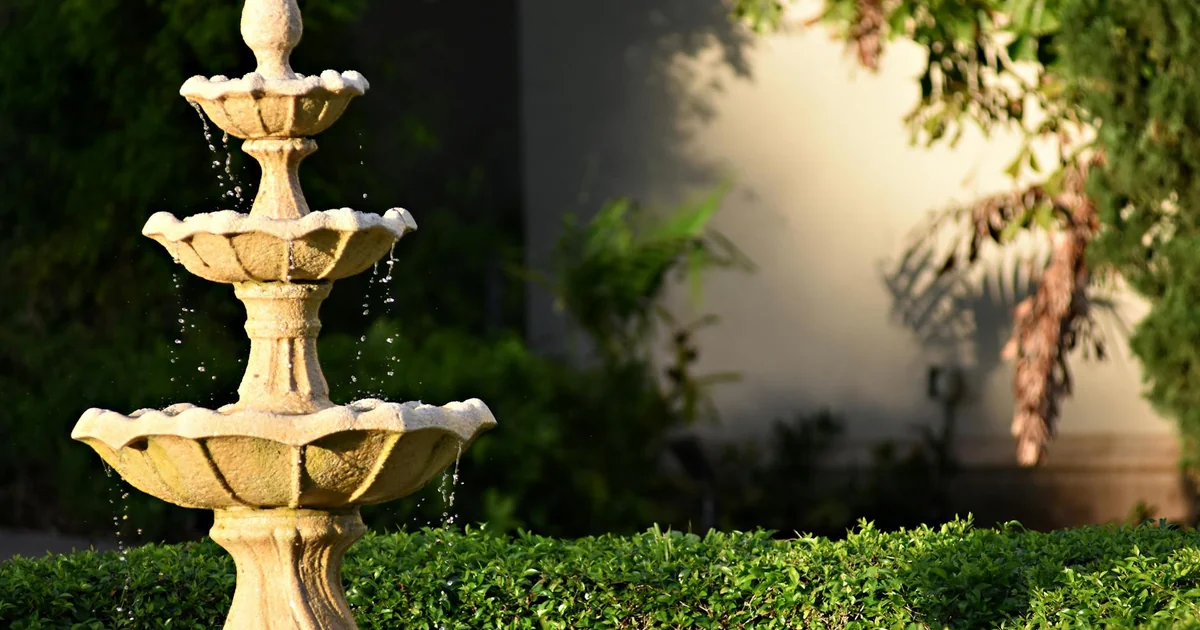
Solar fountain ideas have multiplied in recent years as the technology has improved. Pumps now lift water higher, batteries store energy for cloudy spells, and prices have dropped by roughly 30% since 2020. You can create a striking water feature for under $50 if you choose the right components. The seven projects below show how to match a solar fountain to your garden’s personality — whether you love cottage charm, modern minimalism, or wildlife-friendly spaces.
1. Stylish Border Water Feature
A water feature tucked into a flower border adds sound, movement, and a surprising sense of depth. The visual trick works because the reflective surface makes the bed appear wider than it really is. You do not need a traditional pond liner or a preformed basin. A simple planter — one without drainage holes — becomes the perfect vessel.
Look for planters made from composite materials, which blend recycled plastic with stone powder. These weigh less than concrete but mimic its texture and durability. A 16-inch round planter in a faux terracotta finish, for instance, costs a fraction of real terracotta and won’t crack in frost. Place it at the edge of a border, half-hidden by foliage. Drop a floating solar fountain into the water, and the effect is immediate. The pump draws water from the planter and sends it upward in a gentle spray, which then falls back with a soft patter. Surround the planter with low-growing plants like creeping thyme or sedum to soften the rim. The contrast between the still water and the surrounding greenery creates a focal point that draws the eye.
For a modern border, choose a square planter in a charcoal or slate finish. The clean lines complement ornamental grasses and architectural plants such as phormium or cordyline. The fountain’s spray should be low — no higher than 12 inches — so it does not overwhelm the planting. Most solar fountains come with adjustable nozzles, so you can dial in the height and pattern that suits your space.
2. Bird Bath Splash-Pool
Birds are drawn to moving water. A still bird bath may go unnoticed, but add a solar fountain and the splash will attract feathered visitors within hours. They will bathe, preen, and squabble over the best spot, providing endless entertainment from your kitchen window.
The key is to choose a bird bath with a wide, deep bowl. A shallow dish loses water too quickly when birds splash, and the pump may run dry on a hot afternoon. A bowl at least 18 inches across and 3 inches deep gives birds room to bathe while holding enough water to keep the pump submerged. Pedestal models work well on patios or paved areas, where the base sits level. For lawns, a pronged base that pushes into the soil offers better stability.
When selecting a solar fountain for a bird bath, look for one that operates in shallow water. Some fountains have a sensor that shuts off the pump if the water level drops too low, protecting the motor. The fountain should also have a wide spray pattern — a gentle umbrella shape rather than a tall jet — so birds can perch comfortably under the water. You can place a flat stone in the center of the bowl to give birds a landing spot. Over time, the constant movement will keep the water fresher than a static bath, reducing algae growth and mosquito larvae.
3. Upcycled Vintage Container Pond
One person’s junk becomes a charming micropond. An old enamel washbasin, a galvanized tub, a ceramic sink, or even a discarded cooking pot can hold water and a solar fountain. The patina of age adds character that no store-bought planter can replicate. And because you are reusing something that might otherwise go to landfill, the project costs next to nothing.
Check the container for cracks or holes. Small openings are easy to seal with exterior marine silicone sealant, which remains flexible underwater and bonds to metal, ceramic, and plastic. Apply the sealant to the inside of the container and let it cure for 24 hours before adding water. For larger cracks, a fiberglass repair kit works well. If the container is metal, consider painting the inside with a waterproof pond paint to prevent rust.
Place the container in a spot that receives at least six hours of direct sunlight each day. The solar panel on the fountain needs that exposure to run the pump at full capacity. If the container is deep — say, a 12-inch galvanized bucket — you may need to raise the fountain with a brick or a small pedestal so the pump sits close to the water surface. The spray should be modest; a tall jet in a small container will splash water out. A gentle bubbling or trickling effect looks more natural and loses less water to evaporation.
Surround the upcycled container with plants that thrive in damp conditions. Miniature hostas, dwarf rushes, or creeping Jenny will soften the edges and make the pond feel established. A few smooth pebbles in the bottom add visual depth. The combination of vintage metal and fresh green foliage creates a cottage-garden feel that is both nostalgic and fresh.
4. Modern Bowl Planter Micropond
Contemporary garden design often relies on clean lines and restrained color palettes. A bowl planter filled with water and a solar fountain fits this aesthetic perfectly. Choose a shallow, wide bowl — 12 to 16 inches across — made from glazed ceramic, fiberstone, or composite material. The finish should be matte or satin; glossy surfaces can look too formal. Colors like charcoal, slate, or warm taupe blend with most patio schemes.
Because bowl planters are typically sold for succulents, many come without drainage holes — exactly what you need for a water feature. If the bowl does have a hole, seal it with a rubber plug or silicone. Fill the bowl with water and place the solar fountain in the center. The fountain’s pump should be fully submerged, so the water depth needs to be at least 2 inches. Most floating fountains have a wide base that rests on the surface, making them ideal for shallow bowls.
The spray pattern matters more in a modern setting than in a rustic one. A single, thin jet that rises 8 to 10 inches and falls back with a clean splash suits the minimalist look. Avoid mist or multiple jets, which can appear busy. If the fountain comes with color-changing LED lights, you can switch them on for evening gatherings. The lights cycle through seven colors, casting a soft glow across the water without overwhelming the space.
Place the bowl on a patio table, a low pedestal, or directly on the ground. The reflective surface will mirror the sky and surrounding plants, making the area feel larger. Keep the water clean by changing it every week or adding a few drops of pond-safe bacteria that break down organic matter. A modern bowl micropond requires almost no maintenance, yet it delivers a quiet elegance that elevates any outdoor seating area.
5. Rain-Chain Micropond
A rain chain adds a Japanese-inspired element to a garden, guiding rainwater from a gutter downspout into a decorative basin. Combine it with a solar fountain, and you create a water feature that works even when it is not raining. The chain itself becomes a visual focal point, and the basin below holds the fountain.
Start by installing a rain chain in place of a downspout. Copper or aluminum chains are most common, but you can also find ceramic or glass links. The chain should hang straight and end about 6 inches above the basin. The basin should be watertight and large enough to catch the water from the chain — at least 14 inches in diameter. A shallow stone bowl or a ceramic dish works well. Place the solar fountain in the basin, positioning it so the spray does not hit the chain directly. The falling water from the chain and the fountain’s spray create layered sounds: the soft tinkle of water on metal and the steady splash of the pump.
You may also enjoy reading: 13 Creative Garden Lighting DIY Ideas.
This idea works best in a spot that gets full sun for most of the day, because the solar panel needs direct light to power the pump. If the basin is shaded by the house or a tree, the fountain may run only intermittently. You can solve this by using a fountain with a separate solar panel on a long cord, which you can place in a sunny location while the basin stays in the shade. The panel connects to the pump via a waterproof cable.
Add a few aquatic plants, such as dwarf water lettuce or a single lotus, to soften the basin’s edges. The combination of moving water, greenery, and the vertical line of the chain creates a tranquil scene that feels like a miniature Japanese garden. It is a project that requires a bit more effort than a simple container pond, but the result is uniquely sculptural.
6. Multi-Spray Fountain Feature
Some solar fountains come with a set of interchangeable nozzles that produce different spray patterns: a single jet, a tiered fountain, a bell shape, or a frothy geyser. This versatility lets you change the look of your water feature whenever you want, without buying a new pump. A single container can host a different spray each week, keeping the garden fresh.
Choose a container that is at least 18 inches in diameter and 10 inches deep. The larger volume of water gives you more flexibility with spray height. A tall geyser, for example, can reach 20 inches, but it will lose water to evaporation and splash. A deeper container catches the spray and recirculates it without losing much water. Composite planters, glazed pots, or even a half-barrel work well.
Place the fountain in the center of the container. Fill the container with water and test each nozzle to see which pattern you prefer. The tiered fountain nozzle sends water in concentric rings, which looks elegant in a formal setting. The bell nozzle creates a transparent dome that catches the light. The geyser nozzle produces a frothy column that children and pets love. Change the nozzle by unscrewing the current one and attaching the new one — most models use a simple twist-lock mechanism.
Because the pump draws water from the top of the container, you need to top off the water every few days, especially in hot weather. A solar fountain with a low-water shutoff feature will protect the pump if the level drops too low. This feature is worth paying a little extra for, as it prevents burnout. The multi-spray fountain is ideal for families who enjoy experimenting and want a water feature that adapts to their mood.
7. Patio Container Pond
The simplest of all solar fountain ideas: drop a floating fountain into any watertight container and let the sun do the rest. A patio container pond takes five minutes to set up, yet it transforms a corner of your deck or balcony into a relaxing retreat. You can use a ceramic urn, a wooden half-barrel, a metal trough, or even a large plastic storage bin painted to look like stone.
The floating fountain sits on the water surface, with the pump hanging just below. The solar panel is built into the top of the unit, so there are no wires to hide. This design makes it perfect for renters or anyone who wants a water feature without permanent installation. When you move, you simply lift the fountain out and take it with you.
For a polished look, choose a container that complements your existing patio furniture. A dark glazed urn adds a Mediterranean feel. A galvanized trough suits a farmhouse style. A sleek fiberglass planter works with modern decor. Fill the container with water and place the fountain in the center. The spray should be gentle enough not to splash over the rim — a height of 6 to 8 inches is usually safe. If the container is shallow, you can raise the fountain by placing a brick or a flat stone underneath.
Add a few floating plants like water hyacinth or duckweed to keep the water clear and provide cover for small wildlife. A patio container pond attracts dragonflies, which feed on mosquitoes, and offers a drinking spot for bees. The combination of movement, reflection, and life makes even a small balcony feel like a garden. And because the fountain runs on sunlight, you enjoy the calming effects without any ongoing cost.
Making Your Solar Fountain Last
Solar fountains are low-maintenance, but a little care extends their life. Clean the pump every few weeks by removing any debris from the intake. Use a soft brush and clean water — no soap, which can harm wildlife. In winter, bring the fountain indoors or drain the container and store the pump in a dry place. Freezing water can crack the pump housing. With these simple habits, your solar fountain will provide years of soothing sound and movement.
The seven ideas above show how versatile solar fountain ideas can be. Whether you prefer a rustic upcycled pond, a sleek modern bowl, or a bird bath full of splashing guests, there is a project that fits your space and skill level. The hardest part is choosing which one to build first.