If you prefer a gentler approach to garden care, wildlife pest control offers a sustainable, chemical-free way to keep your backyard balanced. Beneficial creatures such as birds, bats, frogs, and insects help manage common troublemakers like mosquitoes, ants, slugs, snails, and aphids — all while pollinating your vegetables and fruit trees. This form of natural pest management relies on supporting the creatures already living nearby, rather than fighting them.
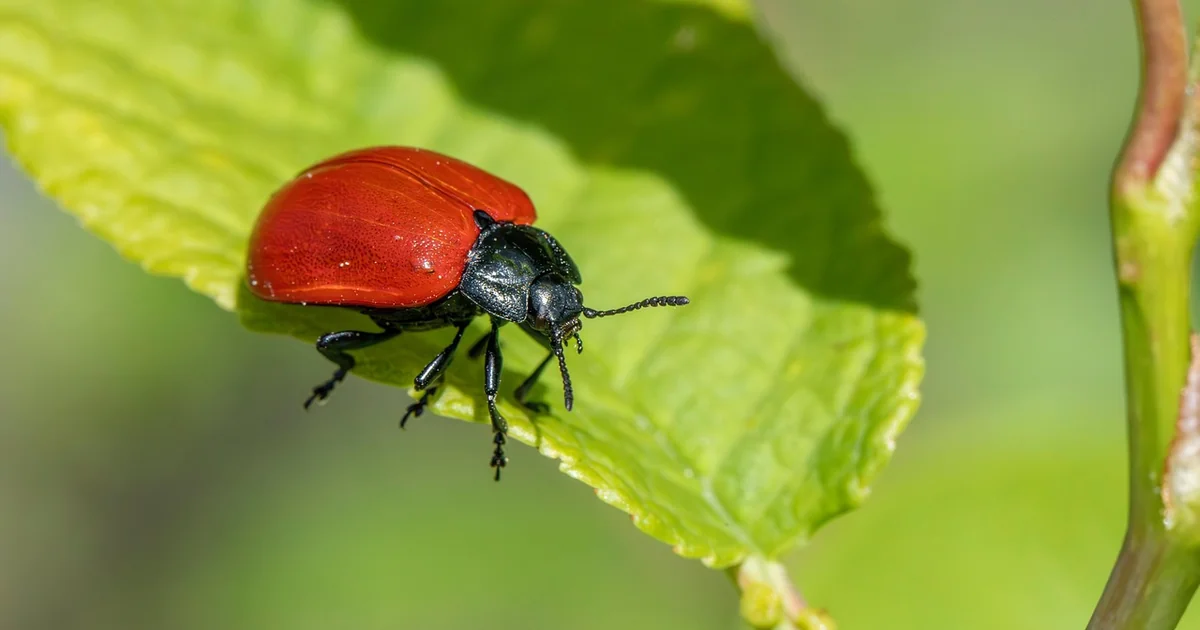
Providing dedicated habitat keeps these helpful critters in your garden and supports their full lifecycles, creating a system of sustainable garden pest control that works season after season. Spring is a particularly good time to add wildlife habitat features, as many animals are actively looking for shelter to nest and raise their young. By setting up a simple wildlife house now, you invite nature’s own pest patrol to settle in and stay.
1. Birdhouses for Aerial Insectivores
One of the most effective members of that pest patrol are aerial insectivores—birds that catch their food on the wing. Swallows, martins, and bluebirds are excellent natural mosquito controllers, consuming large numbers of these pests every day. By providing a birdhouse designed for them, you invite these insect-eating birds to make your yard their hunting ground, turning wildlife pest control into a daily, effortless routine. Even a tiny house wren, though not strictly an aerial insectivore, eats up to a thousand bugs and spiders per day, so the impact is real.
To attract these mosquito-eating birds, placement matters. Site your birdhouse 5–12 feet high, preferably on a north- or east-facing wall to avoid direct sun and wet winds. Design specifics also count: the entrance hole size and interior dimensions should match the target species. For example, a purple martin house needs larger compartments, while a swallow birdhouse design calls for a smaller opening. Get these details right, and you’ll have a steady, natural pest patrol perched right outside your window.
2. Toad Houses for Slug and Snail Control
While birds patrol the skies, another garden ally works the night shift. Toads are nocturnal predators that consume over a hundred slugs, snails, and insects each night. Adding a toad house to your garden is a wonderful way to practice wildlife pest control without chemicals or traps. A single toad can dramatically reduce slug and snail populations, protecting your prized hostas and vegetable beds naturally.
Toad houses need shade and dampness to keep their residents comfortable. Place your toad house under a bush, near a rock wall, or beside a garden structure that offers cover. You can even position one far from a pond if you provide a damp shelter nearby. While toads need to visit a pond to breed, they can live up to three miles from a water source. This means almost any garden can attract toads for slug control with the right setup.
How to Create an Ideal Toad Habitat
For successful toad habitat garden design, choose a spot that stays cool and moist during the day. A simple clay pot turned on its side, a purpose-built wooden toad house, or even a small pile of stones can work perfectly. Make sure the entrance is large enough for a toad to hop through but sheltered from direct sun and rain. Add a shallow dish of water nearby and avoid using pesticides in the area. With thoughtful toad house placement, you will soon have a quiet, efficient partner in your natural pest control efforts.
3. Ladybug Nooks for Aphid Control
Just as a toad house invites a pest-eating amphibian into your garden, a ladybug nook offers a cozy refuge for one of the most popular predators in wildlife pest control. Ladybugs are beloved for a reason: an adult can polish off around 50 aphids in a single day, and its larvae are even hungrier, devouring twice that amount. These tiny beetles are also wonderfully low-maintenance guests. They will shelter, breed and hibernate in any safe, dry nook or cranny they find, so your job is mostly about providing suitable ladybug shelter design options.
For effective aphid natural control, place these nooks near plants that tend to attract aphids, such as roses or new growth on fruit trees. A simple approach is to leave a small pile of stones or a bundle of hollow stems in a sheltered spot. If you prefer something more intentional, you can build a purpose-built ladybug hibernation house — a small wooden box with narrow slits or drilled holes, filled with dry leaves or straw. Mount it near the affected plants, facing away from direct weather. Ladybugs will soon discover the quiet refuge, and you’ll have a steady population on patrol all season.
Building a Simple Ladybug Nook
To create your own, take a small untreated wooden box (about 6 inches deep by 10 inches wide) and drill several ⅜-inch entrance holes on one side. Stuff the interior loosely with straw, dry grass, or crumpled paper. Hang it under an eave or secure it to a fence post near aphid-prone plants. Keep the area pesticide-free, and you’ll notice these spotted helpers making regular visits. With ladybug nooks in place, you add a charming, budget-friendly tool to your wildlife pest control strategy — one that works while you simply watch your garden thrive.
You can read more on this topic in Abbess Garden: 5 Beginner Tips & Mechanics.
4. Bat Houses for Mosquito Control
Just as ladybugs handle aphids, bats are your nighttime allies for mosquito control. These flying mammals consume an enormous amount of mosquitoes each night, making them a powerful addition to your wildlife pest control strategy. By installing a bat house, you provide a safe roosting site that encourages bats to take up residence in your garden. This is a low-maintenance way to reduce mosquito populations naturally, without resorting to chemical sprays.
Where to Hang a Bat House Proper placement is critical for success. Mount your bat house 15–20 feet high on a pole or building, facing south or east to capture morning sun and maintain warmth. Avoid areas near bright lights, as bats prefer dark, sheltered spots. Also, skip pesticides in your garden—they harm the insects that bats feed on. Creating a bat conservation garden with native plants that support moths and beetles will further attract bats for mosquito control. With well-placed bat houses, you invite these efficient predators to patrol your yard each evening. Practical and budget-friendly, these structures turn your outdoor space into a natural pest control hub, working quietly while you enjoy the garden.
5. Bug Hotels for Pollinators and Predators
After the sun sets and the toads emerge, your garden still needs daytime defenders. That is where a bug hotel comes in. These charming structures combine multiple microhabitats to support beneficial insects like ladybugs, solitary bees, and butterflies. Bees and butterflies pollinate your vegetable plants and form part of the food chain that feeds birds, while ladybugs will shelter, breed, and hibernate in any safe, dry nook or cranny you provide. By offering them a permanent home, you create a balanced ecosystem where natural pest control happens all season long.
Design your bug hotel with layers of natural materials such as bamboo tubes, pinecones, and hollow stems. Each material attracts different insects, so variety is key. For a small garden bug hotel, consider vertical or wall-mounted designs that save floor space. Even a simple wooden frame filled with drilled logs and dried leaves works wonders. These bug hotel design ideas are budget-friendly and easy to customize with your family. Place your insect hotel for garden in a sunny, sheltered spot near flowers or vegetables. You will soon notice more pollinators visiting your blooms and fewer pests damaging your plants. It is a low-maintenance way to support wildlife pest control while adding a cozy, rustic touch to your outdoor space.
Frequently Asked Questions
How do I attract toads for slug and snail control?
Toads need a cool, damp hiding spot to feel safe. Provide a simple toad house—a broken clay pot or a purpose-built ceramic shelter—placed in a shaded, moist corner of your garden. A shallow dish of water nearby makes your garden even more inviting. This approach to wildlife pest control brings a hungry, natural ally to your yard.
What are bug hotels and how do they support pollinators and predators?
Bug hotels are stacked structures filled with materials like bamboo tubes, pinecones, and wood blocks. They offer shelter for beneficial insects such as solitary bees, ladybugs, and lacewings. These visitors pollinate flowers and prey on common garden pests, making bug hotels a smart addition to any wildlife pest control plan.
Why is habitat more important than food for sustainable pest control?
Providing food alone often attracts pests rather than their predators. When you create lasting habitat—like birdhouses, toad abodes, and bug hotels—you encourage beneficial wildlife to stay and breed. Consistent shelter supports a stable population of natural pest controllers, which is the foundation of effective wildlife pest control.