Why May Demands Your Attention in the Peony Garden
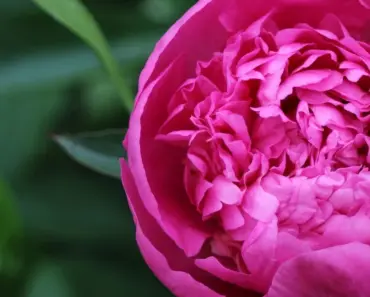
The wait is almost over, and if you are anything like me, the anticipation is almost unbearable. For the last few weeks, you have likely been peering at those pink asparagus tips, willing them on as they unfurl into lush, leafy bushes. Now the finish line is in sight. My herbaceous Coral Sunset peonies have reached that tantalizing marshmallow stage — their fat buds are getting squishy, hinting at a display so spectacular that it teases me every time I walk past. But here is the thing about peonies: those final weeks before blooming are often the most critical. You see a slightly floppy marshmallow stalk listing after heavy rain, lean over to nudge it into a support, and hear that sickening snap. Believe me, I have been there. After all this patient waiting, the last thing any of us wants is to sabotage the grand finale with silly oversights. And the worst thing you can do for your peonies this month is nothing at all. While they do not need us to hover over them, a few simple steps can ensure those precious marshmallow buds reach their full fluffball potential and do not wind up face down in the mud.

Mistake Number One: Failing to Provide Structural Support Before the Stems Flop
Rainwater and wind can be a devastating combination for peonies in May. One should never underestimate the weight of a rain-soaked Sarah Bernhardt on the verge of blooming. Nobody wants to see beloved peonies face-down in the mud. Because May growth can be explosive, this is your absolute last call to get peony supports in place — but you must choose the right kind for your plants.
Not all peonies need scaffolding. If you are growing Itoh hybrids like BartzellaBartzella, you will find they have inherited the stiff stems of their tree peony ancestors. These varieties can often stand tall without assistance. For herbaceous types, however, you may need to bring in reinforcements late in the game. Do not wait until the plant is already flopping to try to secure it with twine or, worse, force a cage over it. By then, the stems have already bent under pressure, and attempting to correct them often leads to breakage.
The Right Way to Install Supports in May
Frames and cages work best when peonies are young enough to grow through them naturally. If you missed that window, do not panic. You can still use bamboo stakes and soft twine to create a discreet support system. Insert three or four stakes evenly around the clump, then loop soft garden twine around the perimeter, weaving it gently between stems. This allows individual stems to lean naturally while staying upright as a group. Check your supports weekly during May because growth happens fast. A stem that was upright on Monday can be listing by Friday after a single thunderstorm.
One of the most heartbreaking peony care mistakes is waiting until after heavy rain to act. By then, the damage is done. Take fifteen minutes this week to assess each clump and add supports where needed. Your future self will thank you when the blooms arrive without a single stem snapped.
Mistake Number Two: Over-Fertilizing with Nitrogen in the Critical Pre-Bloom Window
When May arrives and peonies are putting on several inches of growth overnight, the temptation to give them a boost with fertilizer is strong. But this is precisely the wrong timing for nitrogen-heavy feeding. High-nitrogen fertilizers trigger weak, sappy growth that cannot support the weight of developing blooms. The result is soft stems that flop at the first sign of rain, exactly when you need them to be strong and resilient.
This is not the time for granular lawn fertilizers or general-purpose plant foods with a high first number on the label. Peonies have already done their heavy leaf-building work in April. By May, the plant is shifting energy into bud development and flower formation. Nitrogen at this stage disrupts that natural rhythm and encourages foliage at the expense of bloom quality.
A Better Approach: Seaweed Tonic for Flower Strength
That said, I do like to add a gentle splash of seaweed fertilizer in spring. Products like Neptune’s Harvest Fish and Seaweed Fertilizer contain micronutrients and plant hormones that support flower strength during this volatile time. Seaweed acts as a vital plant tonic that can intensify eventual bloom color and help buds develop fully. It is low in nitrogen and rich in potassium and trace elements — exactly what peonies need as they approach flowering.
Apply seaweed fertilizer at half strength every two weeks through May, watering it into the soil around the root zone. Do not spray it on the buds or foliage, as wet leaves can encourage fungal problems. This gentle feeding strategy avoids the trap of over-fertilizing while still giving plants the nutritional support they need to produce those massive, pillowy blooms.
Mistake Number Three: Ignoring Weather Shifts and Their Effect on Bud Development
May weather can be fickle regardless of your USDA zone. One week a heat spike seems to wilt tender stems, and the next a downpour threatens to batter healthy foliage and nascent blooms. A few small environmental checks can make a big difference in how your peonies respond to these swings. Caring for peonies in spring is not about grand gestures. It is about responding to shifts with a steady hand to nurture bloom development.
Heat Spikes: When Peonies Are in the Marshmallow Stage
When temperatures climb suddenly in May, peony buds can stall or open too quickly, resulting in smaller flowers that fade fast. If you see a heat wave coming, provide some afternoon shade if possible. A light cloth draped over a support frame or a temporary umbrella of leafy branches can moderate the temperature around the buds. Deep watering the heat does not last long, but even a few days of extreme warmth can affect bloom size and longevity.
Heavy Rain and Its Devastating Effect on Buds
Rainwater and wind together are one of the most destructive combinations for peonies in May. A single downpour can turn a perfect marshmallow bud into a waterlogged mess that never opens properly. If heavy rain is forecast, you can gently cover the most exposed buds with a paper bag or a lightweight fabric cloche overnight. Remove the cover as soon as the rain passes to allow air circulation. This simple precaution can save buds that would otherwise rot or collapse under the weight of water.
Dry Spells Require Deep Hydration
If May turns out to be dry where you are, deep hydration is the goal. Peonies need consistent moisture during bud development, but they do not tolerate soggy roots. Water deeply once or twice a week rather than giving shallow daily shallow sprinkles. aim the water at the soil, not the foliage, to keep leaves dry and reduce disease pressure. A soaker hose laid around the base of each clump is ideal for delivering water where it is needed without wetting the plant.
Ignoring weather shifts and failing to adapt your care routine is one of the most overlooked peony care mistakes. A few minutes of attention during a heat spike or before a storm can mean the difference between spectacular blooms and disappointing buds that never open.
Mistake Number Four: Neglecting Disease Watch During the Humid Pre-Bloom Period
May brings warmth and moisture, which are precisely the conditions that peony diseases love. Botrytis blight, also known as gray mold, is the most common fungal problem for peonies in spring. It attacks buds, stems, and leaves, turning them brown and mushy just when you are expecting flowers. Powdery mildew can also appear later in the month if humidity stays high and air circulation is poor.
Many gardeners make the mistake of waiting until they see visible signs of disease before taking action. By then, the fungus has already spread, and saving the current season’s blooms becomes difficult if not impossible. Prevention is far more effective than treatment when it comes to peony diseases.
What to Look For in May
Check your peonies once a week during May for early warning signs. Look for brown spots on buds, wilting stems that seem out of proportion to the weather, or a grayish fuzzy coating on any part of the plant. If you see affected buds or stems, remove them immediately with clean pruners and discard them in the trash — not the compost bin, where fungal spores can survive and spread next year.
You may also enjoy reading: 7 Top Tomato Growing Tips from an Expert.
How to Prevent Disease Before It Starts
Airflow is your best defense against fungal problems. If your peonies are planted too close together or near a wall or fence that blocks circulation, consider thinning some stems in early May before the foliage fully fills in. Remove any crowded or inward-facing stems at ground level to open up the center of the clump. This simple step allows air to move through the plant, drying leaves and buds after rain and reducing the humidity that fungi need to thrive.
Watering at the base rather than overhead level is another common mistake that contributes to disease. Always water at the soil line using a soaker hose or drip irrigation. If you must use a sprinkler, do it early in the morning so the foliage has time to dry completely dry before nightfall. Wet leaves overnight are an open invitation for botrytis and other fungal pathogens.
If you have had botrytis problems in previous years, consider applying a preventive copper-based fungicide in early May before buds begin to swell. Follow the label instructions carefully, and spray only when the forecast calls for dry weather so the product has time to work before rain washes it away. This proactive approach can stop disease before it gains a foothold.
Neglecting disease watch during the humid pre-bloom period is a peony care mistake that can rob you of your entire season’s display. A few minutes of weekly inspection and simple preventive measures are all it takes to keep your plants healthy through the critical weeks before flowering.
Mistake Number Five: Doing Nothing at All When the Finish Line Is in Sight
The worst thing you can do for your peonies in May is nothing at all. It is easy to assume that once the plants have leafed out and buds have formed, the hard work is done and you can sit back and wait for blooms. But those last few weeks before blooming are when peonies are most vulnerable and most responsive to care. Doing nothing leaves them exposed to weather damage, disease, and structural failure that could have been prevented with minimal effort.
I understand the temptation to leave well enough alone. Peonies look vigorous and self-sufficient in May. They are putting on inches of growth daily, and the buds are swelling visibly. It feels like nature is taking its course and intervention might do more harm than good. But the truth is that a few small, timely actions can protect your investment of time and patience and ensure that those fat marshmallow buds actually open into the magnificent blooms you have been waiting for.
The Cost of Neglect in May
Consider what happens when you do nothing. A heavy rainstorm hits, and unsupported stems flop to the ground. The buds that were so promising are now lying in mud, where they rot or are eaten by slugs. A heat spike causes buds to open too quickly, producing small, pale flowers that last only a day or two before dropping their petals. Fungal spores land on wet leaves and spread unnoticed and spread through the clump, turning healthy foliage brown and spotty. Any of these outcomes can be prevented with a few minutes of attention spread across the month.
What Doing Something Looks Like in Practice
Doing something does not mean hovering over your peonies every day or applying complicated treatments. It means taking three specific actions during May: install supports before stems need them, feed with seaweed tonic at half strength every two weeks, and inspect plants weekly for signs of disease or weather stress. Each of these tasks takes less than ten minutes per clump. Together, they form a simple care routine that protects your peonies during their most vulnerable period.
If you are unsure where to start, pick one task this week. Install supports on any herbaceous peonies that do not have them yet. Next week, apply a seaweed feed and check for disease. The week after that, adjust supports if needed and monitor the weather forecast for any extremes that require action. By breaking the work into small weekly steps, you avoid feeling overwhelmed and ensure nothing is missed.
Doing nothing is the most common and most damaging of all peony care mistakes because it is an error of omission rather than commission. It is not that you did something wrong — it is that you did not do anything at all when your plants needed you most. The good news is that it is never too late to correct. You can start today, no matter where you are in May, and still make a difference for your peonies this season.
One Final Thought on Peony Care in May
Peonies reward attention with generosity. The few minutes you spend this week checking supports, feeding gently, and watching for disease will be repaid many times over when those enormous, fragrant blooms open in all their glory. My own Coral Sunset peonies are in the marshmallow stage right now, and I check them every evening with a mix of anticipation and vigilance. I know that a single storm or a missed support could undo months of waiting. But with these five mistakes now avoided, I am confident that this year’s display will be the best yet. Take the small steps now, and you will enjoy the big, pillowy peonies you have been waiting for all spring.